Category: Israel

  • Israel Showcases Drones, Missile, GPS Defense at Major US Expo

    Israel Showcases Drones, Missile, GPS Defense at Major US Expo

    Israel’s Defense Export Agency (SIBAT) is leading a delegation of 19 Israeli defense companies to the national pavilion at the AUSA exhibition in Washington this week. The show, organized by the U.S. Army, is considered the largest and most important land warfare exhibition in North America and serves as a central platform for showcasing Israeli defense industry capabilities.

    Photo: Spokesperson and Public Relations Division at the Ministry of Defense

    The Israeli pavilion features advanced, combat-proven defense-tech solutions that are generating significant interest among militaries worldwide. Among the technologies on display: systems for intercepting drones using nets, protection against GPS jamming, technologies for detecting explosives remotely using robots, and AI-based thermal systems that enable vision in darkness, smoke, and fog.

    Israel’s prominent participation comes against the backdrop of a Defense Ministry reform aimed at dramatically increasing defense exports. Those efforts are already bearing fruit—defense exports crossed the $19.2 billion threshold in 2025, a figure that reflects the power and innovation of Israeli industries.
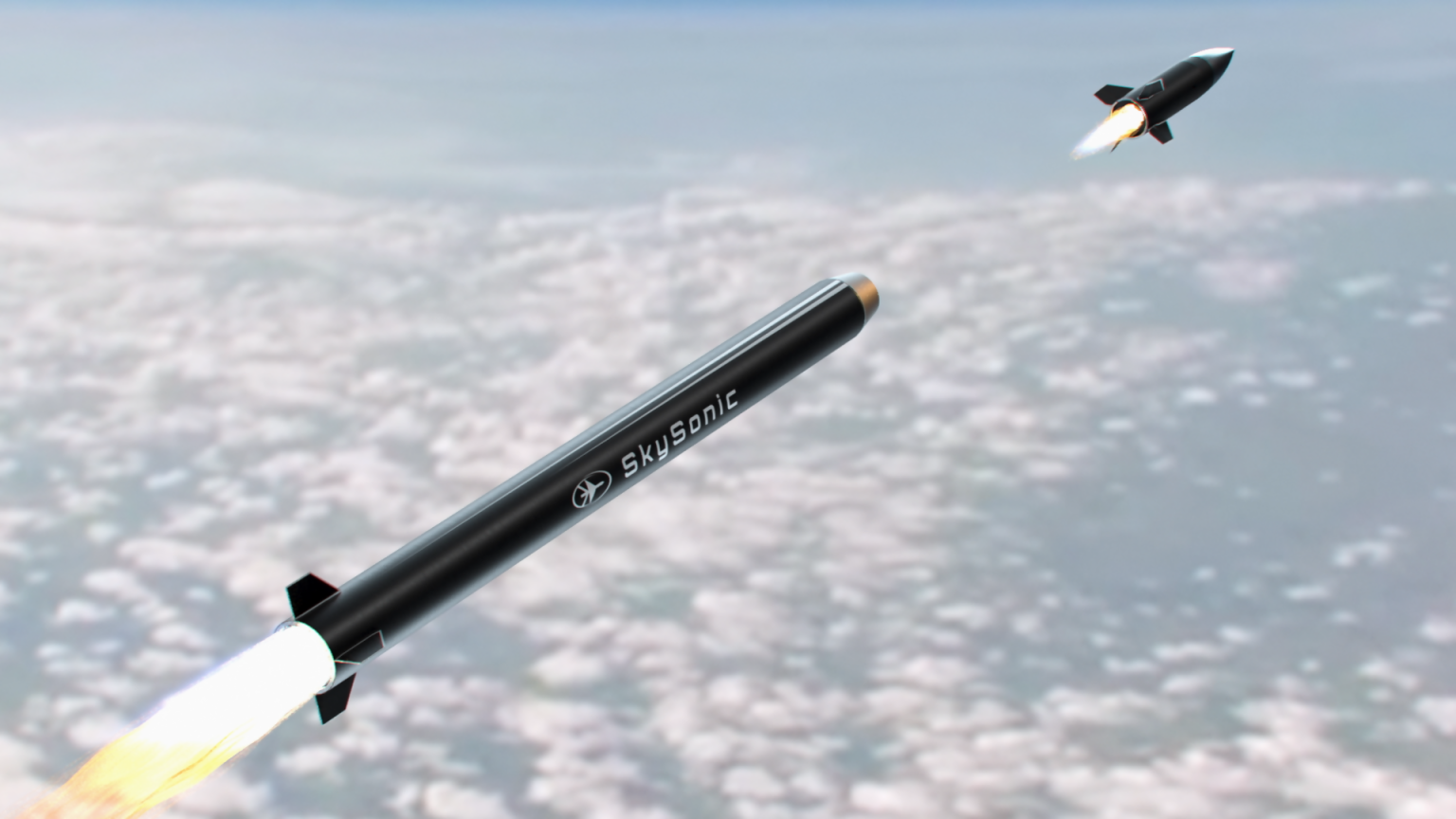
    Sky Sonic Missile | Image: Rafael

    Israel also showcased its highly advanced new missile, called Sky Sonic, a next-generation interceptor designed to take down some of the world’s fastest and most difficult-to-stop weapons. Hypersonic missiles can travel at more than five times the speed of sound while changing direction mid-flight, making them exceptionally difficult for conventional air defenses to intercept. Israeli defense giant Rafael has unveiled a full-scale model of the system, offering a rare glimpse of a project largely kept under wraps for more than three years.
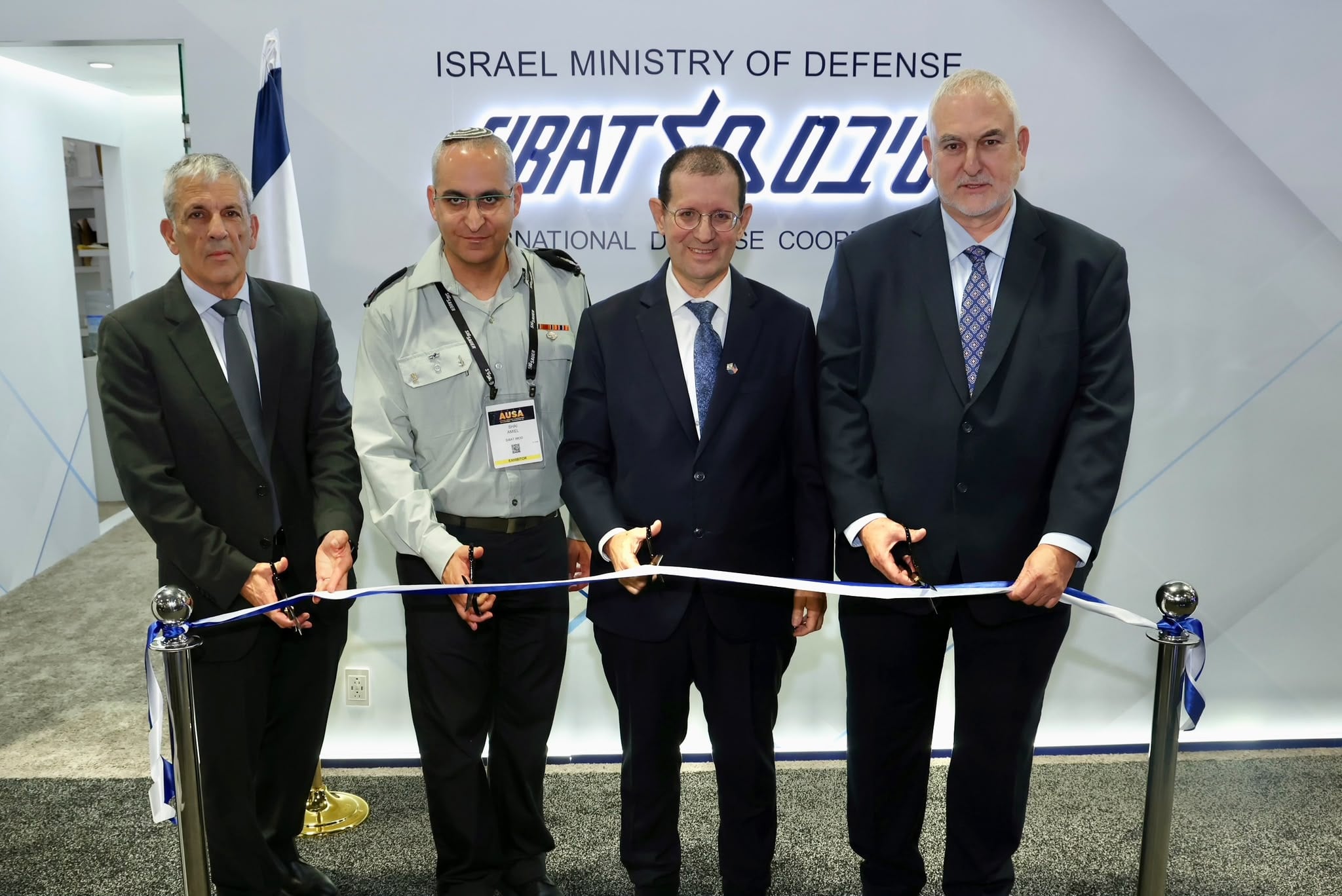
    Photo: Spokesperson and Public Relations Division at the Ministry of Defense

    SIBAT head Brig. Gen. (ret.) Yair Kulas said that “the participation of 19 Israeli companies reflects our confidence in the capabilities of the Israeli defense industry and their relevance to the U.S. and other countries.” He added that “we will work to maximize this important platform to expand defense cooperation and strategic partnership with the United States and a range of other countries.”

  • How Sinwar’s Successor Escaped Assassination at Last Minute

    How Sinwar’s Successor Escaped Assassination at Last Minute

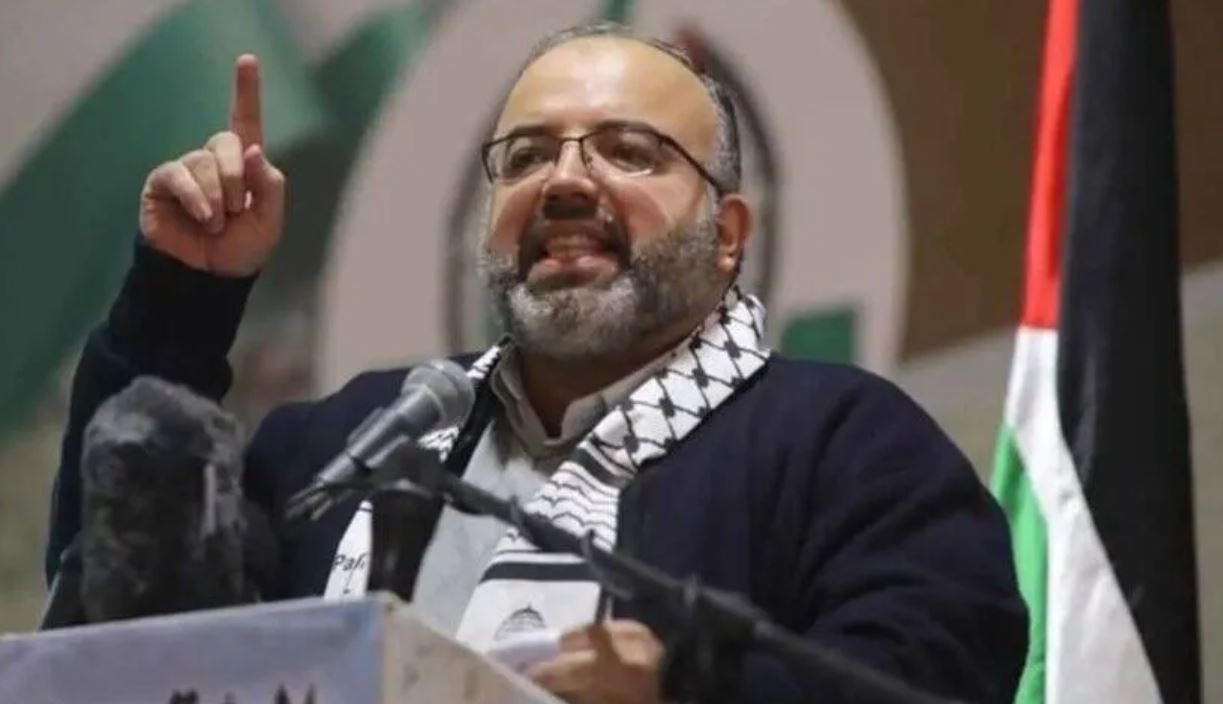
    The Saudi newspaper Asharq Al-Awsat reported Wednesday how Ali al-Amoudi, Sinwar’s successor in Gaza, managed to escape an assassination attempt earlier this month. Sources within the terror organization claimed an urgent intelligence report reached al-Amoudi about three hours before the attack, prompting him to leave the location where he was staying.

    The report did not confirm that an operation was directly and personally targeting him. The sources explained in separate but consistent testimonies that al-Amoudi was staying in the residential apartment that was attacked, and he took what was written in the intelligence report very seriously—so he left the location for another safe place.

    The attempted assassination of Al-Amudi | Photo: IDF Spokesperson

    The sources also noted that two operatives from Hamas’s “air wing”—the military branch—identified intensive flight activity by two Israeli drones on the day of the strike, which they claimed were gathering intelligence around the building and the port area, west of Gaza City. The two operatives reportedly assumed an assassination attempt was underway against a senior figure in the area. They contacted higher security officials and passed along the urgent report, which reached those responsible for securing senior Hamas figures, including al-Amoudi—and thus the assassination was thwarted.

    Sinwar’s replacement Ali al-Amudi | Photo: Arab Networks

    Al-Amoudi was very close to former Hamas leader Yahya Sinwar, both inside and outside Israeli prison—where they were detained together before being released. He was repeatedly arrested for murder and kidnapping for which he was responsible and was released in the Shalit deal, along with Sinwar. Weeks before the assassination attempt, al-Amoudi competed in internal elections for the Hamas presidency in Gaza and did not reach a decision against his rival Nizar Awadallah, leading to a runoff that was halted due to an appeal filed against it.

  • US Admits Trump’s Gaza Peace Plan Faces Major Roadblocks

    US Admits Trump’s Gaza Peace Plan Faces Major Roadblocks

    Exactly one year after the Sharm el-Sheikh peace summit, the US State Department issued an official statement Tuesday acknowledging the complicated reality in the Gaza Strip. The Trump administration made clear that rebuilding Gaza is expected to take years and that implementing President Donald Trump’s peace plan faces significant domestic and international challenges.

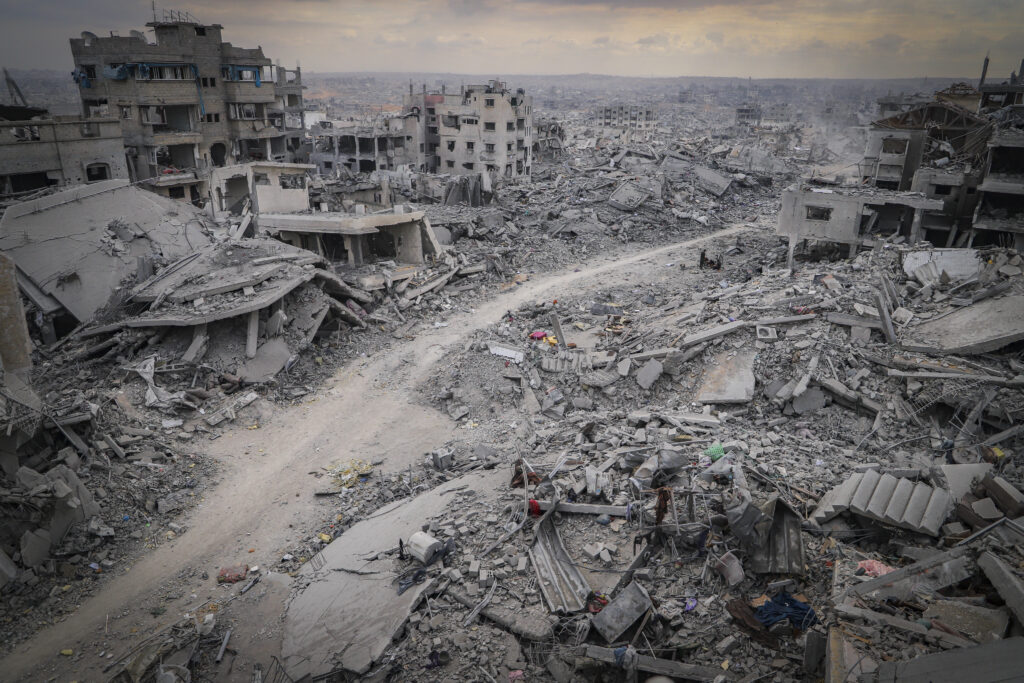
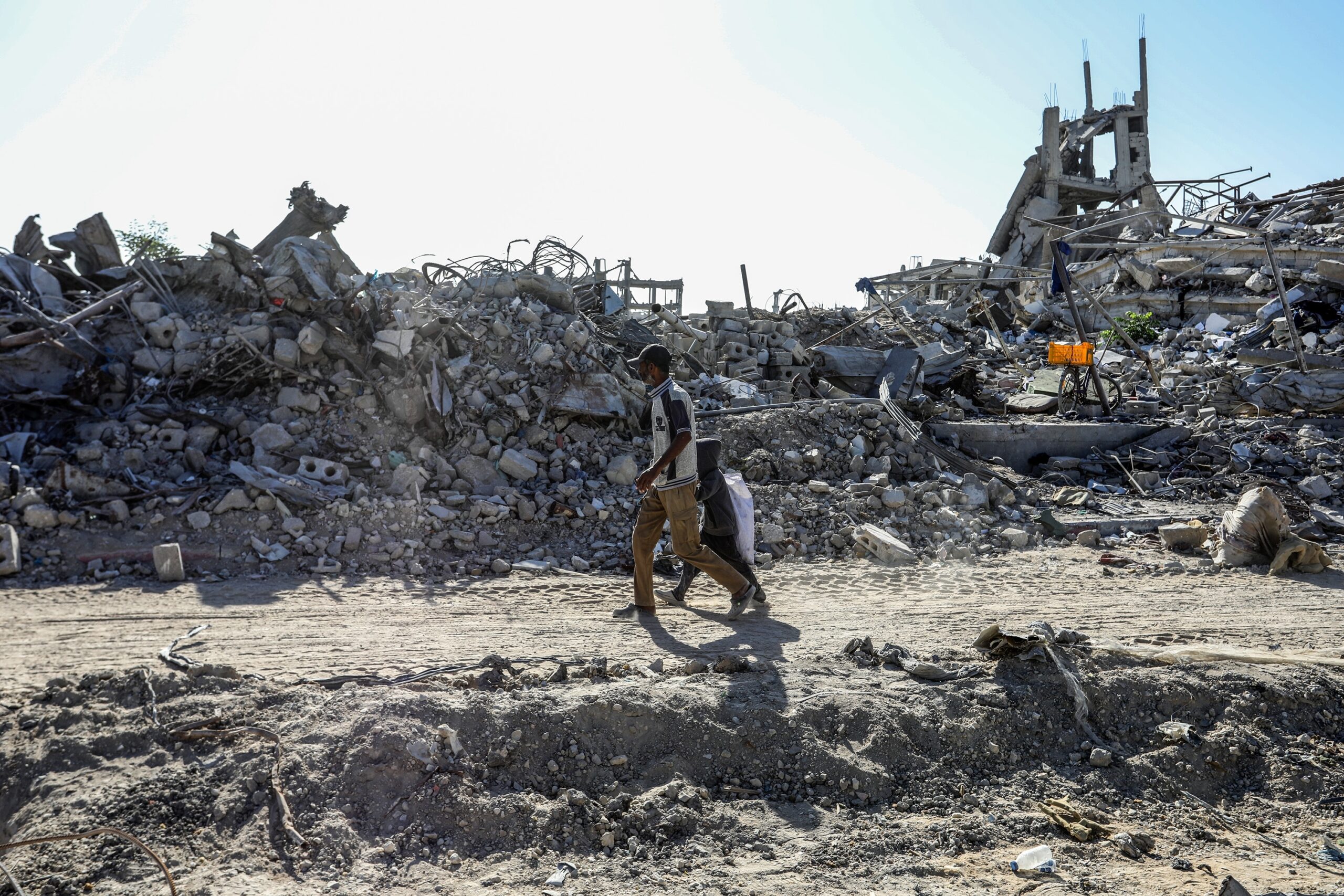
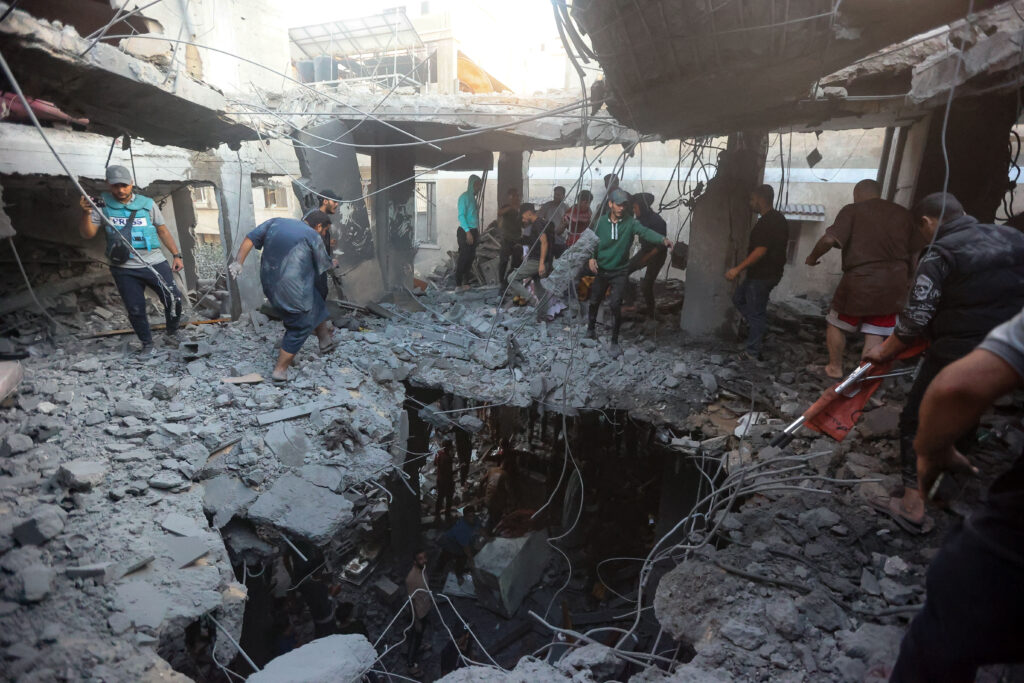
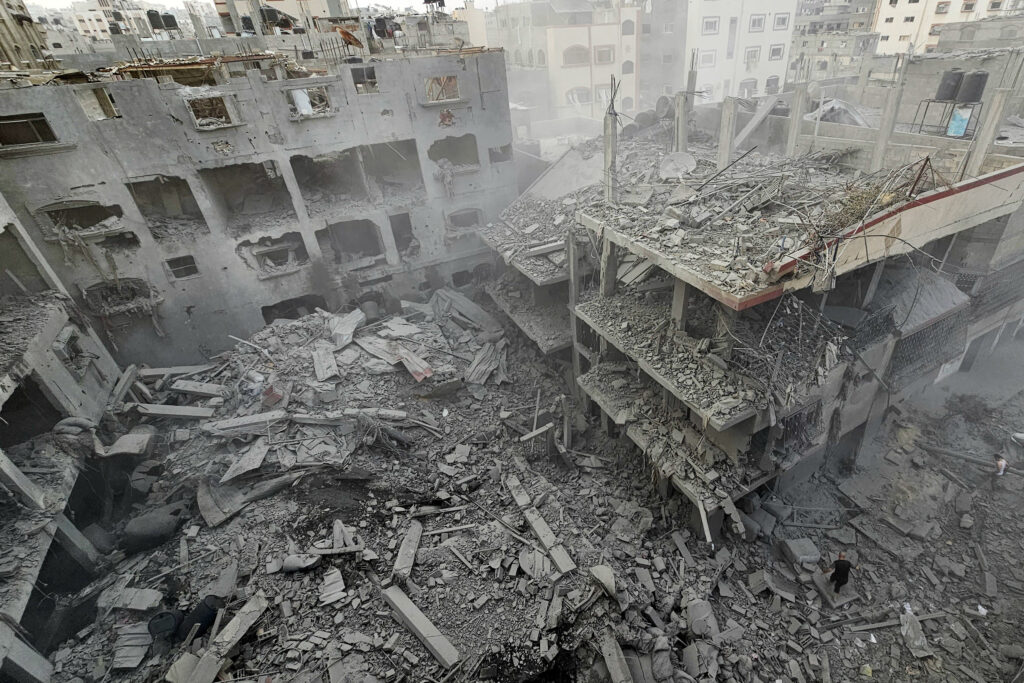
    Ruins in Gaza | Photo: Flash 90

    Nevertheless, in a statement issued by State Department spokesperson Tommy Pigott, the administration emphasized that the United States remains determined to achieve the agreement’s central objectives: the complete demilitarization of Gaza, an end to Hamas rule, and genuine, lasting security for Israel. Marking one year since the hostage-release and ceasefire agreement, the State Department sought to temper expectations regarding the timeline for completing the plan.

    Gazans | Photo: Shutterstock

    The original ceasefire agreement took effect on October 10, 2025, following Israel and Hamas’s acceptance of the first-phase framework presented by President Trump. The achievements of this phase included the release of the remaining 20 living Israeli hostages, alongside the return of the bodies of 28 additional hostages and fallen Israelis. In exchange, Israel released more than 1,950 ‘Palestinian’ prisoners, while the volume of humanitarian assistance permitted to enter Gaza increased significantly. However, while the first phase was implemented, the second phase — intended to fundamentally reshape Gaza’s security, political, and civilian future — has stalled significantly.

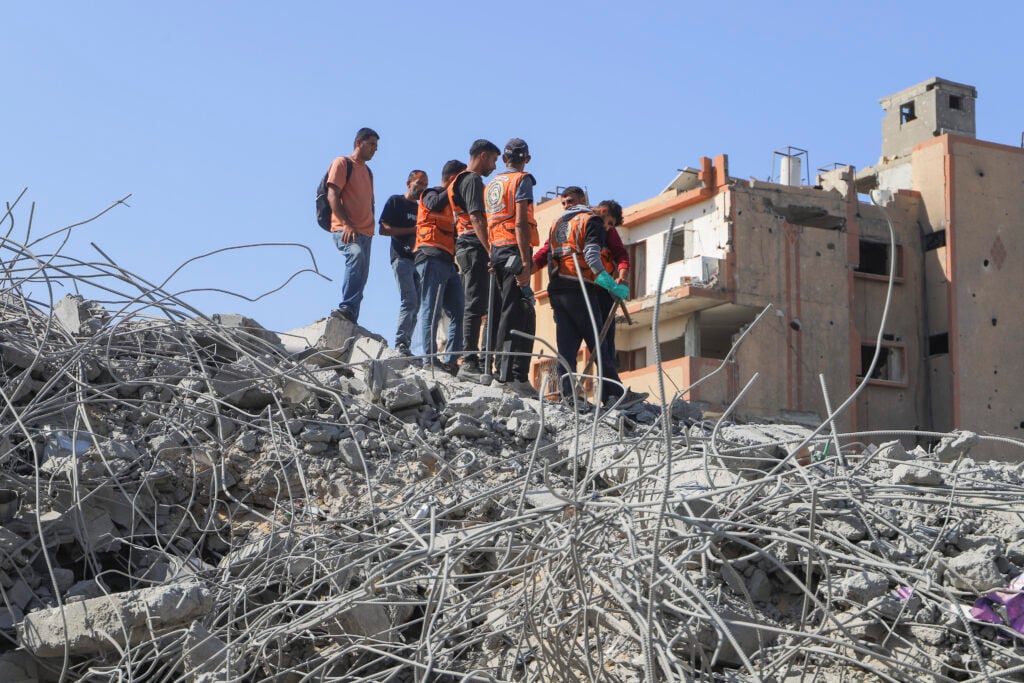
    The ruins following the IDF bombing of Khan Yunis, archive | Photo: Atiya Muhammad, Flash 90
    According to a comprehensive review published October 9 by the J Street Policy Center, Hamas has neither been demilitarized nor disarmed and continues to exercise effective control over areas where most of Gaza’s population resides.
    Furthermore, the ‘Palestinian’ technocratic committee intended to administer Gaza and oversee reconstruction is still operating from Cairo rather than from within the territory itself. Meanwhile, the planned international stabilization force has not yet deployed, and the new ‘Palestinian’ police force envisioned under the future arrangement has not been established. These obstacles persist alongside Israel’s continued military presence in Gaza and a complicated humanitarian situation, despite improvements in food supplies.
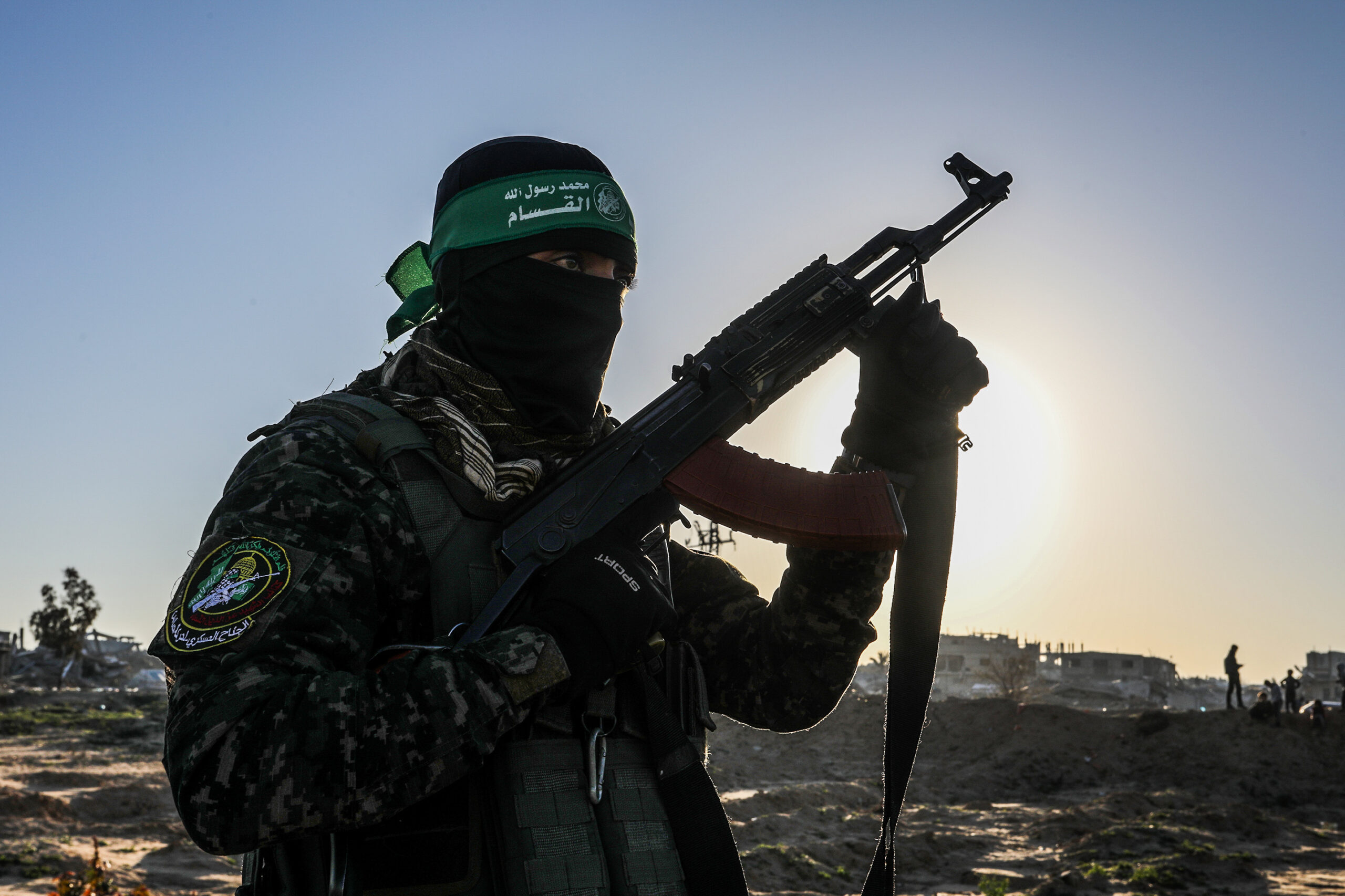
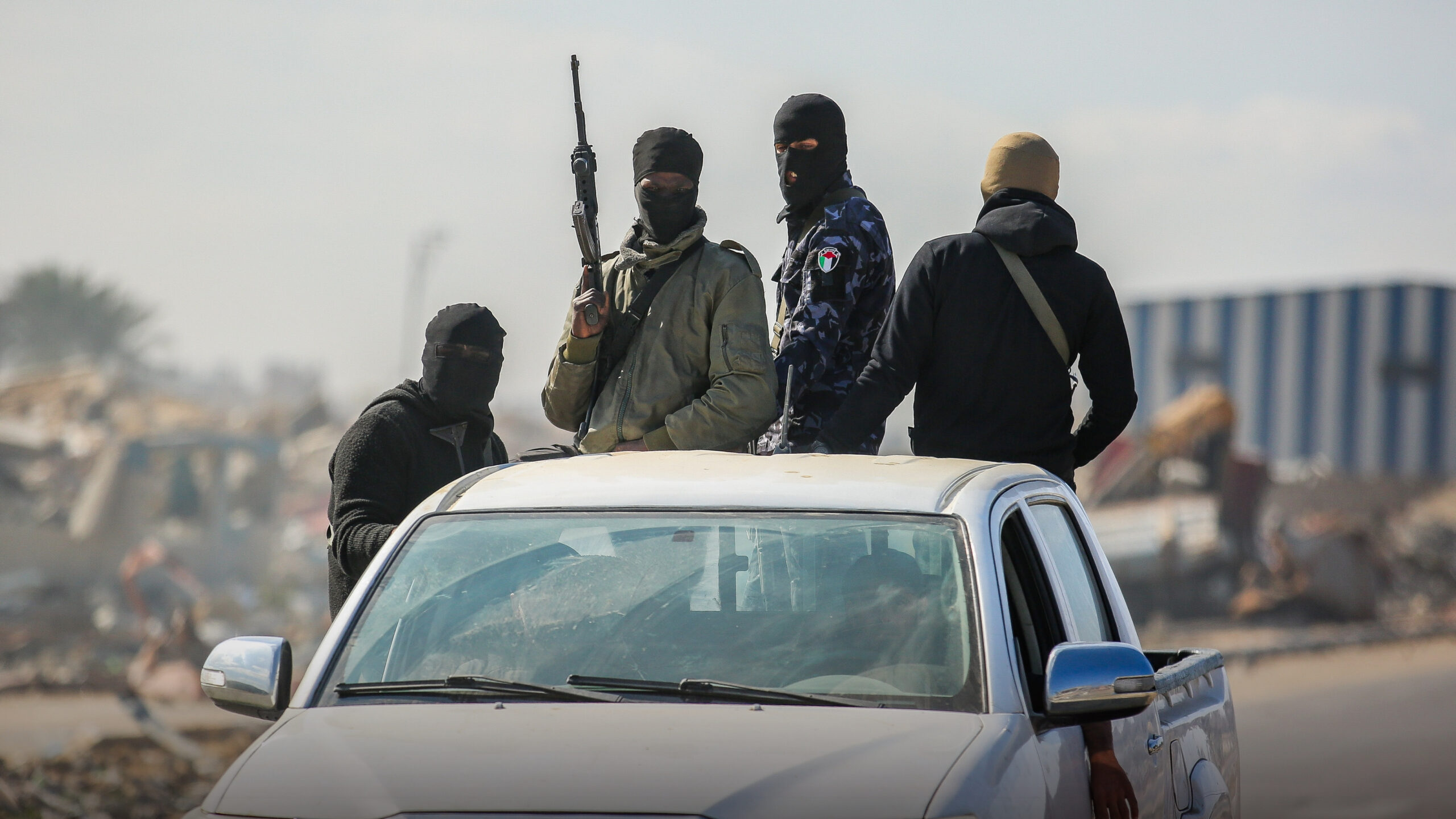
    Hamas terrorist | Photo: Abed Rahim Khatib, Flash90

    However, the American announcement did not specify the exact amount of funding. More importantly, diplomatic and budgetary progress has yet to translate into an operational deployment of the force inside Gaza. Consequently, the international mechanism intended to provide a security framework during the transitional period is still not fulfilling the role envisioned by the agreement’s architects. The American political framework rests on establishing a ‘Palestinian’ technocratic body responsible for administering everyday civilian services under international supervision.

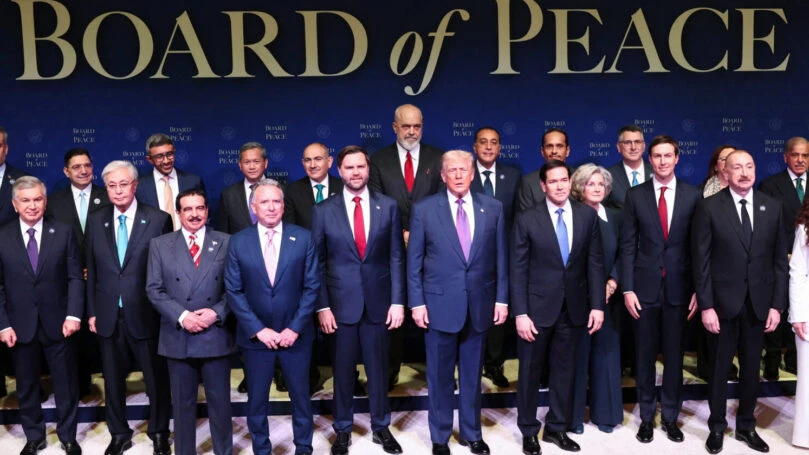
    The National Committee for the Administration of Gaza was designed to assume responsibility for healthcare, education, the economy, water infrastructure, local government, communications, and social services, under the oversight of President Trump’s Board of Peace. However, the fact that the committee continues to operate from Cairo and has not established itself inside Gaza creates a significant disconnect between the planned governing structure and its actual ability to deliver essential services to the local population.

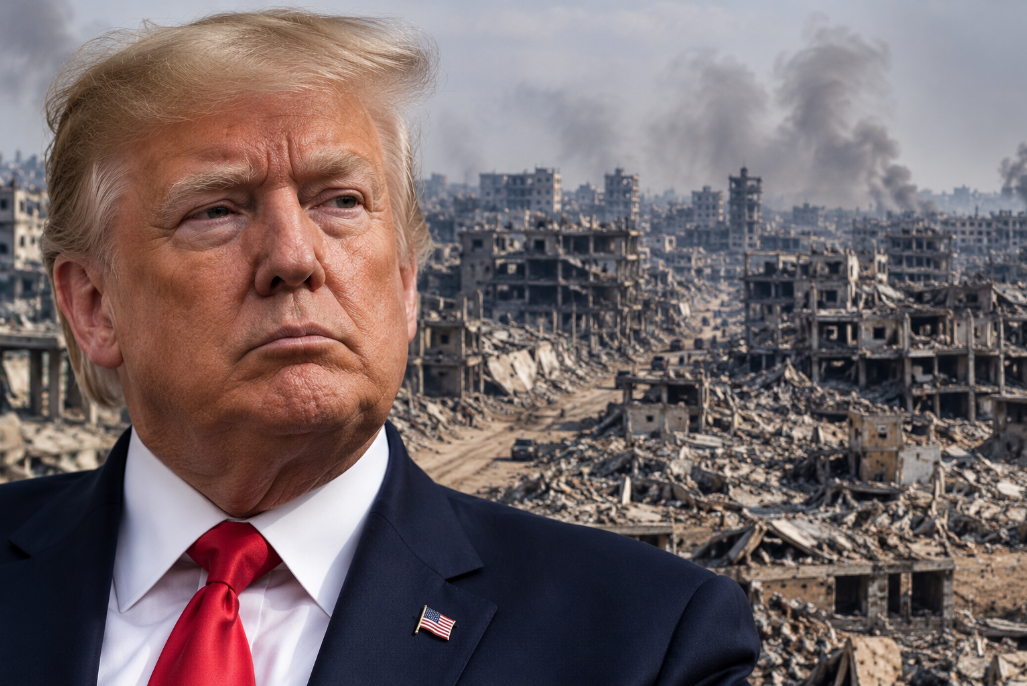
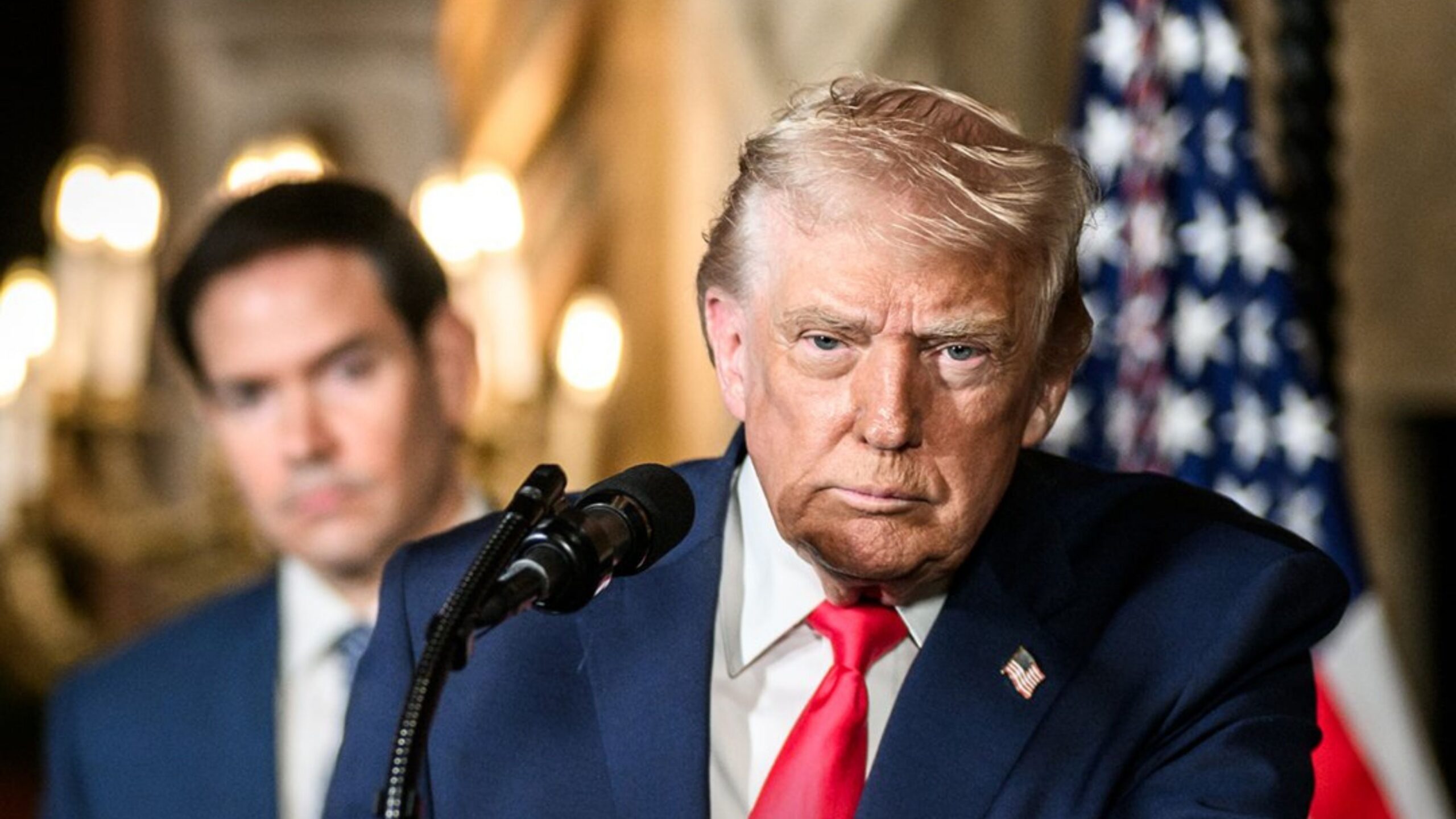
    US President Donald Trump | Photo: The White House

    The political foundations for these initiatives were laid on October 13, 2025, at the Sharm el-Sheikh peace summit in southern Egypt, jointly led by US President Donald Trump and Egyptian President Abdel Fattah el-Sisi. The summit brought together leaders and senior officials from around the world, including representatives of Jordan, Qatar, Turkey, the United Arab Emirates, France, Germany, and Britain, who expressed broad support for the agreement to end the war, mediated by the United States, Egypt, Qatar, and Turkey. At the time, the leaders pledged to complete the hostage-release framework, expand humanitarian assistance, advance the withdrawal of IDF forces, and establish mechanisms for civilian administration and reconstruction.

  • Eyes on Israel: New Situation Room Takes on “Settler Violence”

    Eyes on Israel: New Situation Room Takes on “Settler Violence”

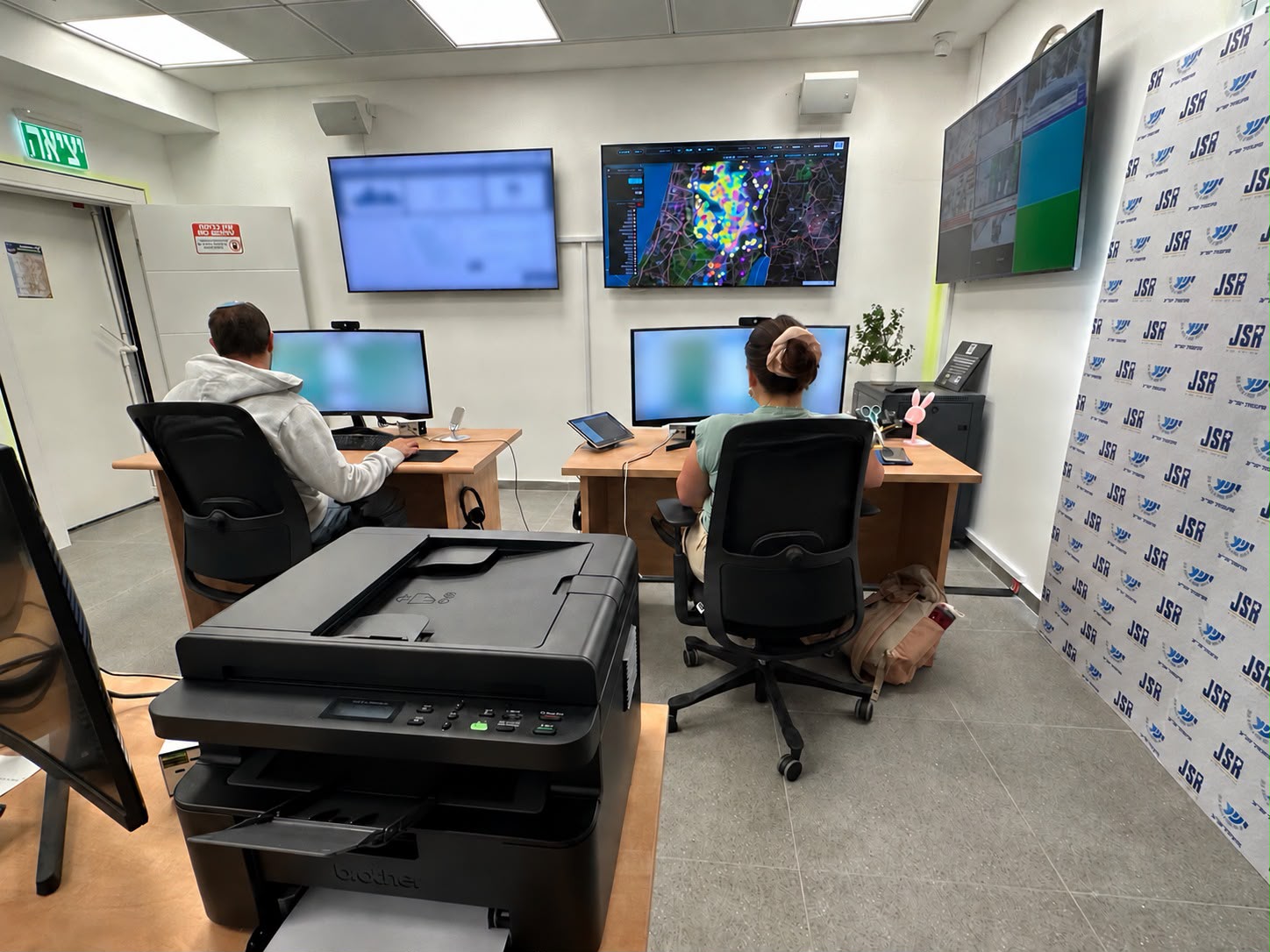
    In an unprecedented move to seize the initiative in the ongoing information war, the Yesha Council officially launched the Judea and Samaria Situation Room (JSR) on Tuesday. Operating simultaneously in English and Hebrew, the new central information hub is designed to deliver verified, real-time ground truth to the public, international media outlets, policymakers, and civic leaders, mounting an active counter-offensive against coordinated disinformation campaigns targeting Israel and the communities of Judea and Samaria.
    Powered by cutting-edge monitoring technologies, JSR establishes a direct digital bridge to regional security operations centers, agricultural outposts, local emergency squads, and field monitors. By unifying these intelligence streams under one roof, the situation room tracks live operational developments across the territory, documenting confrontations, security incidents, and internal socio-political trends inside ‘Palestinian’ Authority cities and surrounding Arab villages. JSR will disseminate rapid reports, raw incident footage, verified data, and analytical briefings across major digital platforms—including WhatsApp, Telegram, and X—alongside deep-dive research dossiers tailored for domestic and foreign correspondents.
    “The Narrative Will No Longer Be Left to Detractors”
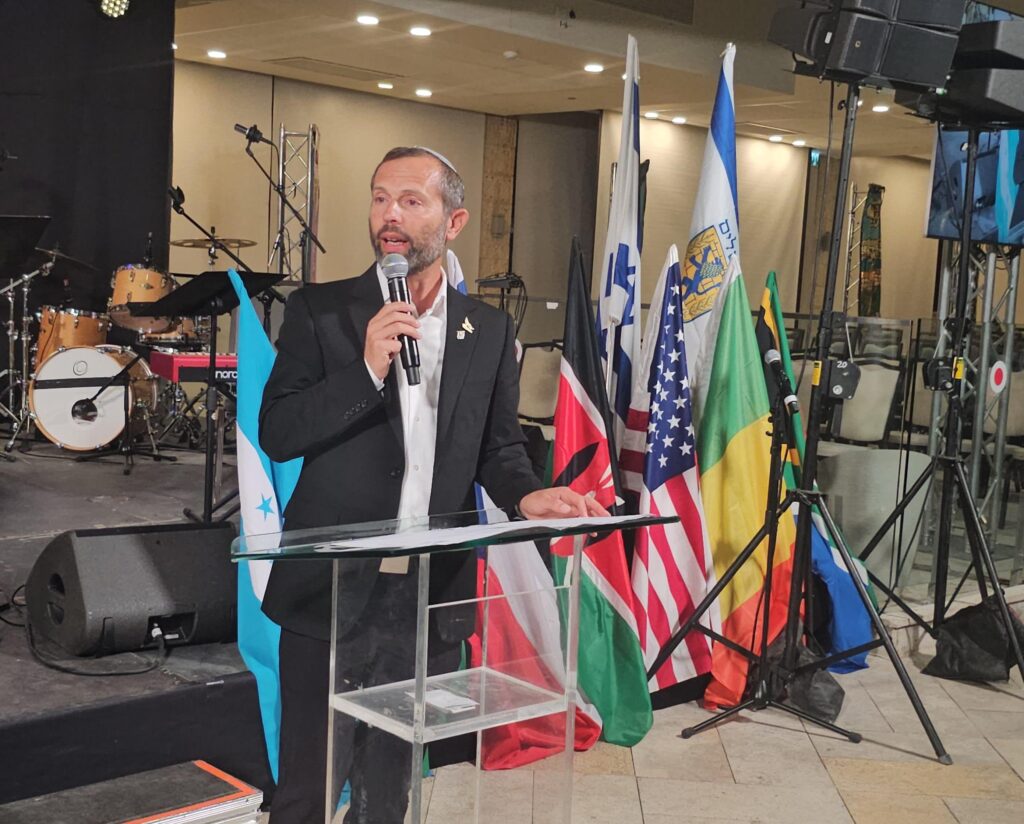
    Yisrael Ganz, Chairman of the Yesha Council and Governor of the Binyamin Region, underscored the initiative’s strategic imperative, framing it as an essential diplomatic shield: “Today, we are launching a groundbreaking initiative of vital national importance for Israel’s image and global standing,” Ganz said. “We have brought together elite technology, institutional expertise, and field-tested professionals to build what has been missing for years: the eyes of Judea and Samaria. A single, authoritative source of information directly plugged into the ground, dedicated to presenting the unvarnished reality of what is happening here.”
    Photo: Binyamin Regional Council
    Ganz emphasized that the platform is engineered to directly dismantle hostile media narratives: “Faced with an organized industry of deception that seeks to transform false accusations into conventional wisdom, we are responding with verifiable facts, visual evidence, and hard data,” he continued. “We will no longer surrender the narrative to those whose sole agenda is to demonize the communities of Judea and Samaria and delegitimize the State of Israel. JSR will serve as the indispensable primary source for anyone worldwide seeking to understand the facts on the ground.” Ganz also credited former Yesha Council CEO Omer Rahamim, who spearheaded the architectural vision and initial development of the command hub, and Acting CEO Hagai Tam, who finalized its operational deployment, along with the council’s specialized operational staff.
    A Unified Digital Command Center
    Hagai Tam, Acting CEO of the Yesha Council, pointed out that the platform introduces intelligence-grade coordination rarely deployed in public diplomacy: “We are proud to unveil an advanced, technology-driven situation room equipped with capabilities never before assembled under one roof in Israel,” Tam said. “By directly linking every frontline source into an integrated operational hub, we have established a professional apparatus capable of delivering rapid, verified intelligence as events unfold. This represents a transformative leap in how ground developments across Judea and Samaria are communicated to the public, both domestically and across the globe.”
    Photo: Chaim Goldberg/Flash90
    With international media attention increasingly focused on agricultural skirmishes, sovereignty debates, and security measures throughout Judea and Samaria, JSR is positioned to provide rapid-rebuttal evidence, ensuring that distorted footage and unverified claims no longer dictate the global discourse unchallenged.
  • Education Ministry: Fatal Hike Route Was Not in Forbidden Zone

    Education Ministry: Fatal Hike Route Was Not in Forbidden Zone

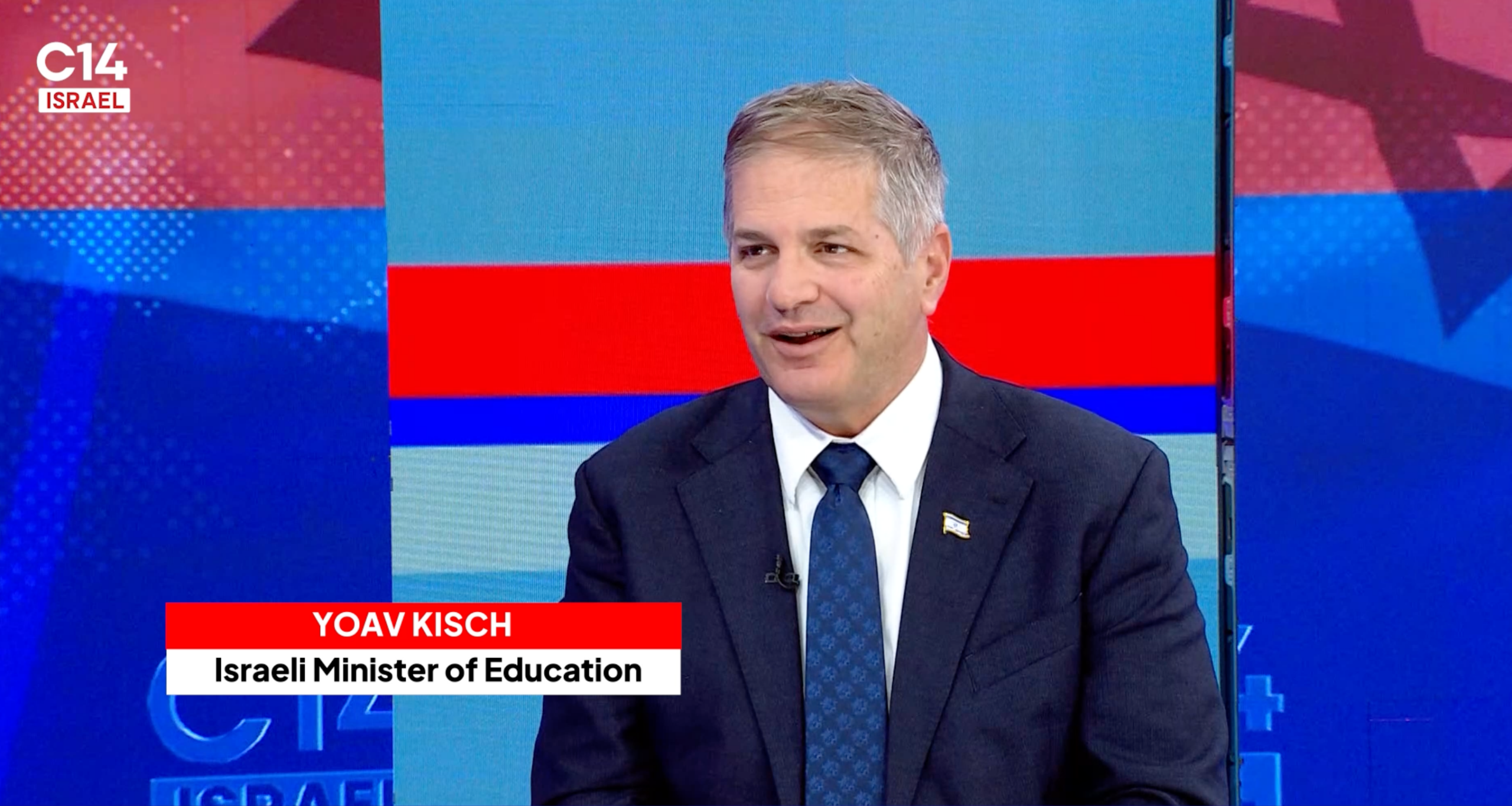
    Education Minister Yoav Kisch addressed on Tuesday the tragic incident that occurred yesterday during an annual school field trip near Ma’alot, in which a student was killed as a result of an unexploded ordnance blast. In a statement to Channel 14 correspondent Gal Tubi, Minister Kisch emphasized that the hike’s original route was not scheduled to cross into terrain designated by the Jewish National Fund (KKL-JNF) as a prohibited zone for activity.

    Photo: Chaim Goldberg/Flash90

    An official statement from the Ministry of Education noted that the ministry operated fully in line with restrictions imposed by KKL, explicitly barring activities in sectors compromised by wartime damage. The ministry also said the official excursion permit included strict safety directives, including an absolute prohibition on touching rocket fragments and unexploded munitions.

    Nevertheless, authorities are currently investigating the precise circumstances of the incident and the route taken on the ground. The IDF, the Israel Police, and the Ministry of Education are conducting the inquiry jointly. Ministry officials stressed that the public must wait for the joint investigation’s final findings before drawing definitive conclusions about all aspects of the tragic event.

    Photo: Ayal Margolin/Flash90

    In the aftermath of the disaster, the Ministry of Education announced it will conduct a thorough review of operational field-approval protocols in the coming days. This re-assessment will take place alongside all relevant professional and security bodies, aiming to refine and sharpen mandatory safety guidelines governing school trips and outdoor field excursions.

  • Elazar Wilensky Named as Teen Killed in Northern Blast

    Elazar Wilensky Named as Teen Killed in Northern Blast

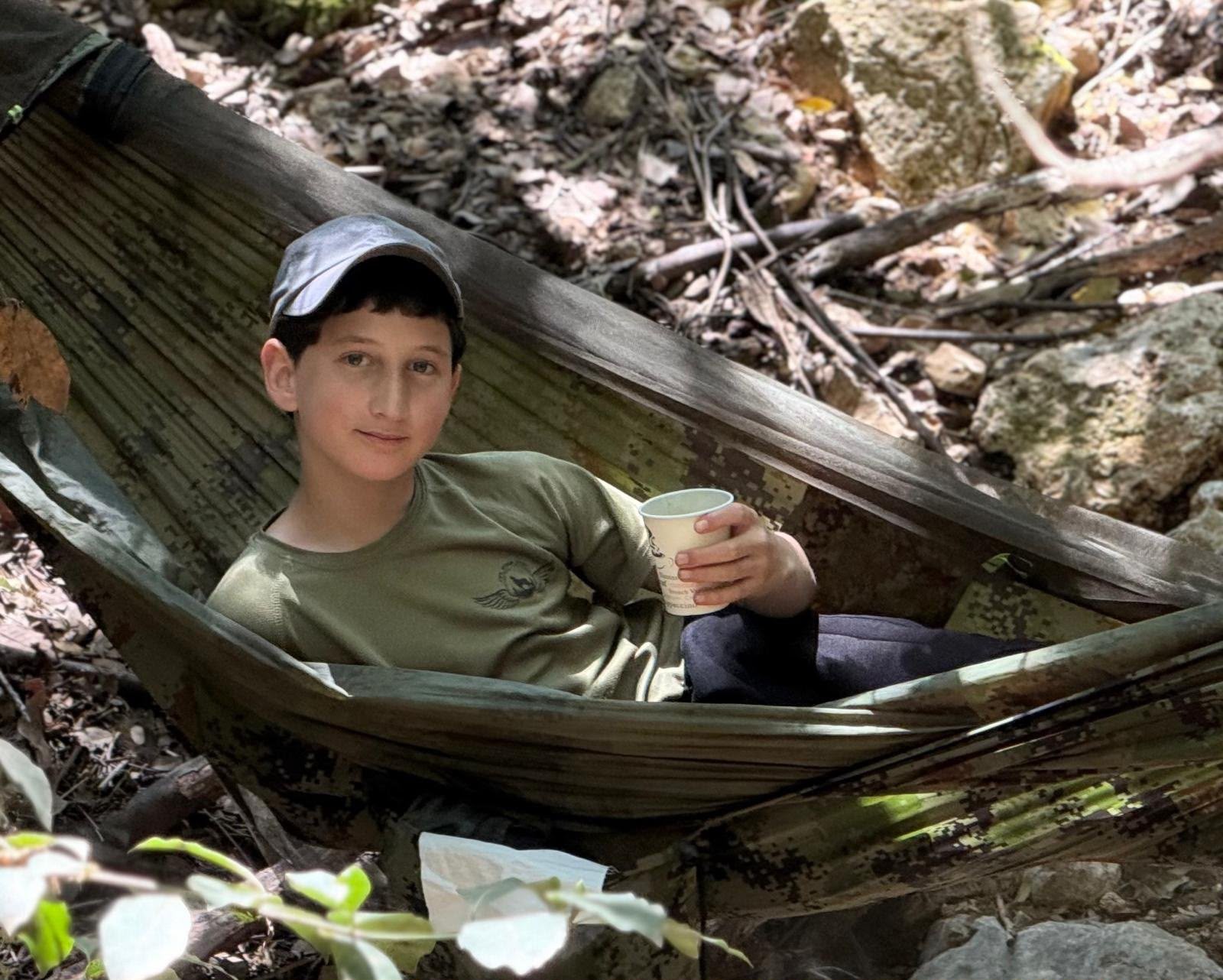
    Elazar Wilensky, of blessed memory, a ninth-grade student at the ORT Ma’alot Yeshiva High School, has been identified as the teenager killed on Monday in the severe disaster on Ramim Ridge in northern Israel during an annual student field trip. His grief-stricken family remembered him with immense sorrow as “a brilliant young boy, full of joy and truly exceptional.”

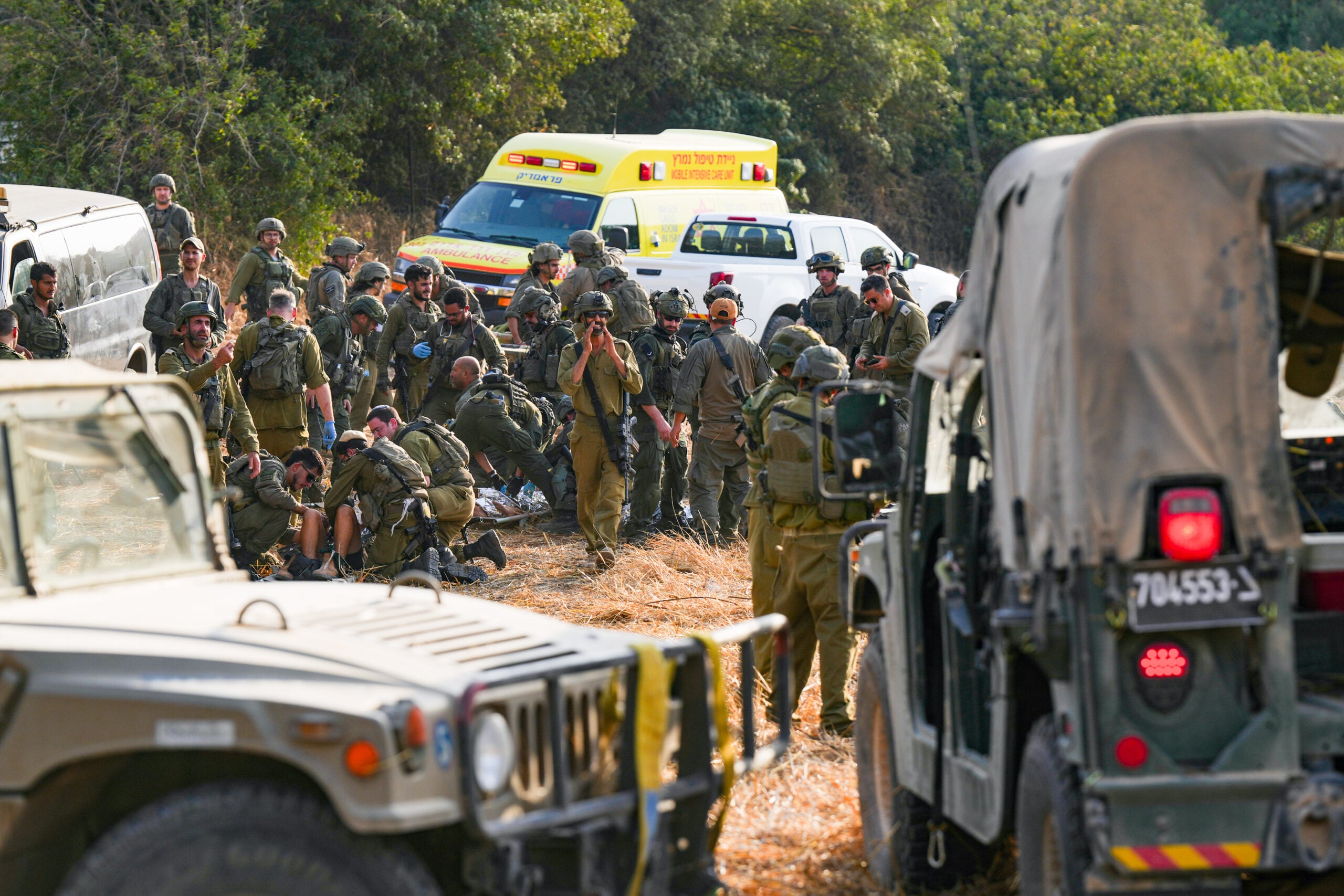
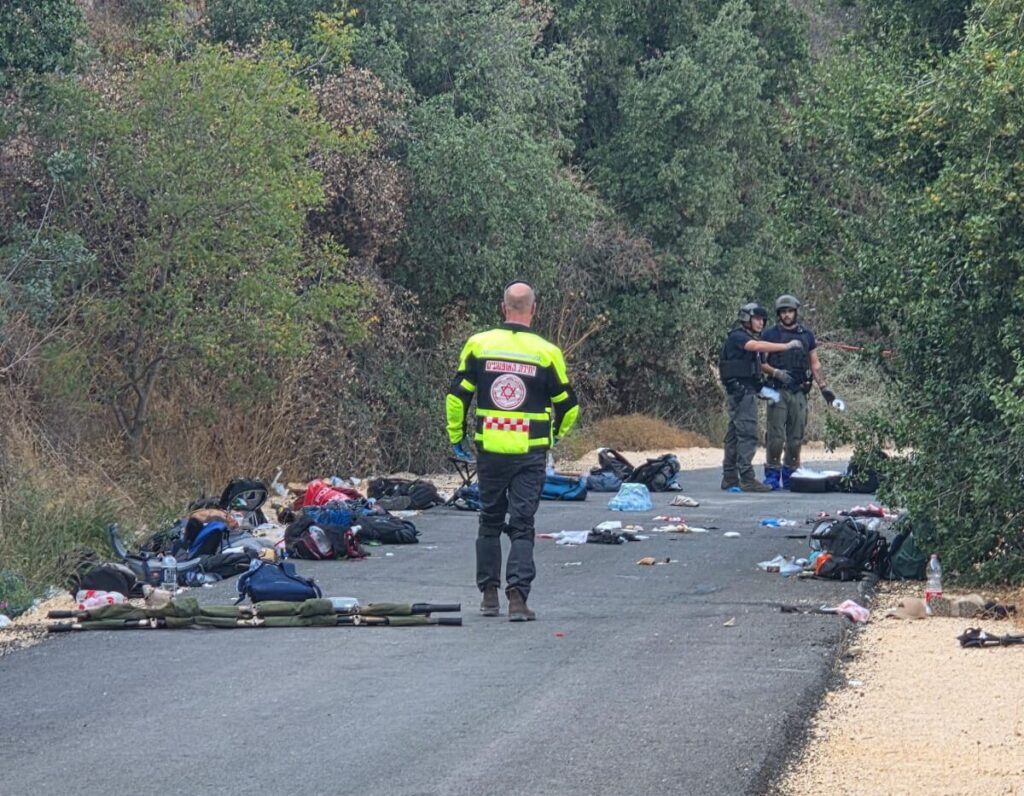
    Scene of the tragedy on Ramim Ridge | Photo: Ayal Margolin, Flash90

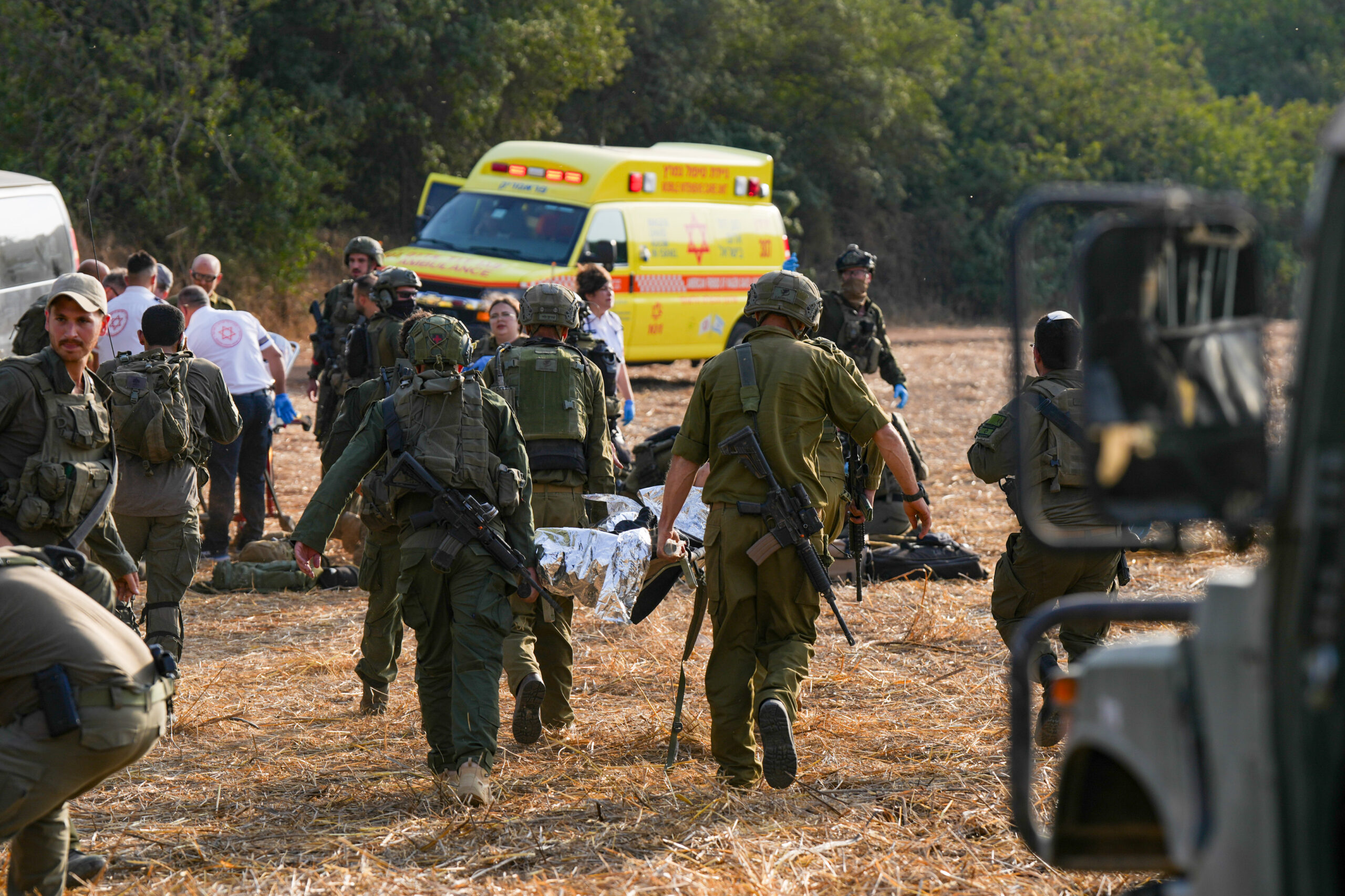
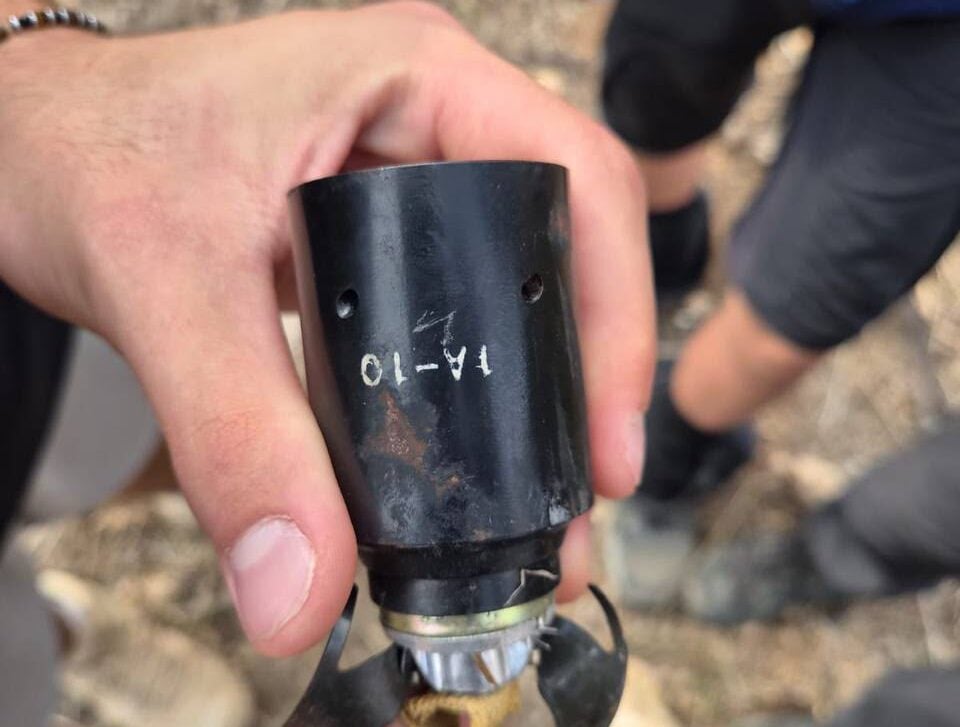
    The tragedy occurred during an excursion by yeshiva students in the Ramim Ridge area when an unexploded piece of ammunition detonated. Elazar sustained critical, life-threatening injuries and was subsequently pronounced dead. Numerous other students were wounded in the blast and were evacuated to regional medical centers across northern Israel.

    According to the latest medical updates, four of the victims remain hospitalized in serious condition at Rambam Health Care Campus in Haifa, Ziv Medical Center in Safed, and the Galilee Medical Center in Nahariya. An additional 19 casualties continue to receive medical treatment for light-to-moderate injuries.

    The unexploded munition picked up by the youths moments before the blast that caused the disaster on Ramim Ridge | Photo: None

    In the wake of the tragedy, the Ministry of Education enacted a series of urgent emergency protocols, chief among them the mandatory rerouting of all student trips scheduled for Tuesday and Wednesday, October 13–14, away from the northern confrontation line and the northern Golan Heights to alternative routes. Simultaneously, safety guidelines were sharply reinforced across the board, placing heightened emphasis on the lethal danger posed by unexploded ordnance in open terrain.

    Elazar’s tragic death has plunged his family, friends, and the broader yeshiva community into profound mourning, as medical teams continue to treat the injured victims fighting for their full recovery.

  • Minister Kisch on Gaza Schools: Completely Replace the System

    Minister Kisch on Gaza Schools: Completely Replace the System

    Gaza’s entire education system must be torn down and rebuilt from scratch, Israel’s outgoing Education Minister Yoav Kisch told C14 today, warning that otherwise the Strip will stay “full of hatred of Jews wherever they are.”

    Speaking on the C14 Israel Debrief, Kisch was asked whether deradicalizing Gaza meant overhauling its schools. He did not hesitate. “Completely replace the system,” he said.

    What the textbooks teach

    Kisch said the case against the current curriculum is written into its own pages. He described a math exercise from ‘Palestinian’ Authority materials in which a Jewish settler enters a classroom and kills 15 boys. Students are then asked to count the dead.

    “This is direct incitement against Israel, against Jews, and we see it in their books,” he said.

    Asked whether PA-run schools radicalize children, his answer was two words: “Yes, for sure.” That assessment is why Israel bars PA study materials from East Jerusalem classrooms.

    A model from the Abraham Accords

    Whatever replaces Gaza’s schools cannot be built on the ‘Palestinian’ Authority system or on Hamas, Kisch said. Planners at the coordination center in Kiryat Gat are already studying what a new system could look like. More moderate Arab curricula, including those of the UAE and Morocco, are among the models on the table.

    Kisch argued the answer already exists in the region. “We do have moderate Arab countries, and under the Abraham Accords they are even at peace with Israel,” he said. “With their system, you would find the right method to implement it also in Gaza.”

    He described those systems as respecting all faiths and steering students away from violence and hatred.

    Why Israel stays in the background on Gaza deradicalization

    Israel’s Ministry of Education has no formal role in the effort. Asked whether he wished it did, Kisch called it “a very sensitive question.” His reasoning is practical. A curriculum seen as Israeli would be rejected on arrival. “If it will be a direct approach, again, it will be pushed out,” he said.

    Kisch confirmed he was consulted on the issue. His recommendation was to let other Arab states lead.

    The East Jerusalem playbook

    A quieter version of this effort has been running in East Jerusalem for four years. Schools there can choose Israeli or PA study materials, and Kisch said a growing number now teach the Israeli curriculum.

    He was frank about keeping it low-profile. “We cannot brag about it, because then immediately you’ll get a clash against us.”

    Kisch also championed new legislation barring teachers educated in Arab cities in Judea and Samaria from teaching in those schools. He called the curriculum push a huge success, while acknowledging the atmosphere there remains very difficult. Gaza would test the same approach across an entire territory.

    What comes next

    Kisch spoke ahead of Israel’s upcoming election, which he framed as a choice with consequences beyond the classroom. On one side, he said, is a strong right-wing government under Benjamin Netanyahu. On the other he put Gadi Eisenkot, who Kisch said would depend on Yair Golan and the Muslim Brotherhood, causing what Kisch called collateral damage to Israel internationally.

    He wants to return as education minister. His pitch is a “New Deal” for Israeli schools: classes capped at about 20 students, a five-day school week and new agreements with the teachers’ unions. The plan requires 15 billion shekels in its first year, a cost he said the Finance Ministry has already accepted.

    The full interview is available on the C14 Israel Debrief. Follow C14 English across all social media.

  • Katz Defies High Court on Refugee Camp Evacuations

    Katz Defies High Court on Refugee Camp Evacuations

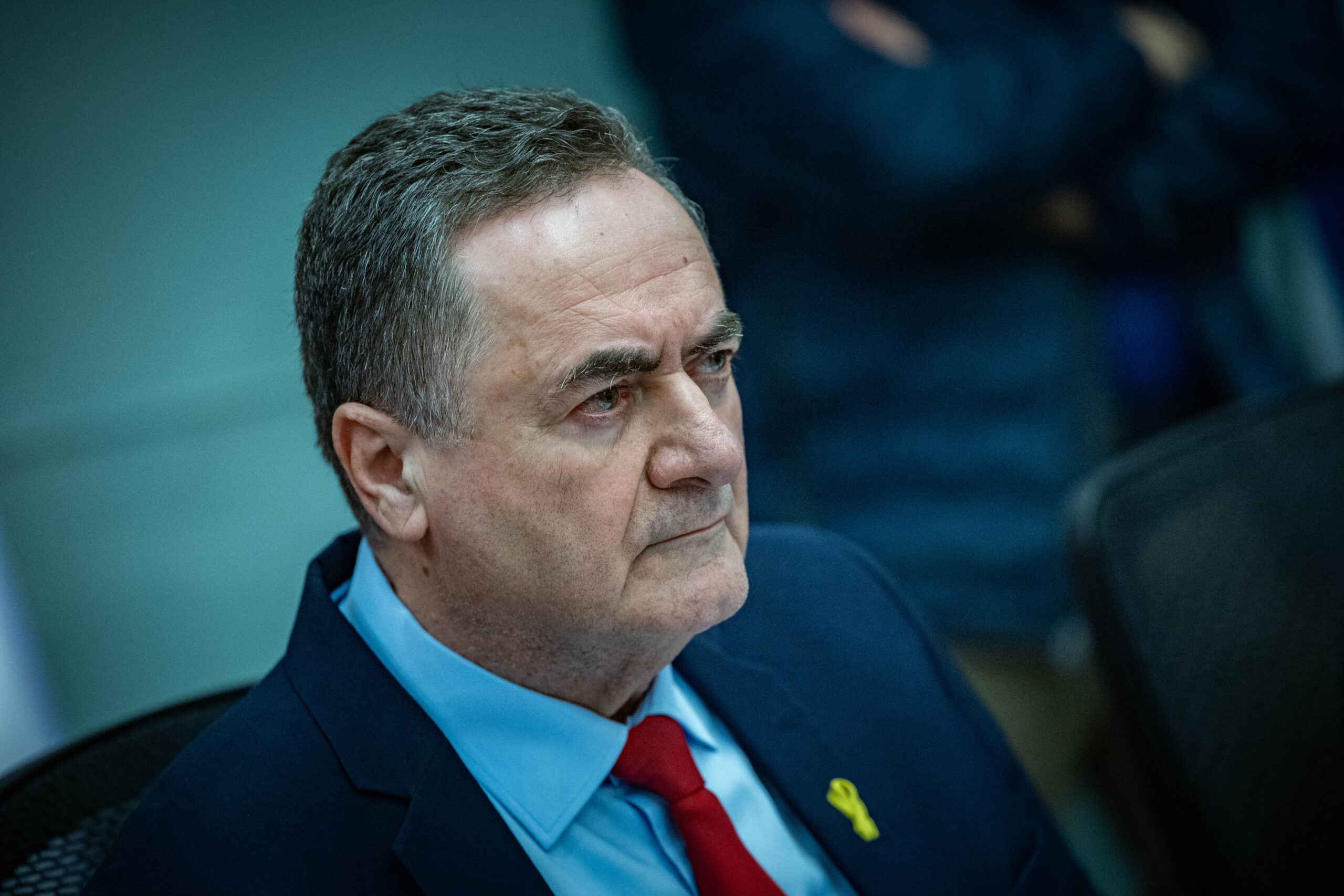
    Defense Minister Israel Katz announced on Monday that he has no intention of permitting evacuated residents of refugee camps in Judea and Samaria to return, despite recent High Court of Justice notices on the matter. According to Katz, the High Court must completely refrain from interfering in IDF operational activities in Judea and Samaria aimed at safeguarding the lives of soldiers and civilians, stating this holds true “even at the cost of enacting dedicated legislation in the Knesset.”

    Photo: Chaim Goldberg, Flash90

    Katz noted that immediately upon assuming the defense portfolio, he formulated a fundamental shift in Judea and Samaria security doctrine alongside Prime Minister Benjamin Netanyahu. He instructed the IDF to discard its previous recurring “in-and-out” raid pattern in the Jenin refugee camp in favor of fully taking and holding the refugee camps of Jenin, Tulkarm, and Nur Shams. These hubs, Katz explained, had evolved into Iranian-backed terror hornets’ nests where jihadist battalions organized, launched, and exported terror attacks throughout Judea and Samaria and deep into Israeli territory.

    According to the defense minister, all 40,000 residents of these camps were evacuated as the IDF eliminated operatives, dismantled extensive terror infrastructure—including numerous structures and narrow, booby-trapped alleyways—and established an enduring, permanent military presence inside the camps. Katz stated that as a direct consequence of this shift, the overall volume of terror in Judea and Samaria dropped by 80% to its lowest level on record, with the capacity to orchestrate attacks inside Israel severely degraded. “Many lives were saved and many injuries were prevented—though considerable challenges remain,” he noted.

    Photo: Chaim Goldberg, Flash90

    Katz emphasized that retaining IDF forces inside the camps over the long term is not a legal matter, but an imperative operational-security necessity required to protect Israeli soldiers and civilians against acute threats. He highlighted persistent efforts by external jihadist elements backed by Iran and the Muslim Brotherhood to stage an October 7-style massacre out of Judea and Samaria.

    “It is not the High Court’s business to intervene in security calculations of this nature—just as it has no standing to intervene in operational combat in Gaza, Syria, Lebanon, or Iran,” Katz asserted. The defense minister reiterated that his stance is unwavering and that he intends to ensure it guides every forthcoming deliberation on the subject. “On this matter, I will not compromise—even if it necessitates extraordinary legislative procedures in the Knesset. This is our fundamental obligation to our soldiers and citizens, and we will uphold it,” he concluded.

  • Netanyahu Visits Teen Injured in Golan Heights Rocket Incident

    Netanyahu Visits Teen Injured in Golan Heights Rocket Incident

    Prime Minister Benjamin Netanyahu and Education Minister Yoav Kisch arrived on Monday at Rambam Health Care Campus in Haifa to visit victims wounded in the severe fire in Majdal Shams in the north. The two spoke directly with the injured and their families, heard accounts of the incident’s traumatic moments, and offered words of encouragement.

    Photo: None

    During the visit, Prime Minister Netanyahu instructed the Head of the Home Front Command, Maj. Gen. Rafi Milo, to immediately reinforce guidelines and public warnings nationwide. Netanyahu underscored the strict prohibition against touching rocket fragments and unexploded munitions, directing security forces to conduct comprehensive scans across open terrain to detect hazardous ordnance remnants that could endanger human life.

    Among the wounded visited was 14-year-old Eitan Masaori, who sustained a shrapnel injury to his neck. Recounting the ordeal with extraordinary composure, the teenager shared: “I realized I was injured, but I saw that my friend was wounded too, so I tried to help him.” The young student’s actions highlighted both the immense scale of the tragedy and the profound mutual responsibility displayed even in the most perilous moments.

  • Friedman Slams 60 Minutes Over ‘Settler Violence’ Hit

    Friedman Slams 60 Minutes Over ‘Settler Violence’ Hit

    Former U.S. Ambassador to Israel David Friedman launched a fierce assault on Monday against a feature by the American investigative news magazine 60 Minutes that addressed the “settler violence” campaign and Jewish sheep ranches in Judea and Samaria.

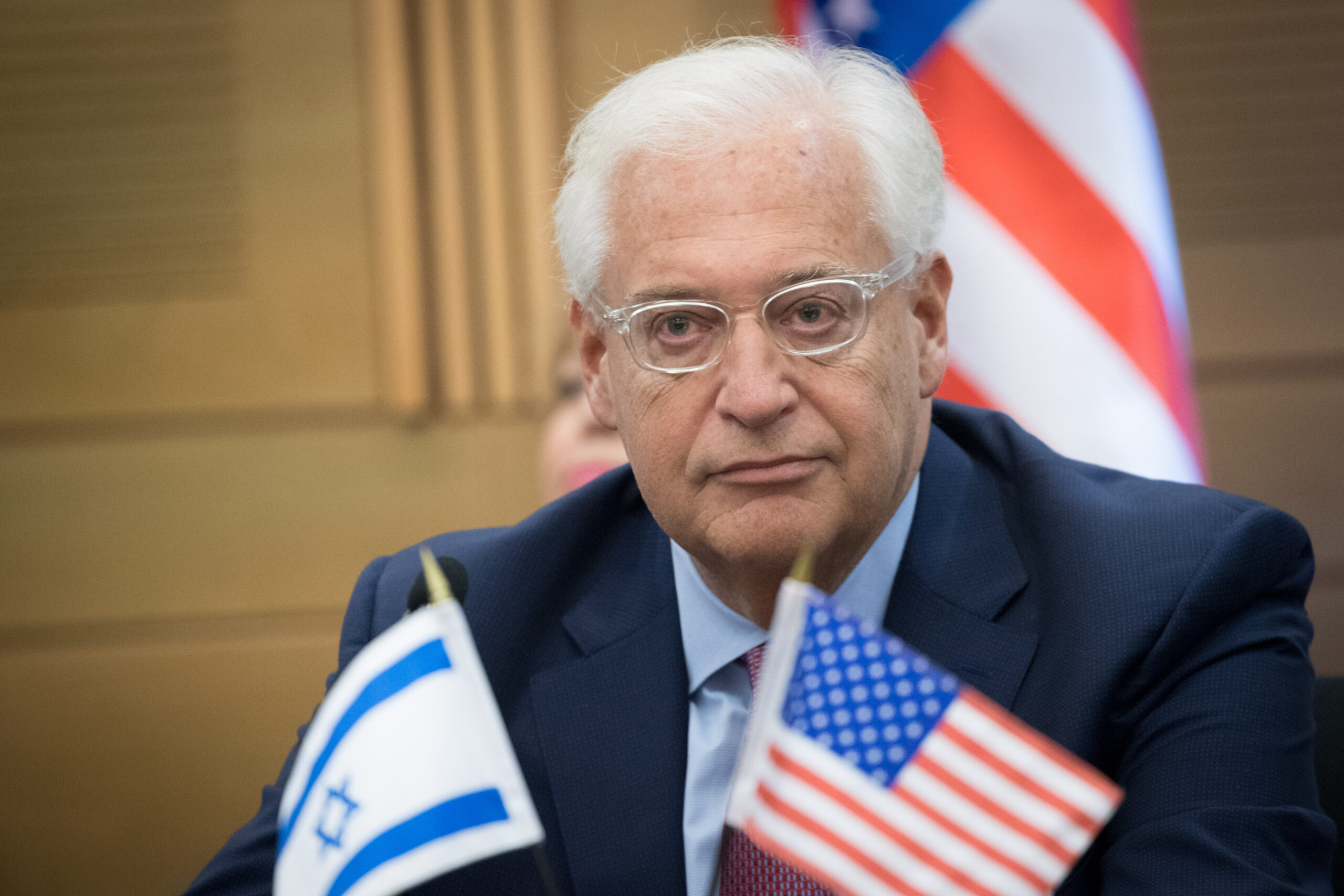
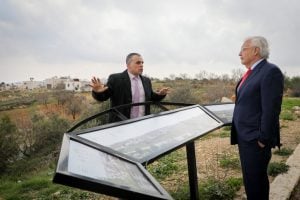
    Photo: Yonatan Sindel/Flash90

    Friedman asserted that the segment adds to what he described as a long catalog of false, biased reporting by the broadcast network. “60 Minutes is currently dealing with the issue of ‘settler violence’ in Judea and Samaria,” he wrote. “It is an embarrassing joke for anyone who is actually on the ground living the real-world challenges of Judea and Samaria.”

    According to Friedman, the program turned a blind eye to the reality that ‘Palestinian’ terrorism in Judea and Samaria constitutes an incomparably graver threat than isolated altercations attributed to residents. He emphasized that Jewish residents living in the region face persistent armed attacks from ‘Palestinians’, and that their inherent right to live there is anchored in the Bible, Israeli jurisprudence, and international law. If they do not fight back—they will cease to exist,” Friedman wrote. He accused ‘Palestinians’ of exploiting Western media channels to frame encounters selectively: “The ‘Palestinians’ play the media like a violin. They know exactly when and how to film an altercation to present it in a skewed, one-sided manner. 60 Minutes took the bait knowingly.”

    “Israel Is the Sole Candidate”

    Friedman clarified that he does not deny the existence of sporadic clashes in Judea and Samaria, but firmly objected to depicting them in a vacuum severed from Palestinian terrorism and the persistent security perils residents endure. In his view, the essential question is how to end the violence, rather than simply debating its existence.

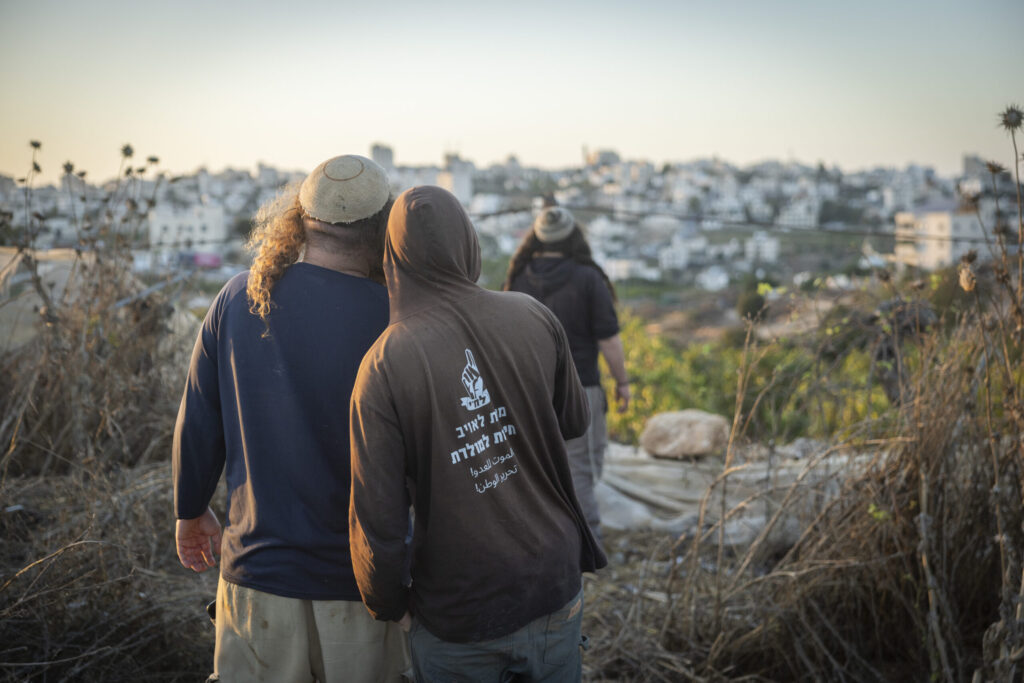
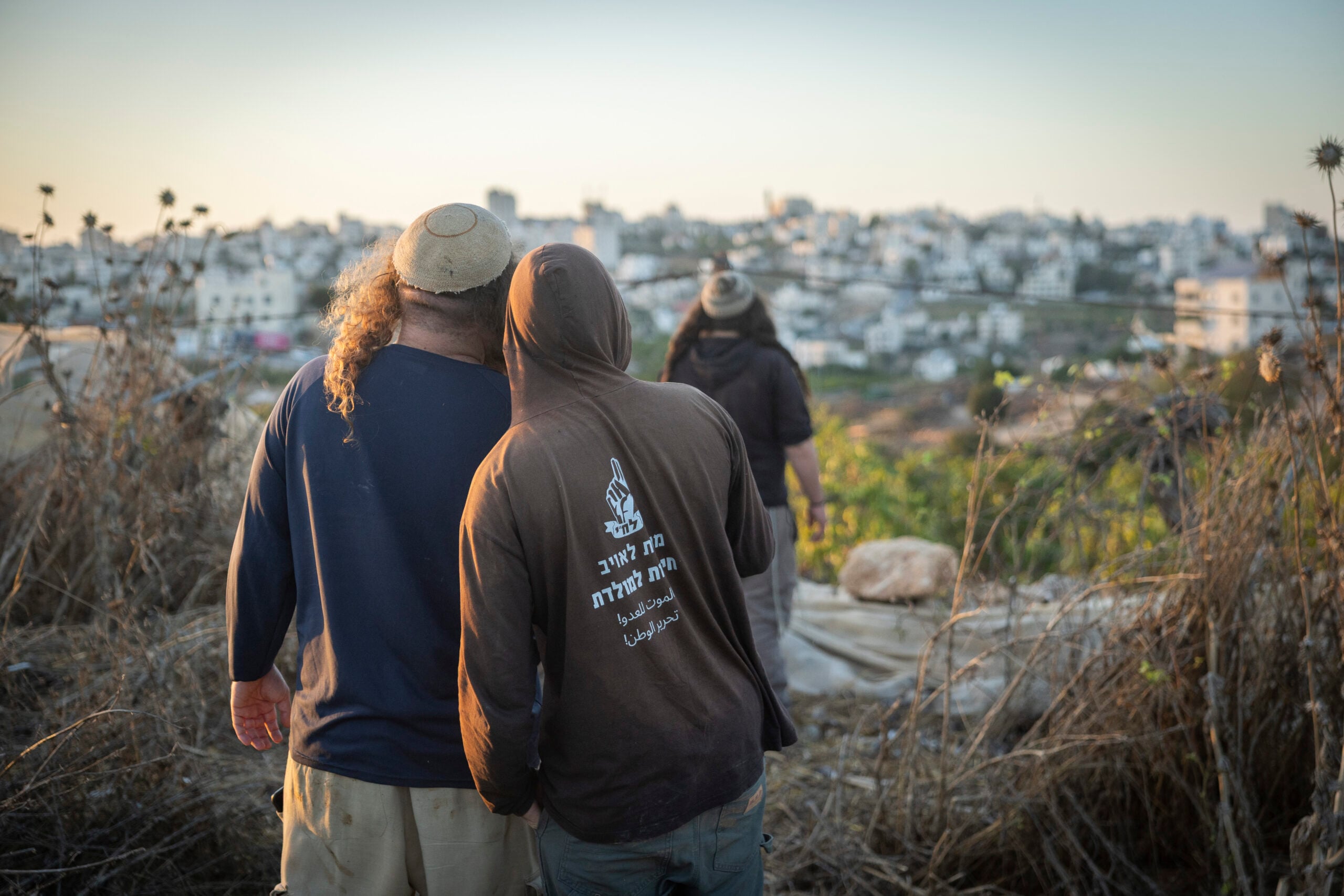
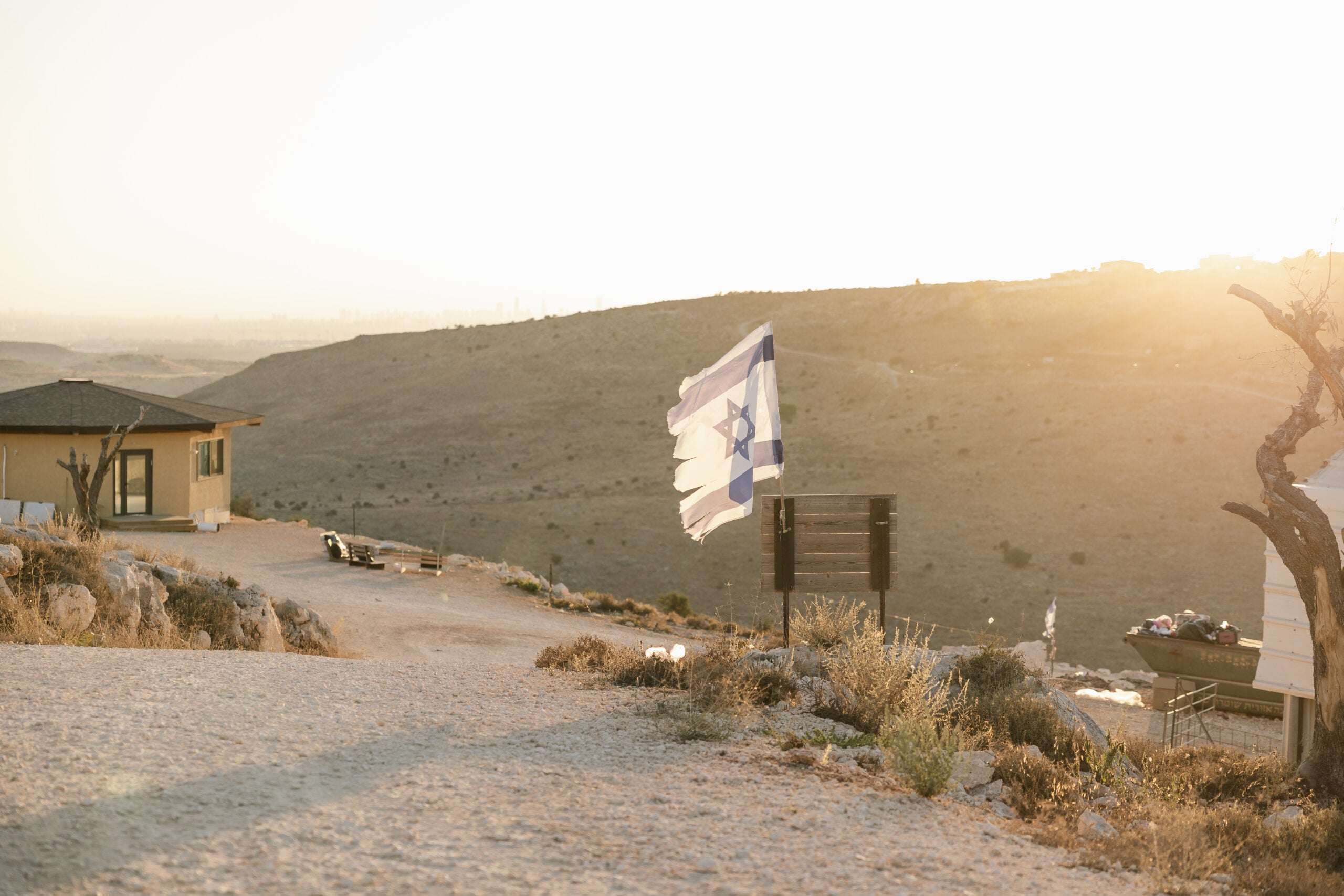
    Israeli ranch, illustration | Photo: Hillel Ben Or, Flash90

    “The only solution is to install a true sovereign, and Israel is the only candidate,” the former ambassador concluded, openly calling for the application of Israeli sovereignty over Judea and Samaria to restore law, order, and governance.

    The 60 Minutes segment, broadcast on CBS on Sunday night, was reported by veteran correspondent Lesley Stahl. The program argued that certain agricultural sheep ranches are utilized to take over land tracts and displace ‘Palestinians’ from their properties, alleging that violent incidents occur without adequate law enforcement by Israeli authorities.

    Friedman in Judea and Samaria, archive | Photo: Flash90

    The broadcast showcased Jewish sheep farmers, left-wing activists, and members of a ‘Palestinian’ family claiming they were denied access to their homes. Among those interviewed was Mordechai Munster, a founder of one of the sheep outposts, who maintained that local frictions do not diminish the Jewish people’s fundamental right to the land: “The fact that violence exists does not change the validity of our right to the land,” he stated.

    Claims Presented in the Report

    The CBS broadcast claimed that over 1,600 incidents attributed to Jewish residents have been registered since the beginning of the year, citing United Nations data, and asserted that hundreds of youths form the activist core across hilltops and ranches. The network further alleged that the Israeli government fails to act with sufficient vigor to curb the phenomenon.

    Video: From ’60 Minutes’

    During the piece, Stahl also referenced the position of the current U.S. Ambassador to Israel, Mike Huckabee, noting past remarks in which acts of vigilante violence against ‘Palestinians’ were labeled as unacceptable and their perpetrators characterized as thugs. Munster pushed back on the framing, while acknowledging that fringe youths acting aggressively must be brought under control.

    The feature aired just weeks ahead of national elections in Israel and midterm elections in the United States, with the program explicitly linking events in Judea and Samaria to broader American debates surrounding defense aid to Israel. Friedman countered that such coverage deliberately obfuscates ‘Palestinian’ terrorism while stripping Israeli residents of their legitimate right to self-defense.