


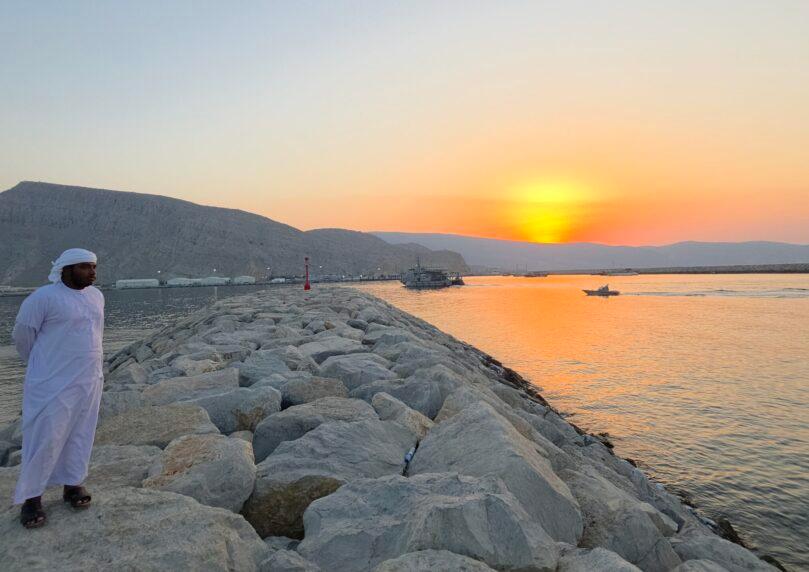

On the surface, it’s a stunning maritime paradise with calm waters and breathtaking scenery. In reality, it’s one of the world’s most explosive flashpoints. Haredi journalist Yitzhak Horowitz traveled to the Strait of Hormuz and returned with rare footage from the heart of the shipping lane through which about a fifth of the world’s oil supply passes.


 3+
At first glance, it’s hard to believe that one of the world’s most turbulent geopolitical dramas is unfolding in this pastoral setting. The waters of the Strait of Hormuz are calm, and the Mediterranean-desert seascape is spectacular. But beneath the deceptive tranquility, the strait has become in recent months a tense frontline arena between Iran and the United States. While Tehran tries to impose its authority over the strategic shipping artery, Washington fights to preserve freedom of maritime navigation, and commercial vessels repeatedly find themselves in the line of fire.
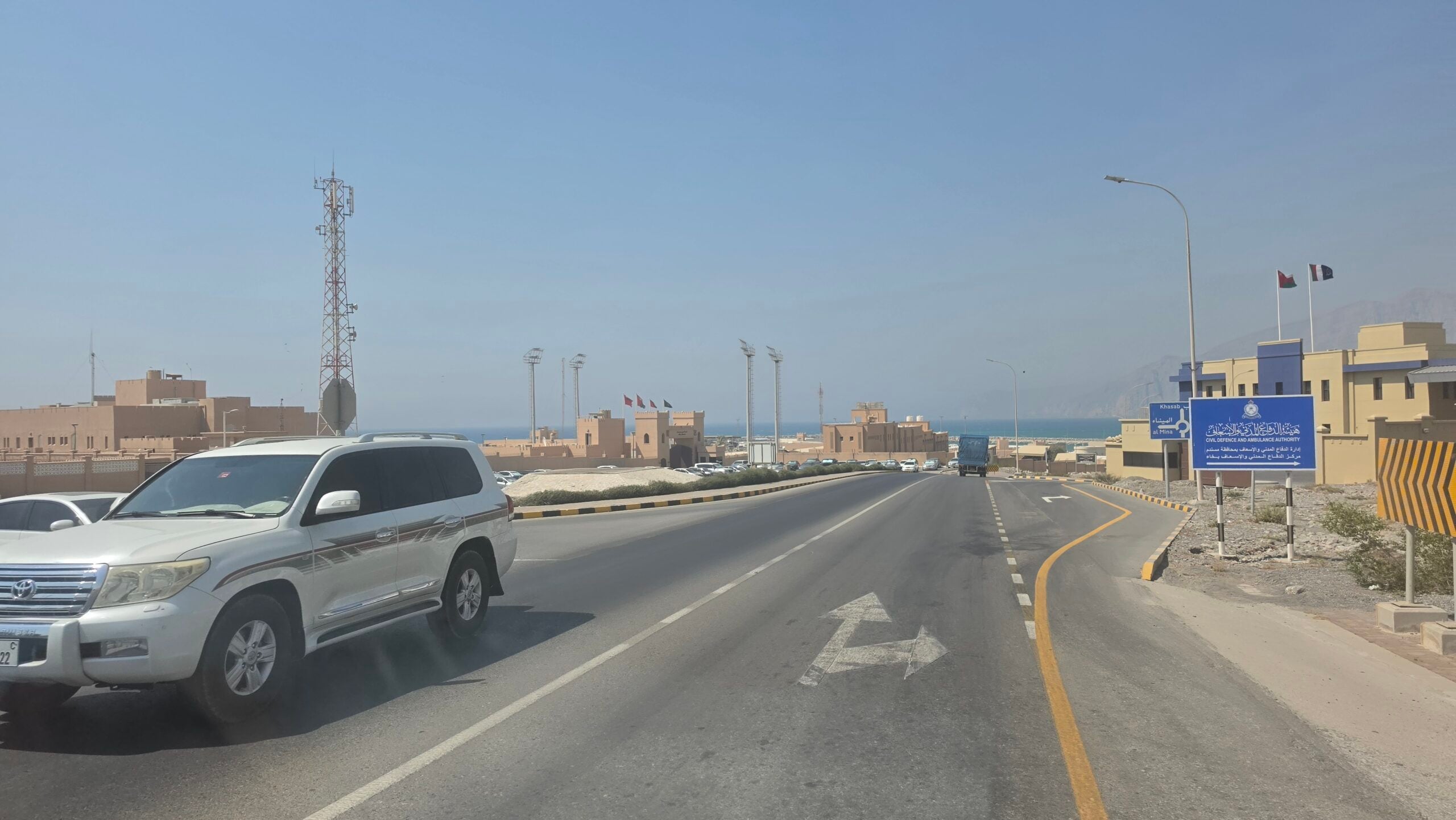
Haredi journalist Yitzhak Horowitz traveled to the area on assignment for the magazines “Bakehila” and “Ami,” and brought back exclusive impressions and photos from the heart of the action. We met with him to hear his story. “I was on the Omani side of the strait,” Horowitz recounts. “To get there you have to pass through the United Arab Emirates on a pretty long drive, and that’s how I reached an area called the Musandam Peninsula.”
 3+
“Iranian Tankers Are Hiding, Americans Are Defending”
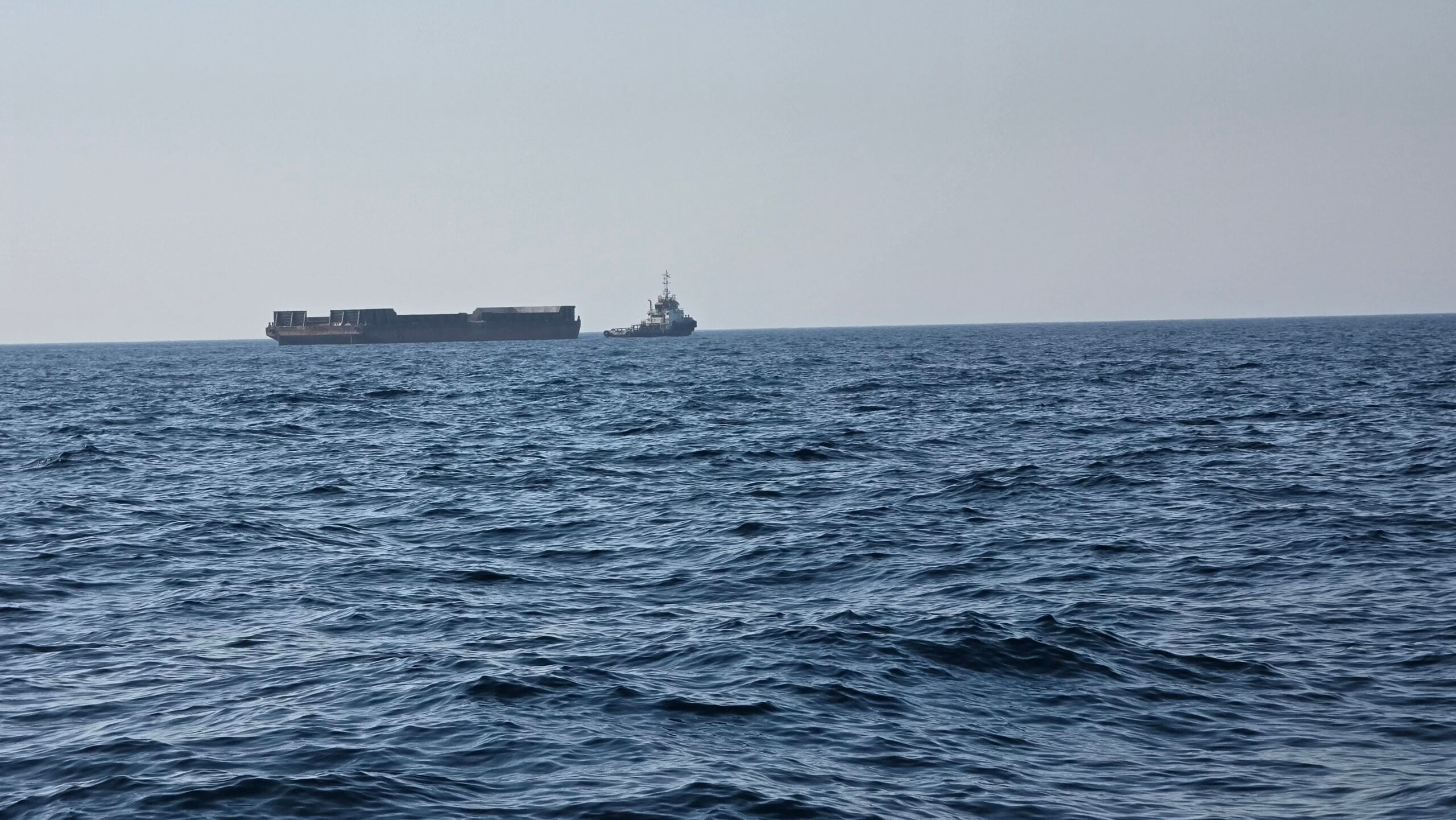
A short cruise in the heart of the gulf makes clear just how complex and tense the picture is. On one hand, Iranian vessels try to avoid direct friction, while on the other, American warships escort international commercial tankers.
“You see Iranian tankers that are actually closer to shore, hiding in bays so they won’t be attacked,” Horowitz describes the scenes from the boat. “On the other hand, you see tankers, probably from Dubai or Qatar, trying to cross but stuck in the middle of the gulf, with American ships next to them protecting them.”
 3+
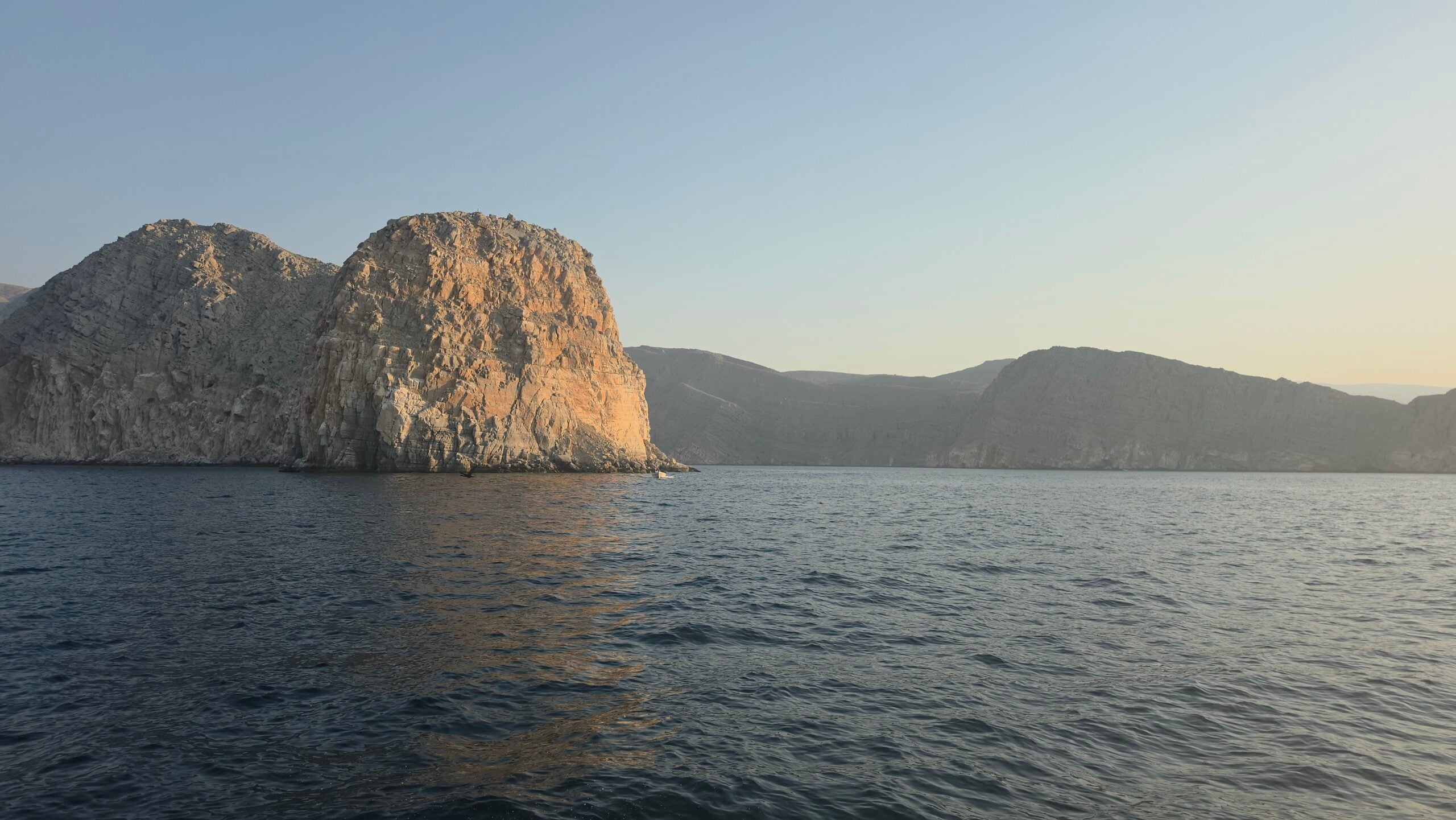
For many years this unique area served as a popular tourist site for wealthy visitors from the United Arab Emirates and Gulf principalities, drawn to the pristine landscapes. But now, the security reality has upended everything and driven away the tourists.
From Tourism to Smuggling: The Kumzari Change Tactics
The local residents who operate boats in the area belong to the small ethnic group of the Kumzari, who live on both the Omani and Iranian sides of the strait. Family ties between the communities are close, and the physical distance is especially short: crossing the strait in a speedboat takes about an hour.
In the past, the Kumzari made their living from fishing, tourism, and orderly, legal import of goods from Iran to the Arabian Peninsula. But following the security escalation and sanctions, large fishing boats now sit idle in ports, and residents have been forced to change tactics.
“There was legal import in the past,” Horowitz explains. “Today it’s all smuggling.” Family connections and geographic proximity facilitate smuggler movement, and authorities in the Sultanate of Oman struggle, and perhaps even refrain, from stopping the phenomenon entirely.
 3+
A Sheep Boat Versus a Missile Ship
According to Horowitz, the movement of small smuggling boats is especially alert and bustling, as they maneuver between the large international fleets. The small smugglers don’t raise much concern among the Americans, and the Omanis for their part turn a blind eye.
Horowitz describes an almost absurd encounter in the middle of the sea: “When we’re sailing there, some Omani missile ship passed by, and then, right in front of its nose, another smuggling boat passes. It’s a boat full of sheep, you can’t hide it. It’s coming from Iran and passing there freely.”
Yitzhak Horowitz’s rare glimpse into the Strait of Hormuz revealed that behind the great superpower confrontation between Washington and Tehran, a unique routine of survival, shadow commerce, and smuggling continues—in a place where one small mistake could ignite the entire Middle East.