


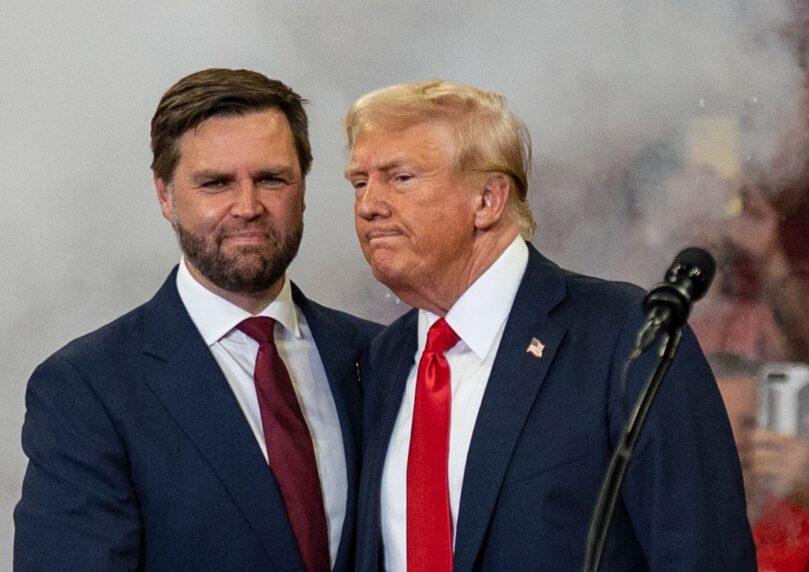

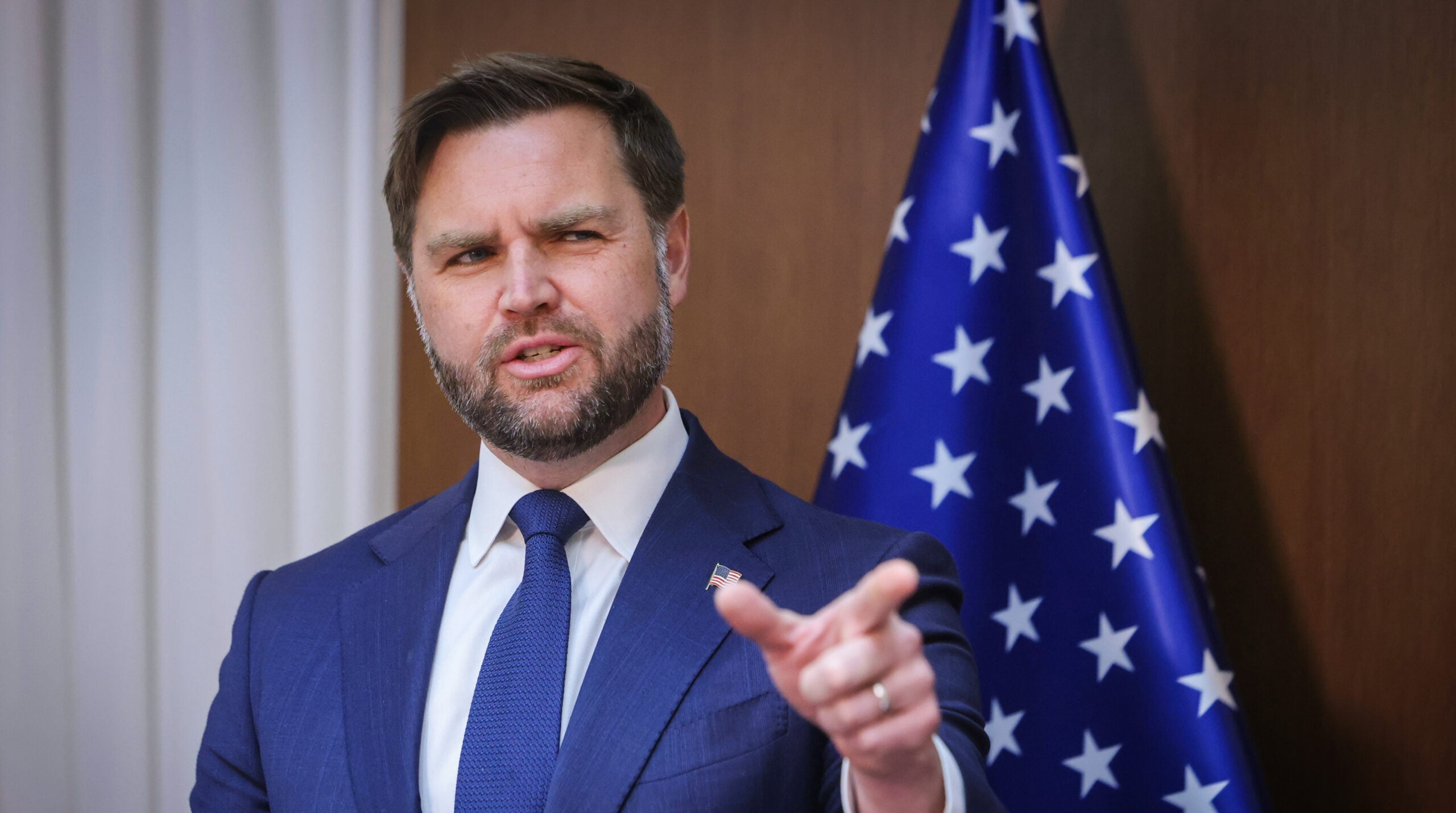
President Donald Trump is losing patience with Vice President JD Vance after Vance criticized the war with Iran and argued that voters are demanding a change in relations with Israel, the New York Times reported Wednesday.

 3+
According to the report, Trump initially seemed to accept Vance’s sharp analysis following the Republican midterm defeat, even saying the assessment was “largely correct.” But in the two weeks since, Trump’s frustration with his vice president has grown.
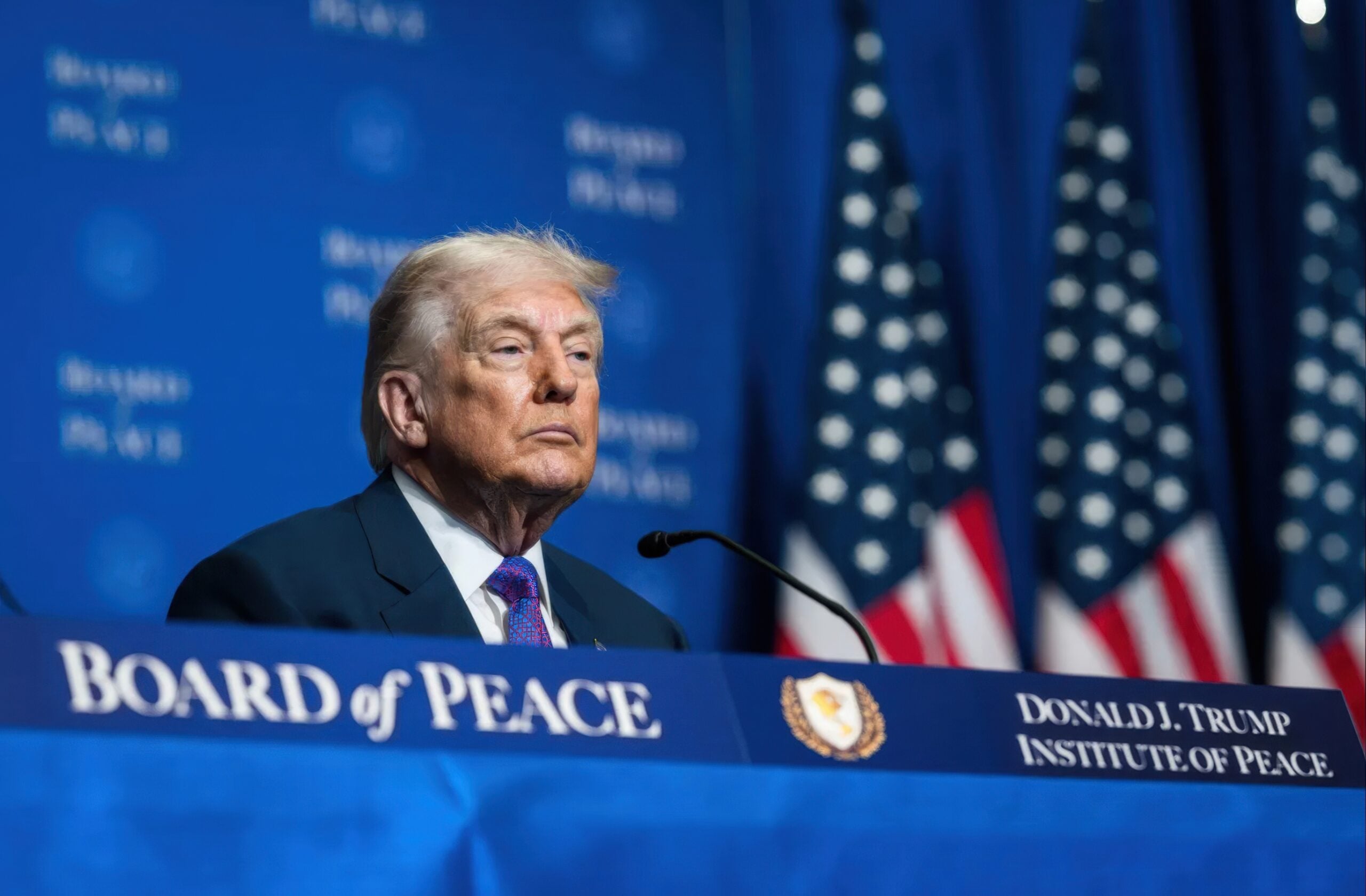
Trump has complained to aides and allies that Vance focused on the political cost of the war but failed to make clear that the president made the right decision when he ordered strikes on Iran. Meanwhile, Trump continues to praise Secretary of State Marco Rubio in private conversations, even suggesting he could be a strong presidential candidate in 2028.
 3+
“The Reason We Lost Is the War”
The clash began after Republicans’ midterm defeat, in which the party lost control of both houses of Congress. Vance published a lengthy analysis of the results, pointing the finger directly at the Trump administration’s foreign policy. “The reason we lost is the war,” Vance wrote. He added that if anyone believes losing control of the Senate for the next six years was a worthy price, they should say so openly and explain why the war was worth it.
Vance argued that voters who supported Trump in 2024 switched to the Democratic Party two years later. According to him, they did so for four reasons: the desire to end the war with Iran, focus on the cost of living and inflation, the demand to restore “America First” policies—and the desire “to change our relationship with Israel.” The reference to Israel was particularly striking. Vance didn’t just argue that the Iran war hurt Republicans because of fuel prices and economic damage—he also presented the special relationship with Israel as one of the factors that drove voters away from his party.
Trump: I’d Do It Again
Trump himself acknowledged that the Iran war carried a political cost and led to a temporary spike in fuel prices. But unlike Vice President Vance, he expressed no regret about the decision to go to war.
 3+
“I wouldn’t have done anything differently,” the president made clear. He said that even if he had known the political price in advance, he would have acted against Iran again because the regime in Tehran could not be allowed to obtain nuclear weapons.
Trump even said the war would be remembered as one of the best things the United States has done. The gap between him and Vance isn’t whether the campaign hurt Republicans at the polls. Still, how it should be presented: Vance emphasizes the political failure, while Trump demands defending the righteousness of the decision. Last week, Trump already ordered his vice president to shift his focus away from the Iran war and concentrate on fighting crime and corruption in cities and states controlled by Democrats. The directive was interpreted as an attempt to distance Vance from the issue that has become a flashpoint within the administration.
 3+
Rubio Stands with the President
The one who chose to take the opposite position from Vance is Marco Rubio. The secretary of state acknowledged that the war isn’t necessarily popular, but made clear that national security decisions can’t be determined solely by electoral considerations. According to Rubio, Trump identified a real threat and acted to prevent Iran from obtaining nuclear weapons. “Doing the right thing for the country isn’t necessarily popular—but it’s necessary,” he said. Rubio’s alignment with Trump is particularly notable against the backdrop of Vance’s criticism. While the vice president seeks to distance himself from the war and from unqualified support for Israel ahead of a possible presidential run, Rubio is defending both decisions most closely associated with the president’s foreign policy.
Trump has not yet announced whom he’ll support in the 2028 Republican presidential race. In recent months, he even told donors that Vance should be chosen. However, since the party’s defeat, he has avoided committing to supporting him and increasingly praises Rubio. According to Reuters, the president routinely asks visitors to the Oval Office whom they prefer as the party’s next nominee: “JD or Marco?” His associates stress that he hasn’t chosen a successor yet, but the praise for Rubio and growing anger at Vance make the question more relevant than ever.
The battle over the Republican legacy thus takes on direct significance for Israel. On one side stands Vance, who wants to change relations with Jerusalem and distance himself from the war with Iran. Opposite him stands Rubio, who defends the campaign and the need to contain the Iranian threat—and is now receiving growing praise from the president.