


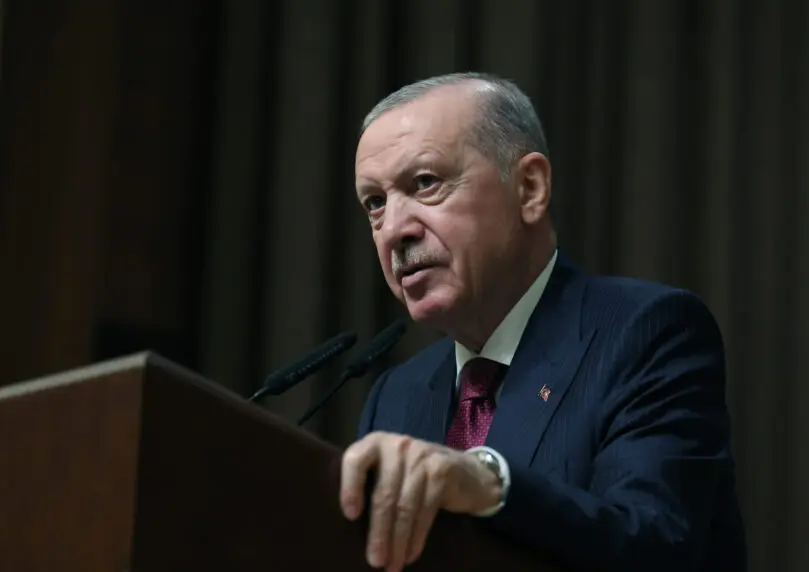

Turkey’s Defense Ministry revealed Thursday the details of a mutual defense agreement signed last week with Qatar. The ministry said the security cooperation is based on Article 51 of the UN Charter and includes mutual assistance in case of external aggression against either party.
تركيا وقطر توقعان اتفاقية الدفاع المشترك بين البلدين، وتتبادلان عدداً من الاتفاقيات الاستراتيجية في مجالات السلام وتسوية النزاعات، والتعليم؛ ما يعكس المستوى الرفيع من التنسيق والتكامل بين الدوحة وأنقرة، ويجسد متانة العلاقات الأخوية الراسخة التي تجمع القيادتين والشعبين الشقيقين، نحو مزيد من الاستقرار والتعاون المشترك.
— Yasin Aktay 🇹🇷 (@yaktay) November 13, 2026
Qatar now joins its neighbor Saudi Arabia, which also signed a defense pact with Erdoğan’s government—an agreement that hasn’t worked well so far. Saudi Arabia has been in an escalating conflict with the Houthi terror organization in Yemen since September. The kingdom faces daily attacks by the terror group, and several Saudi civilians have been killed in the strikes. Yet Turkey hasn’t rushed to help the country it signed a defense agreement with just a month earlier.
Turkey’s Defense Ministry said the mutual defense agreement with Qatar is designed to protect the sovereignty and territorial integrity of both nations, similar to the pact signed with Saudi Arabia. But Turkey has done nothing to counter the violations of Saudi sovereignty by the Shiite terror group. Ankara did submit the agreement to parliament for approval. Still, in an interview with Arab media, a Turkish military expert said that even once the agreement is ratified, Turkey isn’t expected to participate physically in any war—only to provide support by sending weapons and training soldiers.
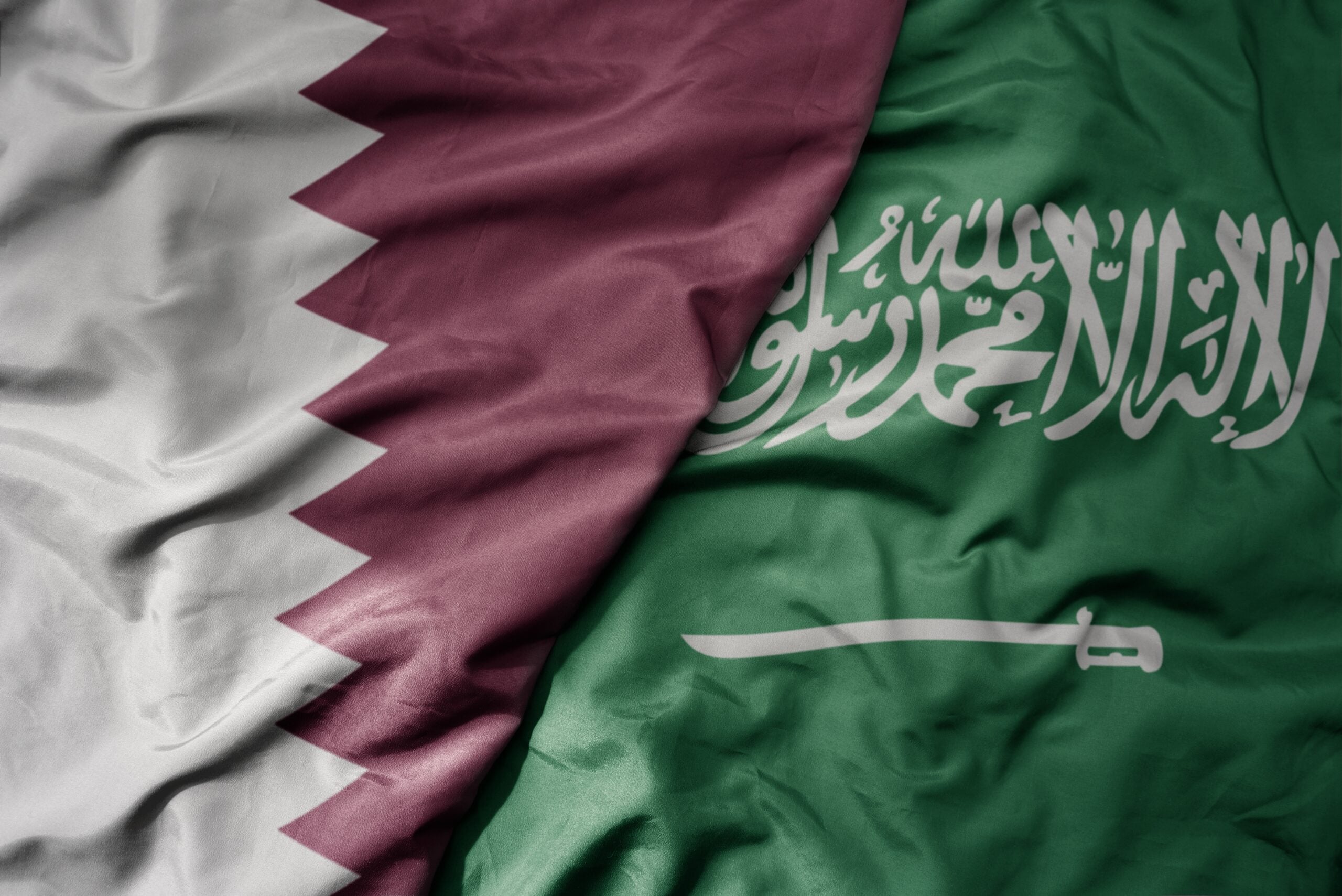

In effect, Turkey may have learned from its mistake with the Saudi agreement and has already made clear to Qatar that “the agreement does not automatically obligate the direct deployment of forces in case of any attack.” The ministry added: “As of now, there is no binding decision regarding the allocation of personnel, military forces, or financial resources under the agreement, and the Supreme Strategic Council will determine the costs and expenses of possible joint activities.”
From Erdoğan’s perspective, you could say he won the whole pot. While the Turkish currency continues to crash, the strongman in Ankara signed another deal with a very wealthy Gulf state that should help him economically, as has happened before. As for Qatar, it will keep hoping that next time Iran or anyone else attacks it—there will be someone to defend it.