


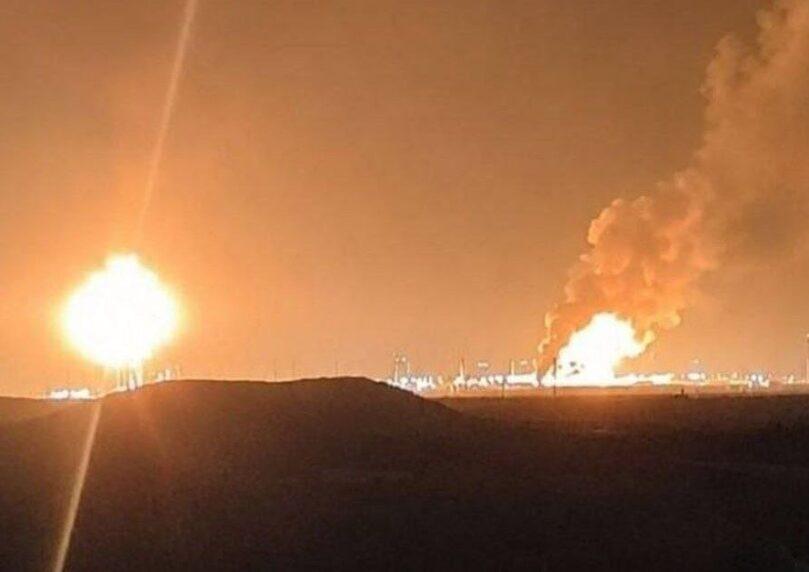

Iran struck American drone and missile facilities at Ali Al Salem Air Base in Kuwait overnight on Tuesday. Moments before the attack, Kuwaiti officials reported that air defense systems were engaging hostile drone strikes. The assault came after a U.S. strike on a missile launch site on Qeshm Island in the Strait of Hormuz, carried out in response to Iranian attacks on American forces and assets in the region.


 1+
In response to the attack, Kuwait announced it reserves the right to take all necessary measures to defend its sovereignty, territory, and vital facilities against any aggression or threat. Iranian military commander Amir Khatami issued another warning to the United States: “If the enemy repeats its mistake, we have the readiness and plans to confront it and its supporters in a stronger and more crushing manner, without geographic limitations.”
Earlier this week, Bahrain announced it intercepted Iranian air attacks on Tuesday—the third time this week—and accused Tehran of a “systematic hostile approach” toward the kingdom, which hosts the U.S. Fifth Fleet headquarters. The attacks underscore the sharp rise in Gulf tensions and the risk of the war expanding.
 1+
The war has also spread to Yemen, from which the Houthis attacked energy facilities and airports in Saudi Arabia. A Saudi-led coalition announced it intercepted a cruise missile launched by the Houthis toward Riyadh, and the United Arab Emirates reported an attack on one of its ships in the Strait of Hormuz.
Qatar and Iran met Tuesday for talks aimed at “bridging the gaps in positions and narrowing the differences between the proposals presented on the ground,” according to a Qatari government spokesman. However, the ongoing attacks indicate the difficulty of reaching an agreement and halting the escalation.