



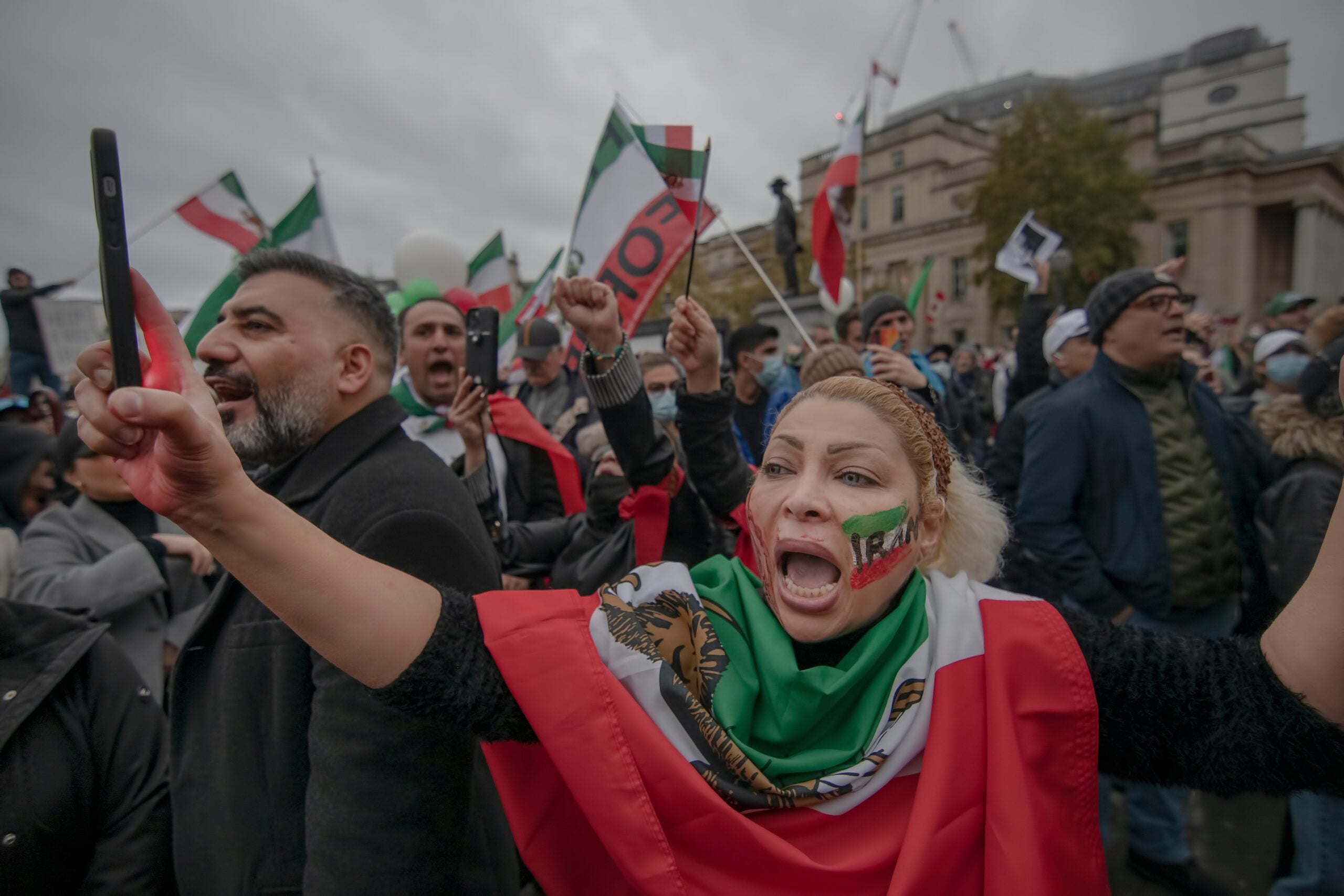
Local protests have taken place across Iran in recent days, with retirees, workers, students, and business owners demonstrating in response to an intensifying economic crisis, fuel shortages, and the non-payment of salaries and pensions. According to reports in Arab media, senior regime officials have expressed concern that these could escalate into broader unrest.
🚨Protests have erupted in Abadan, Iran. Hopefully this spreads across the country. https://t.co/9UwcnVwWS7
— Aussie Persian 🇦🇺🇮🇷 – אוסי פרסי آسی پرسی (@Aussie_Persian) November 17, 2026
The reports indicate that on Monday, retirees from the Iranian telecommunications company held demonstrations in several locations, including Tehran, Kermanshah, Hamedan, Ilam, Borujerd, and the Kurdistan region. The protesters voiced grievances regarding the denial of their entitlements, discrimination in pension payments, and the management of their retirement funds.
Some protesters directed accusations specifically at institutions affiliated with the Islamic Revolutionary Guard Corps (IRGC), alleging that they had seized funds owed to the retirees. In the city of Borujerd, demonstrators accused the IRGC of taking control of the telecommunications company’s assets, thereby infringing upon their rights.
آبدانان غیور با شعار :
این آخرین نبرده پهلوی برمیگردهشروع کردن 🔥🔥
امیدوارم زودتر ج.نگ هم شروع بشه همزمان با شروع اعتراضات 🔥🔥
اینترنت آبدانان مختل شده ، صداشون باشیم
از حالا تا پایان عمر این حکومت، هر جا که ایرانیان کنار هم جمع شوند، همینها را میشنوید.
خیابان مال مردم است.
پس میگیریم. همهچیز را ، ایرانجانمان را ، هویتمان را ، کشور اهوراییمان را#جاويدشاه
— 👑 🇮🇷Pary 4 🇮🇷👑 (@tyzb310694) November 17, 2026
Concurrently, protests were reported involving shop owners in the city of Sanandaj; students in Yazd, who demonstrated over the quality of food provided at their educational institutions; and citizens in the city of Nishapur, who protested against the handling of a government housing program. In the city of Ilam, municipal workers also staged protests, following a delay of nearly two months in the payment of their salaries and a failure to transfer funds for insurance coverage.
Concern at the Top of the Regime: Gas Shortage Could Ignite the Streets
Meanwhile, two senior Iranian officials—including a security official—told Reuters that the country’s leadership is growing increasingly concerned about the domestic situation and the potential for an outbreak of public protest, amid an intensifying economic crisis and energy shortages.
Iran is expected to face an exceptionally severe gas shortage this coming winter, following damage inflicted on processing facilities during American strikes. An Iranian government spokesperson announced that the shortfall is projected to reach 430 million cubic meters, compared to 300 million last year.
An Iranian security official told Reuters that the country’s intelligence services are on high alert, closely monitoring for signs of public dissent. According to the official, the Iranian security establishment also fears that the United States might attempt to incite street protests.
Another senior Iranian official warned that living conditions in the country are steadily deteriorating and that the public’s capacity to cope with these hardships is eroding. He described the public discontent as a fire continuing to smolder beneath the ashes. Reuters noted that since the outbreak of the war on February 28, no significant anti-regime protests have been recorded in Iran. However, the regime’s leadership fears that economic hardships and energy shortages could exacerbate tensions that have persisted since the suppression of the protests last winter.
Fuel Crisis Sparks Outrage: An Unusual Warning in Parliament
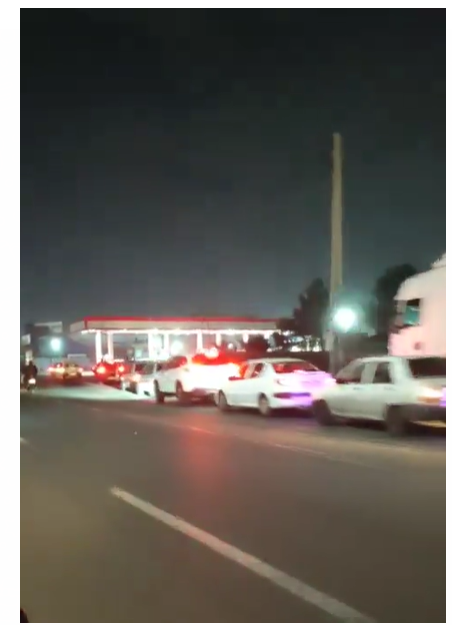
In addition to the anticipated gas shortage, Iran’s gasoline crisis is fueling public frustration. Reports from various cities indicate long queues at gas stations, with drivers forced to wait for hours to refuel their vehicles.
According to reports in Arab media, footage captured by citizens shows heavy congestion at gas stations in Mamasani, Iranshahr, Fasa, and Dehloran. Meanwhile, protests were reported near gas stations in Bandar Abbas and Kazerun in recent days.
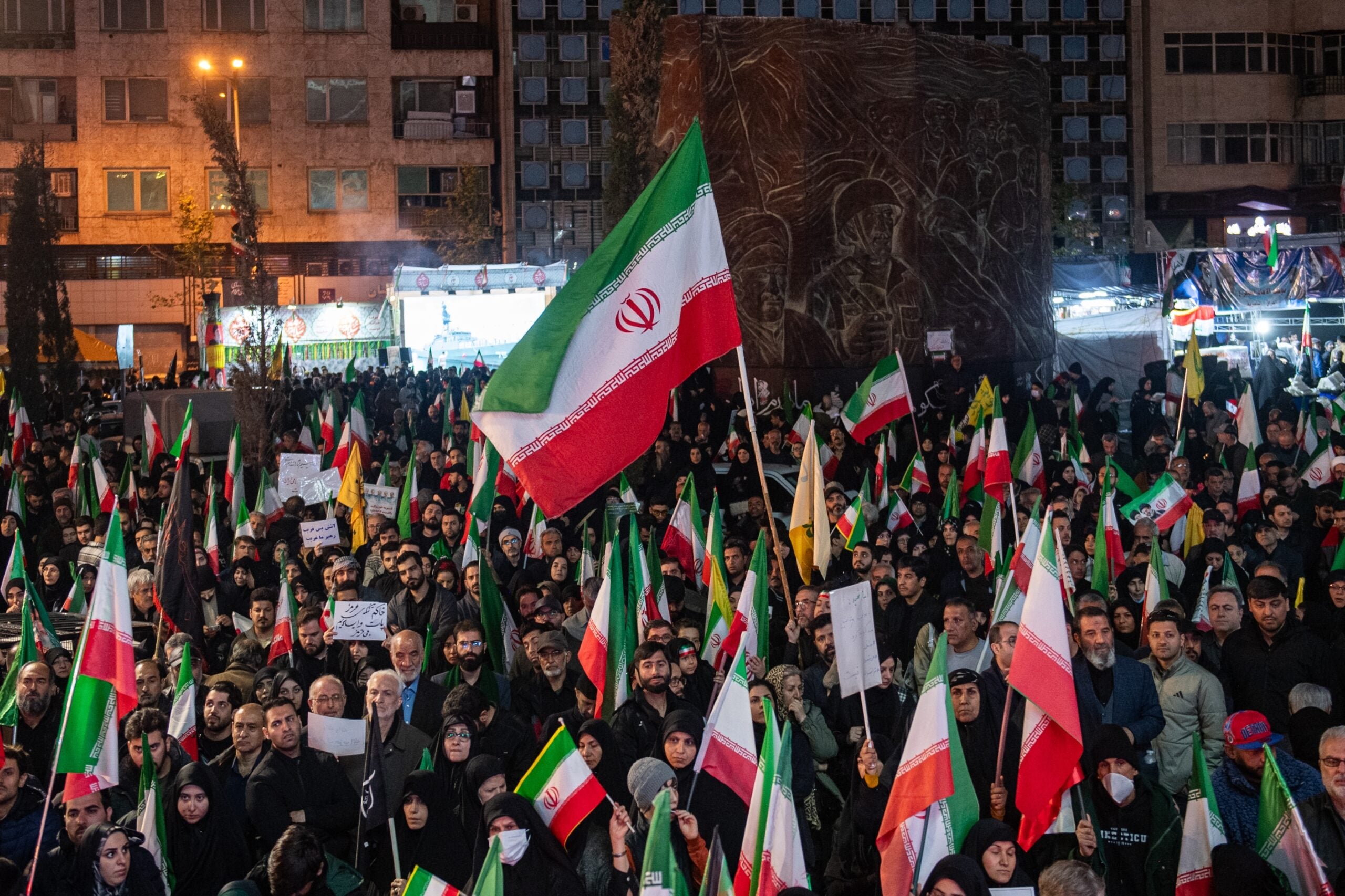
Concerns regarding the potential for widespread unrest have reached the Iranian parliament. During a session held on Sunday, Member of Parliament Aliabadi warned against tightening fuel restrictions, stating: “Do not play around with gasoline. By God, this gasoline will set the country on fire.”
On Monday, MP Gholam-Hossein Zarei called for a suspension of the move to eliminate emergency fuel cards, warning of potential social repercussions. Meanwhile, conflicting data published in Iran have raised questions regarding the extent of the fuel shortage. While the State Audit Court presented figures indicating that daily gasoline production stands at 131.5 million liters—compared to a consumption level of 128.5 million liters—data from the parliamentary Energy Committee pointed to a significantly lower production figure: approximately 115 million liters per day.
The Economic Crisis: Families Forced to Purchase Food on Installments
The economic hardship in Iran extends beyond the energy crisis. According to a report in the Iranian business newspaper *Donya-e-Eqtesad*, many families are now compelled to purchase even food items, hygiene products, and other basic necessities on an installment basis.
Data cited in the report indicate that the inflation rate, as reported by the Central Bank, has reached 83.5%, while the volume of purchases made via installment plans has surged by 103% during 2025. The number of individuals utilizing credit services for such purchases has surpassed 10.5 million.
Concurrently, the war and strikes targeting Iranian infrastructure have further exacerbated the plight of the civilian population. According to Reuters, millions of jobs have been lost and inflation has surged, while the government struggles to address damage to energy infrastructure.
Iran is even in talks to import gas from Russia, in an effort to cope with anticipated shortages this winter. A senior Iranian official told Reuters that the measures taken thus far offer primarily temporary solutions to the crisis.
Despite reports of localized protests, there is currently no confirmation of a widespread, nationwide uprising against the regime. Nevertheless, warnings emerging from within government institutions—coupled with growing concern within the Iranian security establishment—point to fears of a renewed confrontation between the public and the authorities.
We make every effort to identify the rights holders of the photographs used. The use of works for which the rights holder is unknown or cannot be located is carried out in accordance with Section 27A of the Copyright Law. If you recognize a photograph and are its rights holder, please contact us at [email protected].