




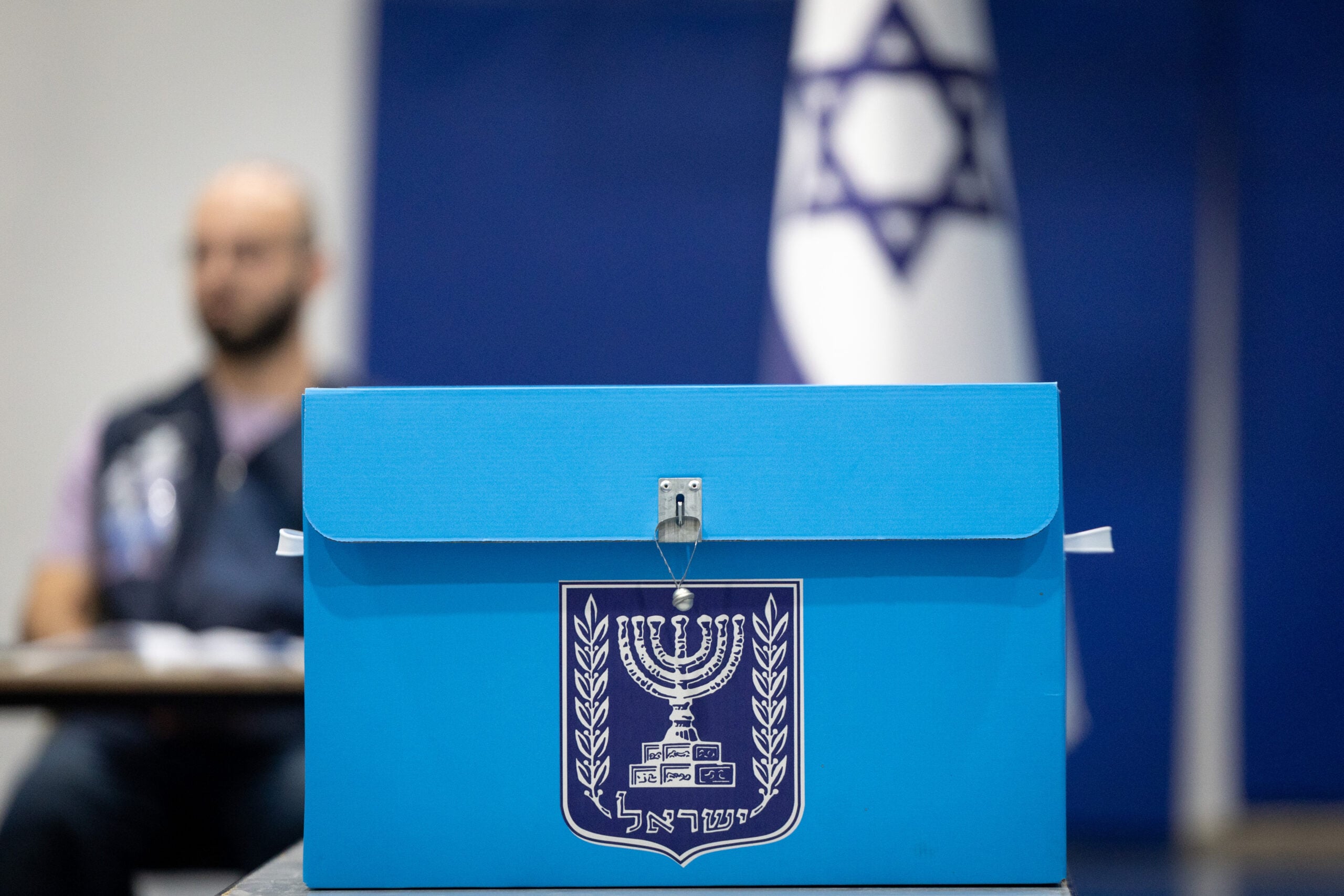
As anger grows in the nationalist camp following revelations of testimony and suspicions of serious irregularities, threats, and possible interference with election integrity, Attorney General Gali Baharav-Miara is dismissing claims of a possible impact on election results. In a speech she delivered today (Sunday) at the Justice Ministry’s annual conference in Eilat, Baharav-Miara addressed the storm surrounding the 26th Knesset elections and said she is not aware of any evidence suggesting a possible change in the results. “I am not aware of any basis that could, even remotely, affect the election results or support a claim of influence that could lead to a change in election results. If additional new information that has not yet been presented is brought before us—it will be examined and handled according to law,” she said.

“Professional and Equal Decision” Amid Ballot Box Terror Suspicions
The attorney general’s remarks come after representatives of nationalist camp factions, including Minister Yitzhak Wasserlauf (Jewish Power) and Zehut chairman Moshe Feiglin, raised serious suspicions during consultations at the President’s Residence about interference with election integrity, threats, forgery, and possible manipulation of voting results at polling stations. Among other things, claims were raised regarding incidents in the Arab sector, against the backdrop of the Joint List’s strengthening and its winning of 19 seats. Amid suspicions and calls for investigation, Baharav-Miara said it will open investigations based on evidence, regardless of who is involved or their political affiliation. “When there is an evidentiary basis—whoever needs to be investigated will be investigated. This is not a matter of right or left. This is not a matter of Jew or Arab. The decision whether to investigate a person is a professional, substantive, and equal decision. That’s how it was, and that’s how it will be.”
The attorney general added that the chairman of the Central Elections Committee is monitoring the handling of the matter: “The chairman of the Central Elections Committee is monitoring the issue professionally, with statesmanship and responsibility, with a deep understanding of the importance of election integrity and public trust in them. We will update him on developments.” However, among figures in the nationalist camp, criticism is being heard of law enforcement’s conduct, alongside a demand not to settle for declarations but to examine the suspicions raised thoroughly. According to them, the lack of an evidentiary basis at this stage cannot replace a thorough, transparent, and independent examination of all testimony and information presented.
Attack on Police Investigations Unit Bill: “Poison Pill”
In addition to the election integrity issue, the attorney general used her speech in Eilat to sharply attack the initiative to legislate the Police Investigations Unit bill, which is intended to change the department’s structure for investigating police officers and its subordination to the prosecution system. Baharav-Miara called the bill a “poison pill” and claimed it could damage the department from within: “The Police Investigations Unit bill is a poison pill that dismantles the Police Investigations Unit from within. This is a bill that enables persecution of police officers, prosecutors, and journalists.”
The attorney general’s remarks on both issues add to the ongoing confrontation between her and figures in the nationalist camp over the law enforcement system. While Baharav-Miara emphasizes that investigation decisions are made based on evidence alone, the nationalist camp is demanding a comprehensive clarification of the suspicions of interference with election integrity and criticizing her position.