


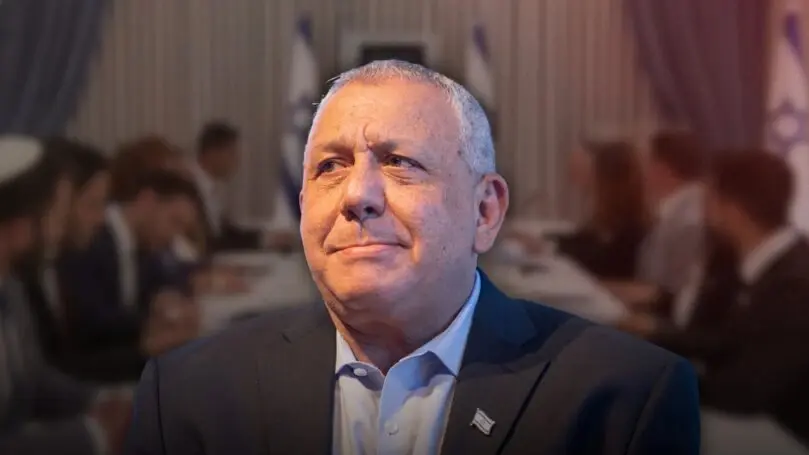

President Isaac Herzog officially notified Yashar Chairman Gadi Eisenkot on Saturday night of his decision to entrust him with the mandate to assemble the 26th Government of Israel, following the conclusion of formal consultations with elected Knesset factions.
The formal conferral ceremony is scheduled for Sunday at 17:00 at the President’s Residence in Jerusalem.
Eisenkot emerged from the consultation round with the backing of 67 Members of the Knesset, surpassing Prime Minister Benjamin Netanyahu, who received 46 recommendations.
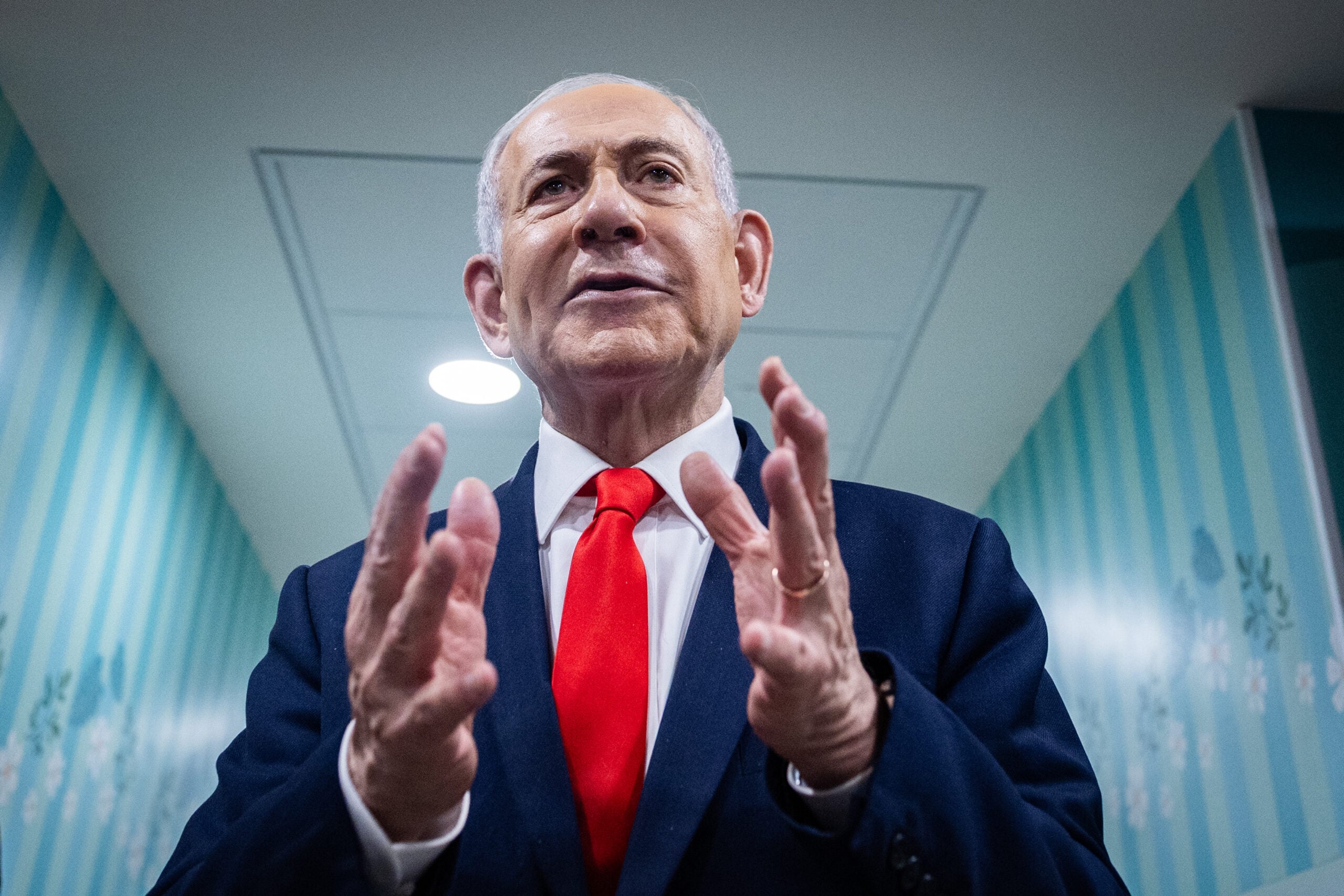
However, political analysts emphasize that this numerical advantage does not automatically translate into a stable governing coalition.
Over the coming days, the former military chief of staff must bridge sharp ideological disagreements separating the diverse factions that recommended him, determine the structure of a prospective government, and counter procedural and political challenges organized by Netanyahu’s camp.
Under Israeli basic law, Eisenkot will have an initial statutory window of 28 days to establish a government, setting an initial deadline of December 6. If negotiations require more time, the president can grant an extension of up to 14 days, allowing talks to continue until December 20.The primary obstacle facing Eisenkot is that the parties endorsing his candidacy hold conflicting political views.
One prospective framework under review is a minority administration reliant on outside support or abstentions from non-coalition factions.However, this path faces resistance from Yisrael Beiteinu Chairman Avigdor Liberman, who remains opposed to any governing structure dependent on Arab parties.
Alternatively, efforts to draw ultra-Orthodox factions into the coalition face fundamental roadblocks.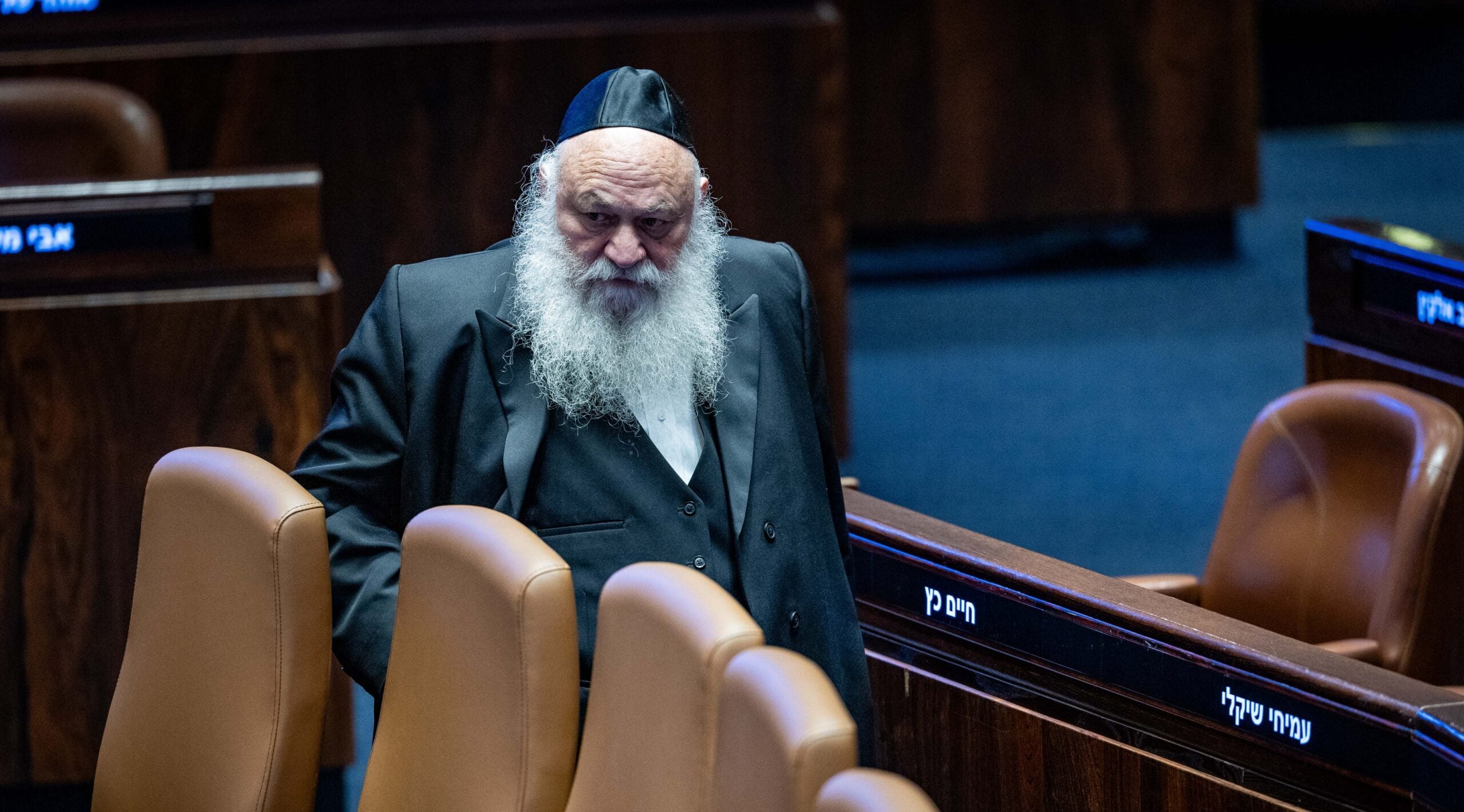
While United Torah Judaism refrained from recommending Netanyahu during consultations,
its representatives made clear that they consider themselves aligned with the traditional-national camp and are not conducting negotiations with the left-leaning bloc.
Furthermore, the dispute over military enlistment exemptions for yeshiva students, a primary point of contention with the outgoing government, remains a key obstacle to any potential dialogue with Eisenkot.
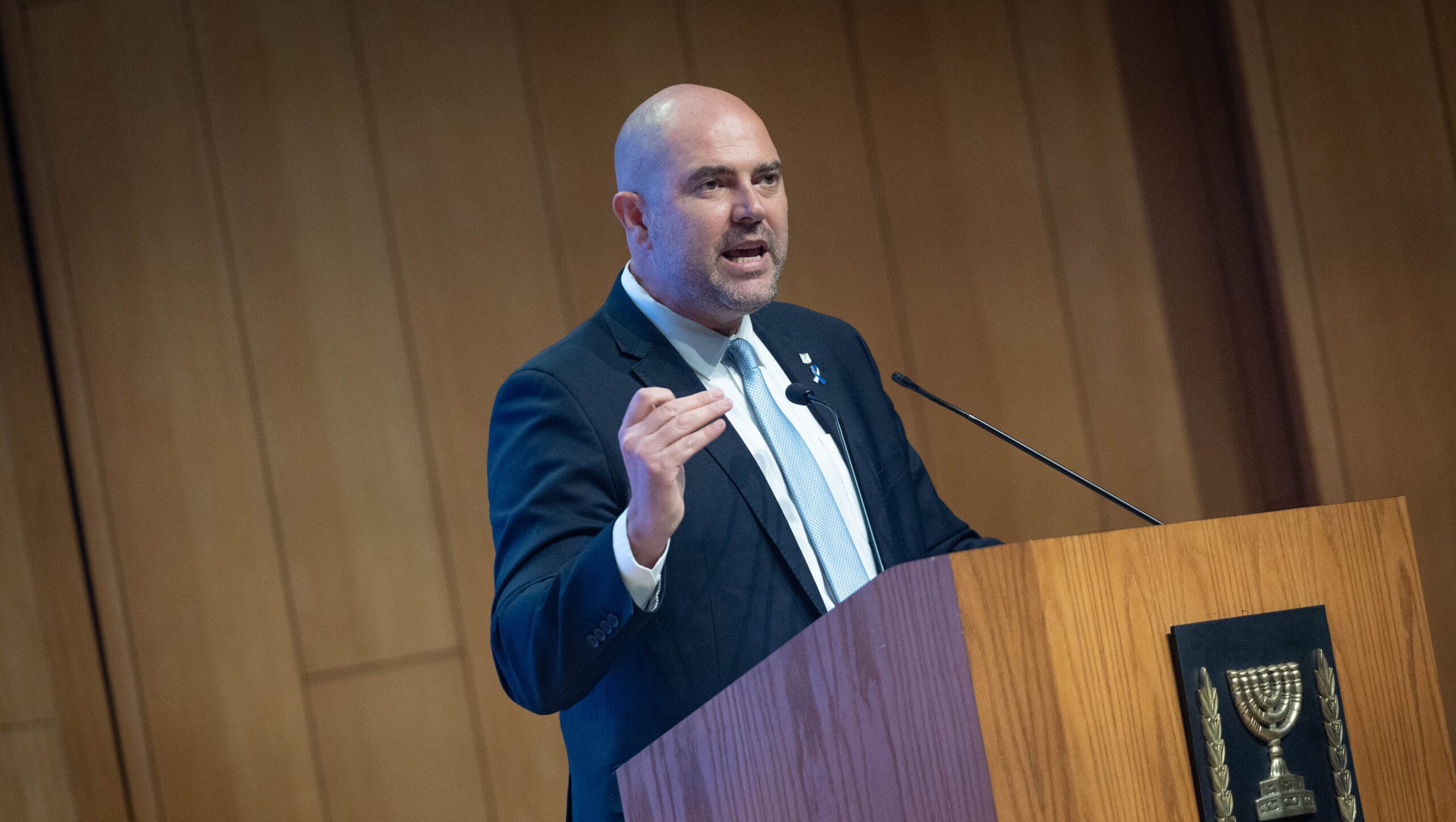
Alongside executive negotiations, a confrontation is set to unfold in the Knesset plenum. The 26th Knesset is scheduled to be sworn in on Tuesday, with opposition factions preparing an immediate effort to replace Knesset Speaker Amir Ohana during the inaugural session.
Securing the speaker’s gavel would give the anti-Netanyahu factions operational control over legislative scheduling and committee formation, providing institutional leverage while cabinet negotiations continue.

If Eisenkot fails to secure the Knesset’s confidence within the allotted timeframe, the mandate could be transferred to Netanyahu or another designated lawmaker for 28 days, subject to presidential discretion.
If that second attempt also fails, any 61 lawmakers would then have a 21-day window to agree on a single candidate before the Knesset is automatically dissolved, triggering fresh general elections.