


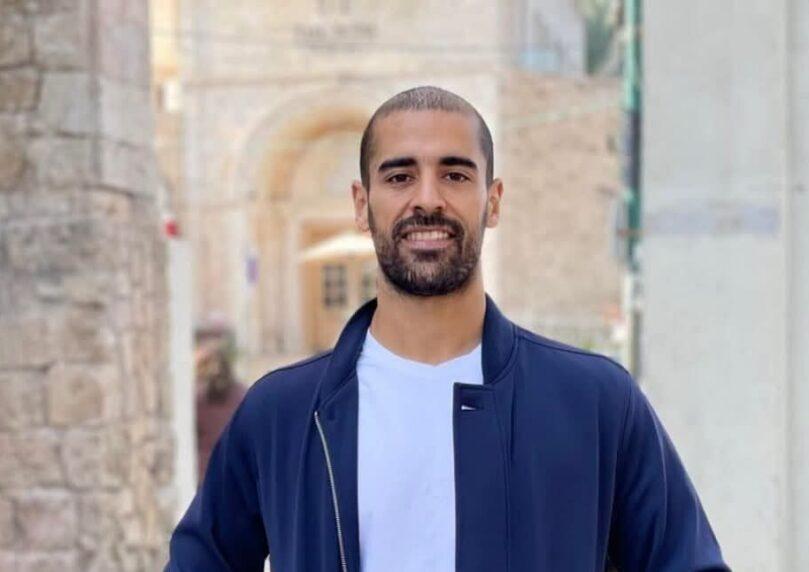

A dramatic development has emerged in the investigation into the “Ballot Jihad” affair—a case currently shaking both the political and security establishments. Abed Abu Shahada, an activist for the Balad party and head of the Muslim Administration in Jaffa, has become the first suspect arrested in the affair, facing serious allegations of maintaining contact with a foreign agent.
The primary suspicion against Abu Shahada centers on illicit ties he maintained with former Member of Knesset and Balad founder, Azmi Bishara. In the period leading up to the elections, Abu Shahada traveled to Doha, Qatar, where he conducted an interview with Bishara—an individual classified by the Shin Bet (Israel Security Agency) as a “foreign agent” with whom any form of contact is strictly prohibited. During a hearing at the Magistrate’s Court, a Shin Bet representative presented classified evidence and warned of a “grave threat to state security,” prompting the court to extend Abu Shahada’s detention.
Abu Shahada’s arrest occurs amid the “Ballot Jihad” affair, which is being investigated jointly by the Shin Bet, the Israel Police, and other intelligence agencies. At the heart of the investigation are substantial suspicions regarding the infusion of millions of shekels from foreign states and hostile actors operating from outside Israel’s borders. It is suspected that these funds were intended for organized activities—including the purchasing of votes, the incentivizing and transporting of specific voters, and the exertion of foreign influence on the voting process—with the clear objective of blatantly interfering in the democratic process and swaying the outcome of elections in Israel.
Conversely, Abu Shehadeh’s defense attorneys, as well as the chairman of the Balad party, Sami Abu Shehadeh, rejected the allegations, asserting that the activities in question constituted legitimate journalistic work. They claim that the meetings and contact with Bishara took place within a professional context—specifically, the production of a podcast and current affairs broadcasts. Associates of the suspect accused security agencies of “political persecution” and of attempting to intimidate elected officials and media figures within Arab society. The investigation into the affair is ongoing, and further developments—including additional arrests—are expected.