




Shlomo Filber is accusing Arab parties of running a sophisticated voter turnout operation on Election Day—despite restrictions imposed by Israel’s Central Elections Committee that barred right-wing parties from doing the same.


 2+
In a post on X Tuesday, Filber claimed the biggest blow to election integrity in the Knesset 26 race wasn’t vote-buying—though he said that likely happened too—but rather the systematic use of real-time voter data pulled from polling stations to mobilize supporters who hadn’t yet voted. “Elecktor—Arabs allowed, Jews forbidden, all under the auspices of the Elections Committee,” Filber wrote, referring to voter turnout software.
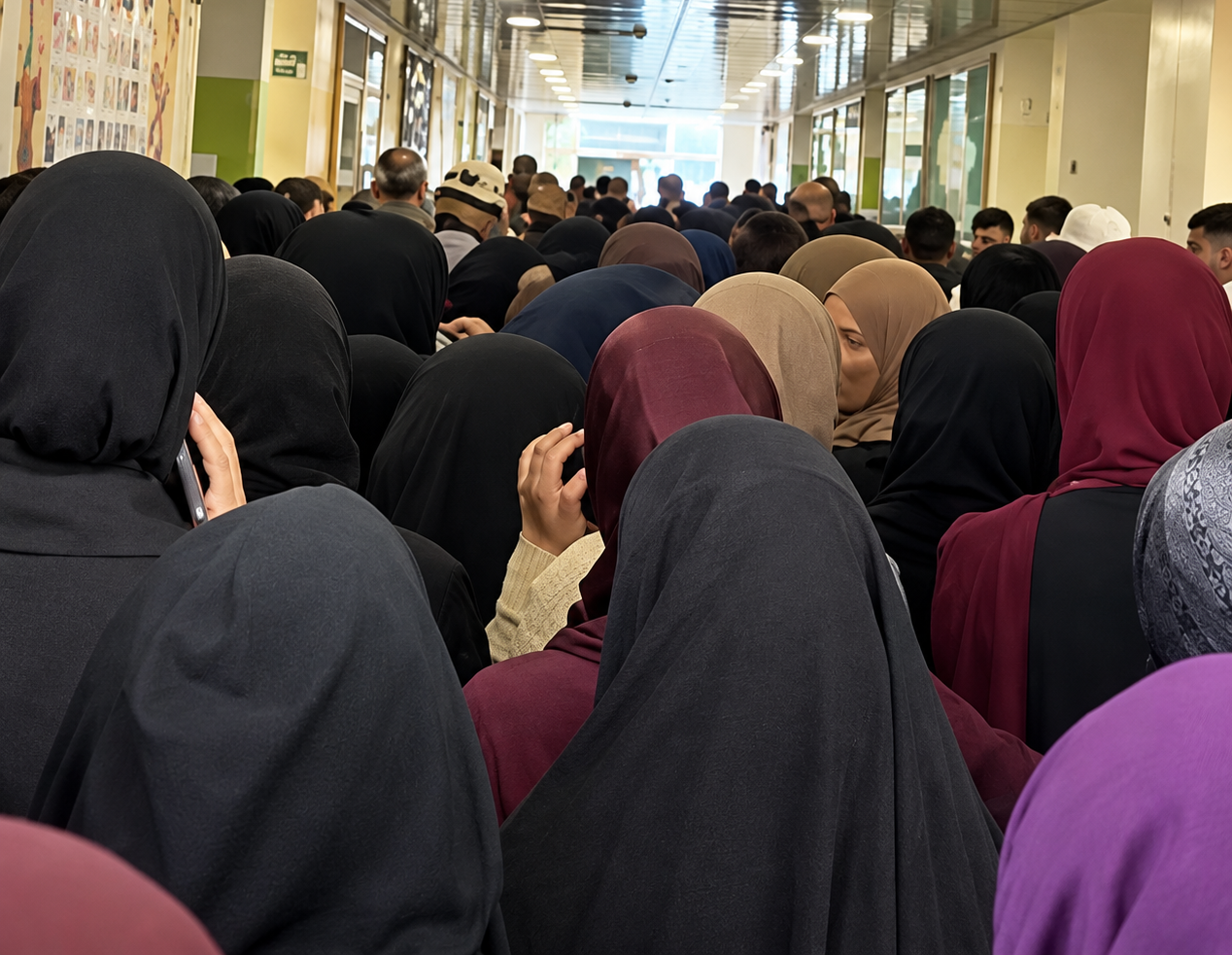
According to Filber, activists stationed inside polling stations passed names of voters who had cast ballots to operatives outside, who then used the information to identify and chase down supporters who hadn’t shown up yet. “The biggest distortion of the election and damage to election integrity happened not necessarily through bribing voters,” Filber wrote, “but in the fact that throughout Election Day, Arab party activists ran their own de facto Elecktor software.”
“They Pulled Names from Polling Stations and Mobilized Voters”
Filber said activists extracted voter names from inside polling stations and passed them to handlers outside, who then mobilized people who hadn’t yet voted. He noted that Central Elections Committee Chairman Justice Noam Solberg issued an unusual ban this year on using such software and warned parties against deploying the method.
 2+
According to Filber, voter turnout software can boost participation by 5% to 10%, depending on the sector and how organized it is. He explained that these tools work best for established parties with loyal, known voter bases. On the right, he said, Likud, Shas, United Torah Judaism, Religious Zionism, and even Otzma Yehudit hold around 50 seats combined with such bases. Opposition parties—Eisenkot’s, Bennett’s, and the Democrats—are newer and would benefit far less from the software, he argued.
“Blocked the Right from Gaining Another 3 to 5 Seats”
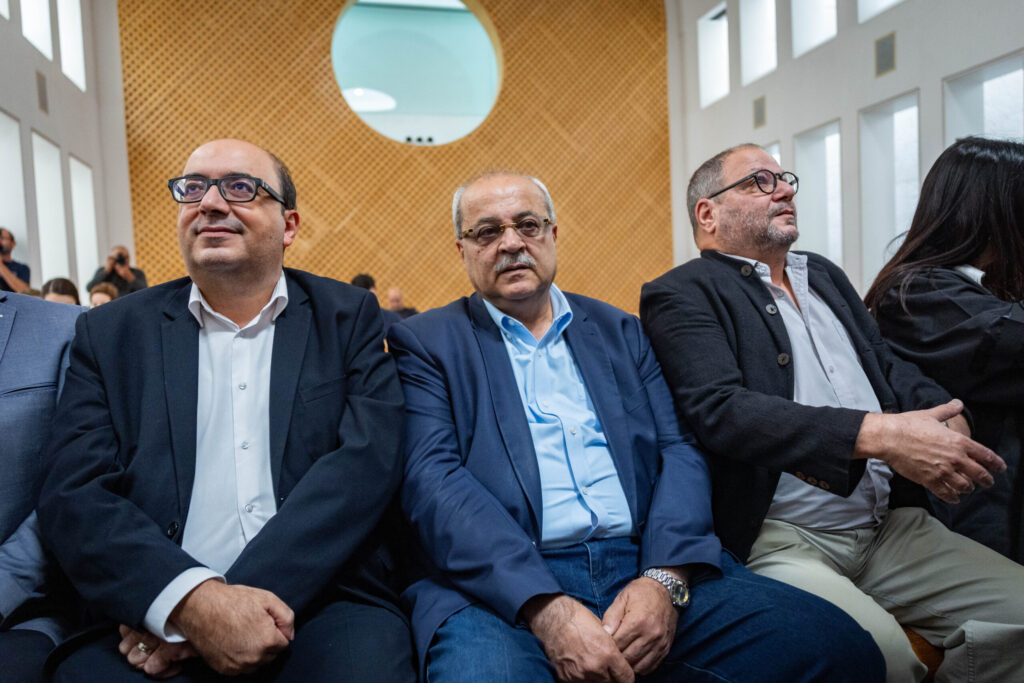
Filber claimed that by blocking right-wing parties from using the software, Solberg’s decision cost them at least 3 to 5 additional seats on Election Day. Meanwhile, he said the committee’s failure to enforce the ban against Arab parties helped them gain at least one or two extra seats.
 2+
Filber also pointed a finger at the Central Elections Committee itself, which he said failed to properly investigate or enforce restrictions on extracting information from polling stations. “By ignoring the blatant, widespread, and institutionalized violation by the Arab parties of his directive, which helped increase their power by at least one or two seats, and by failing to investigate and enforce the issue of operating tools for reporting and mobilizing voters from inside Arab polling stations,” Filber wrote, “committee officials are complicit in damaging the equality and legality of the election results.”