


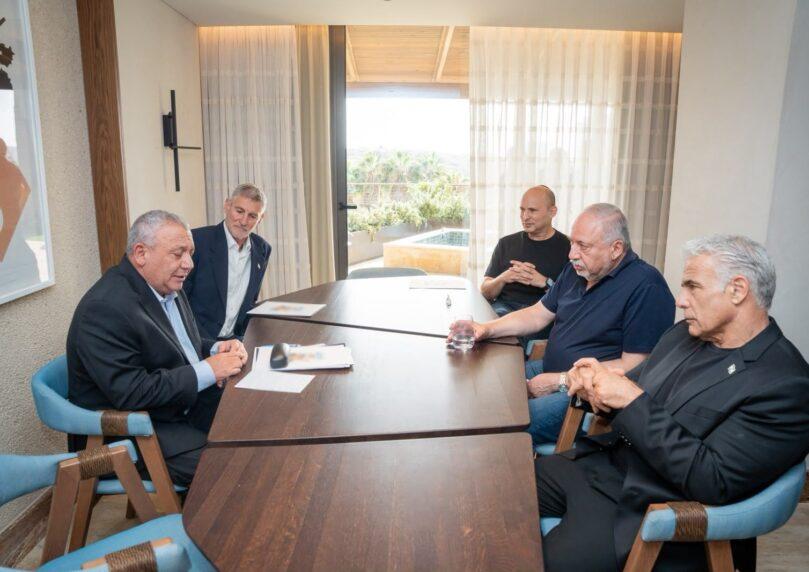

The leaders of five opposition parties announced on Tuesday, following their first joint summit since the election for the 26th Knesset, that they will act immediately to replace the Netanyahu government and establish an alternative coalition led by Yashar! Chairman Gadi Eisenkot.
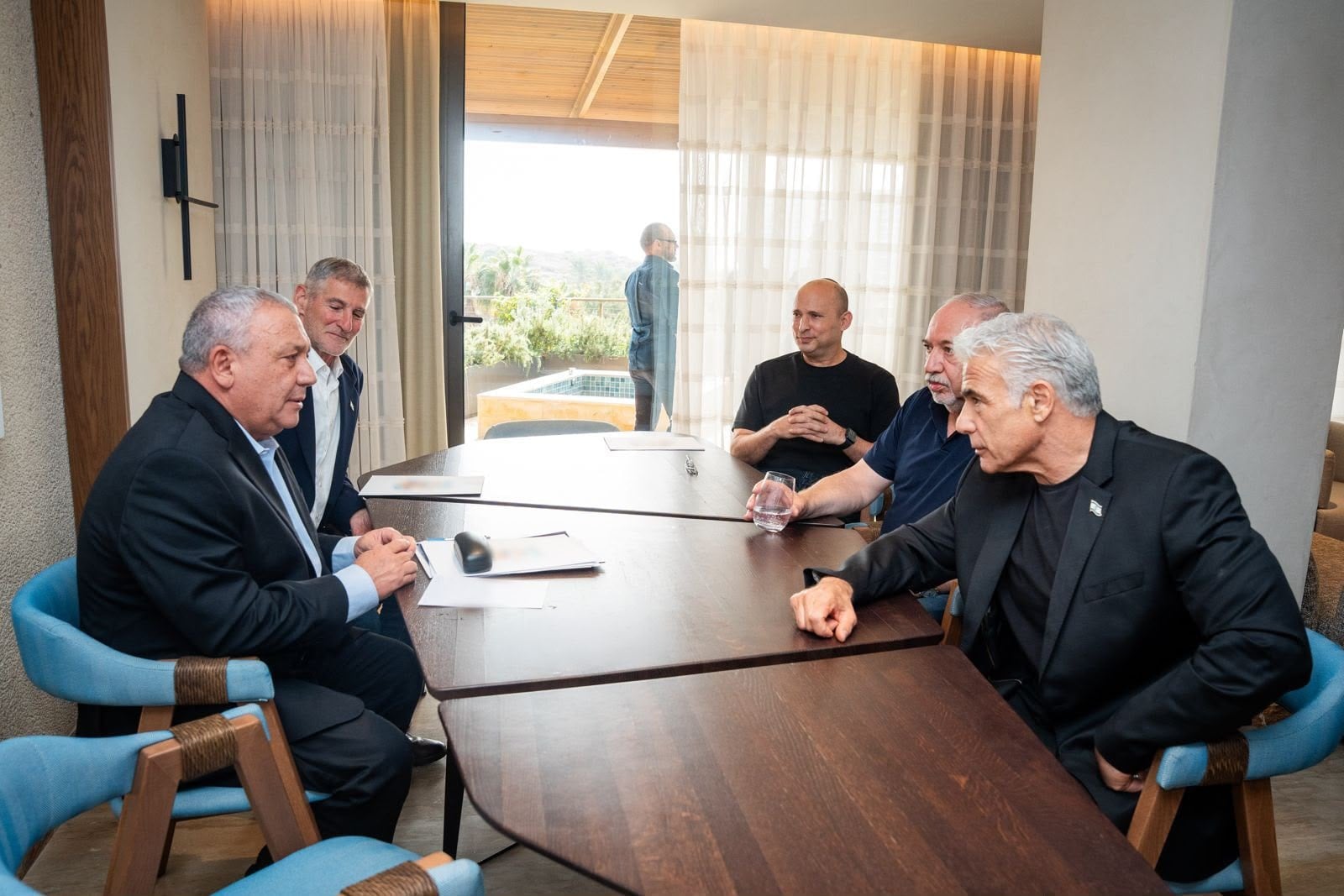
The high-level meeting, held at the Dan Accadia Hotel in Herzliya, brought together Eisenkot, B’Yachad Chairman Naftali Bennett, Yisrael Beytenu Chairman Avigdor Liberman, Yesh Atid Chairman Yair Lapid, and The Democrats Chairman Yair Golan. After the session, the party heads released a joint statement saying their factions are fully coordinated and will formally recommend to President Isaac Herzog that the mandate to form the next government is granted to Eisenkot.
The leaders pledged to advance a common legislative agenda during the initial days of the 26th Knesset,
including deploying immediate parliamentary maneuvers upon the official swearing-in on November 10.
Negotiating teams from the five factions are slated to begin drafting joint coalition guidelines and governance principles immediately.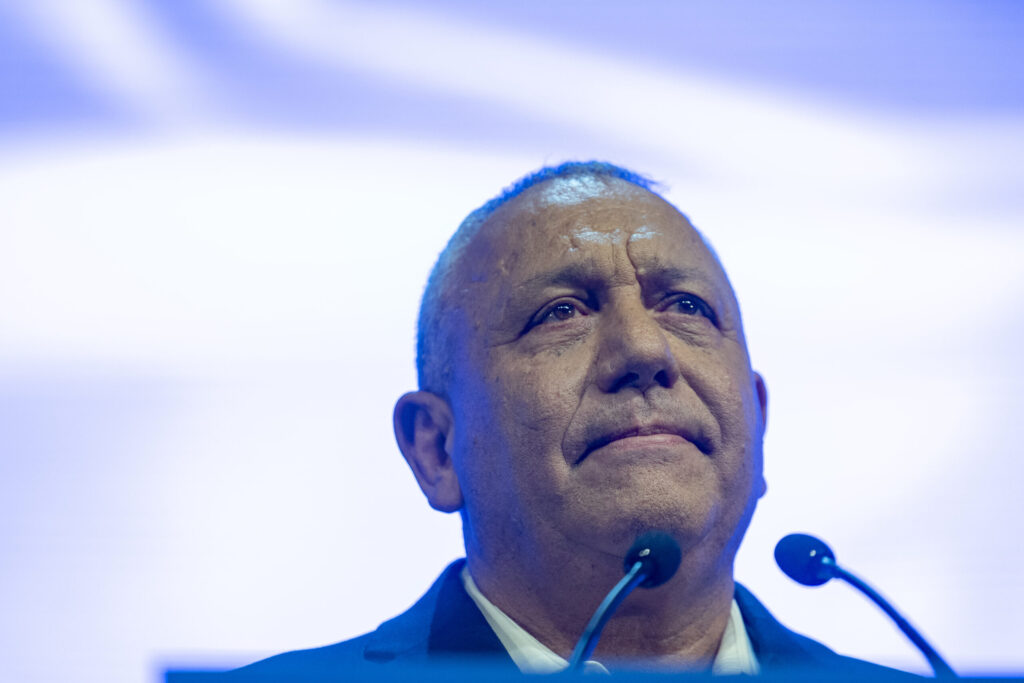

However,
beneath the public display of unity lies a severe numerical deficit that casts deep doubt over Eisenkot’s practical ability to form a government.
Combined,the five endorsing factions control a total of only 48 mandates—leaving them 13 seats short of the necessary 61-seat parliamentary majority.
The path to closing that gap is constrained by strict preconditions laid out by key partners.Yisrael Beytenu leader Avigdor Liberman announced that he would back Eisenkot and support appointing Lapid as Knesset Speaker to displace the Likud’s Amir Ohana.
Yet Liberman set hard red lines: he categorically ruled out serving in or supporting any minority government that relies on the votes or abstentions of Arab parties (Ra’am and Hadash-Ta’al), while also
refusing any power-sharing or rotation agreement under Benjamin Netanyahu.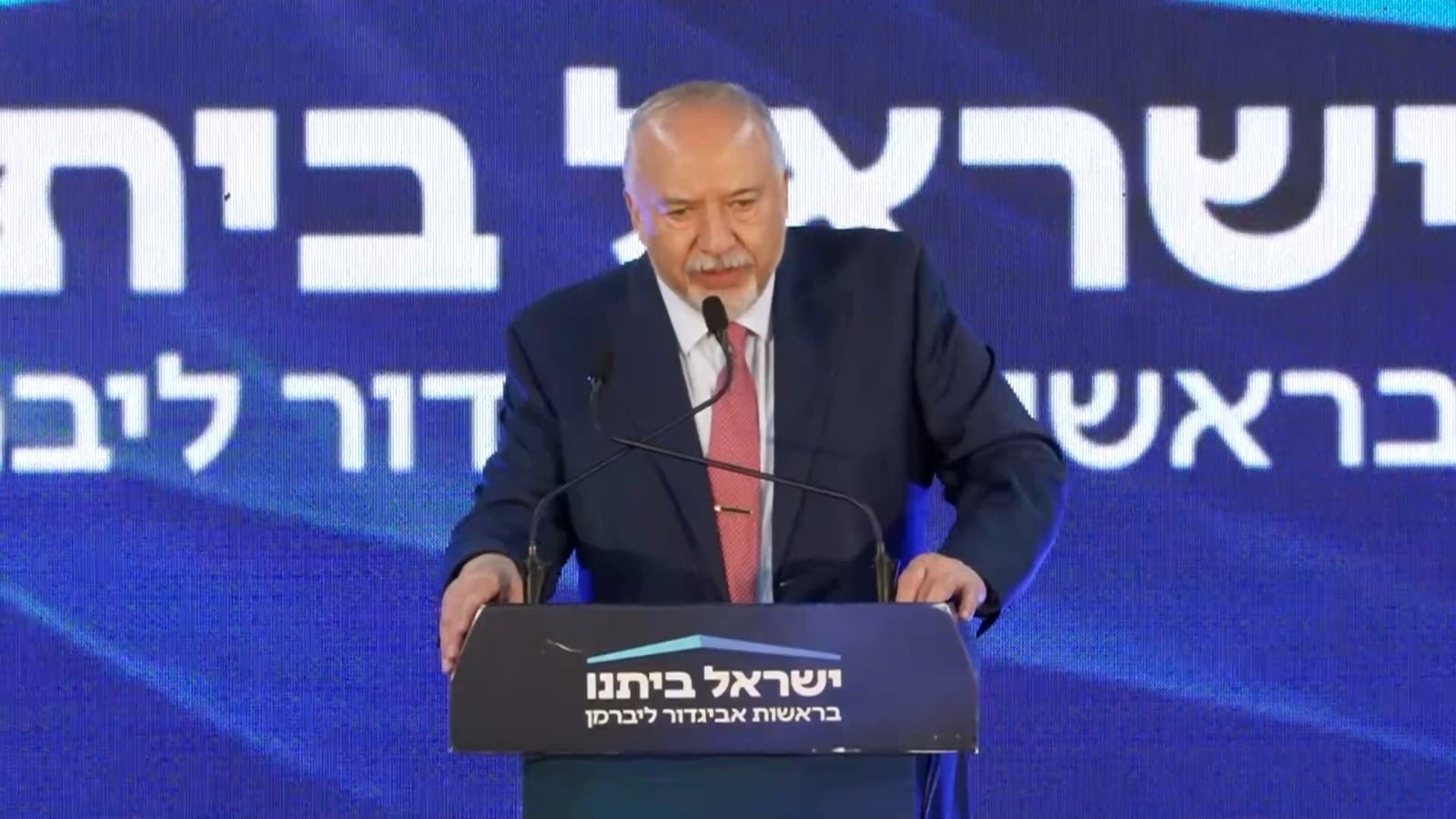
With Liberman blocking reliance on Arab lists,
political sources confirmed on Tuesday that Eisenkot’s team is actively exploring backchannel talks with the ultra-Orthodox factions,
Shas and United Torah Judaism.Yet assembling an alliance linking Liberman, Lapid, and Haredi leadership faces structural impasses—most acutely over the Haredi military conscription law, an issue on
which Liberman and Lapid ran explicit, uncompromising campaign pledges.During Tuesday’s meeting,
the opposition heads also pushed back aggressively against Prime Minister Netanyahu and Likud officials who have questioned the finality of election outcomes amid ongoing inquiries into polling irregularities and external interference.
The opposition statement accused Likud of waging a “dangerous and unhinged delegitimization campaign” against the Central Elections Committee,
saying the public voted decisively for political change.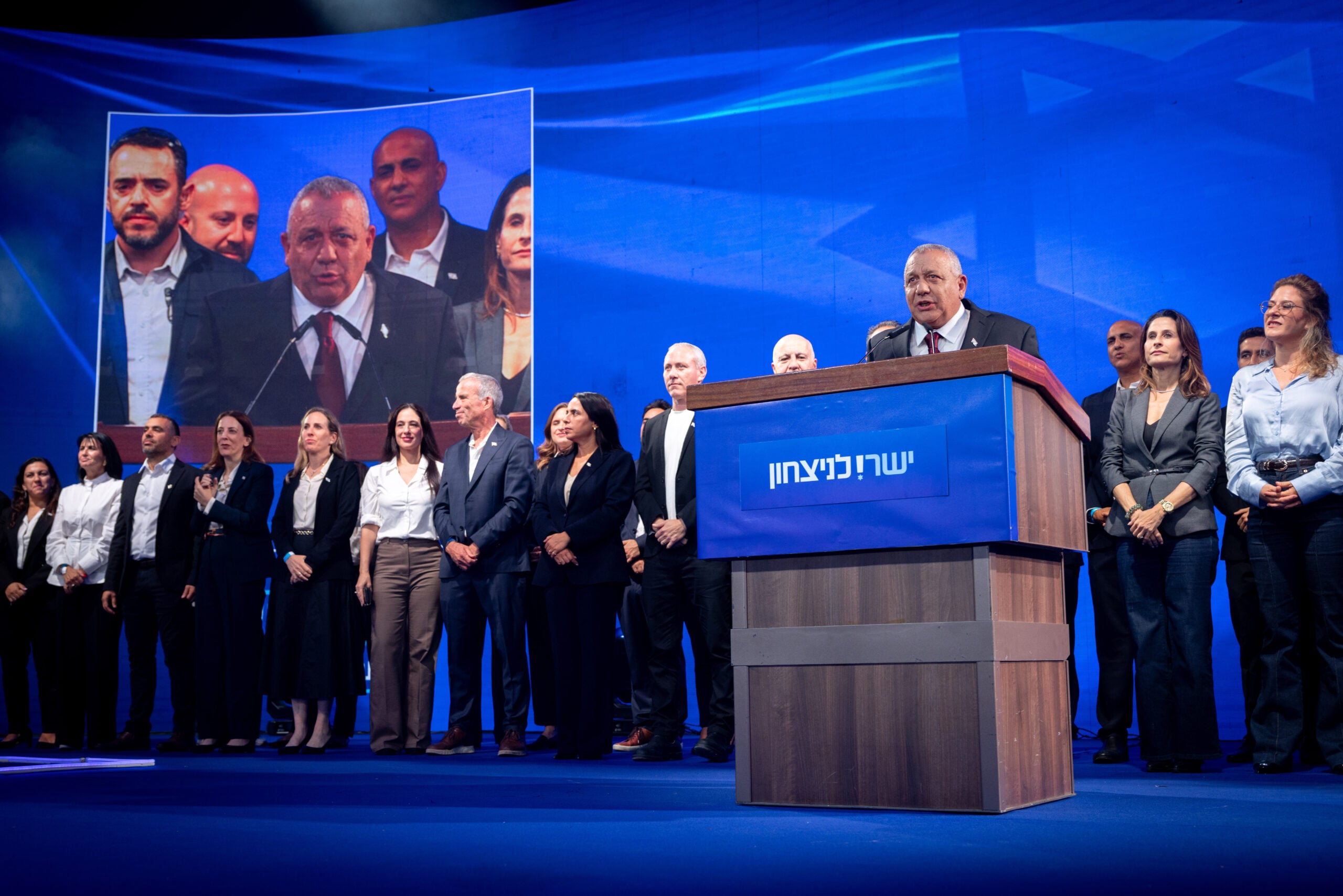
With official presidential consultations scheduled to begin on Wednesday at the President’s Residence in Jerusalem, Eisenkot is expected to enter the round with the largest single slate of endorsing lawmakers, positioning him to receive the first opportunity from President Herzog to build a viable governing coalition amid deeply fractured parliamentary arithmetic.