




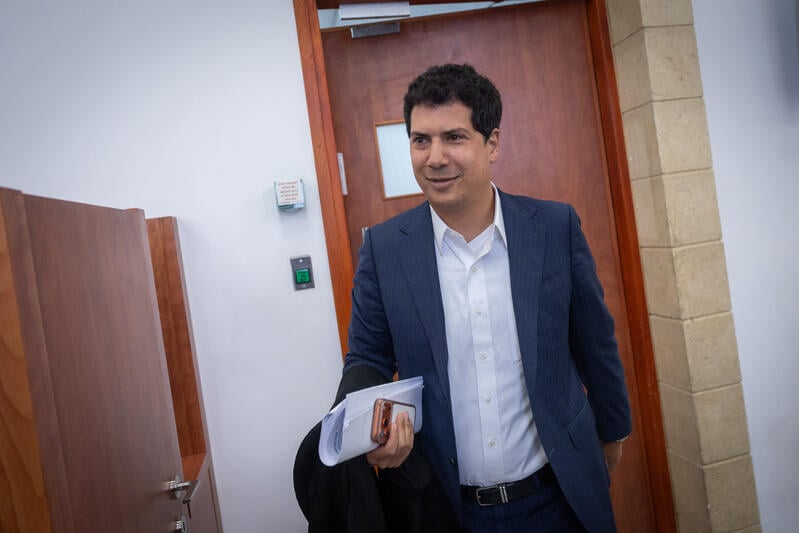
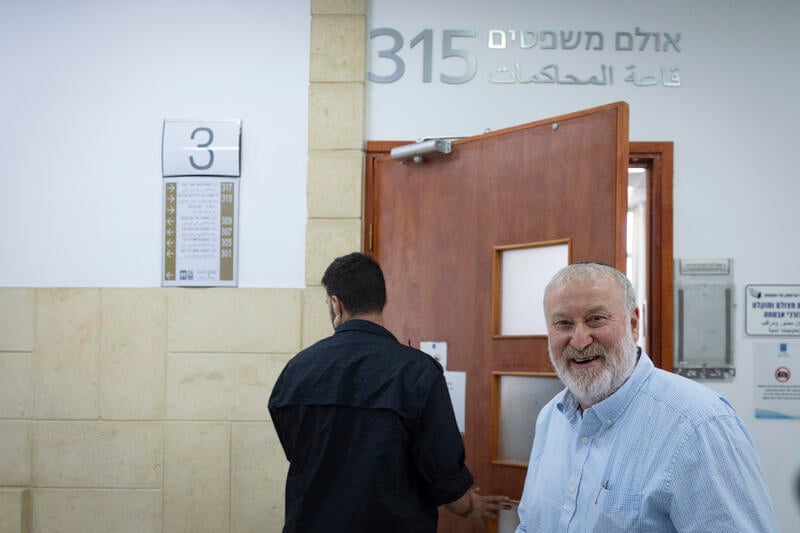
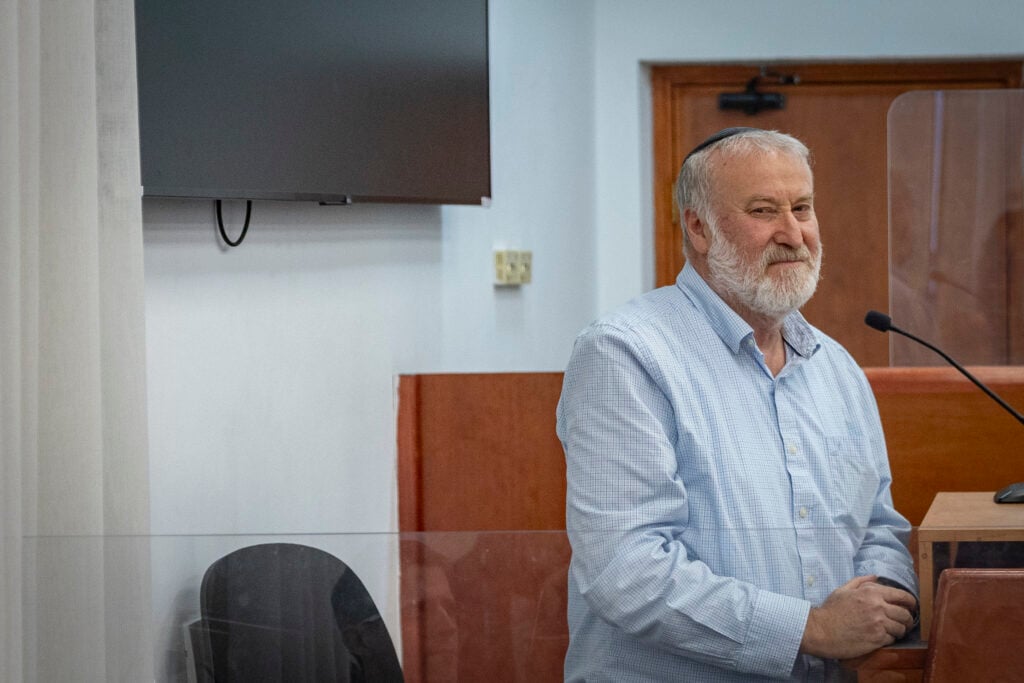
Netanyahu’s defense attorney Amit Hadad confronted former Attorney General Avichai Mandelblit on Wednesday with questions about receiving interview drafts, editing them, and changing paragraphs before publication. While Mandelblit struggled to recall the events and repeatedly answered “could be,” the exchange developed into a sharp dialogue in which Hadad asked whether he had been offered “to write an interview with yourself,” later linking the discussion to an interview with the Israel Bar Association published on Walla News.

 2+
The exchange began after Mandelblit confirmed that background briefings are legitimate, and Hadad sought to clarify whether he had edited his own interviews and requested changes to wording: “To edit an interview, after your interview was conducted, for example, to edit, to ask to remove, to add there—these are things you did, correct?” Hadad asked. “I don’t remember, could be,” Mandelblit replied. Hadad pressed: “Certainly, not could be.”
The defense attorney explained he was referring to receiving an interview draft and requesting corrections or changes to the text, and Mandelblit responded: “Okay, I don’t remember such a thing right now, but it could be.” At a later stage of the questioning, when Hadad suggested that perhaps he was even told to take a pen and write the interview content himself, the attorney asked with a smile: “And you did so, you wrote an interview with yourself. Legitimate, just so you know.” Mandelblit was surprised and asked: “That I wrote an interview with myself?” Hadad clarified he was referring to a proposal made to him, and Mandelblit again replied: “A proposal, could be.”
 2+
Later in the cross-examination, after the discussion moved to other topics, Mandelblit suddenly remembered the case in question: “What you showed me earlier, I remembered, the Bar Association, that interview, right?” Hadad immediately responded with reference to the publication on Walla News, and Mandelblit confirmed he now recalled that article. This exchange served the defense to reinforce the line that coordinating content, requesting edits, and cooperating with media outlets are completely accepted practices for public figures, without being tainted by criminality.
The strategic and legal significance of this confrontation is the demolition of the prosecution’s central thesis in Case 4000: while routine practices of public figures with the media—such as giving background briefings, requesting edits to drafts, correcting paragraphs, or coordinating with reporters—are presented by Mandelblit himself as legitimate and accepted actions, to the point that he testified he may have edited interviews himself and was even offered “to write an interview with yourself,” those same actions performed by Prime Minister Benjamin Netanyahu with Walla News were defined in the indictment as serious criminal acts establishing bribery and fraud offenses.
 2+
Exposing this gap illustrates the selective enforcement and legal hypocrisy on which the defense relies, showing how the law enforcement system chooses to present as criminal routine media practices when done by Netanyahu, while high-ranking officials—including the attorney general who signed the indictment—engage in them themselves without any problem.