




As we first reported: Finance Minister Bezalel Smotrich’s Religious Zionism party launched a comprehensive plan Tuesday to reshape Israel’s judicial system and regulate relations between the Knesset, government, and judiciary—and announced that implementing it in the next term will be a precondition for joining any coalition.


 4+
4+The plan, led by Constitution, Law and Justice Committee Chairman MK Simcha Rotman, presents an overarching vision: an independent and professional judicial system, alongside a government and Knesset capable of exercising the authority and responsibility the public entrusted to them.
It seeks to establish clear rules for relations between the branches of government, strengthen oversight and transparency in the judicial and law enforcement systems, and protect individual rights. The initiative continues reform processes Rotman began last term, including splitting the attorney general role, changing the judicial selection method, amending the reasonableness standard, removing the Police Investigations Department from the State Attorney’s Office, and advancing override clause legislation.
 4+
4+At the plan’s core is completing the split of the attorney general position: a legal advisor serving as a confidant of the government, alongside an independent solicitor general responsible for criminal proceedings. In parallel, the plan proposes converting legal advisors in government ministries into political appointees of ministers and regulating responsibility for investigating prosecutors.
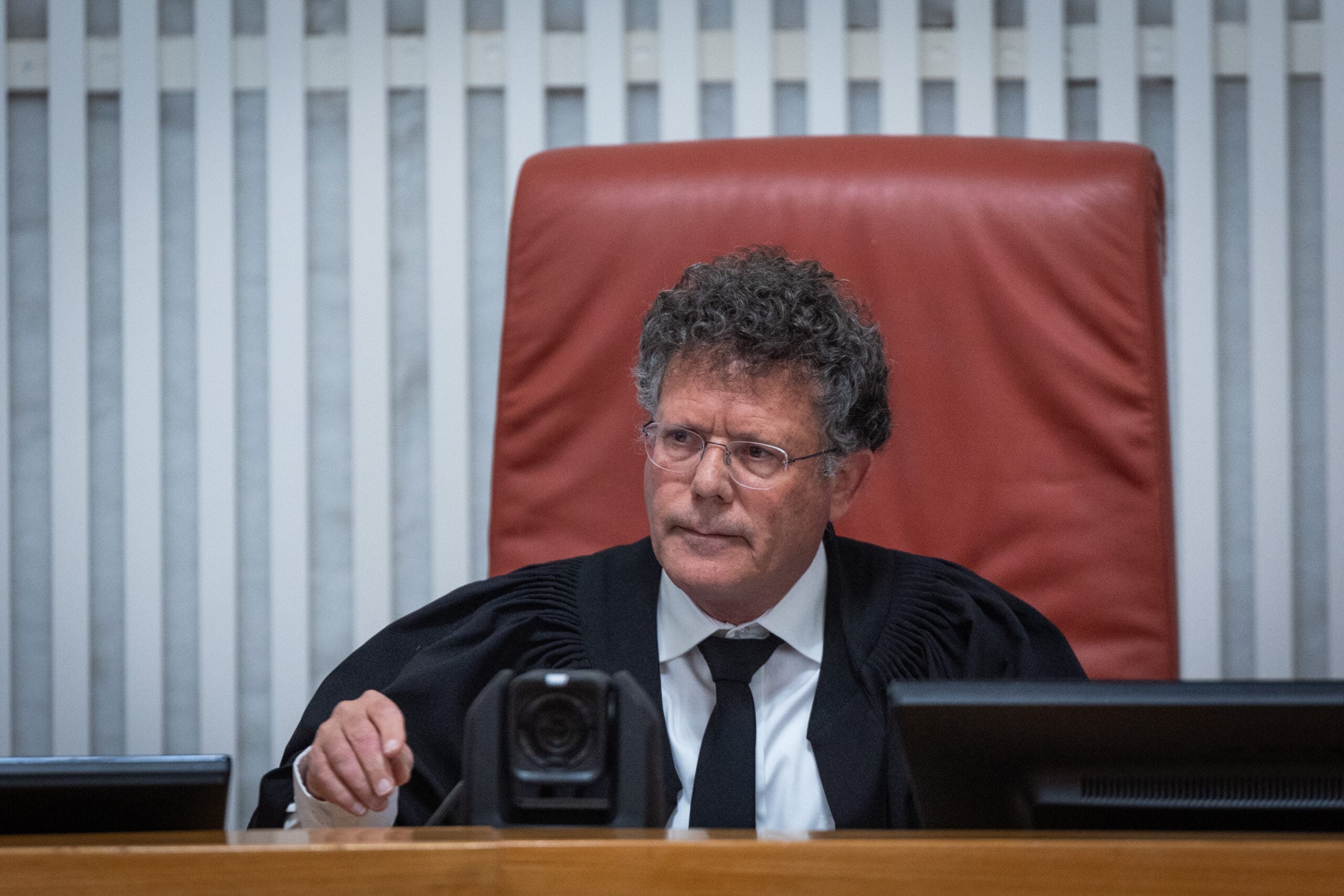
For the Supreme Court, the plan proposes public hearings for candidates, electing the chief justice and deputy through secret ballot by all Israeli judges, and assigning judicial panels through a randomized computerized mechanism. The plan emphasizes that ten Supreme Court justices are expected to be appointed in the coming term—appointments that will shape the court for years to come.
 4+
4+The plan also includes regulating constitutional review and the override clause, restoring limits on standing to sue, and establishing clear procedural rules for the High Court. On governance, it proposes abolishing appointment committees, expanding government and ministerial authority in senior appointments, and opening senior prosecutorial positions to external tenders.
The individual rights section includes limiting investigation and prosecution duration, eliminating the state’s ability to appeal criminal acquittals, and abolishing the breach of trust offense. Alongside this, the plan proposes expanding broadcast and recording of proceedings and strengthening oversight mechanisms for the judicial and prosecutorial systems.
 4+
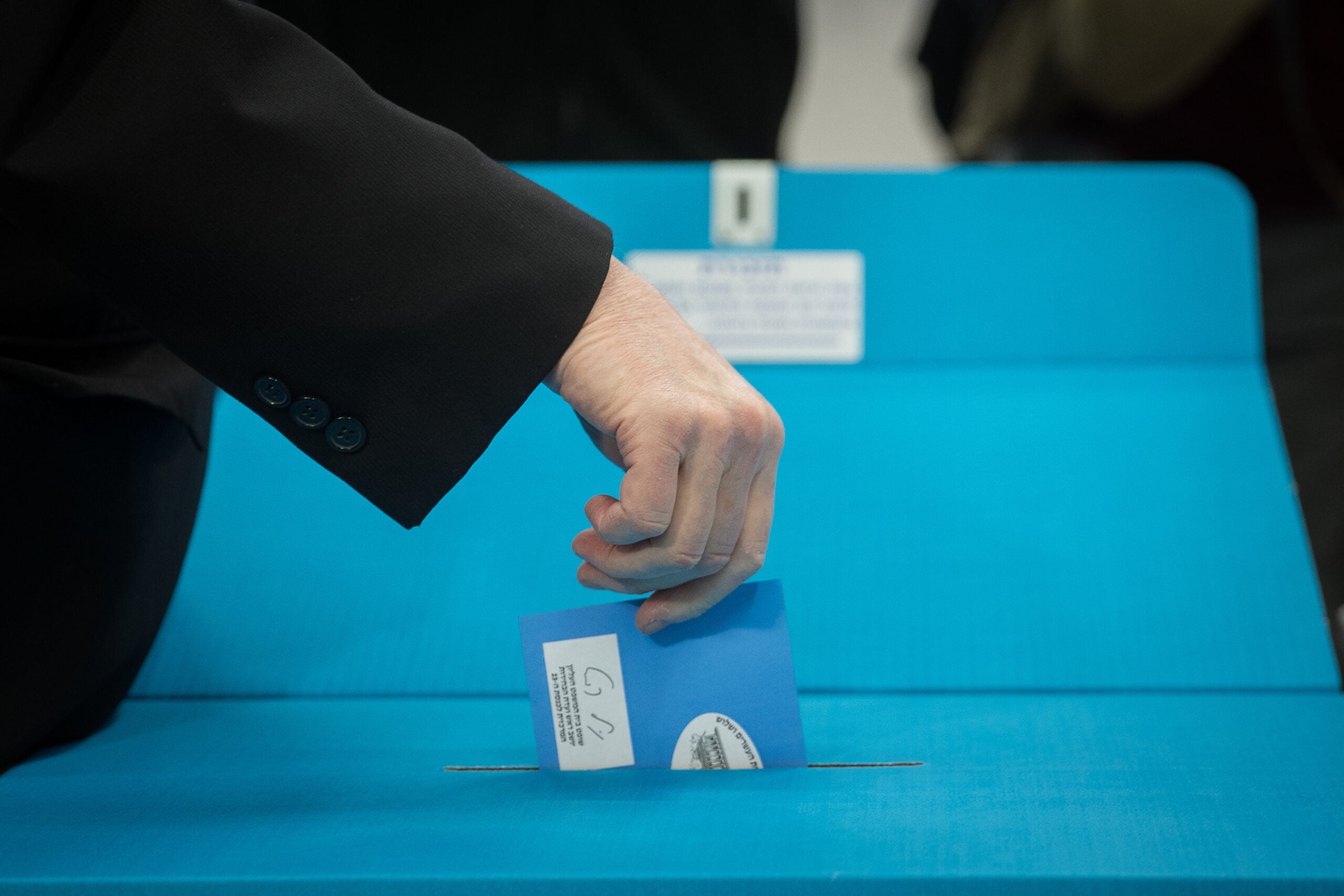
4+To strengthen the Knesset, the plan proposes lowering the electoral threshold, an expanded surplus vote agreement, a semi-open ballot allowing voters to influence party candidate rankings, changing the immunity mechanism for Knesset members, and postponing criminal proceedings in certain offenses against prime ministers and ministers until after their terms.
Religious Zionism Chairman MK Bezalel Smotrich: “We are at a fateful crossroads for the State of Israel. In the next term, ten Supreme Court justices will be appointed, along with an attorney general and state attorney, plus a series of other key positions. These appointments will shape the State of Israel for years to come.”
 4+
4+Constitution, Law and Justice Committee Chairman MK Simcha Rotman: “This is a foundational plan to return Israeli democracy to its proper course. Israeli citizens have proven time and again that they want governance, security, and real rule of law. That won’t happen if all decisions are made by a deep state of bureaucrats and judges that no one elected and no one will elect. Only our plan will ensure the return of sovereignty to the people and fix the judicial system, so Israeli citizens receive justice.”