


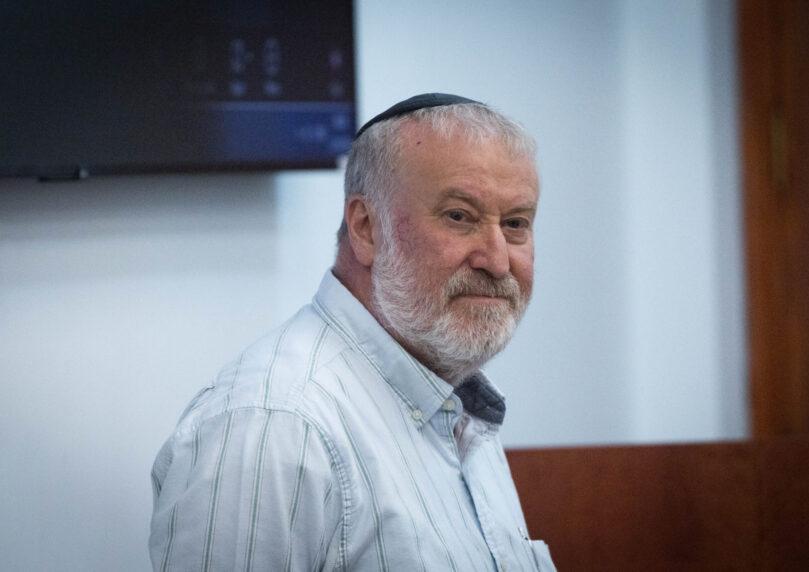

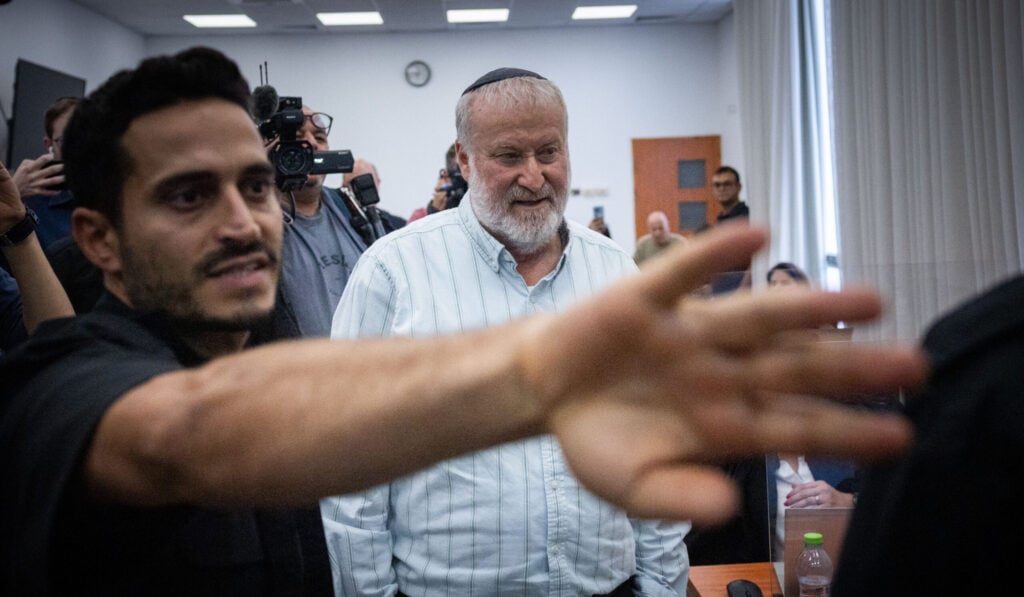
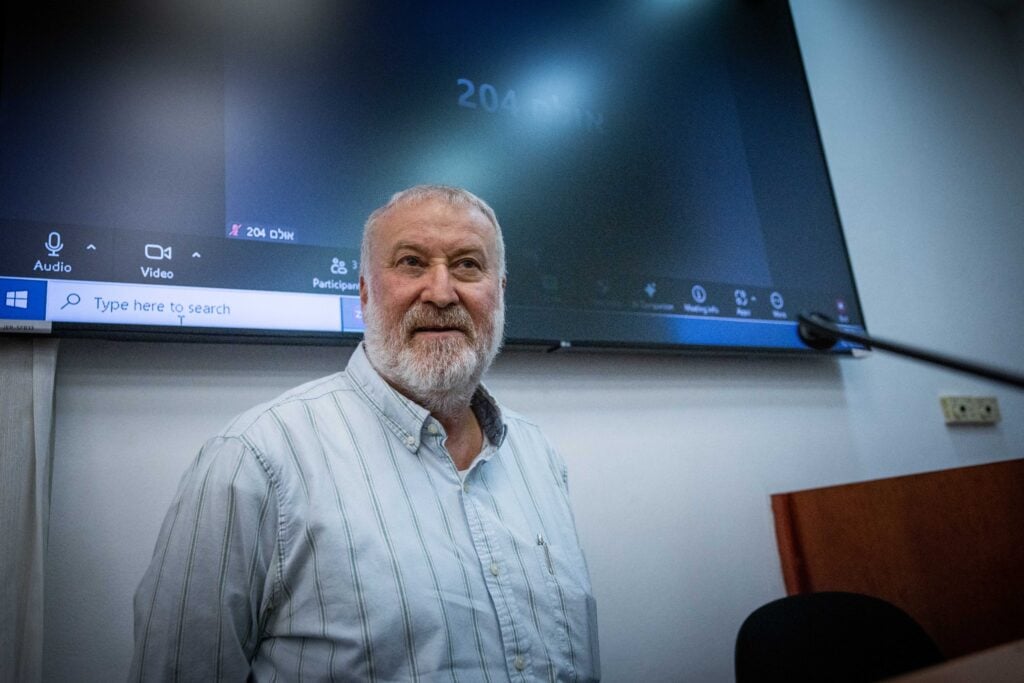
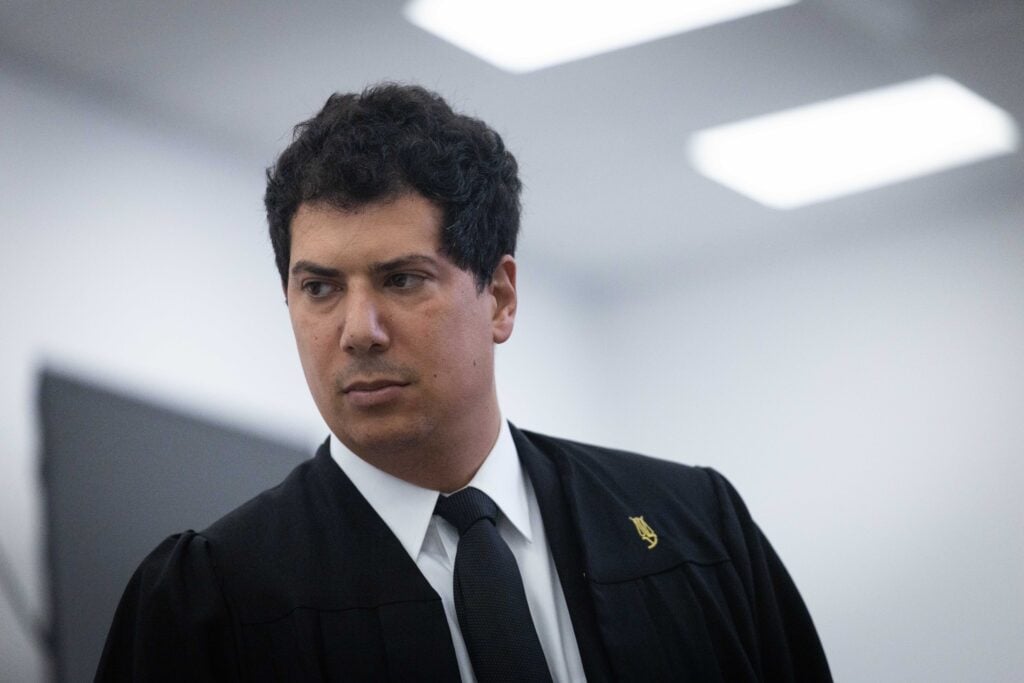
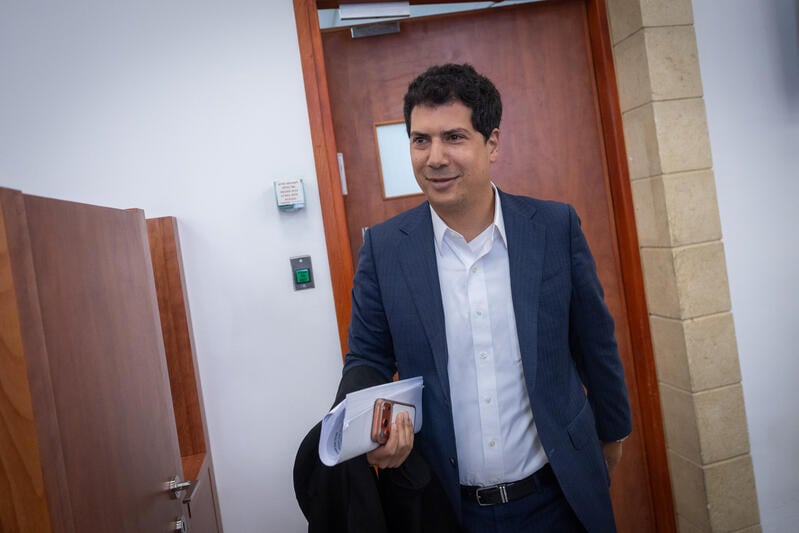
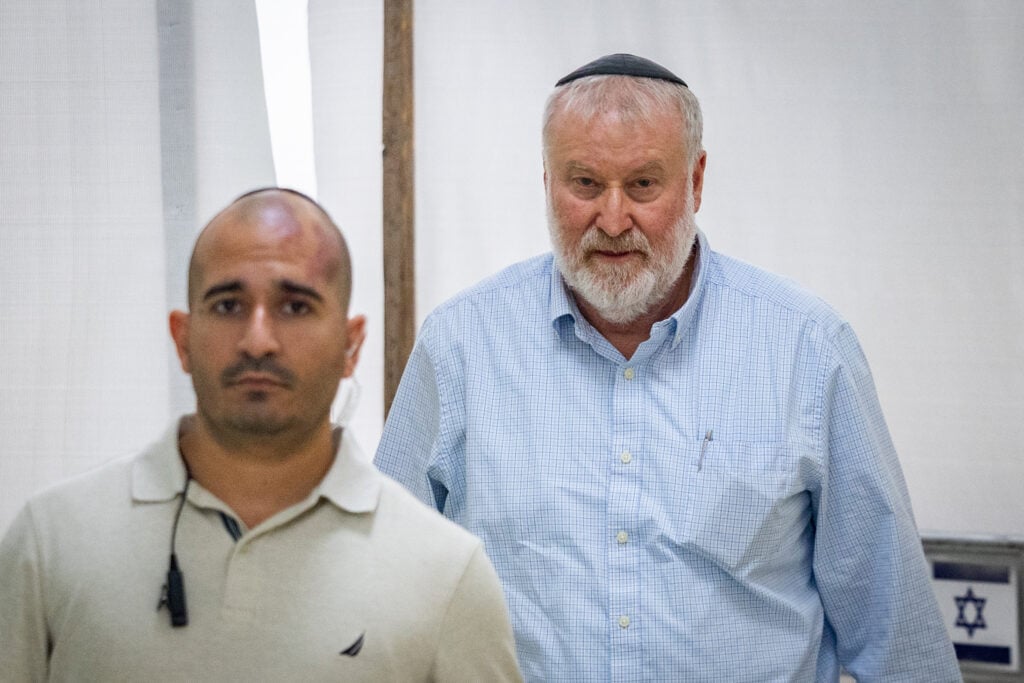
A day of confrontations, pointed questions and sharp exchanges unfolded Tuesday in court during former Attorney General Avichai Mandelblit’s testimony in Prime Minister Benjamin Netanyahu’s trial, as Netanyahu’s lawyer Amit Hadad pressed to examine the sequence of approvals given for the Case 4000 investigation, the actions investigators took before opening the probe against the prime minister, and the evidentiary foundation presented to the former attorney general. Throughout the hearing, disputes erupted over documentation of decisions, the scope of investigators’ authority, and how claims of influence over Walla news site coverage were examined. These are the central issues that emerged from the testimony.

 6+
6+Approvals to Investigate Netanyahu: What Was Documented and What Was Redacted?
One of the main disputes in the hearing centered on when Mandelblit approved investigating Netanyahu and which specific suspicions were included in the approval. Hadad presented documents and protocols from meetings held before opening the investigation against the prime minister, arguing that the disclosed portions don’t clearly show the full scope of decisions Mandelblit testified about.
Among other items, a protocol from January 17, 2018 was presented showing approval to expand the investigation into suspicions concerning Shaul and Iris Elovitch. Hadad emphasized that the disclosed section didn’t explicitly state that an investigation against Netanyahu was approved. Mandelblit confirmed that the prime minister’s name doesn’t appear in that passage, but explained the investigation dealt with bribery suspicions connected to him.
 6+
6+The dispute also focused on the February 5, 2018 protocol, with Hadad asking where it explicitly shows approval to investigate Netanyahu for specific offenses, while Mandelblit insisted he approved investigating him under caution and wouldn’t have done so without knowing the suspicions.
“There’s an Error in the Document”: Mandelblit Struggled to Reconstruct Decision Dates
During the confrontation over protocols, Mandelblit admitted he doesn’t remember with certainty the dates of some meetings: “There’s an error in the document, I don’t know when this was, not sure if it was January or December. I’m speaking from memory.” Hadad also presented a memo Mandelblit prepared on January 5, 2021, stating he approved on February 5, 2018, to investigate Netanyahu as a suspect in public integrity offenses in Case 4000, and that the decision was documented in a protocol.
 6+
6+Hadad argued: “It’s not documented.” Mandelblit responded: “It is documented.” The defense lawyer requested all approvals and documents, including redacted portions, and Mandelblit himself said regarding the redactions that there may have been grounds to disclose more material: “Maybe more should be revealed; this isn’t something that makes me happy.”
Investigators’ Actions Before Approval: Questions About Investigation Boundaries
Hadad devoted a substantial portion of his cross-examination to actions taken in early stages of Case 4000. According to the defense, investigators collected and examined materials concerning Netanyahu and his coverage on Walla before explicit approval was given to investigate the prime minister. Among other things, an action from October 31, 2017 was presented in which a diary seized in the Residences case investigation was examined to locate meetings between Netanyahu and Shaul Elovitch.
 6+
6+Hadad argued this constituted use of material seized in another investigation without expanding the search warrant, and Mandelblit responded there was a problem with how the action was carried out: “It would have been proper to come request an expansion order.” The defense also presented correspondence from Walla that was examined in Shlomo Filber’s investigation even though it predated his appointment, and Mandelblit acknowledged the difficulty but noted that sometimes earlier events may be relevant. Additionally, a January 2018 search of Ilan Yeshua’s phone was presented that included terms like “Bibi,” “Sara,” and “Bezeq” based on a warrant for other suspicions without the attorney general being updated.
Recruiting Filber as State’s Witness and the Leaks Issue
The hearing raised the issue of contacts to recruit Shlomo Filber, after Hadad presented documentation of a conversation between investigator Eli Levi and prosecutor Liat Ben Ari in which it was said: “the price derives from the content.” Mandelblit confirmed the words sound “like negotiating for a state’s witness,” but answered negatively when asked if he approved the contacts. Additionally, regarding the wave of leaks that created a media frenzy around the case, Mandelblit admitted he previously suspected the possibility that one of the prosecutors was a source for a leak, but clarified he had no evidence and didn’t order an internal investigation.
 6+
6+The Question About Suspicion Against Netanyahu and Mandelblit’s Explanation
One of the notable moments came when Hadad asked: “What was the suspicion on 2/5/18?”, and according to courtroom documentation, Mandelblit froze for a moment and didn’t respond immediately. After Hadad continued, the witness explained the suspicion concerned a relationship in which Netanyahu received the ability to influence a major media outlet in exchange for regulatory benefits for the businessman who owned it, and wasn’t limited just to favorable coverage but to control of content for political influence and over public opinion.
Was Walla Coverage Actually Examined?
Hadad asked how the coverage claim was examined, and Mandelblit clarified: “I’m not an investigator,” explaining his role was to approve investigation plans. The defense lawyer argued that until the investigation’s conclusion, no systematic examination was conducted and that Netanyahu wasn’t shown even one article from Walla in his interrogation—a fact Mandelblit confirmed.
 6+
6+When asked if he knew the site also published many negative items about Netanyahu, he responded that the issue came up and that the possibility the site was hostile was known. Judge Moshe Bar’am intervened and asked to clarify what materials satisfied Mandelblit, and the witness mentioned events from the 2015 elections, examples like ballot boxes, an article by Dov Gilhar, and journalists’ testimony about pressure, noting the materials showed Netanyahu’s direct involvement.
Limiting Questions on the Indictment and a Closing Confrontation
The prosecution, led by attorney Yehudit Tirosh, objected in principle to continuing Mandelblit’s cross-examination about his discretion in filing the indictment, arguing case law doesn’t allow questioning a prosecutor about his evidence assessment, and Judge Bar’am asked to clarify the legality of preparing the indictment. Toward the hearing’s end, another confrontation erupted when Hadad warned Mandelblit not to discuss his testimony with anyone (not even by phone), and Tirosh protested sharply: “You don’t need to embarrass him; why are you saying this? Really now”—closing the stormy hearing.
 6+
6+This testimony concentrates a series of weak points and legal question marks around the critical stages of opening Case 4000. Mandelblit’s admission that investigators in fact acted in some cases without appropriate expansion orders, like with the Residences diary, that he didn’t know the source of materials like the search of Yeshua’s phone, and that in Netanyahu’s interrogation he wasn’t shown any Walla articles due to a lack of systematic examination of coverage until the investigation’s conclusion—gives the defense substantial ammunition for the argument of a goal-oriented witch hunt that suffered from substantive flaws and exceeded authority.