


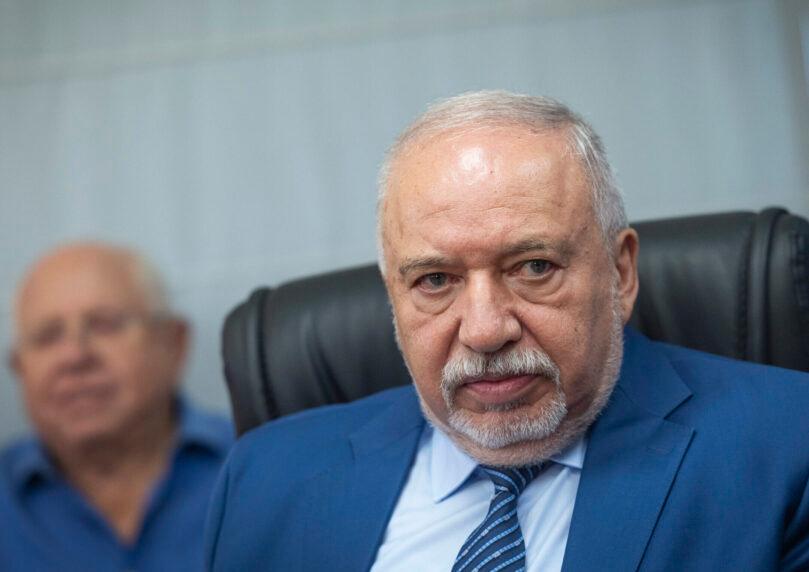

Yisrael Beiteinu is already preparing for the possibility that the opposition bloc won’t secure 61 seats in the upcoming election—and has drafted an alternative plan centered on splitting Likud from within. According to the plan obtained by C14, Avigdor Liberman’s party believes that blocking Benjamin Netanyahu from forming a government will make it possible to pull parts of Likud into a different coalition.

 1+
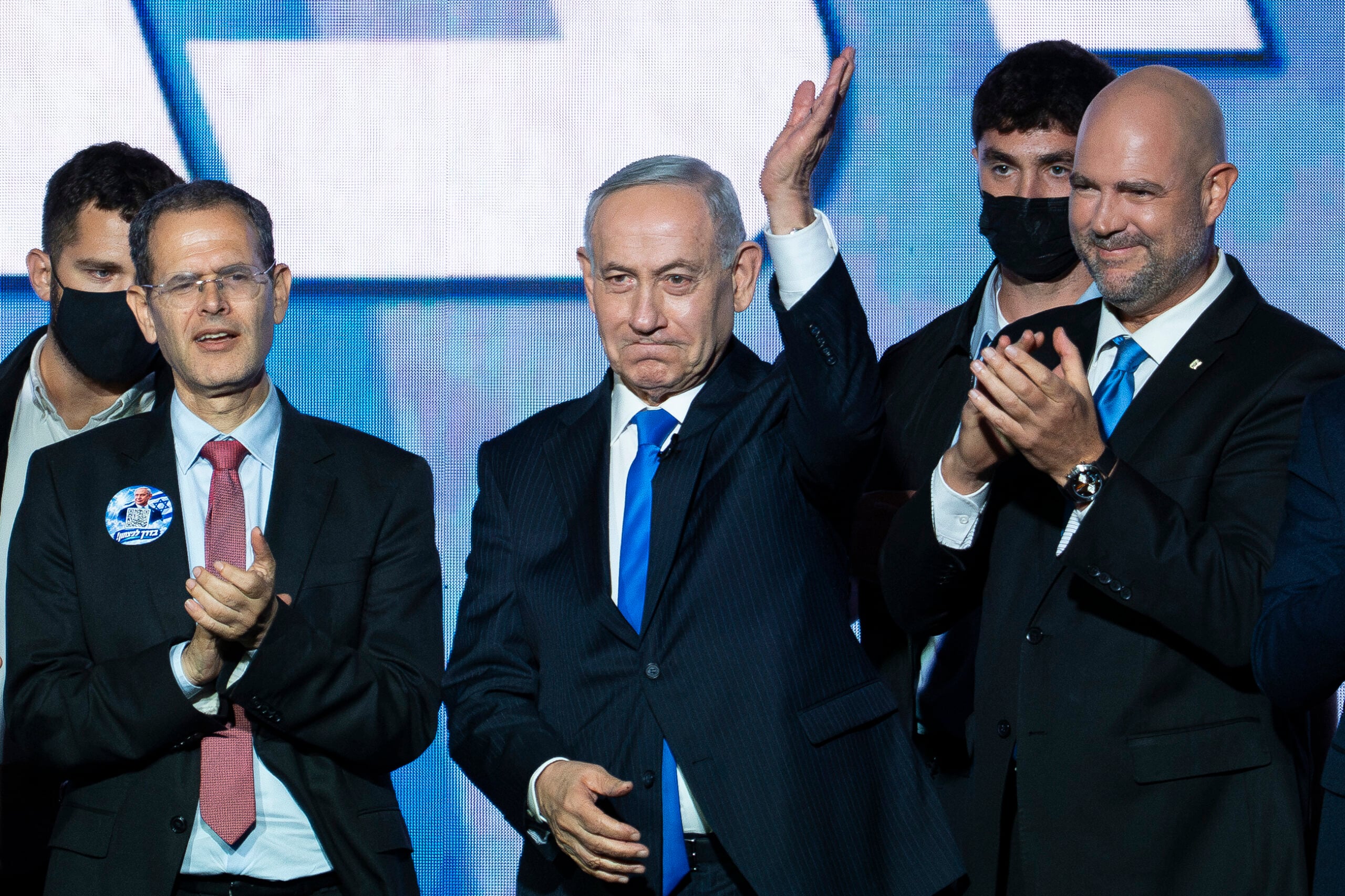
1+According to party sources, the assessment is that as long as Netanyahu heads Likud and holds the option to form a government, it will be difficult to split the party and break up the right-wing bloc. That’s why Yisrael Beiteinu wants to create a political reality where Netanyahu can’t receive the mandate to form a government—even if he leads the largest faction.
The Path to Breaking Up Likud Runs Through the Knesset
To execute the plan, the first step would be an attempt to seize power centers in the Knesset. Yisrael Beiteinu is planning to push for replacing the Knesset speaker with a candidate agreed upon by the opposition parties—a move designed to give them decisive influence over the parliamentary agenda, committees, and advancing legislation.
Immediately after, the party intends to advance legislation that would bar the president from assigning the mandate to form a government to anyone facing an indictment. The move is aimed directly at Netanyahu, designed to prevent him from forming the next government through a change in the law.
 1+
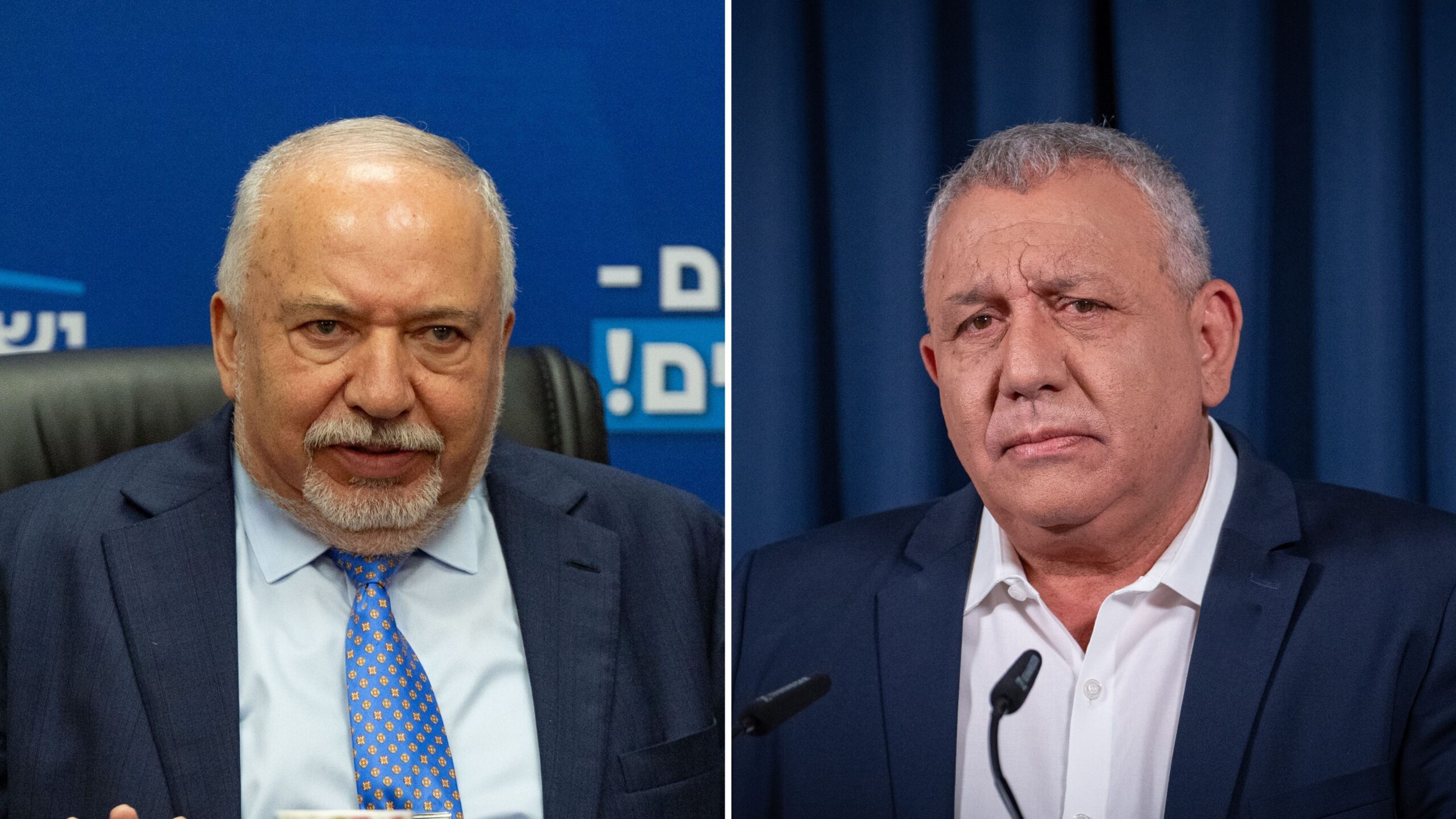
1+Without Netanyahu: The Attempt to Pull Likud Members
Yisrael Beiteinu estimates that if Netanyahu is blocked from forming a government, conditions will be created to break up the bloc from within. At that stage, the party intends to work on pulling parts of Likud toward forming an alternative coalition—even without the opposition bloc having a 61-seat majority in the election results.
At the same time, Yisrael Beiteinu emphasizes that Liberman does not intend to sit in a coalition with the Arab factions or with the ultra-Orthodox parties. That means the plan relies on the possibility of recruiting support from within Likud itself, through a political and legislative move designed to shift the balance of power after the election.