



Following the security escalation in northern Ethiopia, the Ministry of Foreign Affairs announced today (Sunday) that it is working to assist Israelis currently in the region and is examining options for their evacuation, contingent upon developments on the ground and security conditions.
A joint statement from the Ministry of Foreign Affairs—specifically the Department for Israelis Abroad, the Situation Room, and the Israeli Embassy in Addis Ababa—noted: “We are spearheading intensive efforts, closely monitoring the situation of Israelis in areas of northern Ethiopia experiencing a security escalation, and maintaining contact with the relevant groups and parties.”
The statement added: “We are continuously evaluating options for departure from the region in coordination with local entities and in light of developments and security conditions on the ground.” “The Ministry of Foreign Affairs is acting—and will continue to act—to assist Israelis in the region to the fullest extent possible, while prioritizing their safety and security above all else.”

This announcement follows a recent escalation in fighting within the Tigray region in the country’s north, as Tigrayan forces and the government in Addis Ababa edge closer to a broader conflict once again. These latest developments compound the tensions that have persisted in the region since the end of the Tigray War in 2022.
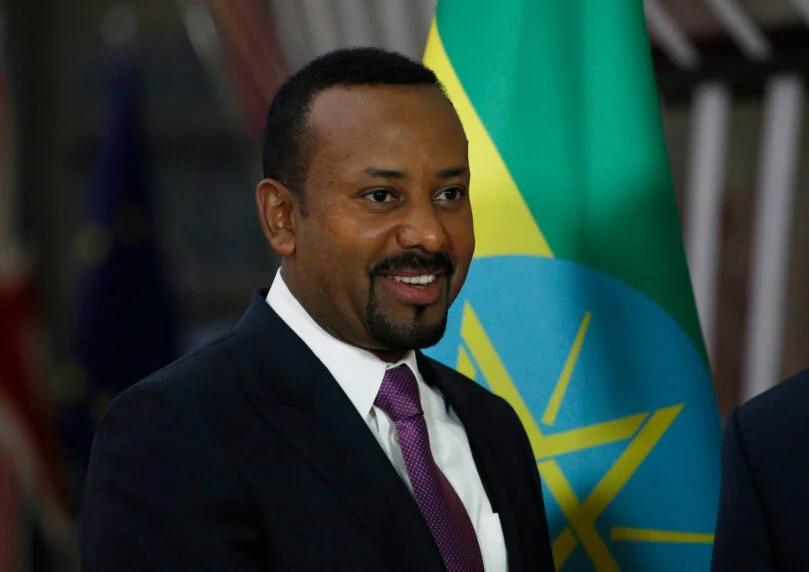
Earlier this month, seven armed groups in Ethiopia announced the formation of the “Alliance of Ethiopian Peoples’ Forces for Survival,” declaring their intent to oust Prime Minister Abiy Ahmed and establish a transitional government. The new alliance comprises groups that have operated for years across various theaters and were, at times, rivals. Their union aims to create a broad front against the central government; however, it remains unclear to what extent the organizations will succeed in maintaining cooperation and transforming their joint declaration into a coordinated force.
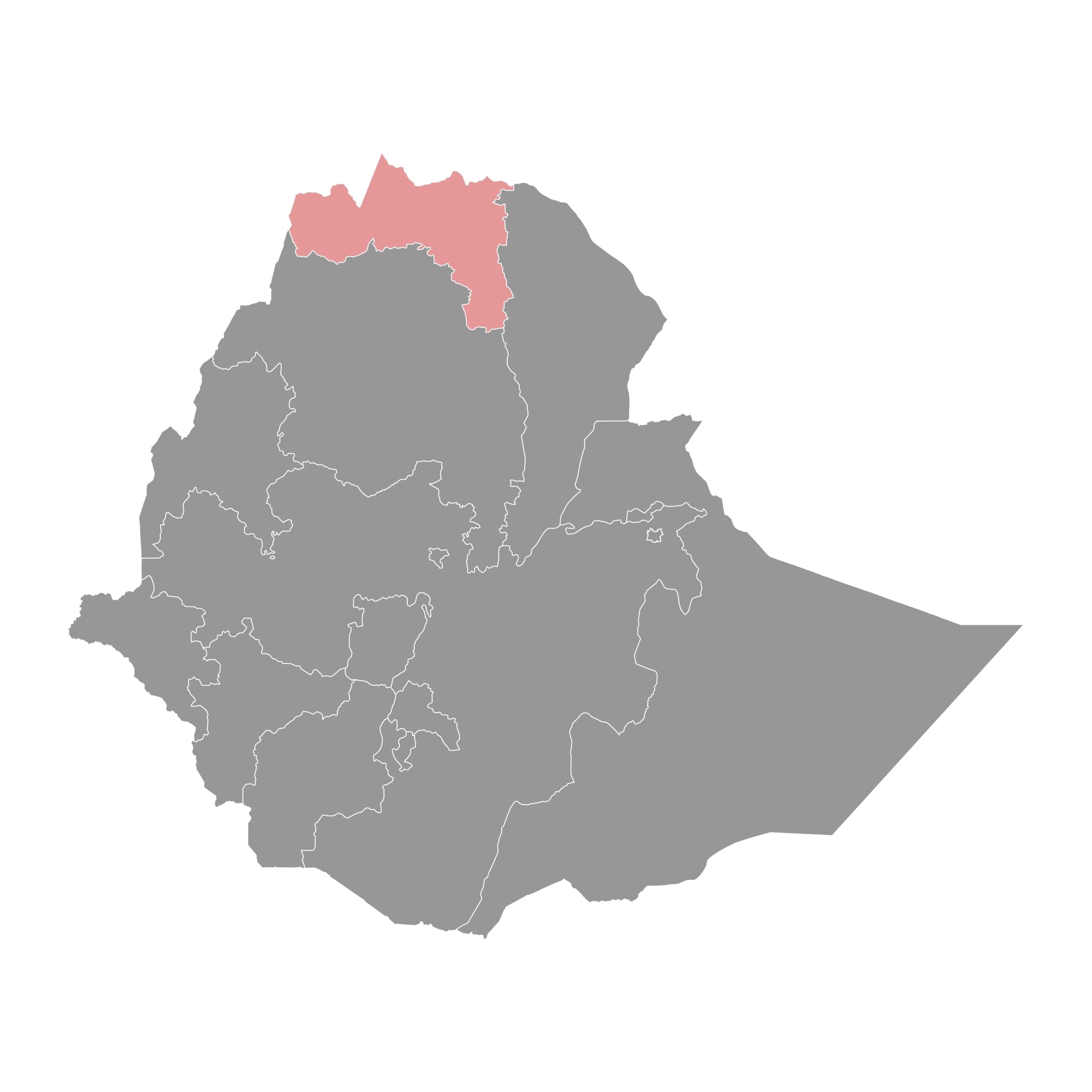
Alongside these political declarations, military developments have unfolded on the ground. Renewed fighting has been reported in the Tigray region, with Tigrayan forces seizing control of local airfields—a move that has also disrupted air traffic. These developments underscore the growing difficulty of maintaining regular movement in the area and explain… Israel’s focus on exit options for its citizens.
The current conflict places Tigray back at the center of the Ethiopian crisis, three years after the end of the previous war. That war, which began in 2020, concluded with the Pretoria Agreement in November 2022; however, disputes have persisted regarding territorial control, the disarmament of forces, and the implementation of the agreement.
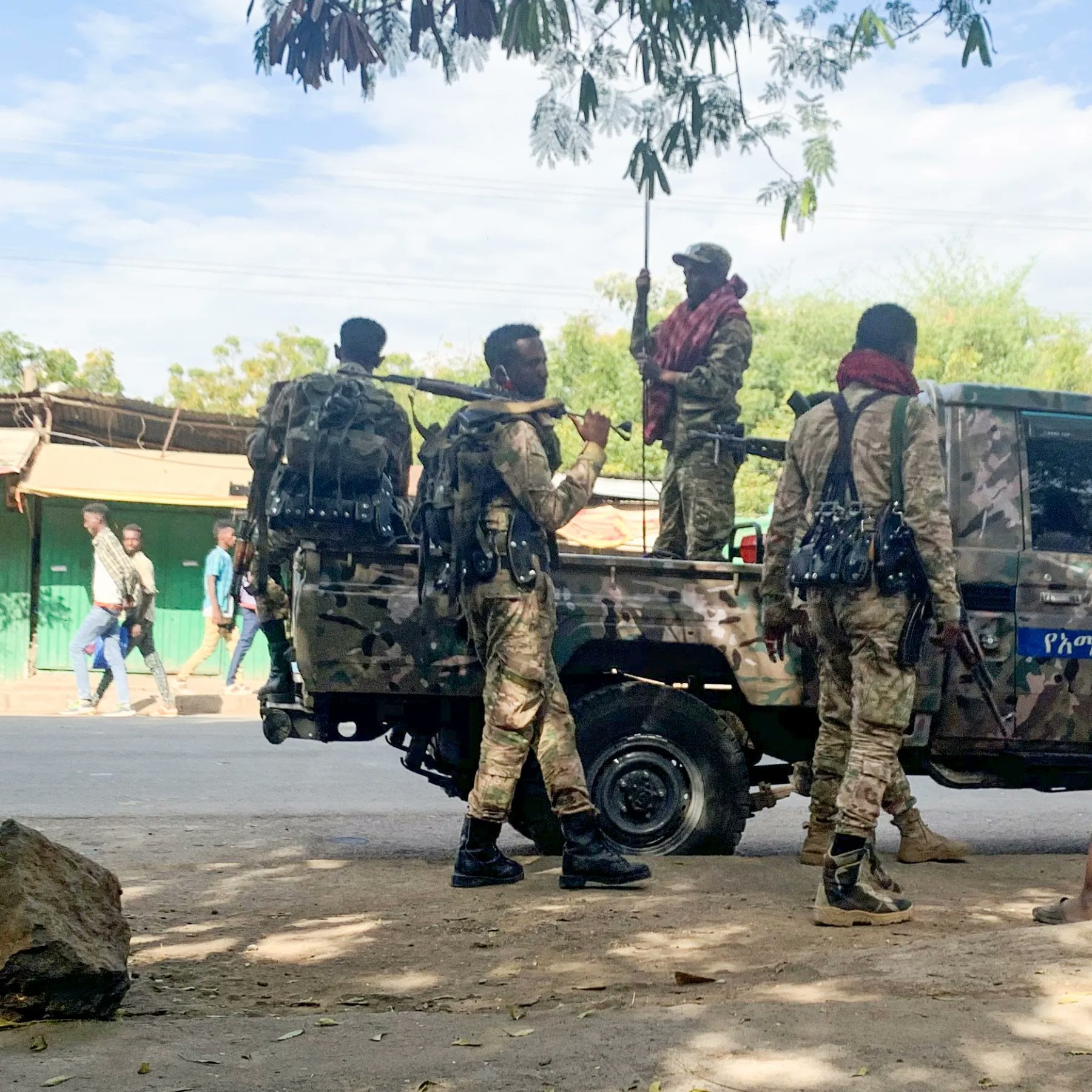
The question now arises as to whether recent developments will remain confined to the country’s north or escalate into a broader conflict, particularly given the activity of other armed groups across various regions of Ethiopia. For Israelis in the area, the immediate implication is growing uncertainty regarding their ability to move around and leave the region. The Foreign Ministry stated that options are being continuously assessed in coordination with local entities, contingent upon the feasibility of operating on the ground.