


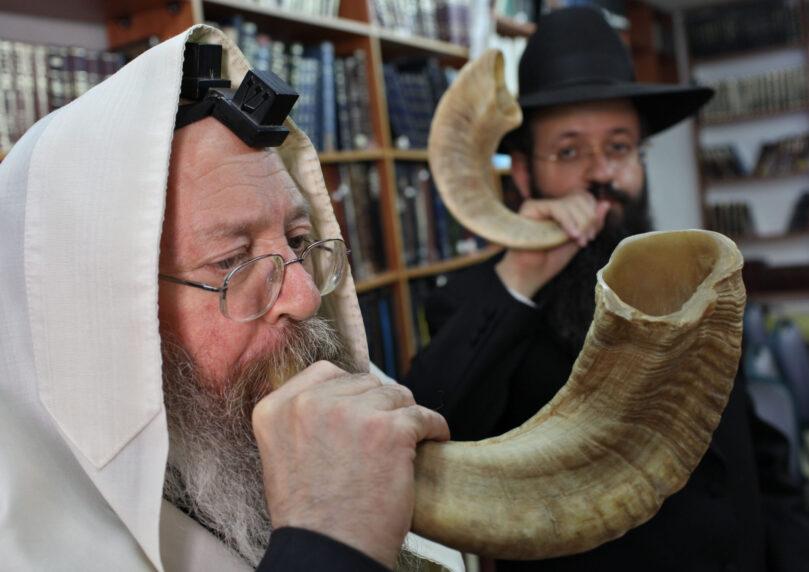

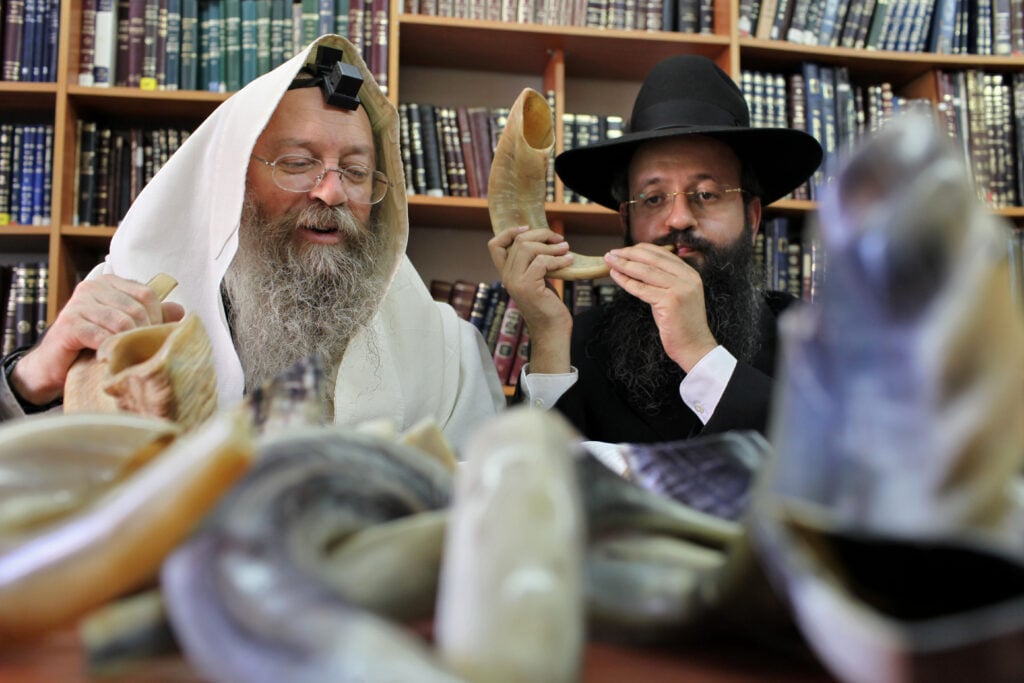
The Torah world is mourning the death of Rabbi David Batzri, head of the Shalom Kabbalist Yeshiva and one of the generation’s leading Kabbalist scholars, who died Friday morning at age 85. Political leaders and chief rabbis rushed to eulogize his decades of work spreading Jewish mysticism and Kabbalah.

 2+
2+Israel’s Chief Rabbi David Yosef said: “With great sorrow I received the bitter news of the passing of the righteous scholar and Kabbalist Rabbi David Batzri, head of the Shalom Kabbalist Yeshiva, one of the greatest disseminators of Torah and Kabbalah in our generation, who dedicated his entire life to Torah, prayer, and serving God in purity. The deceased was an outstanding Torah scholar, a holy and pure man, whose greatness in Torah was bound up with his humility and the pure fear of Heaven that burned within him.”
Shas party chairman Aryeh Deri said: “I am pained and tearful over the passing of the righteous scholar Rabbi David Batzri, the elder of the Kabbalists in our generation, a servant of God with every fiber of his soul, a humble and righteous man who dedicated his life to Torah, prayer, and the Jewish people. For decades I was privileged to have a close and deep friendship with him, to visit his yeshiva often and to be enriched by his Torah and advice. Rabbi David stood by the Shas movement and by me with love and loyalty in all difficult times, especially during the ‘Lion’s Roar’ days, and strengthened me with the power of his faith and prayers.”
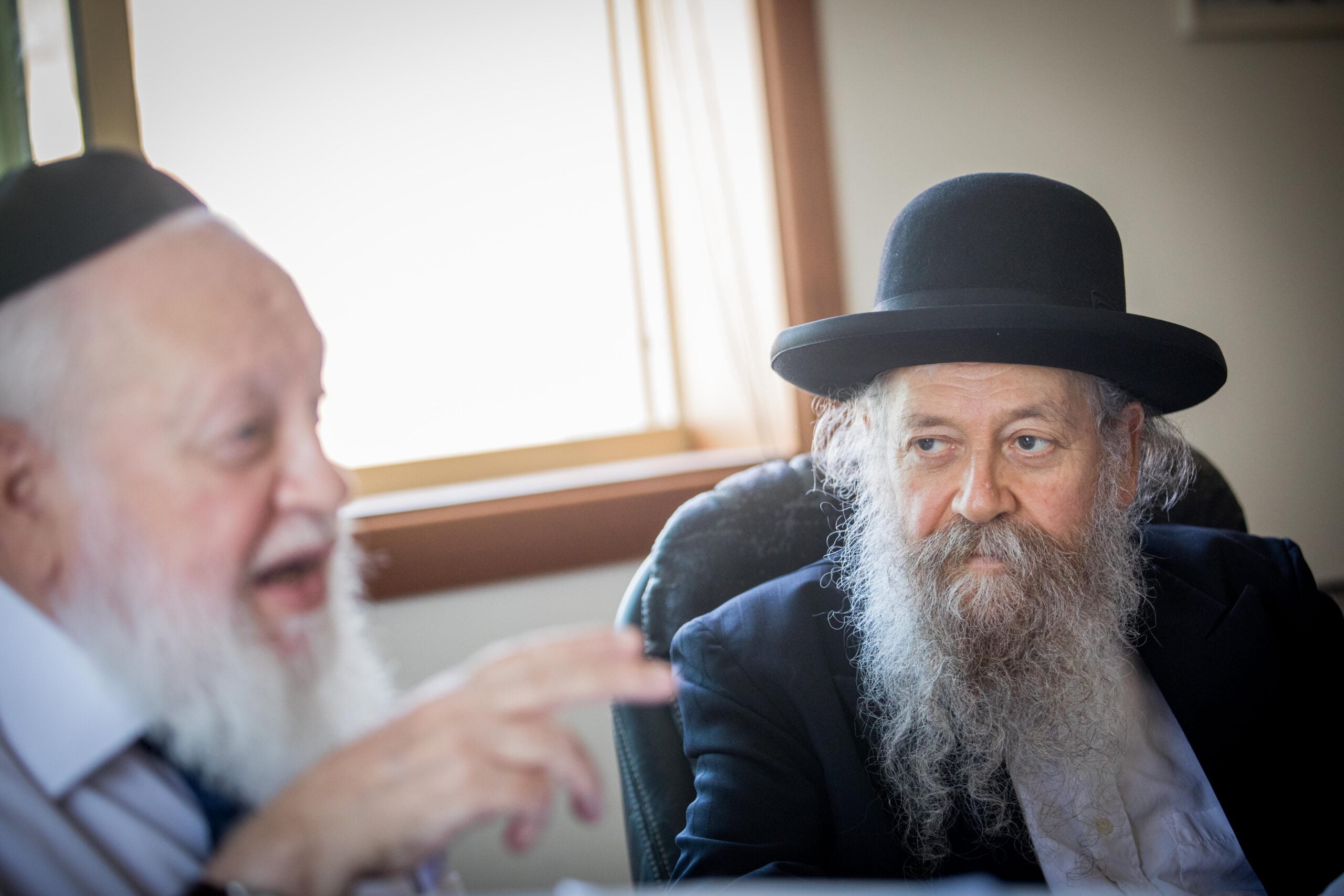
Noam party chairman MK Avi Maoz said: “The crown has been lifted and the diadem removed. With great pain I received the bitter news of the passing of the Kabbalist scholar Rabbi David Shalom Batzri, head of the Kabbalist Yeshiva, one of the greatest Kabbalah scholars of our generation, who dedicated all his days to Torah, prayer, and bringing merit to the many. I send condolences to his family, his many students, and those who honor his memory.”
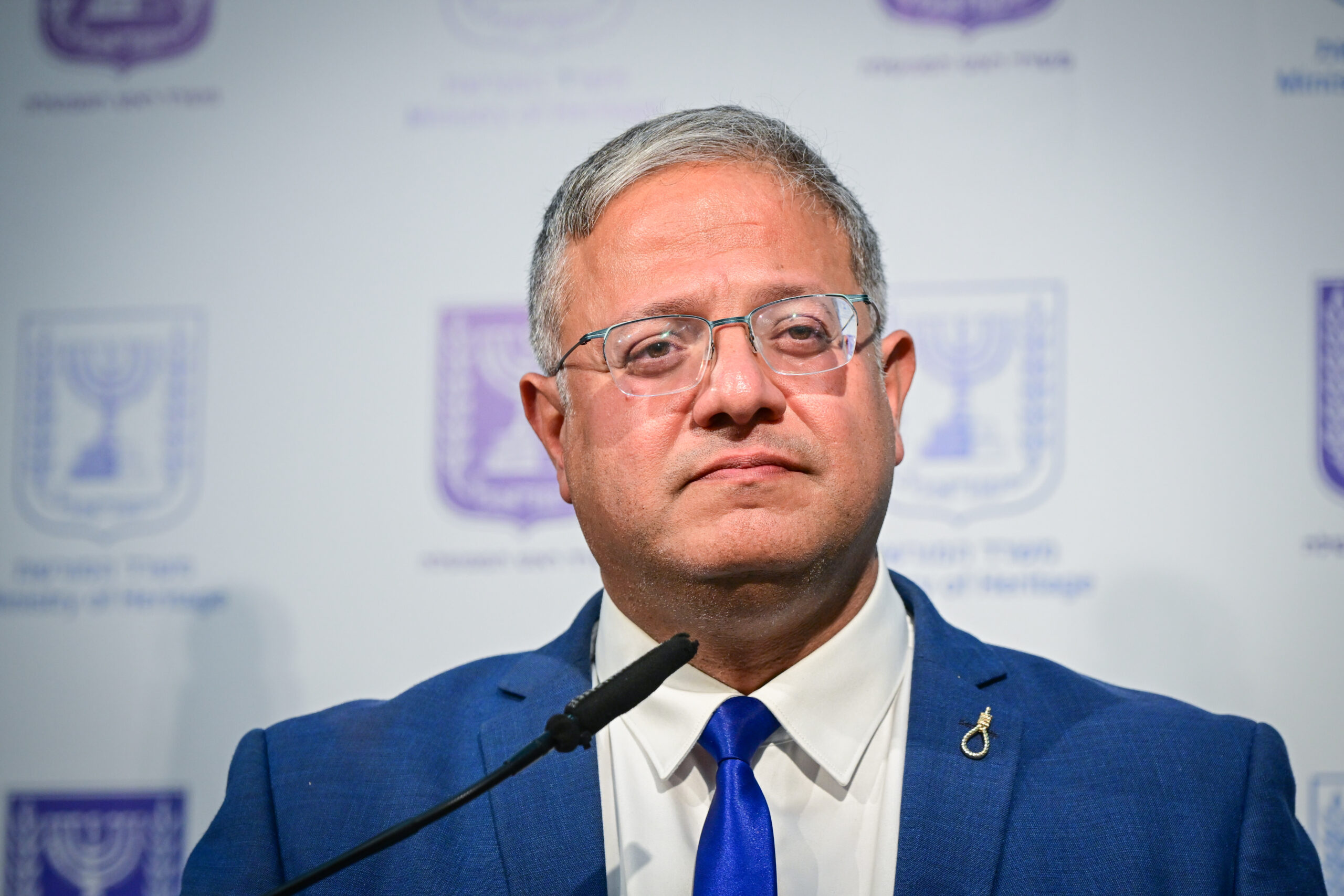
Otzma Yehudit party chairman MK Itamar Ben-Gvir added: “I received with great sorrow the news of the passing of the Kabbalist scholar Rabbi David Shalom Batzri, head of the Kabbalist Yeshiva. The people of Israel lost today, immediately after Yom Kippur when the sins of Israel are atoned for and at the opening of Sukkot, one of the greatest Kabbalah scholars of our generation, who dedicated his life to Torah, prayer, and strengthening the people of Israel.”
 2+
2+Rabbi Batzri collapsed earlier Friday on Rabbi Landa Street in Bnei Brak and required advanced resuscitation. Rescue teams rushed to the scene and worked to restore his pulse. After it returned, he was evacuated sedated and ventilated to Sheba Tel Hashomer Medical Center. Despite doctors’ prolonged efforts to save his life, his condition deteriorated rapidly and doctors were ultimately forced to pronounce him dead.
Rabbi David Batzri was born and raised in Jerusalem, where he studied at the renowned Porat Yosef Yeshiva under leading Sephardic Torah scholars. Already in his youth he became connected to Kabbalah under the guidance of his uncle, the Kabbalist Rabbi Salman Mutzafi, and dedicated all his days and nights to studying the teachings of the Arizal and the Rashash, Rabbi Shalom Sharabi, particularly the mystical intentions in prayer.
2+Later he established the Shalom Kabbalist Yeshiva in Jerusalem, which became a global spiritual center for studying the writings of the Rashash and mystical Torah. Over the years the yeshiva also published important Kabbalistic books and trained generations of Torah scholars who continued his path. The rabbi was particularly identified with the tradition of Kabbalist prayer according to the Rashash method, and his prayers sometimes lasted many hours and included deep mystical intentions.
Over decades of work, Rabbi Batzri became a central address for thousands seeking advice, blessings, and salvation in personal and spiritual matters, and led mass prayer gatherings and soul redemption ceremonies during times of national crisis. He also devoted himself extensively to writing and publishing important Kabbalistic works, and his figure uniquely bridged the tradition of Babylonian and Jerusalem Jewry with the broader Israeli public.