


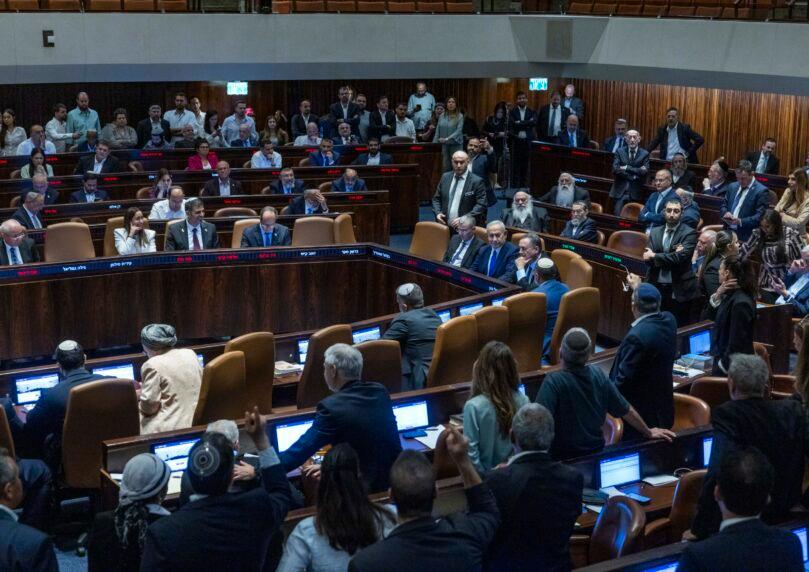

The days after October 7 proved that in moments of truth, political and ideological disputes shrink before Jewish solidarity and mutual responsibility. But now, as political battles intensify, that lesson seems forgotten. Why can’t we let disagreements damage the basic bond connecting Jews—and what matters more than any temporary political victory?
More than a decade ago, I had the privilege of teaching once a week at one of the best secular pre-military academies. Maybe the best. When I arrived at one of the sessions, the head of the academy—already a distinguished and veteran educator—saw me and told me about one of his favorite lesson plans, lessons he delivers to his students every year.

 4+
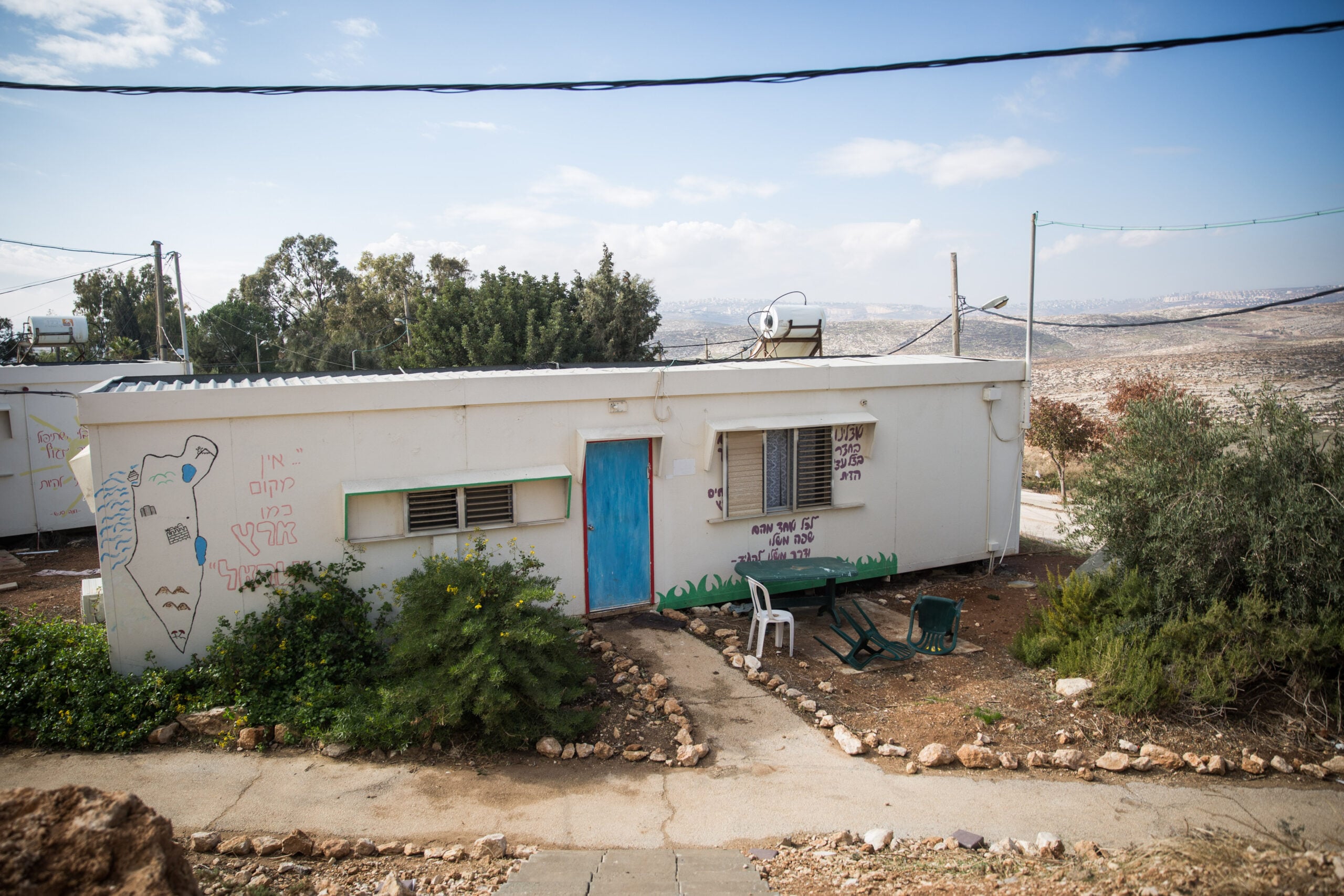
He described how over several sessions he introduces his students to the different ‘tribes’ in Israeli society. Not the tribes of Reuben, Simeon, Levi, and Judah, of course—he means the secular tribe, the religious, the ultra-Orthodox, and the Arab. When he finishes giving his students that in-depth introduction, he proves to them beyond any doubt that in practice, they—members of the secular tribe—are actually much closer in spirit and views to members of the Arab tribe.
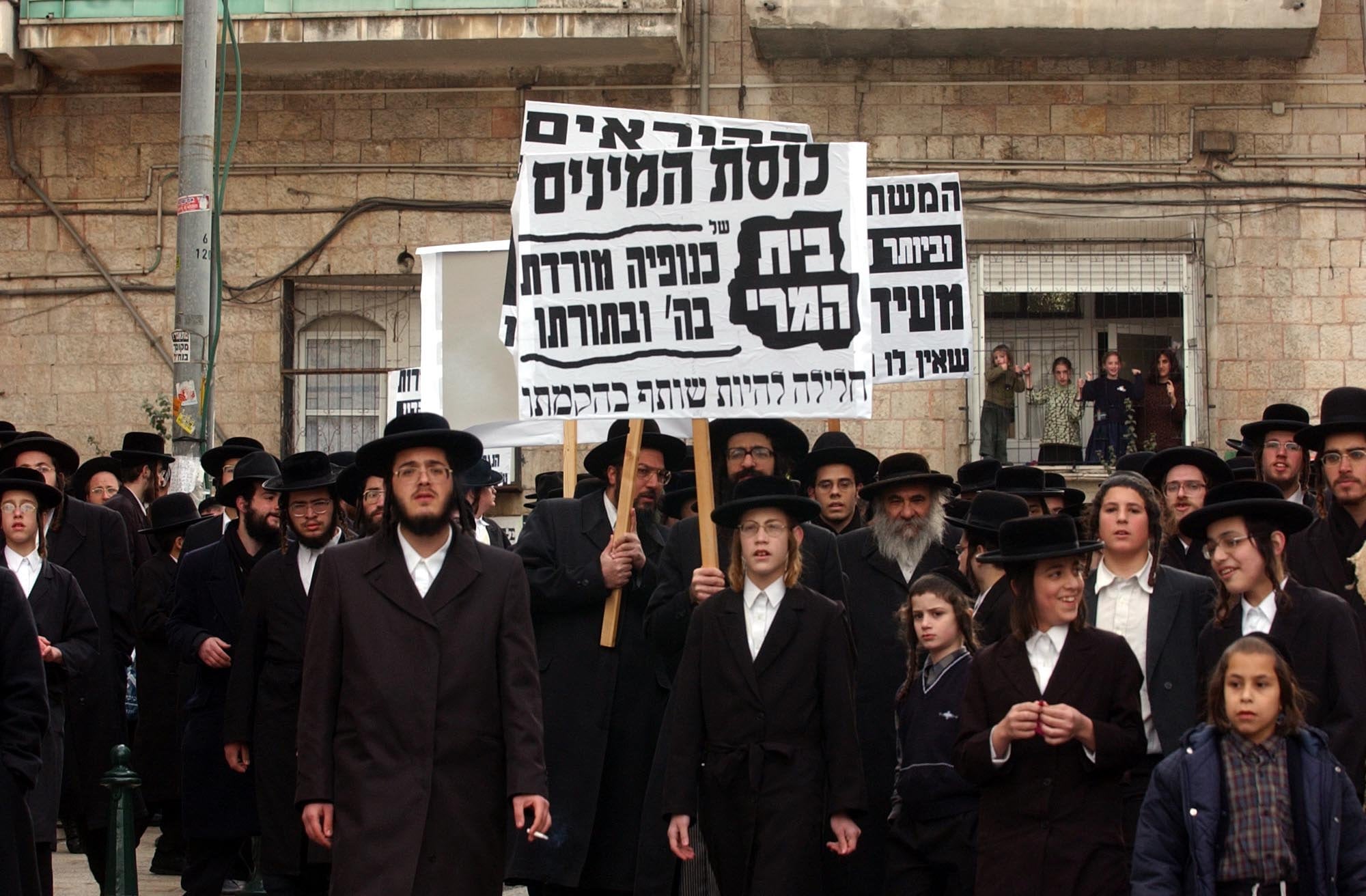
“I don’t stop talking about the subject until the last student says amen to everything I’ve explained,” he told me. Finally, he asks his students a summary question: Imagine a situation where terrorist organizations carry out two successful operations in which they take over two educational institutions in the State of Israel and conduct negotiations there for the release of hostages: one is a Satmar Hasidic cheder in Bnei Brak, and one is an elementary school in Kafr Qasim.
 4+
Now, he asks his students, you’re the leaders of the state and you have to decide where you send Israel’s best hostage rescue unit and where you send the second-best unit. Year after year, for more than twenty years now, he tells me, all the students without a single exception answer, all of them, in a quiet and embarrassed voice, that the Satmar Hasidim in Bnei Brak come first.
“I yell at them, mock them, explode with nerves,” he shared with me. “Just a few moments ago you all agreed that you’re closer in spirit and opinion to the Arab tribe, so what’s gotten into you?” he goes crazy. “But that’s the situation,” he concluded. “Brotherhood among Jews comes before everything.”
 4+
From time to time, when the flames of disagreements, hatred, and clashes reach their highest level and it seems like everything here is about to explode from division and hostility, I’m happy to remember this story to calm down for a moment. The last time we had such a moment—of hatred flames completely out of control—was in the period before that Simchat Torah Shabbat. A terrible period that flipped completely in a few seconds.
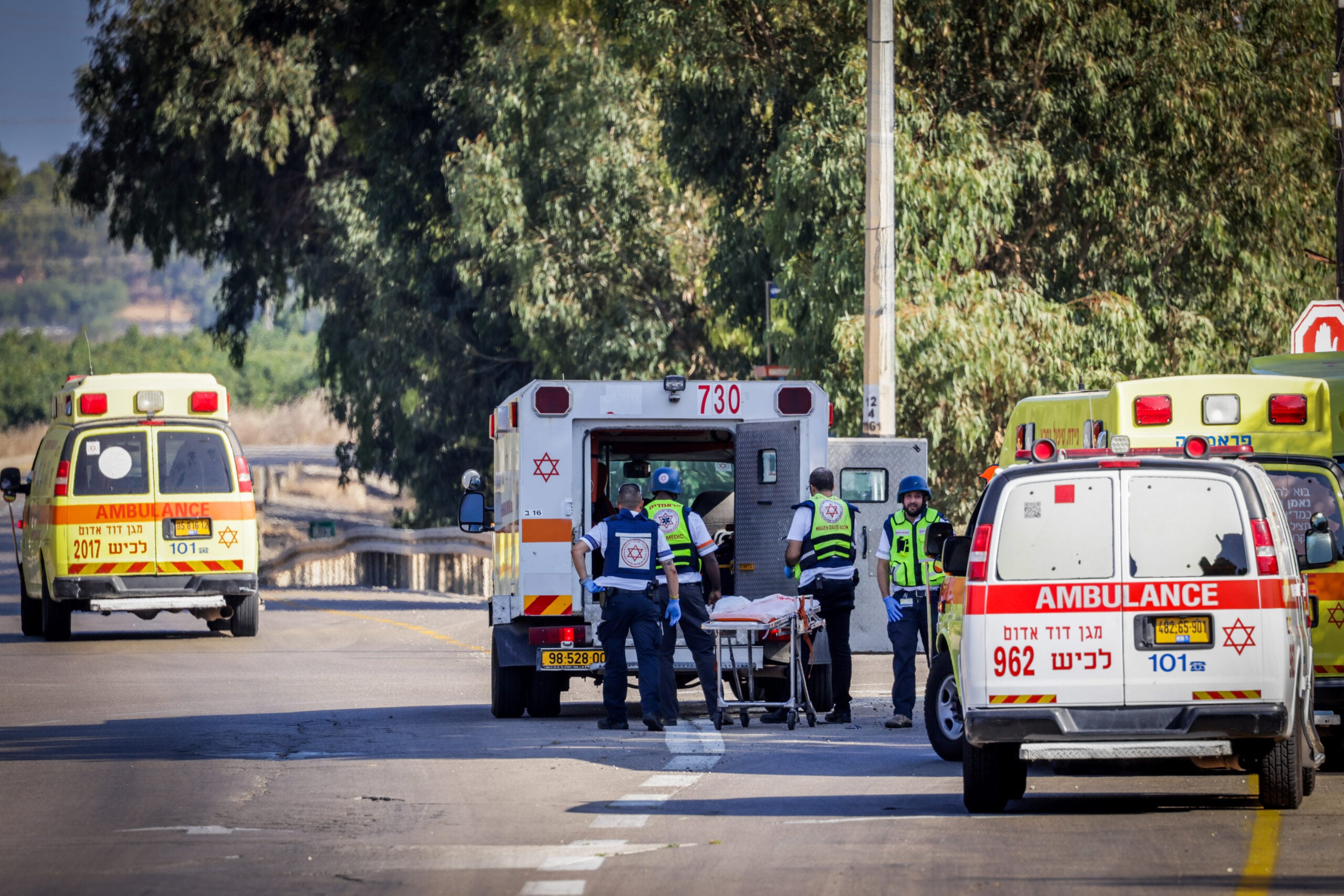
There are quite a few chilling memories from that Simchat Torah Shabbat and the days after that grab me from time to time, but for some reason there’s one type of memory that rises above all the others—from the first hours after the murderous attack began and for several weeks, an airlift started of hundreds of thousands of Israelis who were abroad and chose to return home. Some to fight, some to volunteer in various places, and some just to be part of it.
 4+
The memory of that American ultra-Orthodox Jew who takes it upon himself to pay for the plane ticket of every reservist soldier who chooses to leave the US and return to join his unit chills me. The image of hundreds, maybe more, huge bags loaded with combat equipment donated at lightning speed by Jews abroad, waiting for someone to load them at one of the airports so they can make their way to our fighters, chills me.
The image of a column of fighters walking by the fence of one of the communities—I don’t know which—and some grandmother giving each of them a kiss on the forehead and blessing them with tears chills me. There was something in those difficult hours, in those days and weeks, that so centered what’s real, important, meaningful, and existential—that we are one people standing alone against the entire surrounding environment that wants to devour us—and so overshadowed everything else: the differences, the lies, the clashes, the ‘yes Bibi, no Bibi,’ and the stubbornness. There was something in those difficult hours that was so different from the election period, which has now moved to its ugliest stages—the stages of negotiations on the way to forming a new government.
 4+
So it’s true that you really can’t live all the time in that elevation and rising above all the small disagreements. It’s true that those ‘small’ disagreements must be given a large place in our lives and it’s proper that each of the varieties of our society express itself and highlight its truth, so we all benefit from it. But with all that, we as a society must not normalize those who consider giving up the bond of brotherhood, even at its lowest level—brotherhood in order to survive here in this region—those who, in order to achieve political victories, are willing to cooperate with our enemies and those who hate us.
True, on the margins of the left there are those who have already given up on this brotherhood long ago and declared about themselves that they have nothing in common with a Jew in Judea and Samaria and they actually feel closer to an Arab from Kafr Qasim. But God forbid we think these are the face of the entire Israeli left. Therefore, we must not give up on it and must remind it morning and evening, honestly, with caring and from true love of Israel, that the bond between us and our protection of one another matter far beyond any local and temporary political achievement.