


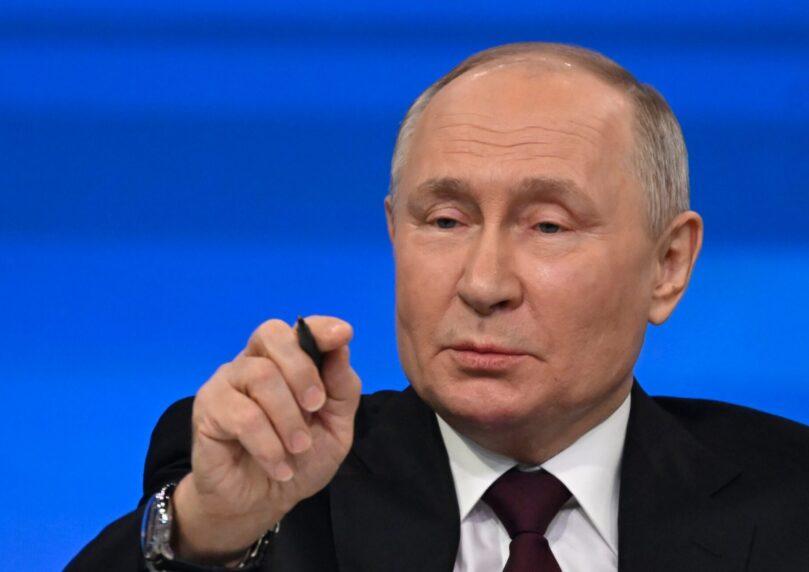

The war in Ukraine is approaching its fifth year, but the boundaries around it are starting to blur. Sabotage operations, cyber attacks, drone incursions, and increasingly open accusations from European countries toward Moscow are raising a question that once seemed almost theoretical: What happens if the conflict spills from Ukrainian territory into NATO?

 3+
3+Ram Feldsher, a doctoral candidate in political science at Bar-Ilan University and researcher at the Begin-Sadat Center, told C14 that Russia isn’t necessarily looking for all-out war with the West. Instead, it’s applying pressure on NATO and testing how far it can go—partly to make European countries think twice before continuing to transfer weapons and equipment to Ukraine.
Europe Is Arming—But Internal Gaps Are Wide
This fear plays out differently from country to country. “The further east you are, the more fearful and aggressive you are toward Russia. The further west you go, the less you understand what this is about,” Feldsher described, pointing to Poland’s military buildup, debates in Germany about reinstating conscription, and the gap with more western countries where willingness to enter a conflict is much lower.
 3+
3+There’s also a practical problem: Europe has increased defense spending in recent years, but production capacity is still far from what’s needed for prolonged war. “The missiles, the tanks, the aircraft, all this heavy ammunition—it takes time to produce, and you need production lines, and you need factories, and you need people who know how to do it.”
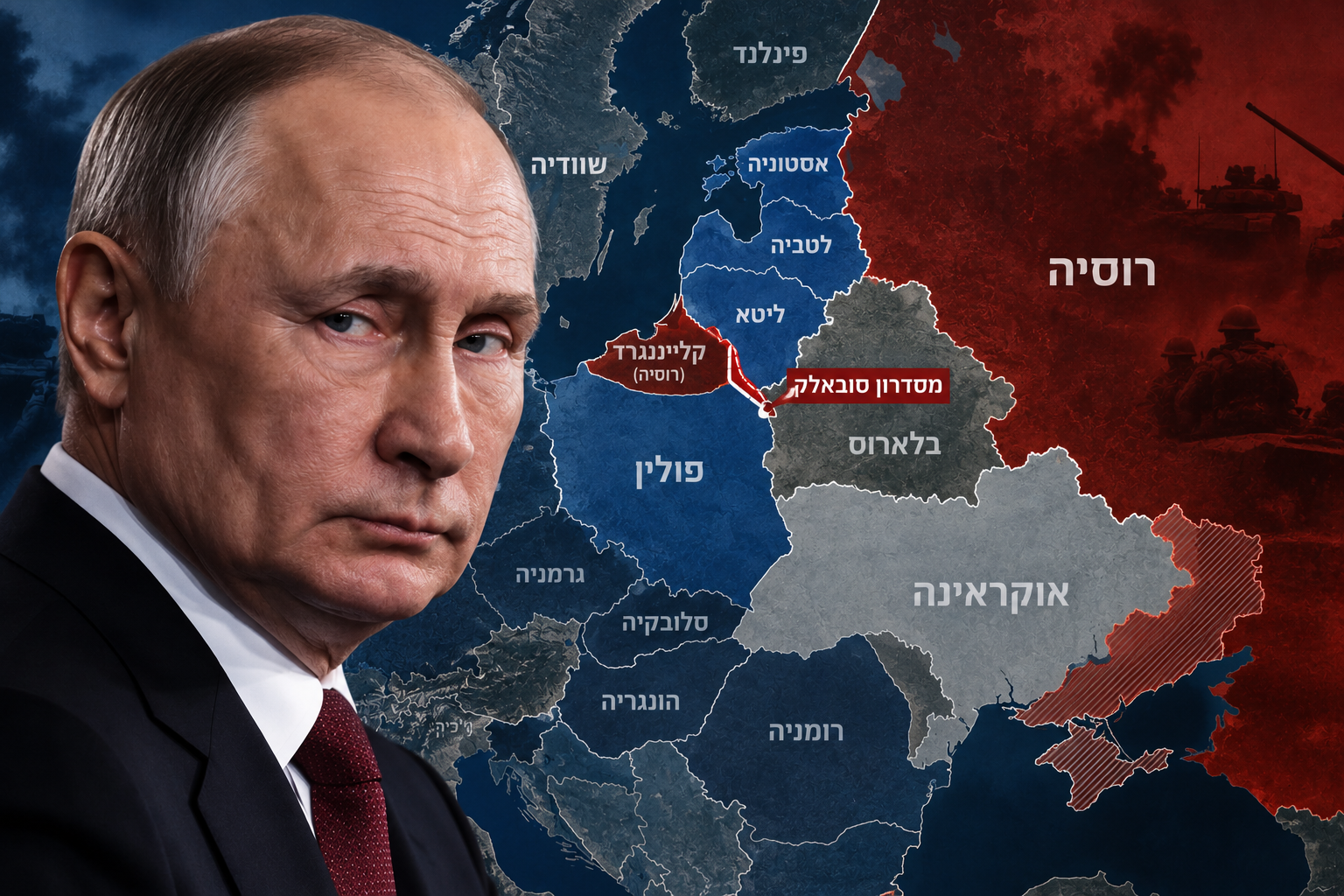
“They could create some provocation in Europe, make some move that would weaken the NATO alliance,” Feldsher explains, pointing to one of the most sensitive spots on the map: the Suwałki Corridor, a narrow strip between Poland and Lithuania that separates Belarus from the Russian exclave of Kaliningrad.
The Suwałki Gap.
65 km of land keeping three NATO countries connected to the alliance. pic.twitter.com/U60VyDlaky
— Clash Report (@clashreport) September 21, 2026
Its importance to Moscow is well known: Kaliningrad is cut off from the rest of Russia by land, and a connection through the corridor would create a direct land link between it and Belarus, Russia’s close ally. This would allow forces, weapons, and supplies to move without relying solely on sea and air routes.
The Scenario That Could Put Article 5 to the Test
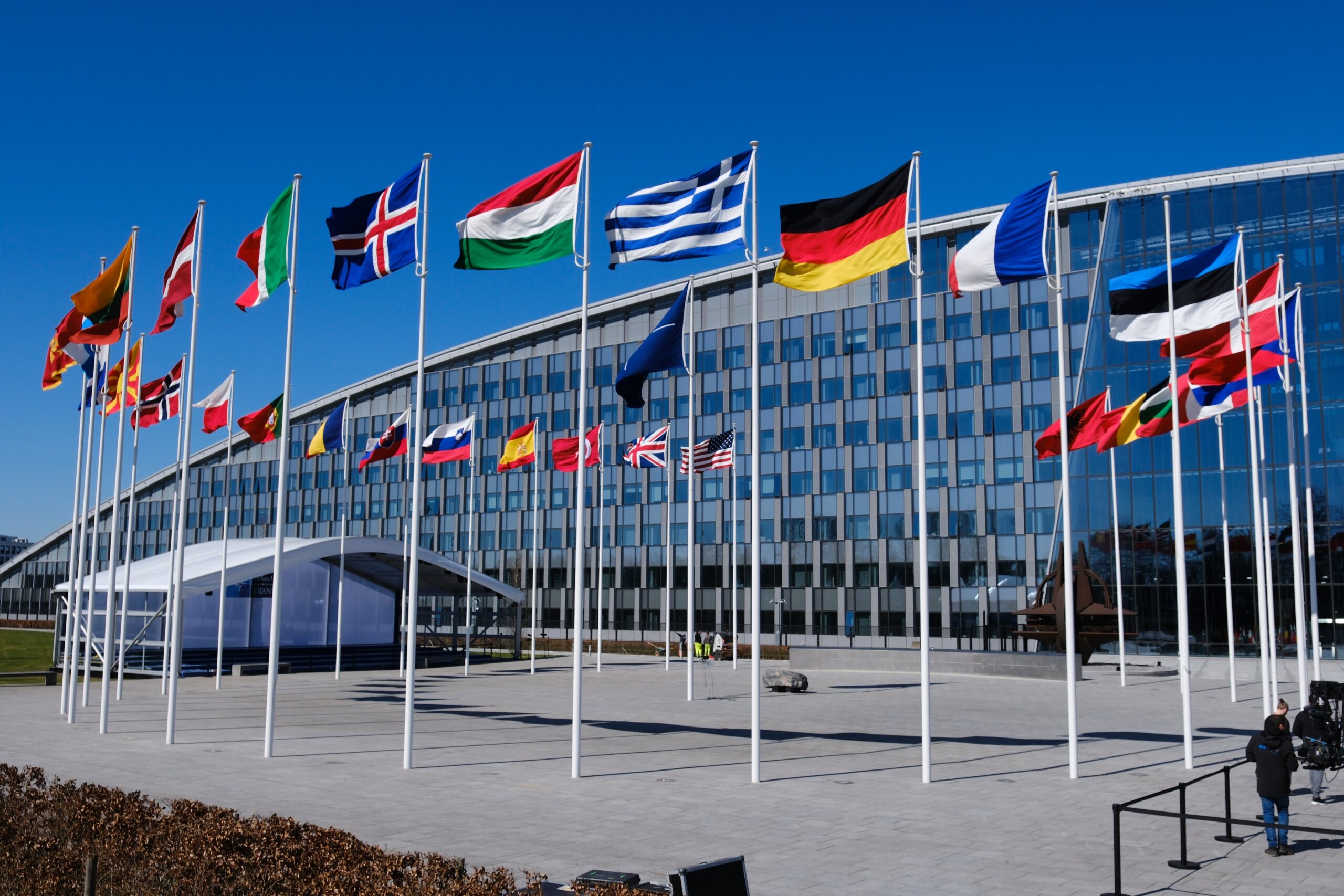
For NATO, a Russian attempt to seize even part of the corridor could pose a question far larger than the size of the territory: Would all alliance members really go to war against a nuclear power over a few dozen kilometers in Eastern Europe?
This is exactly where NATO’s Article 5—which states that an armed attack against one member is considered an attack against all—would be tested. On paper, an attack on one alliance member is considered an attack on all. In practice, Feldsher estimates Russia might try to create an ambiguous scenario, one that doesn’t immediately look like a classic invasion and makes it harder for member states to reach consensus on a response.
One example he raises is Narva in Estonia, a border city where the vast majority of residents are Russian speakers. In such a scenario, Moscow doesn’t have to send a regular army across the border. “Little green men with weapons could appear,” Feldsher said, “like they appeared in Crimea back in 2014.”
Feldsher estimates this is exactly the kind of loophole Moscow might try to exploit: “Estonia could lose a piece of territory. On one hand, it’s a blatant violation of Estonia’s sovereignty. On the other hand, how do you play this legally and should we activate Article 5 over this.”
World War III?
Still, even if Russia tries to push the envelope, it’s far from being in a comfortable position for total war. Nearly five years of fighting in Ukraine have taken a heavy toll, and the Russian military has been worn down over time.
That’s also why he doesn’t see world war as the most likely scenario right now: “We all imagine world war in the format of World War II, but reality has changed a bit.”
 3+
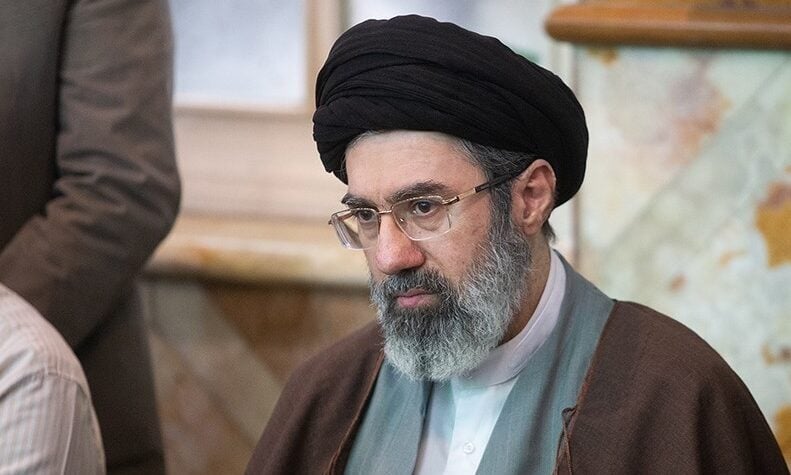
3+Even if the conflict expands, it’s not certain Russia could build a unified military bloc around it. “Russia and Iran are not blood allies. This is an interest-based alliance, completely instrumental,” Feldsher explained, noting that China is also avoiding direct involvement at this stage and maintaining a more cautious line.
Is Escalation Actually the Path to Ending the War?
This raises another possibility for the current escalation: not preparation for a wider war, but Moscow’s attempt to improve the terms for ending the war in Ukraine. Russia is facing military and economic attrition, and at some point will need to present the Russian public with an outcome that can be framed as an achievement: “They need to sell a narrative of victory.”
 3+
3+In such a scenario, pressure on Europe becomes a bargaining tool: make NATO countries hesitate before continuing to pour weapons into Ukraine, reduce pressure on Russian forces in the field, and improve Moscow’s opening position ahead of negotiations.