


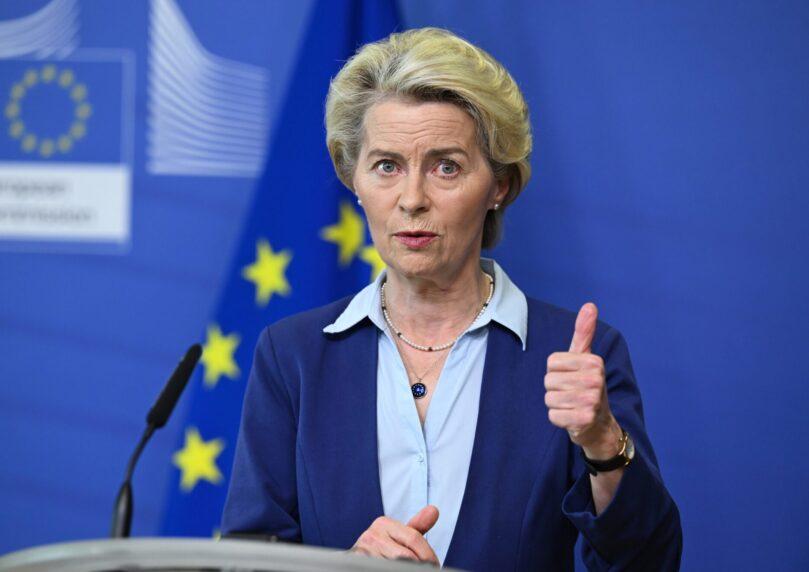

The European Union announced Monday it will send a joint delegation of senior officials from the European Commission and European Council to peace talks between Russia and Ukraine, set for tomorrow and the day after (November 10 and 11) in Abu Dhabi, brokered by the United States. Representatives from France, Germany and Britain will also participate in the negotiations in an effort to advance a settlement to end the war.


 1+
European Commission President Ursula von der Leyen approved the EU’s participation after speaking with Ukrainian President Volodymyr Zelensky. “The European Union will be present alongside our partners,” she declared, emphasizing the need to restore and maintain freedom of navigation in the Black Sea. She said she reiterated support for Zelensky’s call for a ceasefire that would include food and energy infrastructure.
The EU delegation will be led by Björn Seibert, von der Leyen’s chief of staff, and Anna-Maria Busse Berger, senior foreign policy advisor to European Council President António Costa.
One option being considered is a direct meeting between EU representatives and the Russian delegation—a move that has not yet occurred in the current negotiations to end the war. However, it’s unclear at this stage whether such a meeting will actually take place in Abu Dhabi.
U.S. envoy Jared Kushner said last week that multilateral negotiations could be held if progress is made in the talks, but did not clarify whether the meeting would occur in the upcoming round.
European Divisions Over the Negotiations
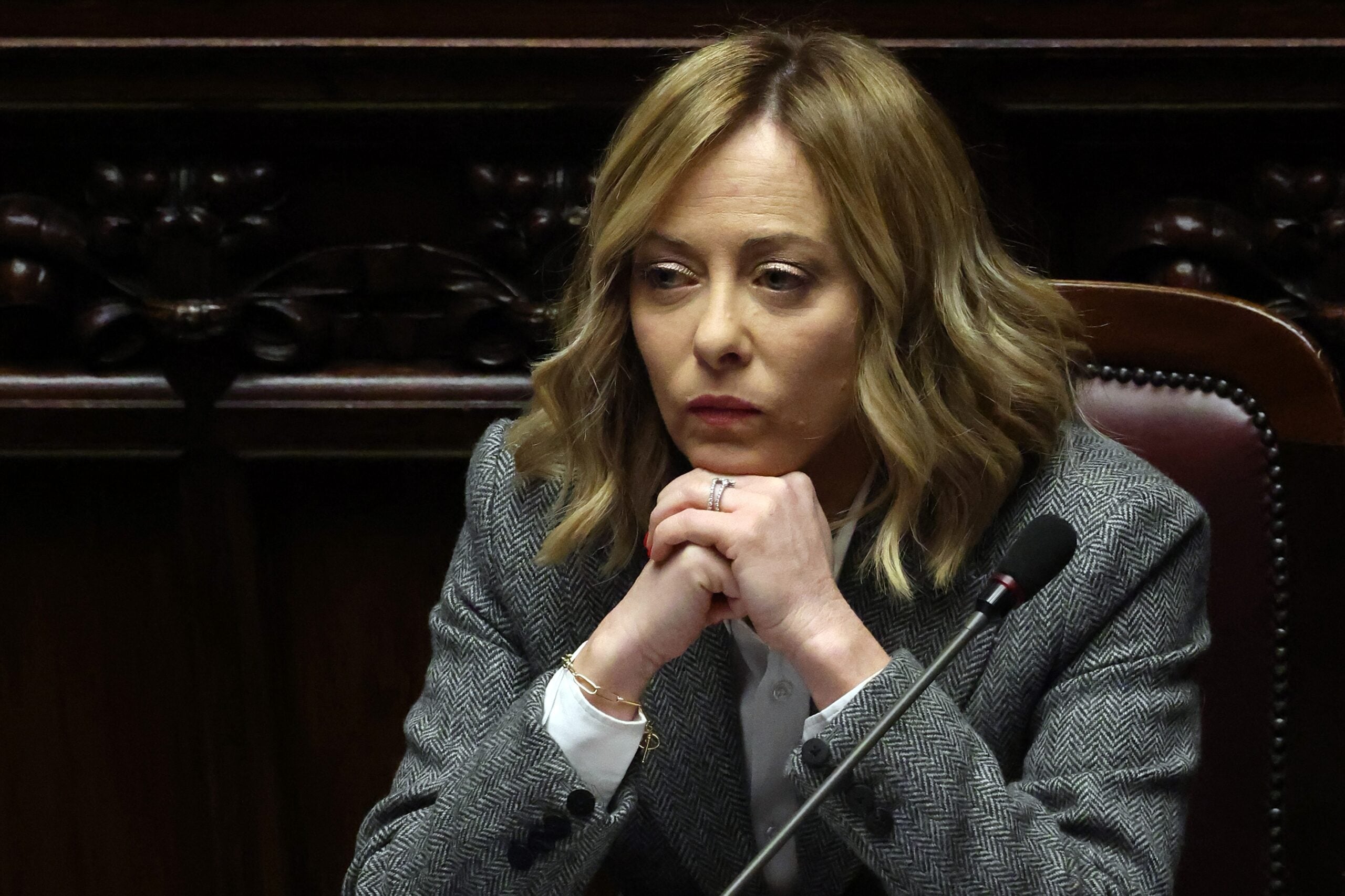
The decision to send a European delegation comes amid disagreements among EU member states over how to participate in the negotiations. Italian Prime Minister Giorgia Meloni recently sent a sharply worded letter to European Council President Costa, criticizing the lack of coordination between diplomatic channels and demanding the appointment of a special EU envoy for the peace talks.
 1+
Costa responded that the issue would be discussed at an informal summit to be held this week in Dublin, immediately after the Abu Dhabi talks conclude.
Polish Foreign Minister Radosław Sikorski also expressed concern about holding contacts with Moscow without considering the positions of Eastern European countries. “The last thing we want is for Western Europe to conduct contacts with Russia over the heads of Eastern European countries,” he said.
Meanwhile, Kushner’s proposals for reshaping Europe’s security architecture after the war have drawn reservations among U.S. allies. Zelensky even called the initiative “dangerous,” while European officials argued the discussion is premature as long as Russia has not presented concessions in the negotiations.
Who Will Participate in the Abu Dhabi Talks?
The upcoming round of talks will mark the resumption of trilateral negotiations between the United States, Russia and Ukraine, after contacts were frozen in February following the war in Iran, which diverted American attention to the Middle East.
The Ukrainian delegation will be headed by Rustem Umerov, chief of the foreign intelligence service, alongside Kyrylo Budanov, Sergiy Kyslytsya and Davyd Arakhamia, head of the ruling faction in parliament.
The Russian delegation will be led by Vladimir Medinsky, advisor to President Vladimir Putin, alongside Deputy Foreign Ministers Sergey Ryabkov and Mikhail Galuzin. The United States will be represented by special envoys Steve Witkoff and Jared Kushner.
Despite the expanded European participation, it remains unclear whether the upcoming round of talks will lead to real progress toward an agreement. The central question is whether the sides will succeed in bridging their disagreements, and particularly whether Russia and Ukraine will agree to steps that would allow the negotiations to advance.