



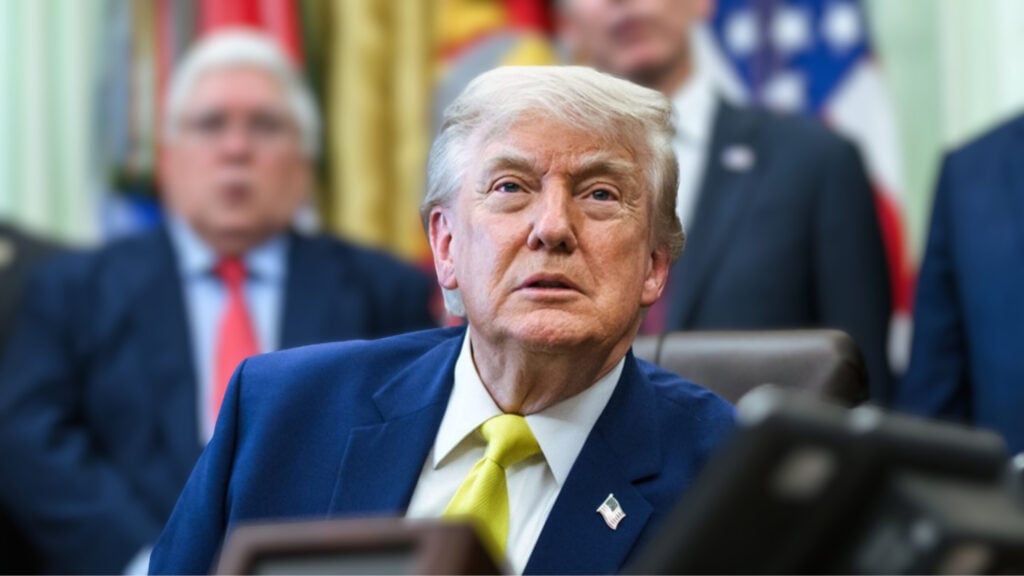
President Donald Trump made clear Sunday night in an interview with CBS’s “60 Minutes” that he doesn’t regret his decision to go to war against Iran, despite the Republican Party’s defeat in the midterm elections and public criticism of the campaign. The president emphasized that preventing nuclear weapons from reaching the regime in Tehran remains a central goal for him, even if the war has damaged his political standing. At the same time, he reiterated the importance of American military operations to Israel’s security, and made clear that the decision to strike Iran was the right one in hindsight.

 6+
During the interview, Trump was asked about the political fallout from the Iran war and about criticism voiced by Vice President JD Vance following the Republican loss in the elections. The president didn’t rule out the possibility that the war hurt public support for his party, but emphasized that the central question for him is whether the decision to launch the campaign was right in the first place.
“You can’t allow Iran to get nuclear weapons. I believe that historically, this will be a very good decision. Is it a good decision for today and tomorrow? Maybe not, but I have to act according to what’s right for our country,” Trump said. In his remarks, the president sought to distinguish between the immediate consequences of the war and its long-term security significance. He presented the decision to launch the campaign as a step designed to prevent a future threat, even if the American public doesn’t support it now.
 6+
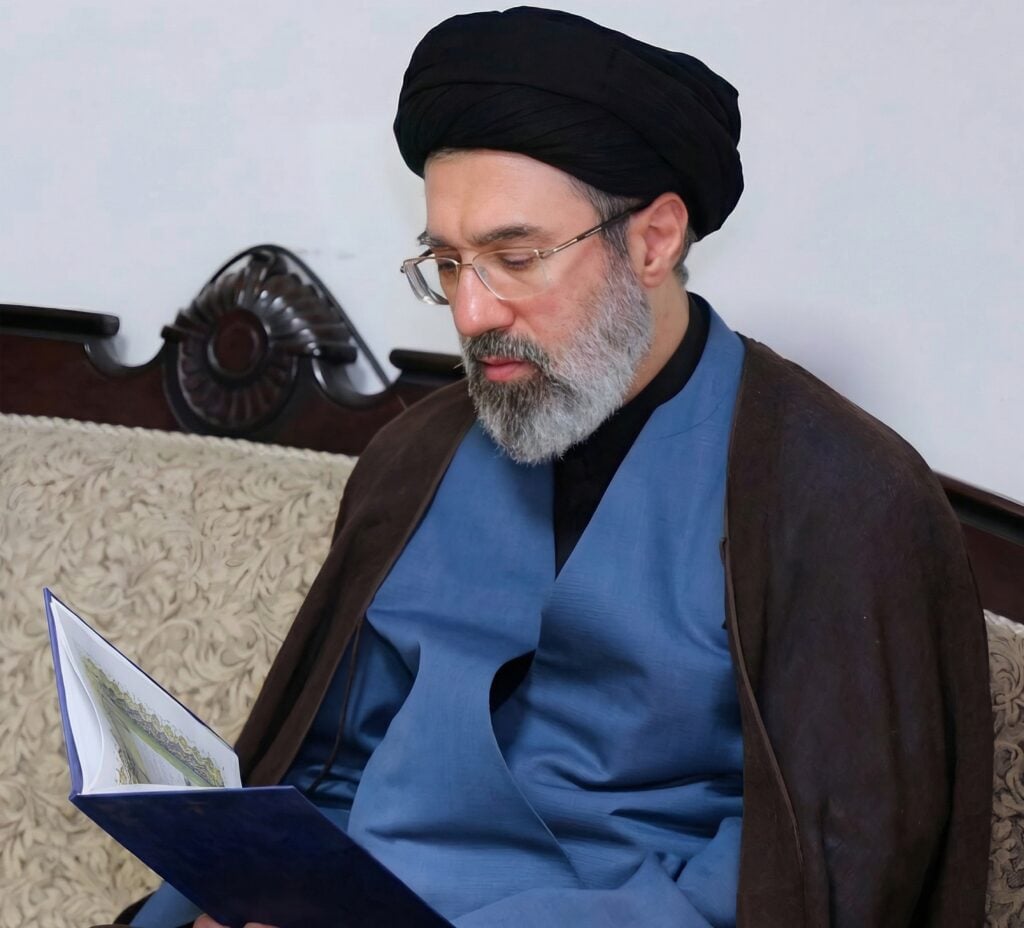
During the conversation, Trump addressed comments his vice president made after the midterm defeat. Vance pointed to the Iran war, the cost of living, and attitudes toward Israel among the American public as factors that influenced the election results. Trump made clear he doesn’t necessarily disagree with Vance’s political analysis, but argued it was missing the central question: was it right to go to war against Iran in the first place?
President Trump explained that for him, preventing nuclear weapons from reaching the Iranian regime was more important than the political cost of the campaign. He added that if Tehran had obtained such weapons during his term, the criticism against him would have been far more severe.
 6+
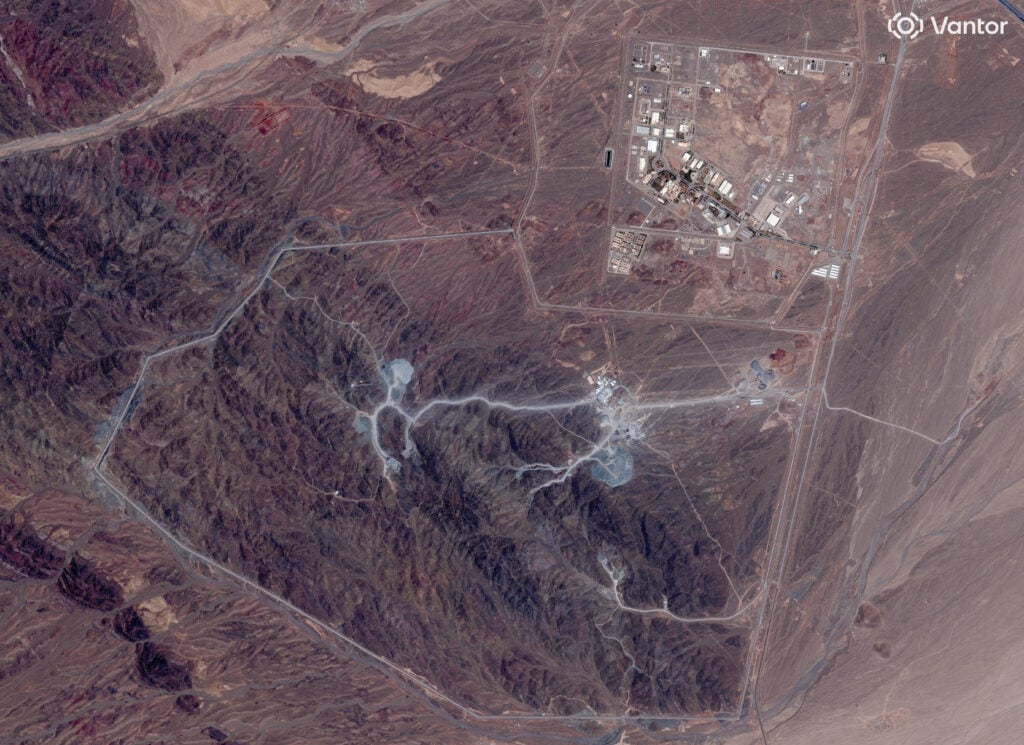
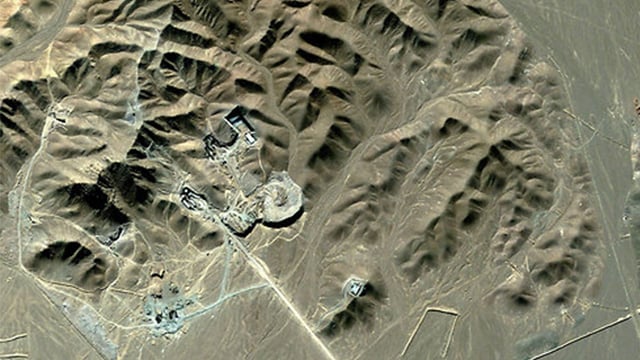
Later in the interview, Trump also addressed America’s role in defending Israel and the strikes his forces carried out against Iranian nuclear facilities. “Without us, Israel wouldn’t exist,” the president declared. Trump attributed critical importance to Israel’s security to the strikes carried out by American B-2 bombers against three nuclear sites in Iran. According to him, the operations carried out by the United States severely damaged Tehran’s capabilities and prevented it from advancing toward obtaining nuclear weapons.
During the interview, the president was also asked about the current state of Iran’s nuclear program and the possibility that Tehran still holds nuclear material despite the American strikes. “I prevented them from getting nuclear weapons. That’s a big thing,” Trump said. The president claimed that Iranian nuclear material is buried under thousands of tons of rock following the bombings, and expressed confidence in the extent of damage caused to the facilities that were attacked.
 6+
Despite his tough statements against the regime in Tehran, Trump made clear during the interview that he doesn’t seek at this stage to expand the military campaign against Iran, and that he doesn’t currently see a reason for further escalation. However, the possibility can’t be ruled out that the relatively reassuring message is part of deliberate fog of war, designed to leave the Iranian leadership in uncertainty about Washington’s true intentions and next moves.
Alongside Trump’s remarks, Secretary of State Marco Rubio also defended the administration’s decision to go to war against Iran, despite the political cost and public opposition. “Often, the right thing to do for the country, to deal with difficult challenges related to its security, isn’t necessarily popular, but it’s necessary,” Rubio told reporters.
 6+
The secretary of state emphasized that the administration continues to view preventing nuclear weapons from Iran as a central security goal, even when the war draws public criticism and damages the Republican Party’s political standing. At the same time, Rubio addressed diplomatic contacts with Tehran and made clear that negotiations are still not close to a breakthrough. “I wouldn’t say we’re on the verge of a breakthrough,” he said, referring to demands presented by the Iranian regime, which he described as “outrageous, ridiculous and unrealistic.”
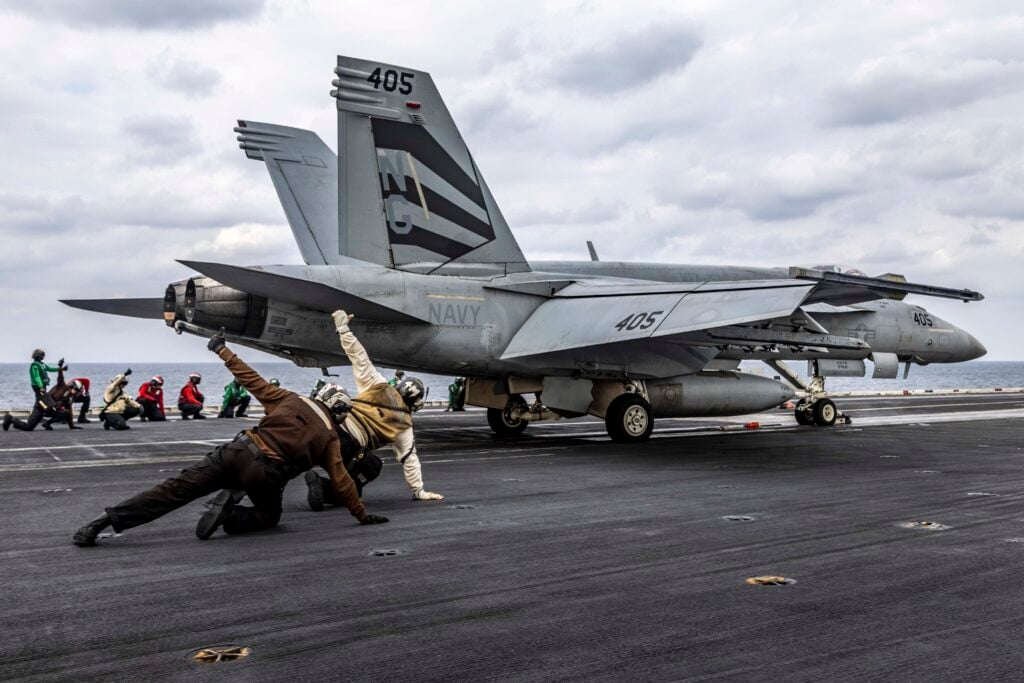
On the ground, American military activity hasn’t stopped. Last Friday, American forces struck an Iranian air defense system near Qeshm Island, in the Strait of Hormuz area, in an operation defined as limited. At the same time, reports continue of strikes on vessels and explosions in southern Iran. The Revolutionary Guards claimed that two oil tankers were hit by mines, and another vessel caught fire. The United States, for its part, announced it disabled a commercial ship that tried to break the American blockade. Some of the reports on the strikes haven’t been independently verified.
 6+
Alongside the military moves, Washington has expanded pressure on Tehran through a new task force called “Iron Gate,” designed to prevent the transfer of advanced weapons systems and materials subject to sanctions to Iran through its land borders and the Caspian Sea. This is an attempt to tighten the blockade beyond the maritime space of the Persian Gulf. The Revolutionary Guards rejected the American threats and claimed that Iran has prepared for the move and that its ties with neighboring countries will allow it to deal with the restrictions.
On the diplomatic front, Qatar continues to mediate between Washington and Tehran in an attempt to reach understandings that would allow the campaign to end. Iran conveyed a proposal to the United States on the nuclear issue, but conditions continued talks on a series of demands, including lifting sanctions, releasing frozen assets, compensation for war damages, and lifting the blockade. The American administration, on the other hand, demands that the nuclear issue stand at the center of contacts already in the first stage. Secretary of State Marco Rubio made clear that a breakthrough is still not close.
One of the central issues that remain open is the fate of Iran’s enriched uranium stockpile. According to data from the International Atomic Energy Agency cited in an AP report, Iran held 440.9 kilograms of uranium enriched to 60% level, before the ability to monitor the inventory was damaged following the war. As part of proposals being discussed between the sides, the possibility arose of allowing international inspectors access to the bombed nuclear facilities, as part of a broader arrangement that would also include easing the blockade and reopening the Strait of Hormuz.
 6+
Despite Trump’s statements that he’s not interested at this stage in expanding the campaign, the military option remains on the table. According to reports published over the weekend, Israel prepared for the possibility of another American strike in Iran, but the order wasn’t given. It was also reported that the president gave his senior officials a few more days in an attempt to reach an agreement with Tehran. At the same time, Trump warned that the United States has already marked additional infrastructure targets in Iran, including dozens of bridges, in case fighting resumes on a large scale.