



Far-left Canadian Prime Minister Mark Carney addressed the European Parliament in Strasbourg, France, on Thursday afternoon, declaring he welcomes the EU’s proposal to make Canada the bloc’s first “associated partner” in its history. Carney made clear the move isn’t aimed at creating a third bloc to compete with the U.S., but rather to ensure the economic independence and resilience of his country and Europe. He emphasized the partnership is designed to strengthen resilience so no one can undermine Canadian sovereignty, and stressed that no one will dictate to his country which agreements to sign.
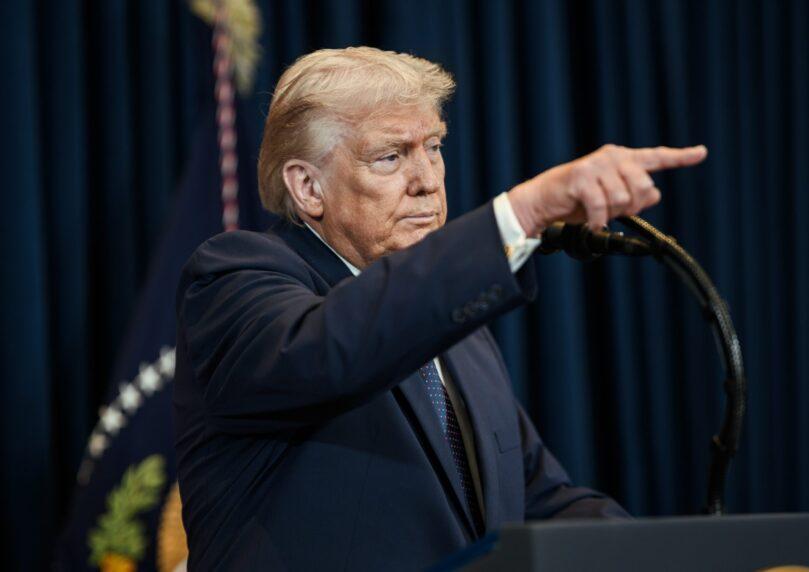
The dramatic move comes as Canada distances itself from its traditional economic and political partner, amid the trade war renewed by President Donald Trump. Trump has imposed tariffs of up to 50% on Canadian goods, which Canada has matched with similar measures, alongside his repeated statements about wanting to annex Canada and make it the 51st state. Overnight, Trump protested the Canadian-European initiative, warning it could constitute a “hostile act” against Washington, and threatened to impose massive tariffs or even completely halt trade with Europe in certain sectors.
The original proposal to grant Canada associated status was presented Wednesday evening by European Commission President Ursula von der Leyen, and on Thursday officials in Brussels clarified there is no hostile intent toward the U.S. in the move. The new status is not currently defined in EU treaties, but according to reports is intended to allow Canada’s integration into the European market in strategic areas such as energy, artificial intelligence, defense industry, and critical minerals, without compromising sovereign principles. The move will require approval from EU member states as well as the Canadian Parliament.