


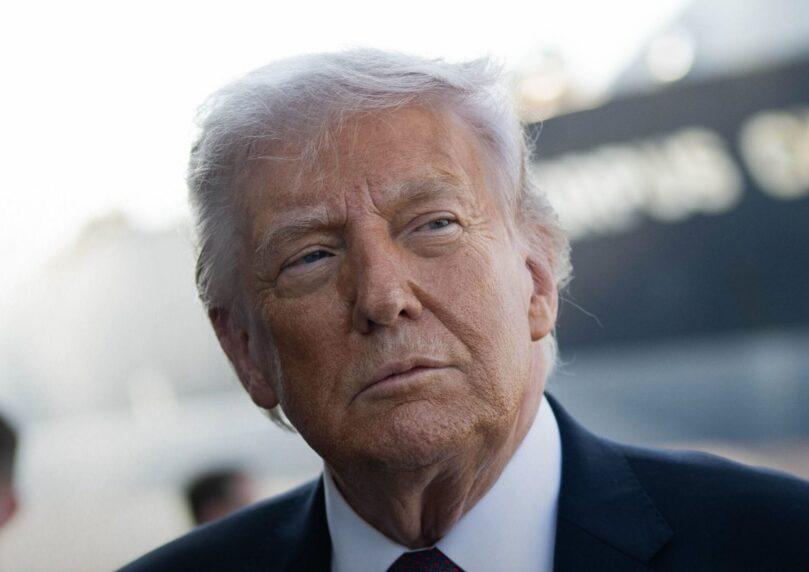

U.S. President Donald Trump said today (Wednesday) that he expects the war with Iran to end shortly after the U.S. midterm elections in November, offering one of his clearest predictions yet for when the months-long conflict could finally draw to a close. Trump suggested, however, that the timeline could change if Tehran agrees to abandon its pursuit of a nuclear weapon, reiterating a demand that has remained at the center of his administration’s campaign against the Islamic Republic.
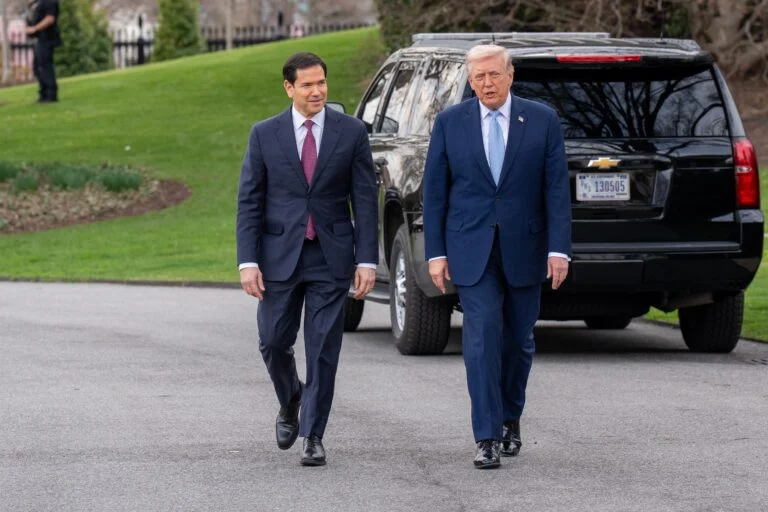

 3+
3+Trump’s comments came as the renewed escalation with Iran sent oil prices sharply higher, with Brent crude climbing above $100 a barrel Wednesday for the first time since July. Asked about the economic impact, Trump indicated that elevated oil prices were unlikely to ease significantly until after the midterms, while expressing confidence that the conflict itself would end shortly afterward because Iran would not be able to sustain it indefinitely.
The president has repeatedly insisted that preventing Iran from obtaining a nuclear weapon remains the overriding objective of the U.S. campaign. Just days ago, Trump described the fighting as a “military conflict” rather than a full-scale war and called it “small potatoes” for the United States, noting that American operations have largely consisted of intermittent strikes rather than a ground campaign. He again stressed that Iran would not be permitted to acquire nuclear weapons under his administration.
 3+
3+Trump has also made clear in recent weeks that Tehran still has the option of changing course. In August, after accusing the Islamic Republic of squandering opportunities to reach an agreement, he announced what he described as the most severe economic campaign ever imposed on a country, threatening consequences for governments, financial institutions and businesses that continue providing Iran with an economic lifeline. “IRAN WILL NEVER HAVE A NUCLEAR WEAPON,” Trump declared at the time.
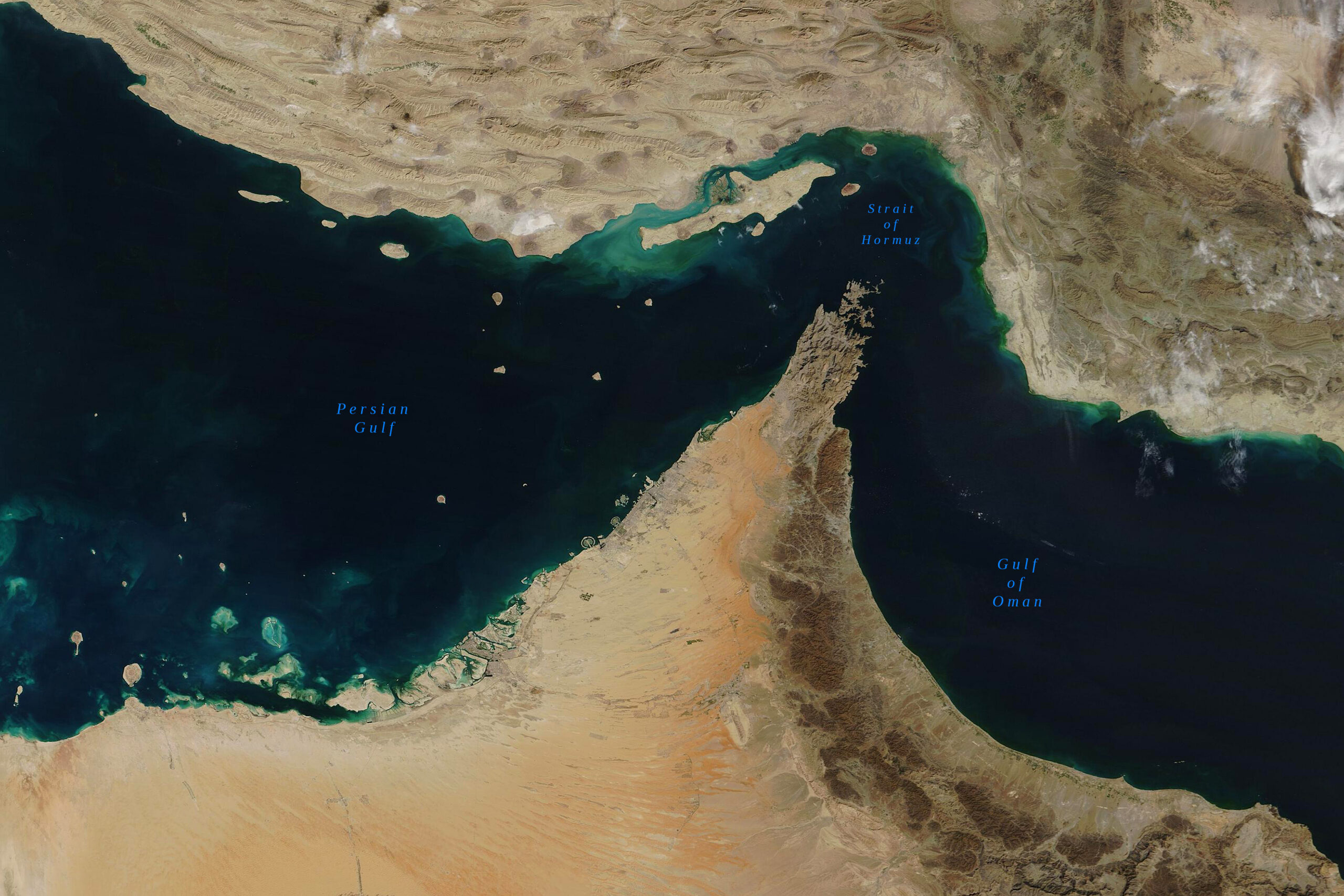
The latest remarks come amid another sharp escalation between Washington and Tehran following a period of relative calm. U.S. and Iranian forces have exchanged attacks in recent days, with tensions centering heavily on shipping and energy infrastructure around the Strait of Hormuz. The renewed fighting has rattled global energy markets and intensified fears of further disruptions to oil supplies from the Gulf.
 3+
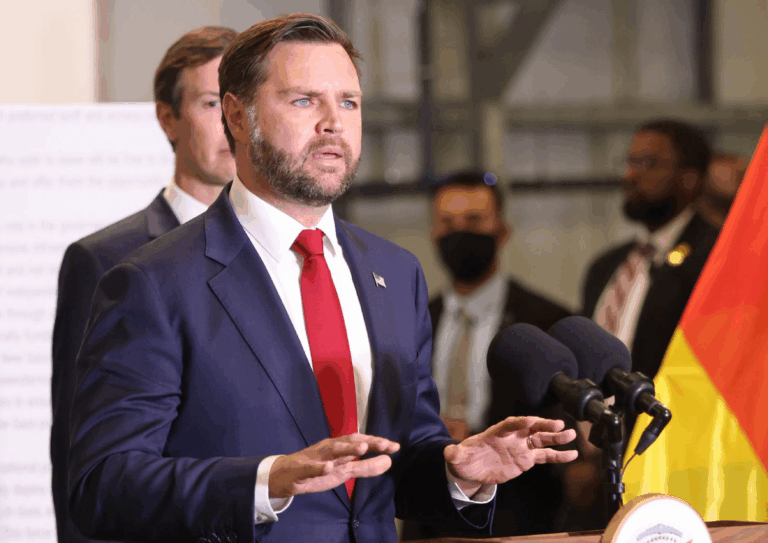
3+Vice President JD Vance had been notably less willing to offer a timeline just days earlier. Speaking at the White House last Thursday, Vance declined to predict whether the conflict would be over by the November elections and said there were currently no negotiations with Tehran while Iran continued attacking commercial shipping. He argued, like Trump, that the current hostilities should not be considered a conventional war.
The timing is politically significant for Trump as Republicans fight to maintain control of Congress in the Nov. 3 midterm elections. The prolonged Iran conflict and resulting pressure on energy prices have emerged as major political vulnerabilities for the administration, while Trump has promised to campaign heavily for Republican candidates in dozens of competitive races.
 3+
3+The administration is already working on what comes next. U.S. officials have begun drafting a post-war Middle East strategy aimed at containing Iran while expanding normalization between Israel and its Arab neighbors. According to officials familiar with the effort, both Israel’s Oct. 27 election and the U.S. midterms are looming over the planning for the region after the Iran war ends.
Trump also addressed the new British-led sanctions targeting Israeli communities in Judea and Samaria, saying he intends to discuss the measures with Israel. Britain announced restrictions on goods tied to Israeli communities and a new sanctions regime targeting individuals and companies involved in construction, infrastructure, financing and real estate activity in the area. The measures have triggered a fierce response from Jerusalem, including the closure of the British Consulate in Jerusalem.