


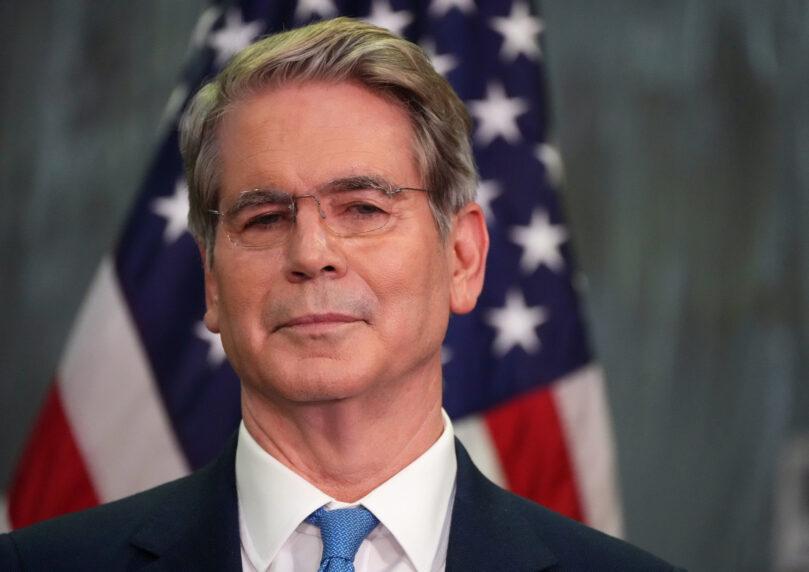

U.S. Treasury Secretary Scott Bessent revealed in an interview with CNBC that America’s economic isolation campaign against Iran is severely hitting the regime’s revenue streams. According to Bessent, Tehran is struggling to obtain dollars, Revolutionary Guards officials fear economic collapse, and their personnel aren’t receiving salaries on time. The economic pressure is also disrupting cash transfers to Hamas, Hezbollah, and the Houthis. Bessent warned that Iran’s economy could shrink by as much as 25% within a year.
Bessent told CNBC that the American economic blockade against Iran is starting to show results inside the Revolutionary Guards and among Tehran-backed terror organizations. The Iranian regime is struggling to obtain foreign currency, pay its personnel, and transfer funds to Hamas, Hezbollah, and the Houthis, he said. Bessent claimed that senior Revolutionary Guards officials are already talking openly—and in closed conversations—about the possibility of economic collapse, and estimated that continued embargo on Iranian oil exports could lead to a contraction of up to a quarter of the country’s economy within a year.


 5+
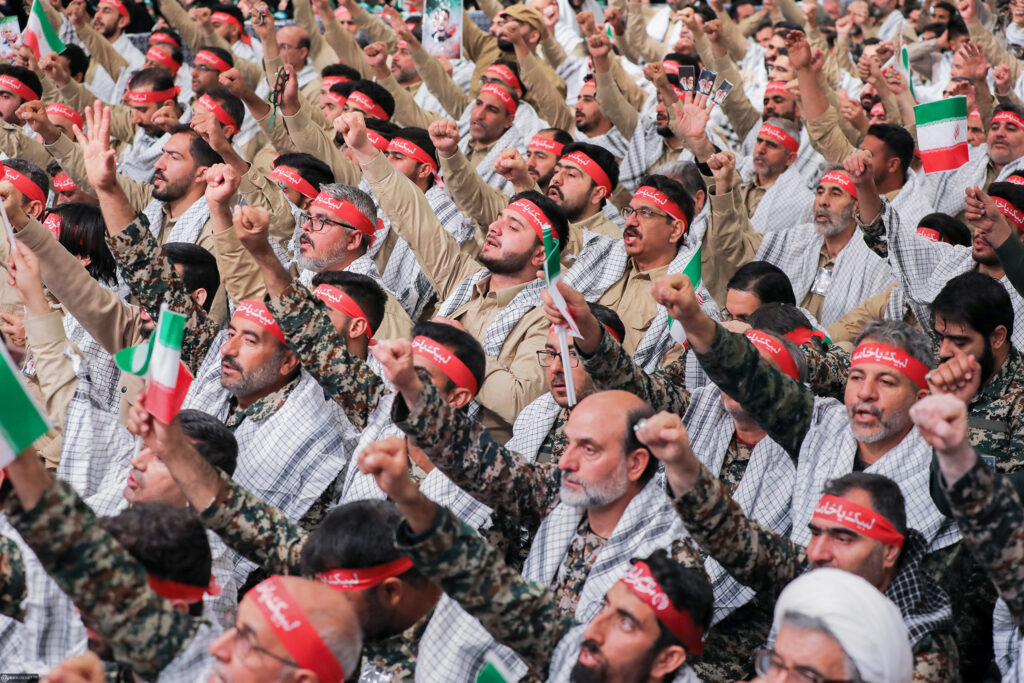
In the CNBC interview, Bessent addressed the results of the American operation designed to isolate Iran’s economy and damage the regime’s ability to fund its military activity and the organizations it backs across the Middle East. According to the Treasury secretary, economic pressure on Tehran is intensifying to the point where fear of collapse is no longer limited to civilian officials but has reached the top echelons of the Revolutionary Guards. “Over the summer, elected officials began to voice their concerns about the economy publicly,” Bessent said. “Now, publicly and in private conversations, the Revolutionary Guards are very worried. They’re talking about collapse.”
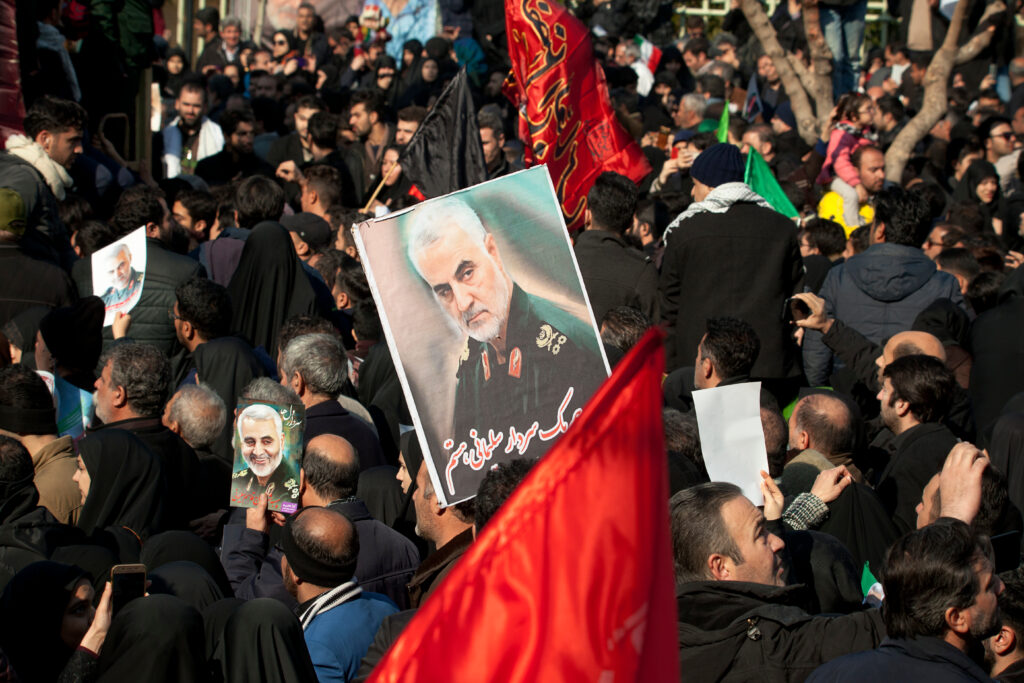
According to him, one of the regime’s central problems is the dollar shortage, which makes it difficult to continue funding routine operations. “They’re unable to obtain dollars,” Bessent explained, adding that the damage to funding sources is felt outside Iran’s borders as well. “What we’re also seeing with their proxies, whether it’s the Houthis, Hamas, or Hezbollah, is that their funding sources are being cut off.”
 5+
In a statement Bessent posted on his official X account today, he elaborated on the economic operation’s effects and the difficulties facing the Iranian regime. “As part of Operation Economic Outcast, the Iranian regime’s lifelines are drying up, and its proxies are feeling the pressure,” he wrote.
“Tehran is struggling to move money, while the IRGC is reportedly failing to pay its own troops. We are cutting the regime’s ability to fund the Houthis, Hamas, and Hizballah.” Bessent closed with a warning: “We will not allow Tehran to continue financing their campaign of terror.”
 5+
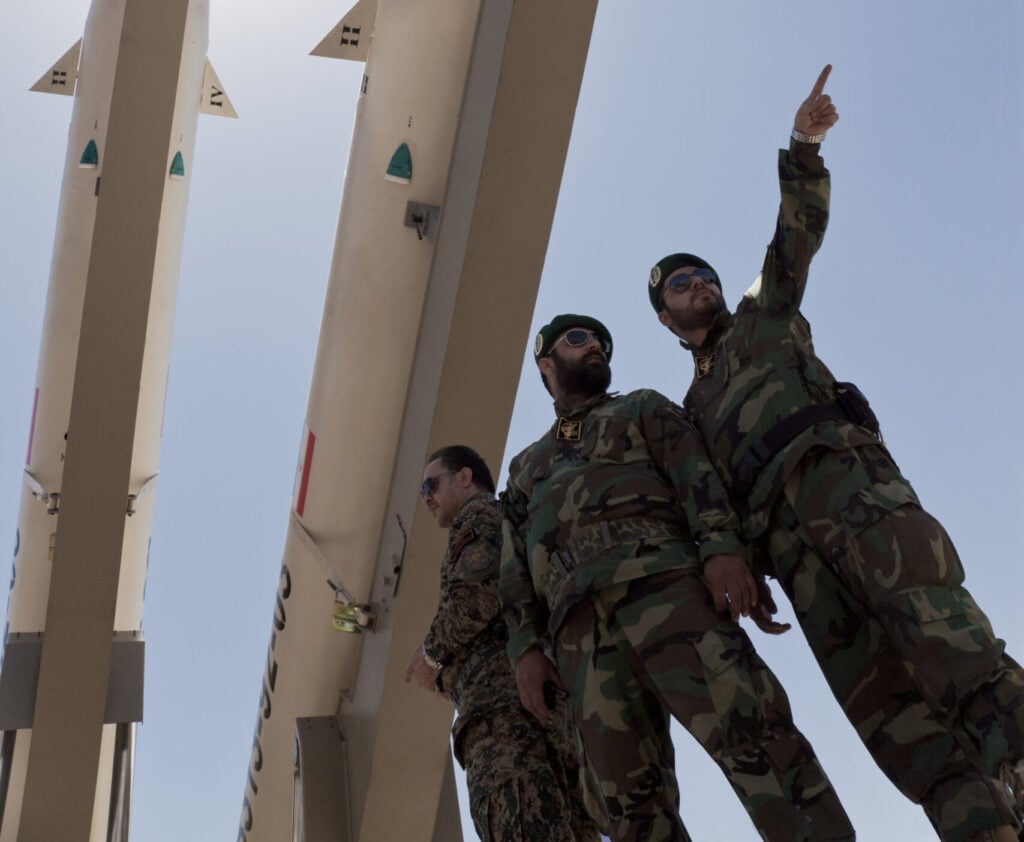
One of the central components of American pressure is damaging Iran’s ability to export oil, a vital revenue source for the regime. According to Bessent, the embargo the United States imposed on Iranian oil exports has created an unusual situation where Tehran struggles to get its product to international markets. “Apparently, for the first time since Iran began producing oil, it has no barrels of oil at sea,” the U.S. Treasury secretary claimed.
Bessent explained that although Iran has certain quantities of oil stored on its territory, the embargo prevents it from marketing them in a way that would allow it to bring foreign currency into state coffers. The revenue hit is happening alongside the weakening of Iran’s currency, the rial, and a growing dollar shortage. According to him, the combination of these two factors makes it difficult for the regime to pay for equipment, services, and military activity.
 5+
The Treasury secretary also pointed to the depth of the local currency crisis, claiming its value has deteriorated to the point where authorities are considering issuing banknotes in denominations of millions of rials. Bessent defined the American operation as “the toughest operation ever conducted to isolate a single economy in world history,” noting it began about eight weeks before the interview.
During the interview, Bessent also revealed the U.S. administration’s internal assessments regarding Iran’s economic future. According to him, continued embargo and damage to Tehran’s ability to export oil could lead to an unprecedented contraction of the Iranian economy. “We have internal estimates showing that the economy, from March to March, could shrink by as much as 25%,” he said. The significance of a contraction of this magnitude is a sharp drop in economic activity in the country, which could affect employment, citizens’ purchasing power, and the government’s ability to fund its expenditures.
 5+
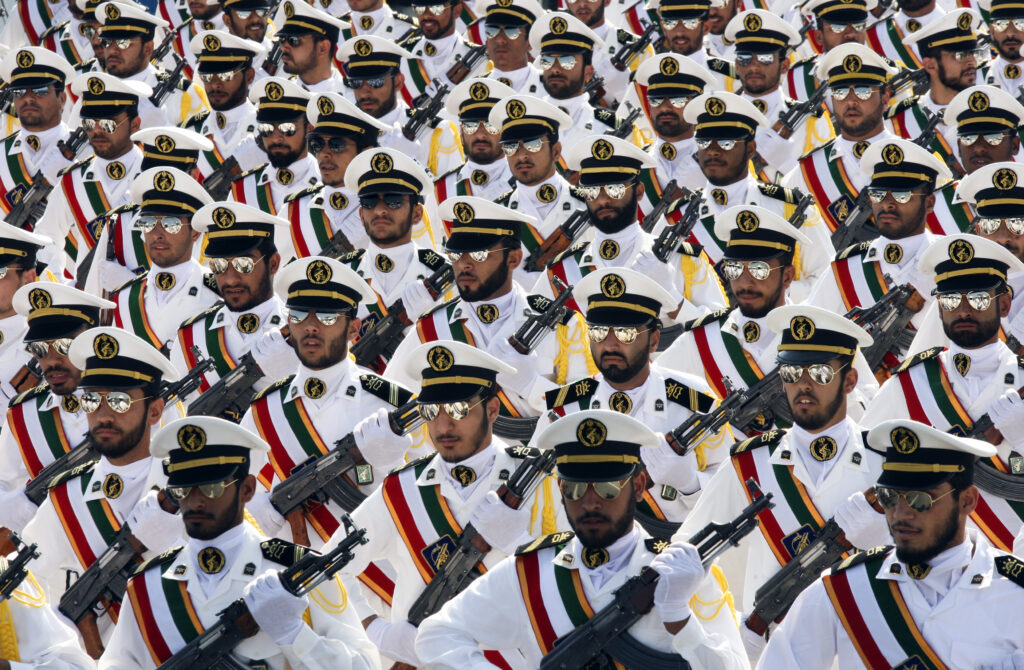
Bessent noted that Revolutionary Guards personnel are worried about the economic situation and its possible implications for regime stability. According to him, some members of the organization fear for their lives and are in hiding, a situation that could also damage the Iranian leadership’s ability to get an accurate picture of what’s happening in the country.
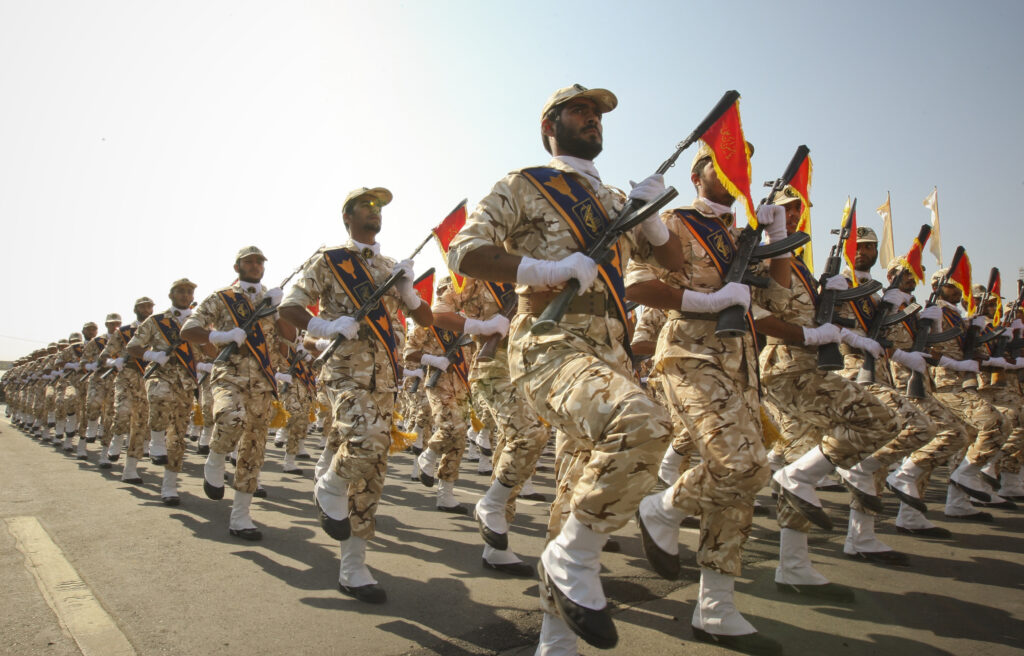
The damage to Iran’s revenue sources doesn’t only affect the domestic economy. For years, the Tehran regime has used its economic resources to support armed organizations operating outside the country’s borders, including Hezbollah in Lebanon, Hamas in the Gaza Strip, and the Houthis in Yemen. This funding helps the organizations pay salaries, purchase combat equipment, operate infrastructure, and maintain their military and organizational activity.
 5+
According to Bessent, restricting Iran’s access to dollars and the difficulty of transferring funds through the international financial system also reduce its ability to continue supporting its proxies. However, the actual extent of damage to the organizations’ funding remains unclear. Another report based on security sources in Lebanon claimed that Hezbollah received tens of millions of additional dollars from Iran as part of its preparations for the possibility of renewed fighting with Israel. The statements indicate that despite economic pressure, not all cash transfer routes from Tehran have necessarily been blocked.
In the CNBC interview, Bessent claimed that Iran’s efforts to disrupt oil traffic in the region haven’t achieved their goal. According to him, oil exports from Gulf states have recovered and even exceeded levels recorded before the conflict broke out. According to the data he presented, at the end of September, oil export volume from the region reached about 17 to 18 million barrels per day. Meanwhile, a significant American naval presence continues, designed to ensure oil tanker traffic and reduce Tehran’s ability to damage global energy supply.