


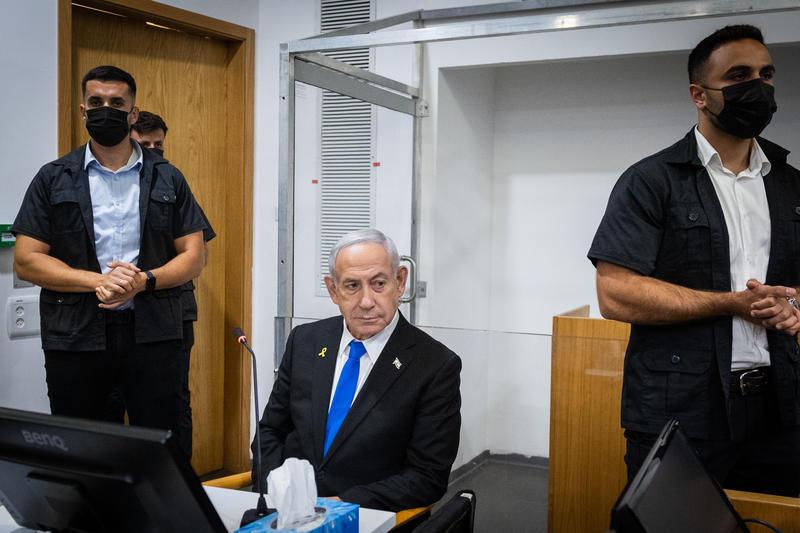

Another bombshell dropped in Benjamin Netanyahu’s corruption trial Tuesday when Chief Superintendent Shmuel Sharvit, former deputy commander of Israel’s National Fraud Investigation Unit, admitted from the witness stand that police wiretapped calls involving Natan Eshel—Netanyahu’s former chief of staff—to gather evidence against “the main suspect”: Netanyahu himself.
Sharvit revealed that the wiretap operation was abruptly shut down after just one month on orders from his commander, once it became clear the move had been carried out without approval from the attorney general—a legal requirement for investigating a sitting prime minister.

 4+
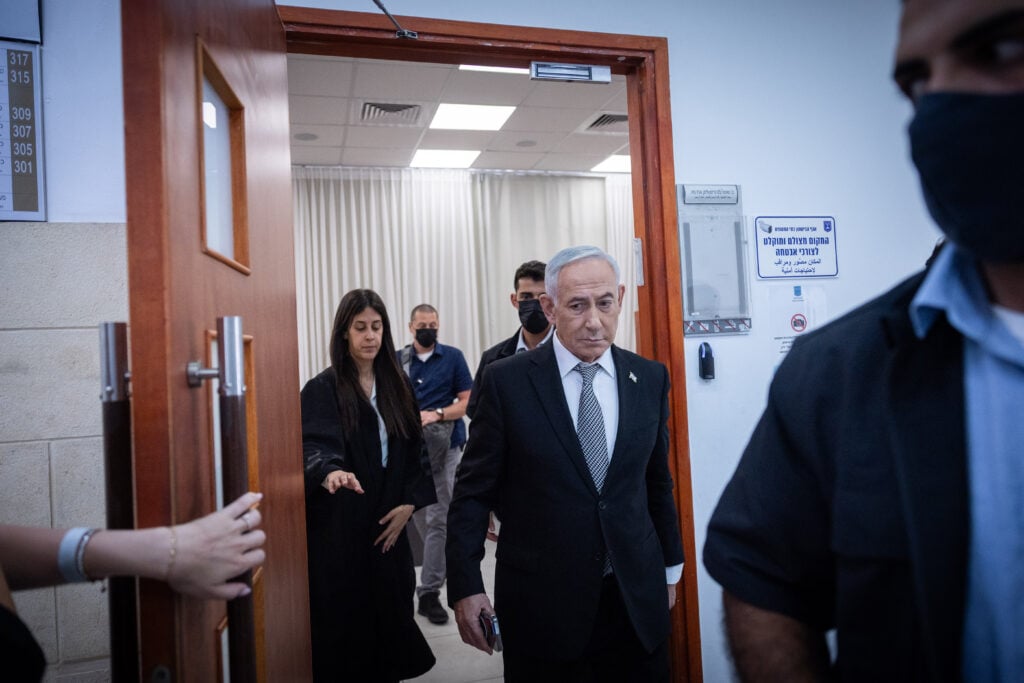
4+Netanyahu’s defense attorney Amit Hadad presented documents showing police ran covert surveillance on Eshel, a close Netanyahu confidant. The investigation revealed the goal was to collect evidence against “the main suspect”—who the defense says was Netanyahu—during a period when the law required explicit attorney general approval for investigative actions against a prime minister. No such approval was granted.
Sharvit admitted from the stand that calls between the two may have been recorded, and confirmed the wiretap station was removed after a month because he understood the attorney general had not approved it.
The cross-examination focused on the police request for a wiretap warrant on Eshel’s phone. Hadad showed Sharvit the official justification the police wrote to the judge to obtain the warrant: “The chance of collecting evidence is real and significant, and there are more indications that Eshel maintains contact with the main suspect.”
 4+
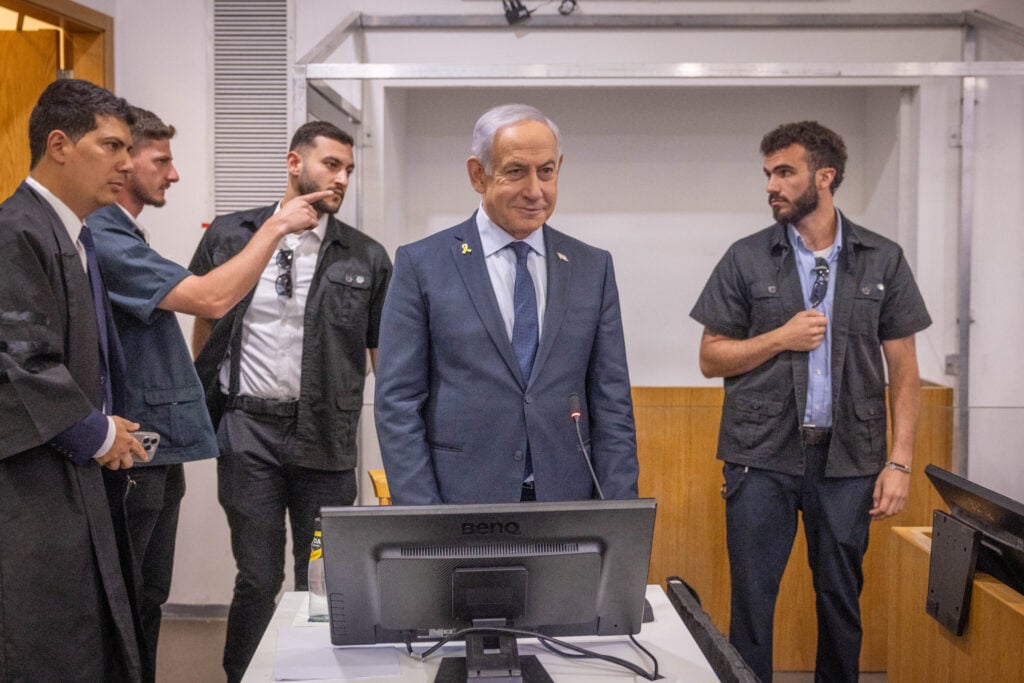
4+When Hadad confronted the witness—”The main suspect is Netanyahu”—Sharvit didn’t deny the suspect’s identity, but claimed: “Collecting evidence doesn’t require a conversation with the prime minister.” Hadad pressed on, asking whether the surveillance captured direct calls between Eshel and Netanyahu. Sharvit replied: “It’s possible.”
Asked what investigators did with those calls, the officer cited official protocol: “Any call where we understand the subject of the warrant is speaking with a Knesset member, we don’t keep the call; we get a decision from the court. Nothing was done to open such calls.”
Hadad questioned how the investigator monitoring the line knew it was the prime minister without actually listening to the call. Sharvit explained: “The moment the listener realizes it’s a Knesset member, he stops listening.”
 4+
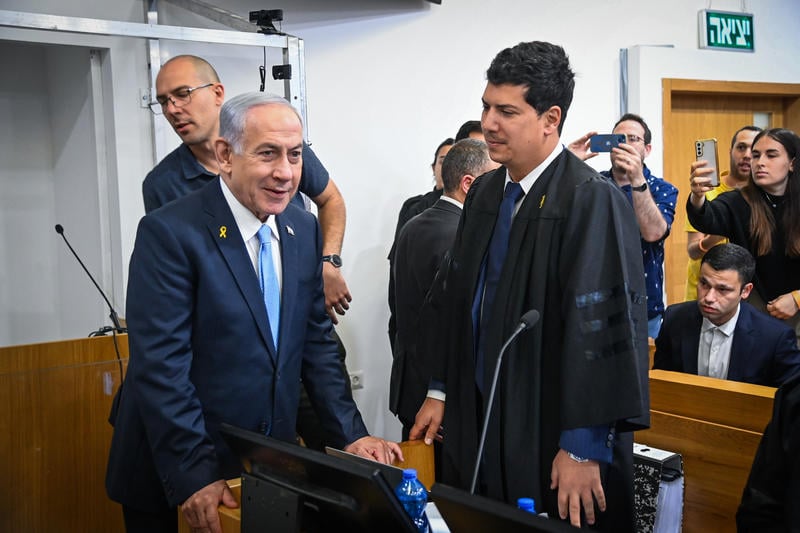
4+Later in the cross-examination, Hadad raised a claim that police didn’t stop at wiretapping Eshel’s mobile phone—they also requested a warrant for his home landline, assuming Netanyahu avoided talking to him on mobile out of fear of surveillance. Sharvit responded briefly: “I’m not familiar with such a thing.”
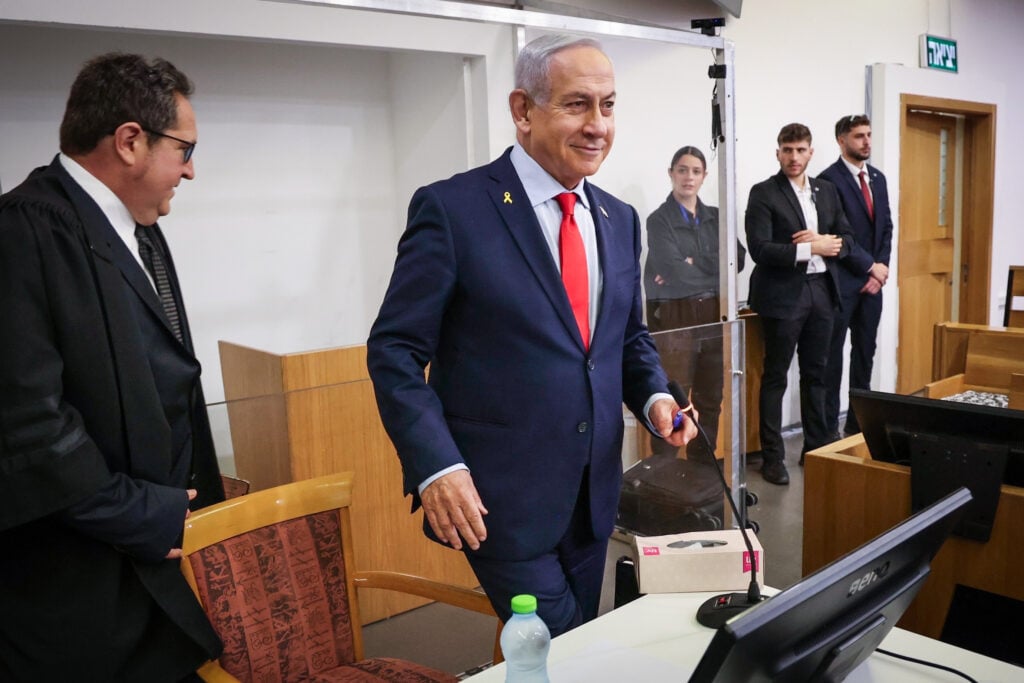
But the most dramatic turn came when the discussion shifted to why the wiretap was terminated. Hadad asked how long the surveillance lasted and why it stopped so suddenly. Sharvit revealed he received a direct order from his commander at the time, Chief Superintendent Koresh Barnor, head of the fraud unit: “Koresh told me to take down the station after a month. There are problems, take it down.” When asked what “problems” his commander meant, Sharvit delivered the most damning answer: “I understood there was no approval from the attorney general.”
 4+
4+This testimony is a critical piece of what Netanyahu’s defense team has been trying to prove throughout the trial: that investigative bodies acted without authorization to track the prime minister’s calls and actions—actions that legally require advance written approval from the attorney general.
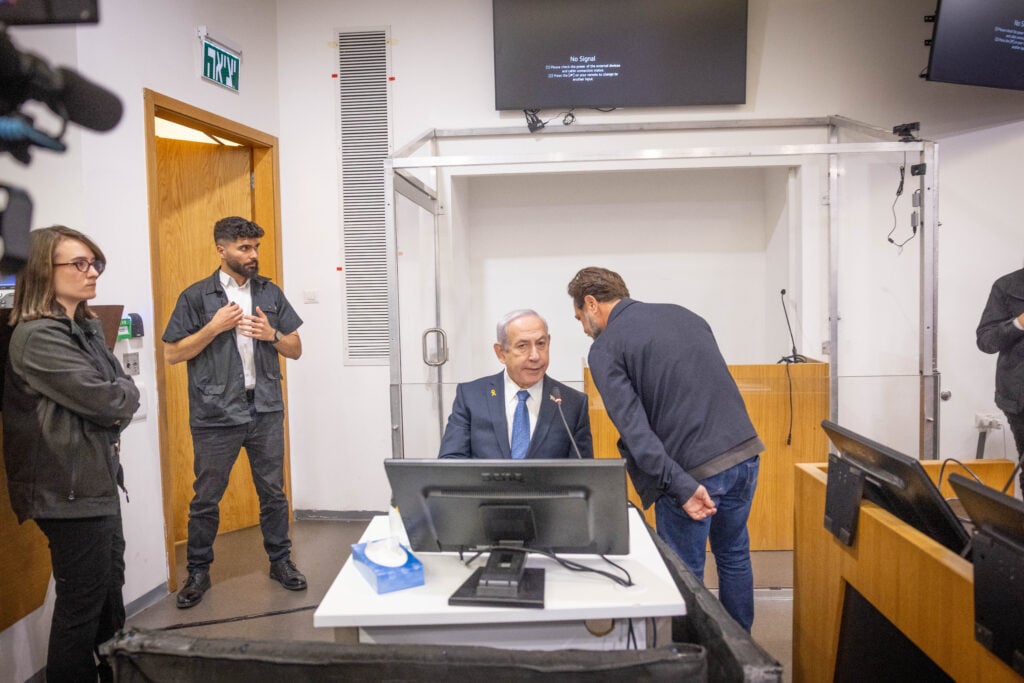
According to the defense, police chose a “back door”. Instead of requesting permission to wiretap Netanyahu, they obtained a warrant to monitor his confidant Natan Eshel because he was in contact with “the main suspect,” and recorded conversations between the two. Only when a legal problem arose over the missing attorney general approval was the wiretap station hastily dismantled.
 4+
4+Sharvit’s testimony adds to his earlier admissions the same day—when he confirmed he wondered why former State Attorney Shai Nitzan was registered as providing information under a secret immunity certificate, and confirmed that confidential information from the investigation leaked to the press without any investigation being opened into the matter. The defense uses this combination of incidents to illustrate what it defines as systemic failures and improper handling of the prime minister’s cases.