




Polls opened Sunday in the eastern German state of Saxony-Anhalt in an election that could mark one of the most significant turning points in German politics in recent years. The Alternative for Germany (AfD) party leads by a wide margin in polls, with some showing it crossing the 40% threshold.

 3+
3+If projections hold, the AfD could become the dominant force in a regional government for the first time in Germany and even approach an absolute majority in the state parliament—a scenario that also depends on the results of smaller parties and whether they clear the electoral threshold.
The Saxony-Anhalt election is seen as a crucial test of the “firewall” policy mainstream parties have maintained against the AfD. For years they’ve avoided cooperation with the party, both nationally and locally, aiming to keep it from gaining a foothold in decision-making centers.
 3+
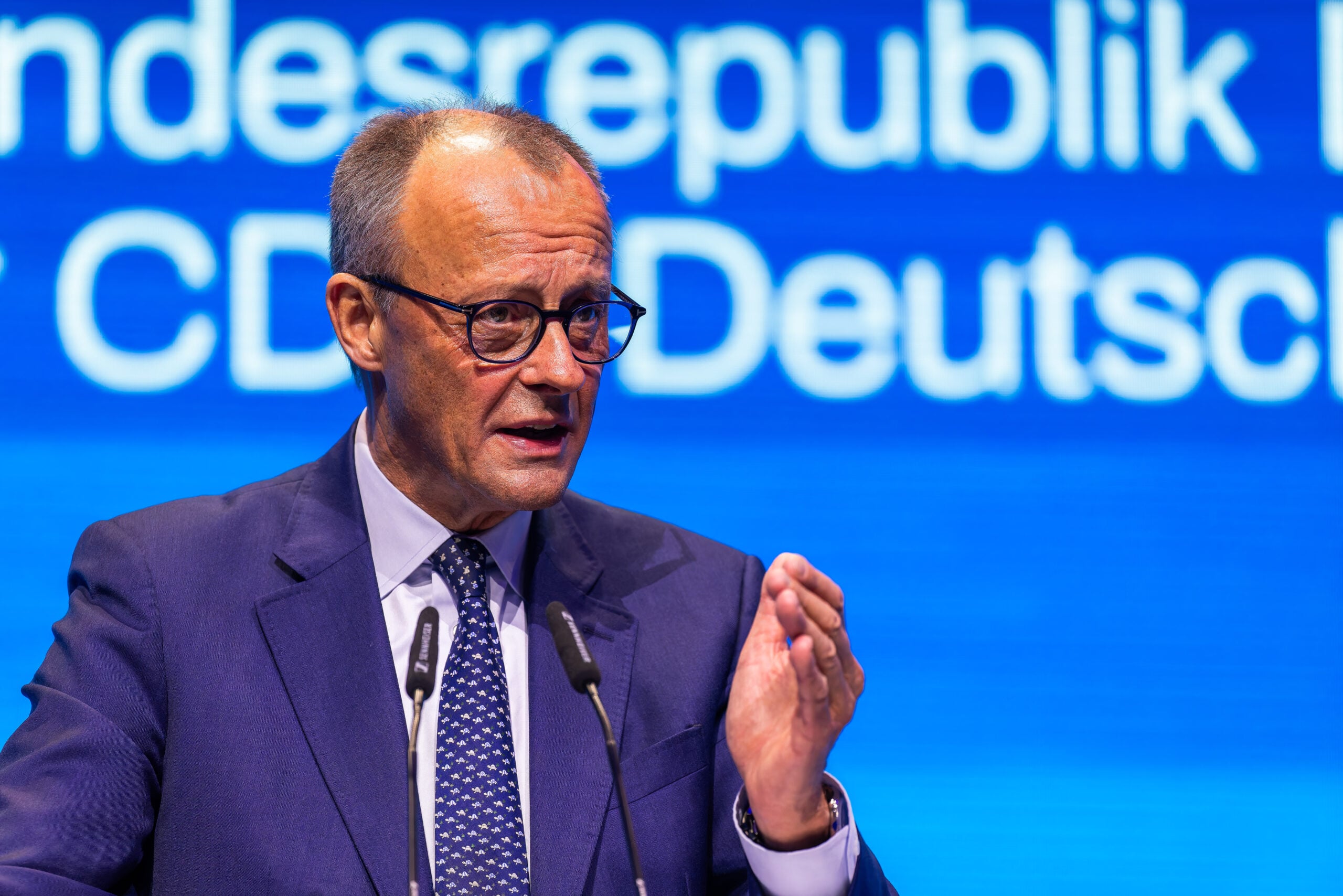
3+German Chancellor Friedrich Merz sharpened his tone against the AfD, saying: “We cannot allow these people, who want to destroy the Federal Republic of Germany and everything we have achieved in recent years and decades, despite all the mistakes that exist, despite all the problems we have, we cannot allow these people to convince our country to be destroyed.”
AfD leader Alice Weidel fired back at Merz, attacking the government’s policies: “Extreme politics is when you leave our borders open and turn us into strangers in our own country. Extremism is when you deliberately destroy our energy infrastructure, blow up nuclear power plants.”
Weidel added: “Extremism is when you pay social benefits to people who are tribal, who have 32 children, and who are welfare fraudsters. We will put an end to this extreme politics, because our goal is to promote sensible, conservative-libertarian politics for Saxony.”
 3+
3+Merz’s Christian Democratic Union (CDU) is expected to lose strength in the state according to polls. A particularly weak result could increase pressure on the chancellor, who already faces declining support and the AfD’s growing strength on the national stage.
Today’s election kicks off a series of state elections across Germany this month, including in Berlin. Against the backdrop of AfD’s continued rise in support, the Saxony-Anhalt test is seen as an initial gauge of how far the party’s growing popularity translates into actual governing power.
 3+
3+According to a report on German site DW, Jewish community leaders in the state expressed concern about the possibility of an AfD-led government despite the party advocating a pro-Israel stance and opposing mass migration, the consequence of which imported many people from countries with Jew-hatred rooted deep in their culture. The party’s local branch is classified by the state’s domestic intelligence service as a “proven right-wing extremist entity”.
Polls are expected to close later today, when it will become clear whether the AfD has indeed achieved a historic milestone, and whether the “firewall” in German politics is beginning to crack.