




For years, Qatar has built networks of influence beyond its borders through media outlets, research institutions, foundations and scholarships. Now, a C14 investigation traces one such funding route into Israel: money originating in Doha, passing through London and continuing to Arab organizations in Israel, as well as students and academia. At the heart of the investigation is whether that financial support is also creating long-term influence over academic discourse, research and the identities given expression on Israeli campuses.

The Money Trail: From Doha Through London to Israel
At the center of the funding route are brothers Azmi and Marwan Bishara, who are linked to The Galilee Foundation in London. In recent years, significant sums have been transferred through the foundation to Arab organizations and institutions in Israel. According to data examined as part of the investigation, the amount of money transferred through this route has risen sharply over the past two years. The Association for Arab Culture in Haifa received approximately 18 million shekels over five years, while additional funds were transferred to Mada al-Carmel and Baladna.


 4+
4+The Students: Investing in the Next Generation
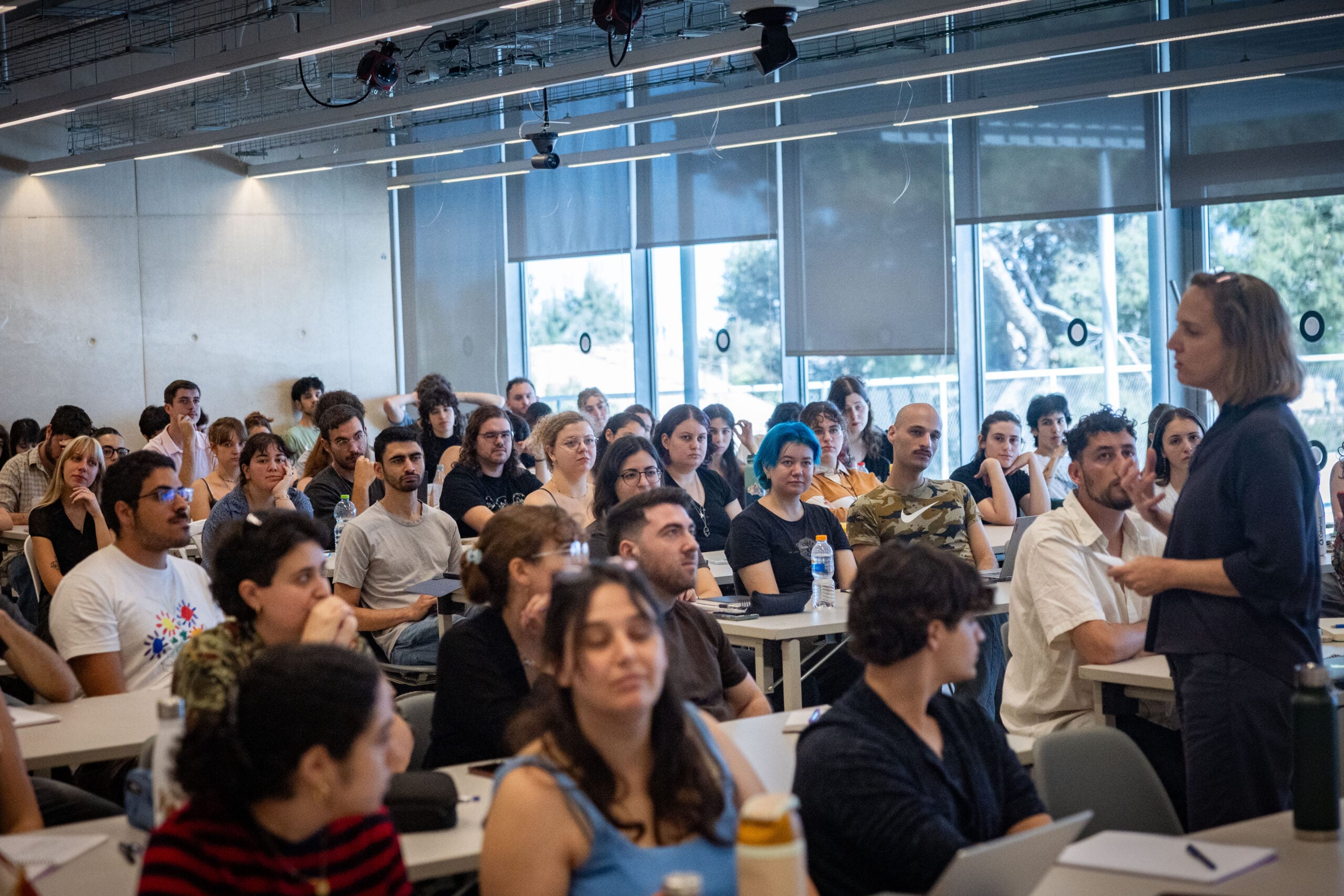
A significant portion of the money is directed toward scholarships for ‘Palestinian’ students and researchers. However, the activity extends beyond simply providing scholarships. The Galilee Foundation maintains ongoing relationships with Arab students and academics, with some of its activities also emphasizing ‘Palestinian’ identity and affiliation. As a result, money originating in Qatar and passing through an organization operating in London ultimately reaches the younger generation entering Israel’s universities and colleges.
 4+
4+From Scholarships to Influence
That raises one of the investigation’s central questions: What happens after those students enter academia? Is this purely financial support, or does it also create a long-term infrastructure of relationships, influence and ideas? Does funding students, researchers and research institutes eventually influence which subjects are studied, the discourse that develops and the narratives given a platform? The investigation examines the connections between the sources of funding, the organizations transferring the money and the academic and public activity that follows.
 4+
4+Professors: ‘To Survive, You Learn to Fall in Line’
Senior lecturers and professors who spoke with C14 described a broader phenomenon. According to them, nobody needs to explicitly instruct a researcher what to write or which position to take. Instead, they say, the system itself gradually creates clear incentives: which subjects receive funding, which avenues of research are encouraged and which positions could make it more difficult for a researcher to obtain grants, publish or advance professionally. Some professors say the result is self-censorship. Researchers, they claim, learn in advance which questions are better left unasked, which positions should be softened and which conclusions could carry a professional price.
When Academic Discourse Becomes One-Sided
According to those academics, one potential result is intellectual conformity—a situation in which one position becomes dominant while competing voices increasingly go unheard.
 4+
4+If that is indeed occurring, the problem extends beyond political disagreement itself. Academia depends on debate, criticism and freedom of thought. When researchers begin adjusting their research questions, language or conclusions to fit an ideological environment or sources of funding, the independence of academic research itself could be compromised.
Qatar: More Than Money
Above this funding route sits Qatar, which has spent years investing heavily in influence networks beyond its borders through media, research institutions, academic relationships, foundations and scholarships. Al Jazeera is perhaps the most prominent example of Qatari soft power, but it is far from the only one. Alongside its media investments, Qatar has poured substantial sums into universities and research institutions around the world. The question is whether these are simply separate investments—or components of a broader system of influence.
4+From Al Jazeera to the Campuses
On one side is Al Jazeera, with the ability to transmit its messaging to millions of viewers. On the other are research institutes, nonprofit organizations, scholarships and students. The tools are entirely different, but all operate in arenas where ideas, identity and public discourse are shaped.
In the United States, a fierce debate has raged for years over the scale of Qatari funding to universities and whether there is a connection between that money and the anti-Israel climate and Jew-hatred found on some campuses. Now, the same question is being raised in Israel: Who provides the funding? Who receives it? How is the money used? And does that funding route ultimately influence academic discourse?
The Impact on Academia
Ultimately, this is not merely a question of money. Academia is supposed to allow researchers to pursue uncomfortable subjects, reach unpopular conclusions and express positions that diverge from the majority. When senior academics say that they or their colleagues have learned to conceal their views, tailor their research or “fall in line” in order to obtain funding and advance professionally, it is a claim that warrants serious examination.
Because if funding begins influencing not only who gets to conduct research, but what gets researched, which questions are asked and which positions receive a platform, the question is no longer simply where the money came from. It is how successfully academia can preserve its independence.