


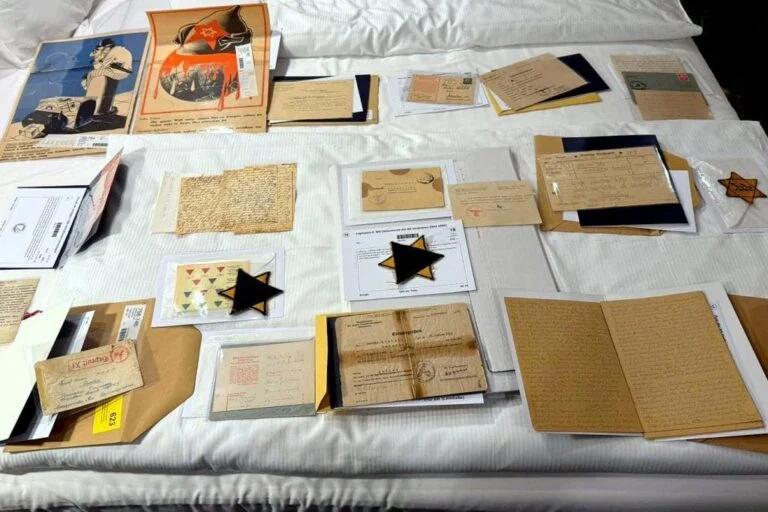

The Haifa Magistrate’s Court has ruled that Holocaust-era artifacts will not be sold to the highest bidder but will instead be transferred to museums and institutions dedicated to Holocaust commemoration and research. The ruling came after legal proceedings initiated by Yad Ezer L’Haver, an Israeli nonprofit.

 4+
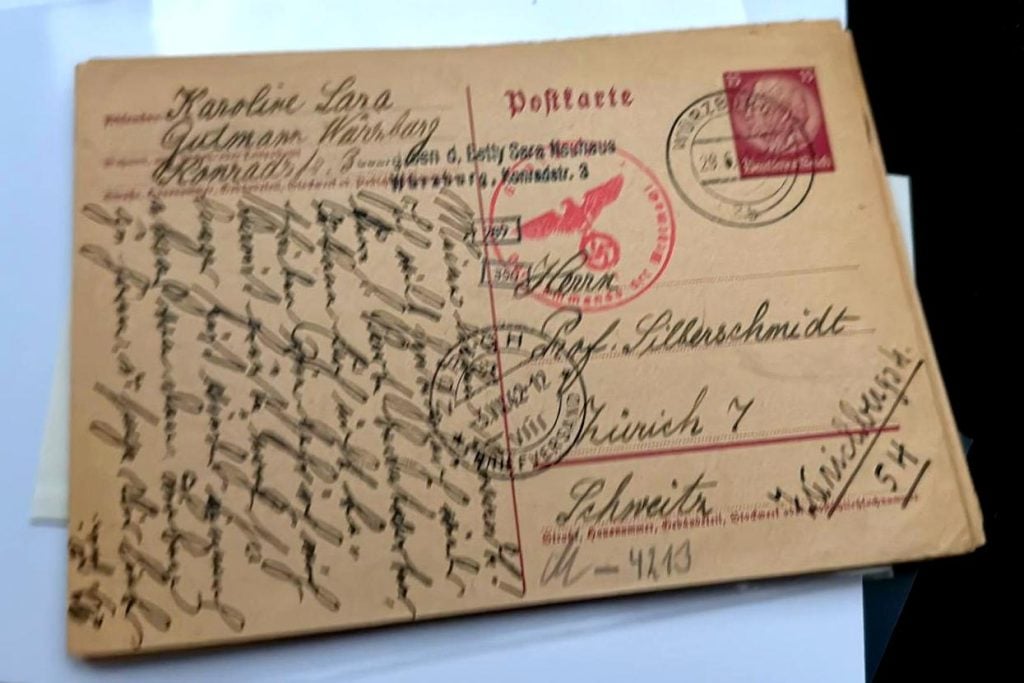
4+The proceedings began after the organization learned that a Holocaust-era item was set to be sold at auction. Yad Ezer LaHaver sought an injunction, and the court granted the request, halting the sale. According to the organization, the subsequent ruling accepted its position that remnants of the Holocaust are not ordinary collectibles to be bought and sold on the private market.
Yad Ezer LaHaver and the Haifa Holocaust Museum welcomed the decision, describing it as a significant and precedent-setting ruling. They said Holocaust-era artifacts are historical assets of memory that should be preserved and displayed to the public in institutions dedicated to education, research and commemoration.
 4+
4+“These are not ordinary objects”
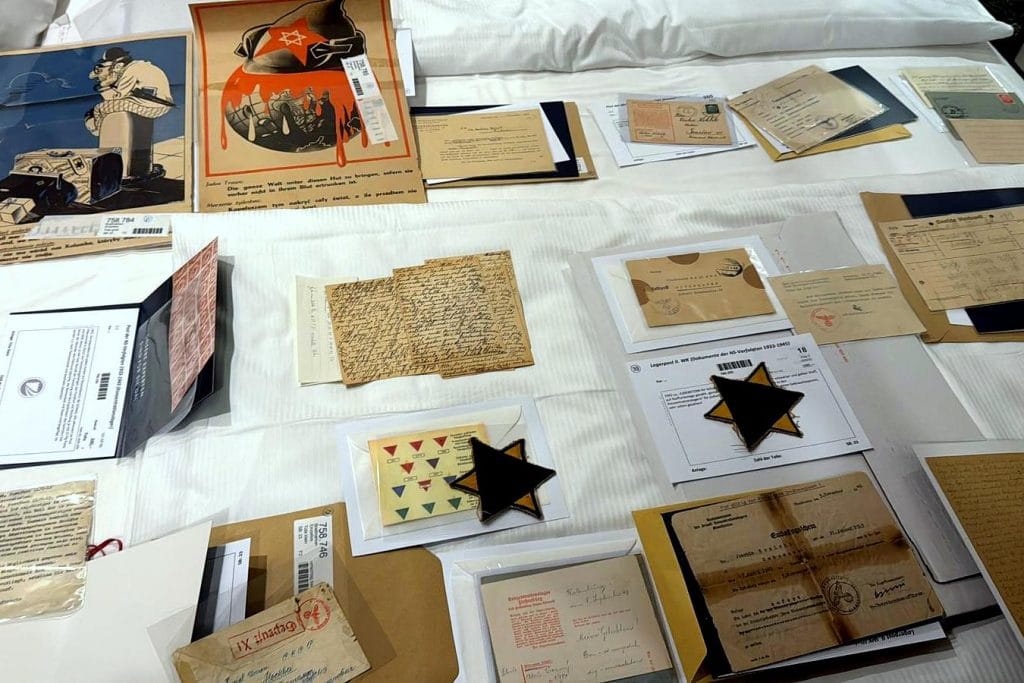
Dr. Shimon Sabag, founder and CEO of Yad Ezer LaHaver and founder of the Haifa Holocaust Museum, called the decision “a precedent-setting and historic ruling.” “Although it comes more than 80 years late, order has finally been established, and it has been determined that Holocaust artifacts are not merchandise to be passed from hand to hand and sold to the highest bidder,” Sabag said. “The proper place for these items is in museums and institutions of the Jewish people dedicated to researching the Holocaust, commemorating it and passing its memory on to future generations.”
 4+
4+“These are not ordinary objects. Behind every item stands a person, a family, a community and a life story that was cut short,” Sabag added. He said the artifacts must remain accessible to the public and younger generations rather than disappearing into private collections or being used for financial profit.
Sabag said he shared news of the ruling with Holocaust survivors living at the organization’s “Warm Home.” “I saw emotion and joy that I have not seen in a long time,” he said. “They said, ‘There are judges in Haifa, and there are judges in Israel.’ For them, this is a ruling that should have been handed down many years ago, and it is good that it was issued while they are still alive.”
 4+
4+“This is one of the most moving and just days in the struggle for the dignity of Holocaust survivors and the preservation of the memory of the six million,” Sabag continued. “We will no longer allow the memory of the Holocaust to be cheapened, and we will not allow historical artifacts to be sold as though they were goods in a bazaar or market. Holocaust artifacts are not commercial property—they belong to the memory of the Jewish people and of humanity as a whole.”
 4+
4+The organization said it will continue working on behalf of Holocaust survivors and to preserve historical artifacts and documents so they can be displayed to the public and used for education, research and commemoration for generations to come.