





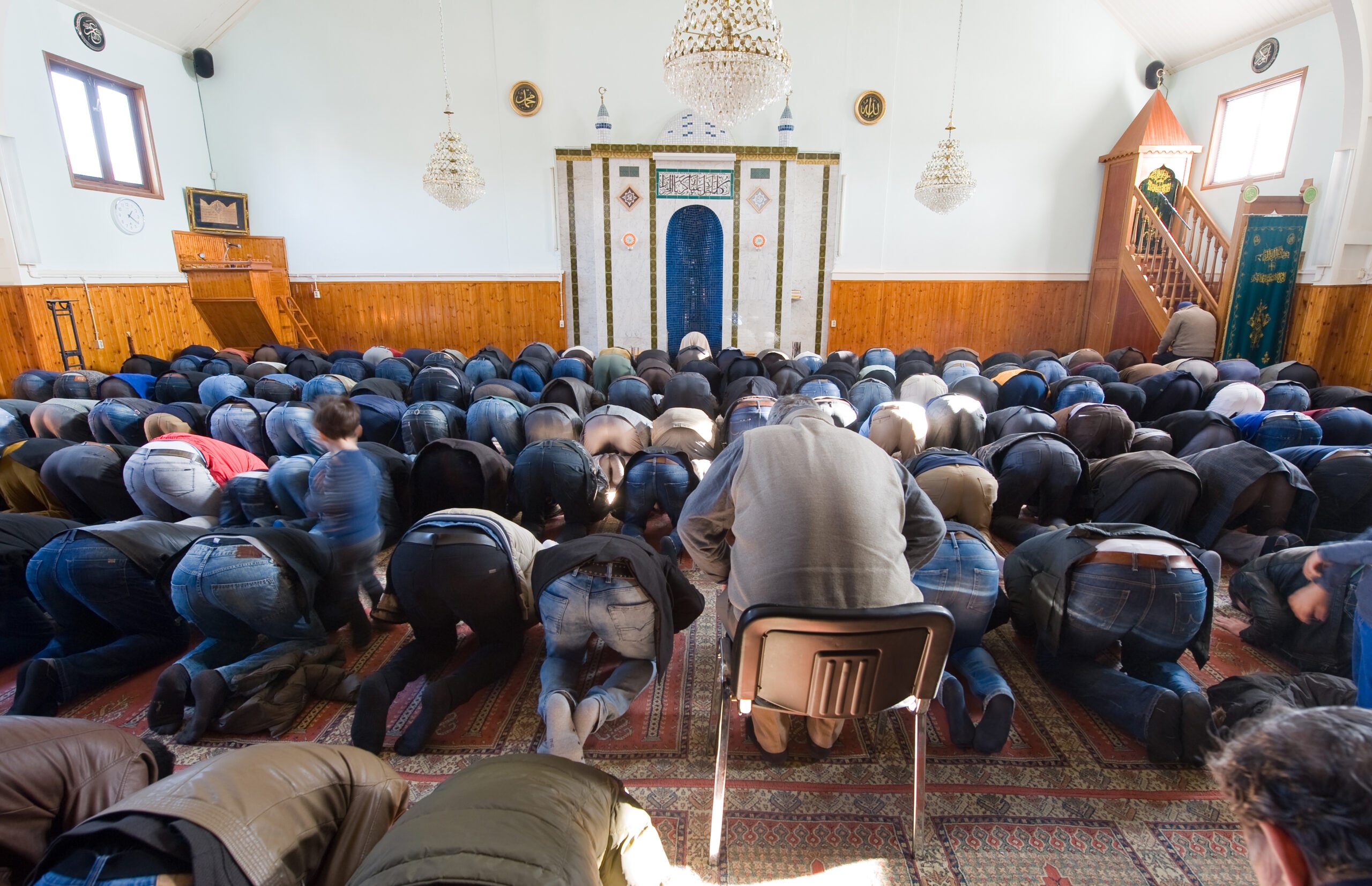
The well-known Islamic saying “War is deceit,” attributed to the Prophet Muhammad, is considered a recognized principle in Islamic tradition. According to various interpretations, its meaning is not limited to the battlefield, but also relates to deception, concealing intentions, and adapting messages to audiences and circumstances.

 4+
4+For the Muslim Brotherhood, founded by Hassan al-Banna in Egypt in 1928, principles of gradualism, power-building, and institutional integration became a central part of the strategy. One of the prominent concepts in this context is “tamkeen”—a process of establishing and expanding Islamic influence in society and the state.
This process is not necessarily an immediate revolution, but rather a long-term course: first education and preaching, then political and institutional integration, and subsequently accumulation of power and influence. Critics of the Muslim Brotherhood argue that within this framework, participation in elections, political cooperation, and use of moderate discourse can also be means toward a broader goal.
 4+
4+One of the prominent expressions attributed to this method is the use of different messages for different audiences. Toward Western and liberal audiences, concepts like democracy, human rights, and pluralism are sometimes emphasized, while in internal Arabic discourse, more assertive religious and nationalist messages sometimes appear.
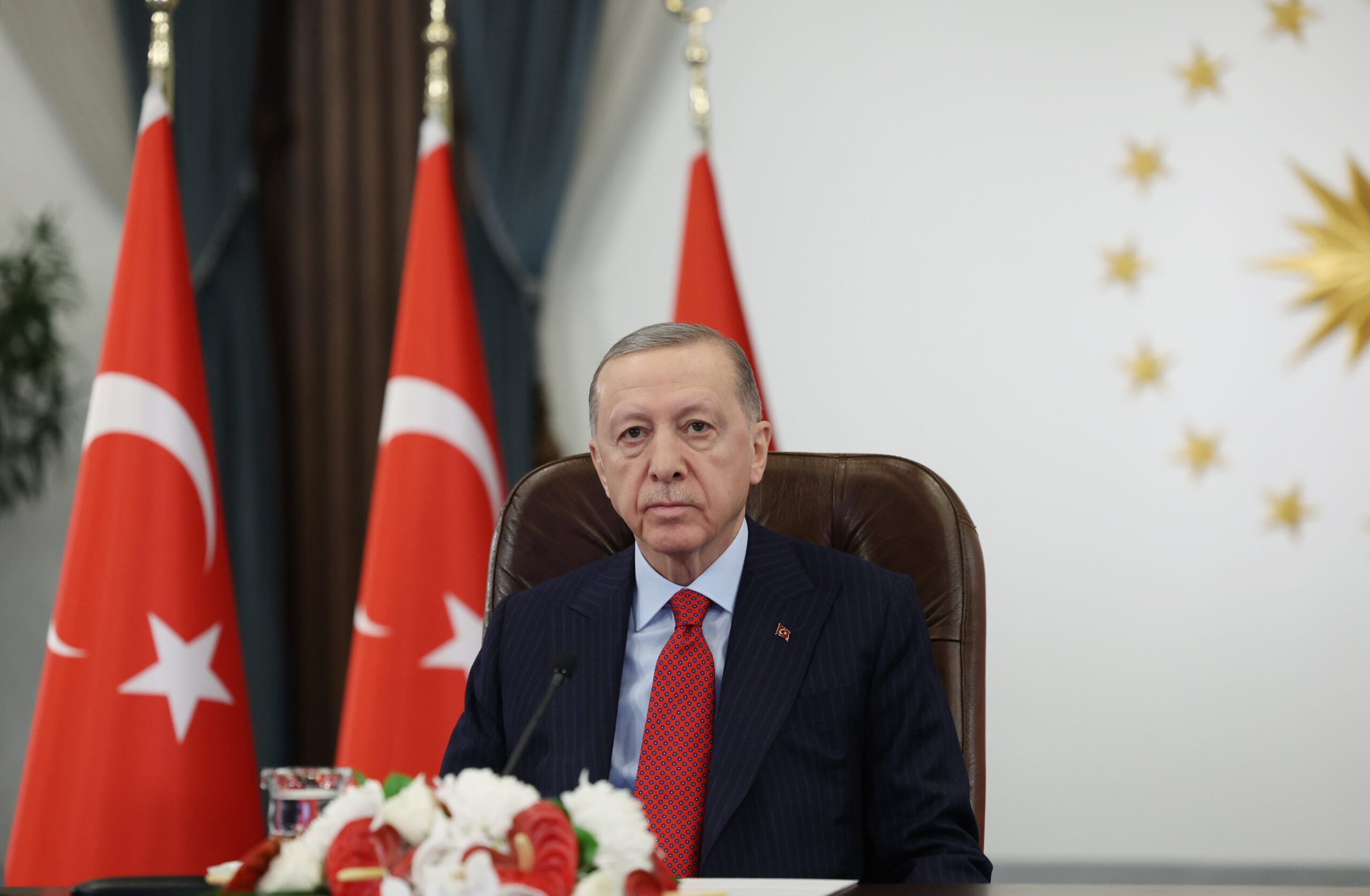
An example of this can be found with Turkish President Recep Tayyip Erdoğan. His party grew out of an Islamist tradition, and over the years Turkey has provided support to elements identified with the Muslim Brotherhood and Hamas. Erdoğan hosted Hamas leaders, declared that Hamas is not a terrorist organization but rather a “liberation movement,” and granted asylum to figures who fled Egypt.
 4+
4+At the same time, in his early years in power, when Turkey sought to move closer to the European Union, Erdoğan presented a more moderate and liberal line on civil and social issues. Later, the discourse changed, including regarding the LGBT community. His critics present this change as an example of political flexibility and message adaptation according to audience and balance of power.
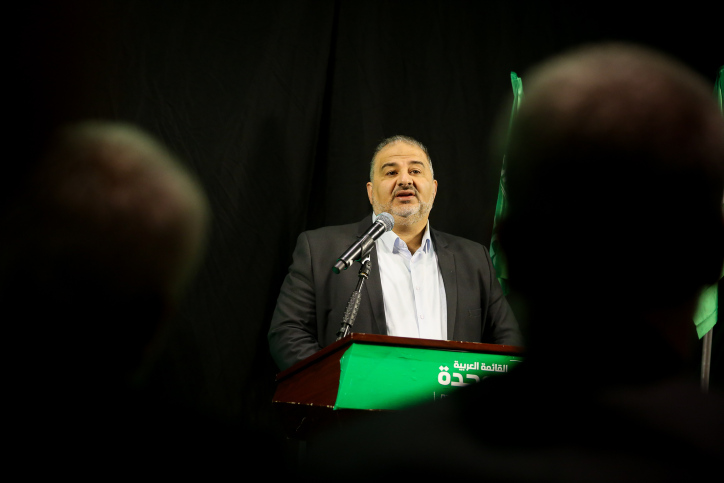
A closer example to Israel is Ra’am chairman Mansour Abbas. In December 2021, he declared at the Globes conference: “The State of Israel was born as a Jewish state. That’s how it will remain.” The words were perceived as an unusual statement from an Arab political leader in Israel.
However, in Arabic discourse, Abbas continues to emphasize ‘Palestinian’ identity and his support for establishing a ‘Palestinian’ state. His critics in both Arab and Jewish society have argued over the years that he presents different messages to different audiences: a pragmatic and integrationist message toward the Jewish public, and a nationalist message toward the Arab public.
 4+
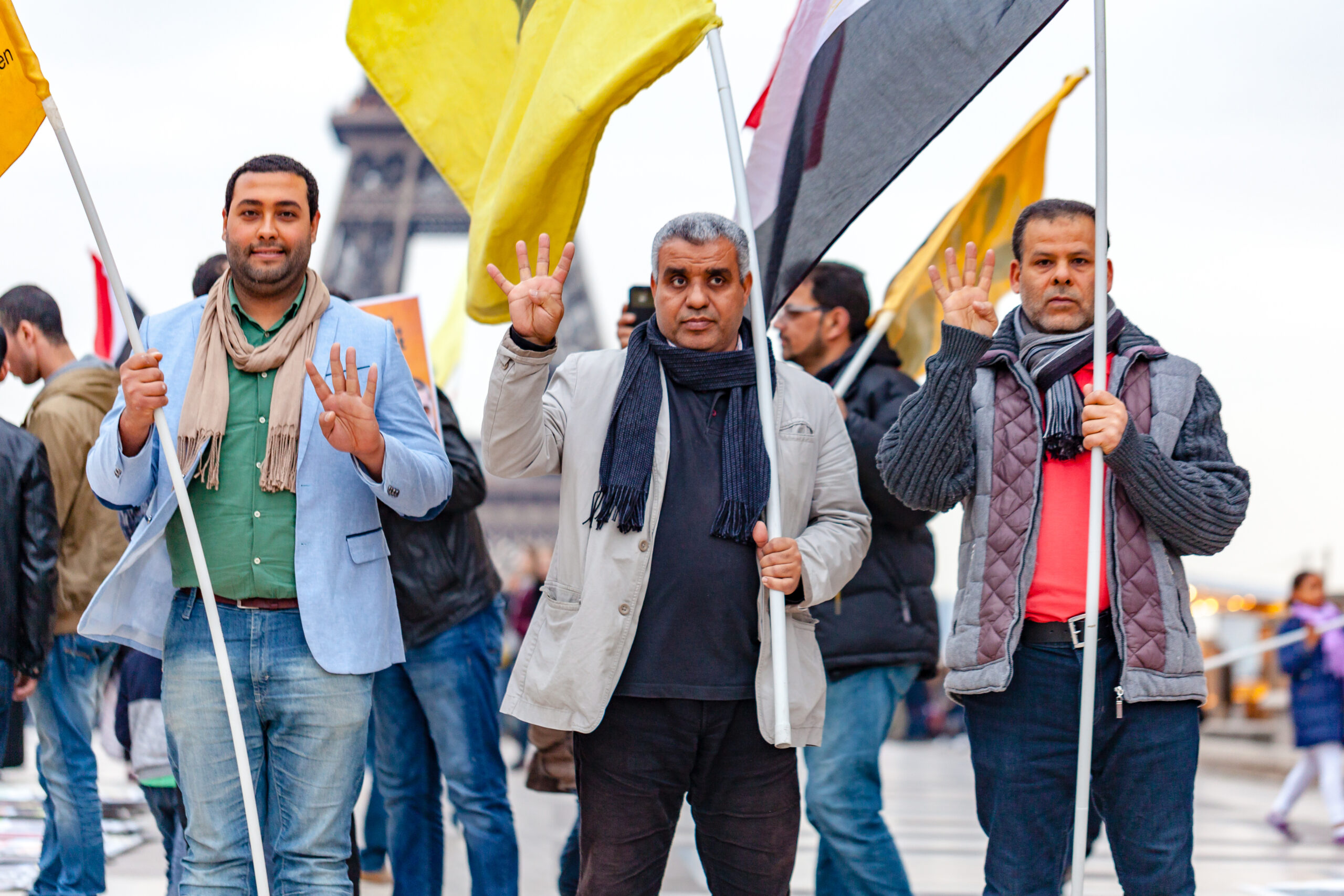
4+The principle of flexibility is also expressed in political alliances. Over the years, elements identified with the Muslim Brotherhood have cooperated with secular forces, leftist movements, and Western governments when it served their interests. According to this conception, the alliance is not necessarily a goal but rather a tool.
Hassan al-Banna himself emphasized the importance of gradualism, patience, and building power over time. From this also derives the conception that says that temporary political tools can be used as long as they bring one closer to the goal.
 4+
4+Ultimately, “war is deceit” symbolizes, in the eyes of Muslim Brotherhood critics, a broader conception of tactical flexibility, concealing intentions, and adapting messages. “Tamkeen” is the goal, and the ability to integrate into existing systems, operate gradually, and change language according to audience is one of the central tools on the path toward it.
The examples of Erdoğan and Mansour Abbas illustrate how that same flexibility may be expressed in the political arena: changing messages, temporary alliances, and a combination of declared pragmatism with long-term ideological goals. Whether one sees this as political wisdom or dangerous deception, it is a central component in the discussion of the Muslim Brotherhood’s mode of operation.