


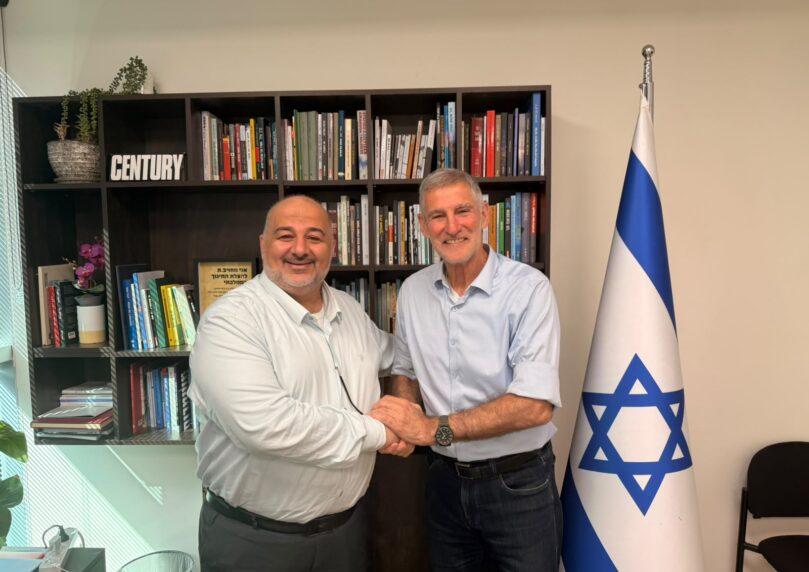

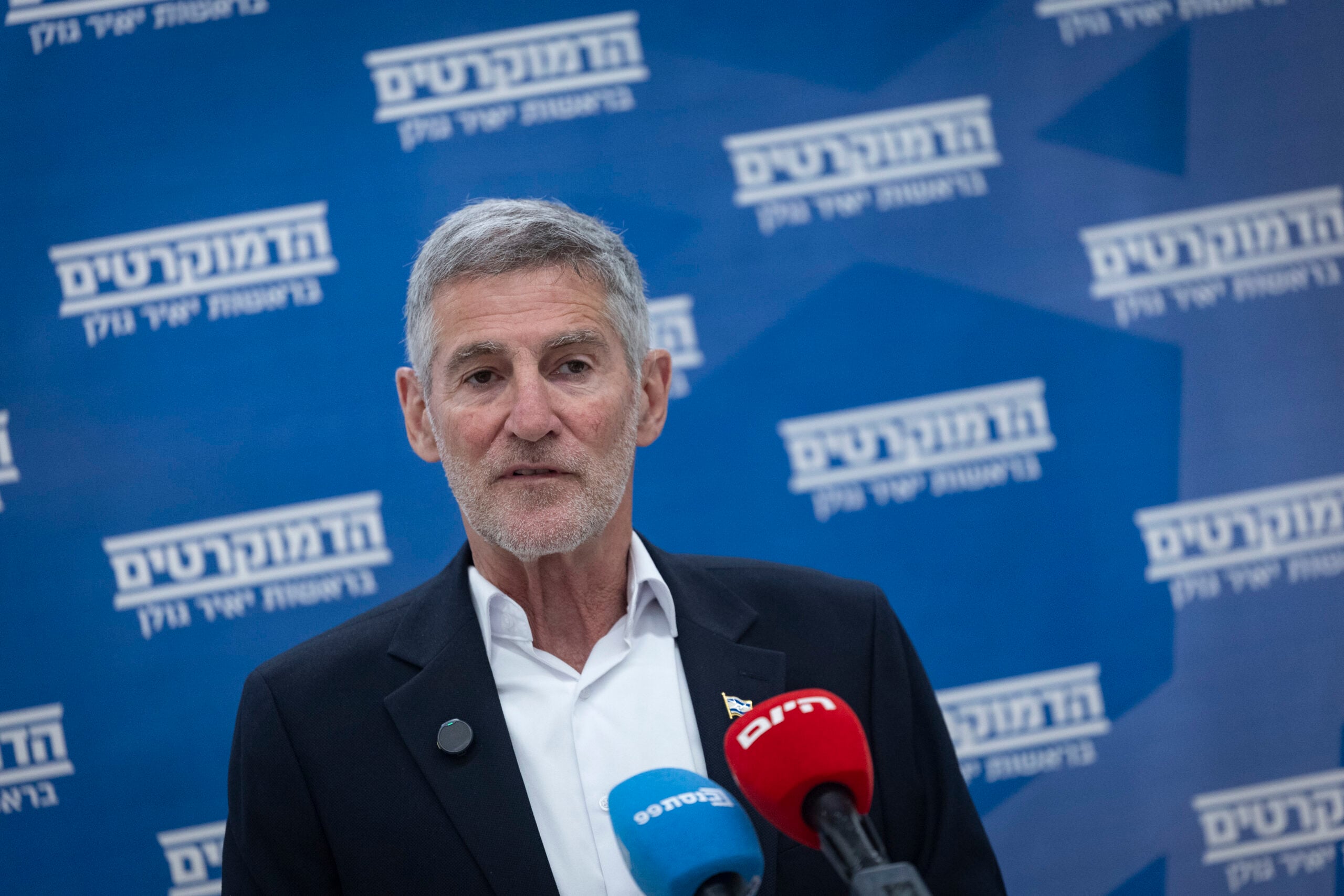
Democrats leader Yair Golan is working to establish a new political axis that would unite his party with Ra’am and the Joint List. The goal is to ensure all three factions operate as a single bloc in negotiations to form an alternative government.

 4+
Sources involved in contacts within the opposition bloc say that if the move is completed, the new axis would hold 27 seats: eight for the Democrats, eight for Ra’am, and 11 for the Joint List.
According to the sources, Golan fears a scenario in which a unity government is formed and he’s left out. In such a situation, other parties in the bloc might enter the government or gain influence over its composition, while the Democrats remain in opposition.
 4+
The additional concern is what sources describe as a “divide and conquer” move. They say opposition party leaders might conduct separate negotiations with the Democrats, Ra’am, and the Joint List, thereby weakening each faction’s bargaining power.
Enter Together—Or Stay Out
To prevent this scenario, Golan is advancing an understanding whereby the three factions would operate as a single political unit. According to the emerging framework, they would join a government or support it from outside only together, and would not allow one to be brought in while leaving the others out.
 4+
The move is also designed to prevent a possibility where Ra’am joins a coalition while the Joint List provides external support and the Democrats remain in opposition. Another option Golan fears is a deal with the Democrats and Ra’am while cutting the Joint List out of the axis.
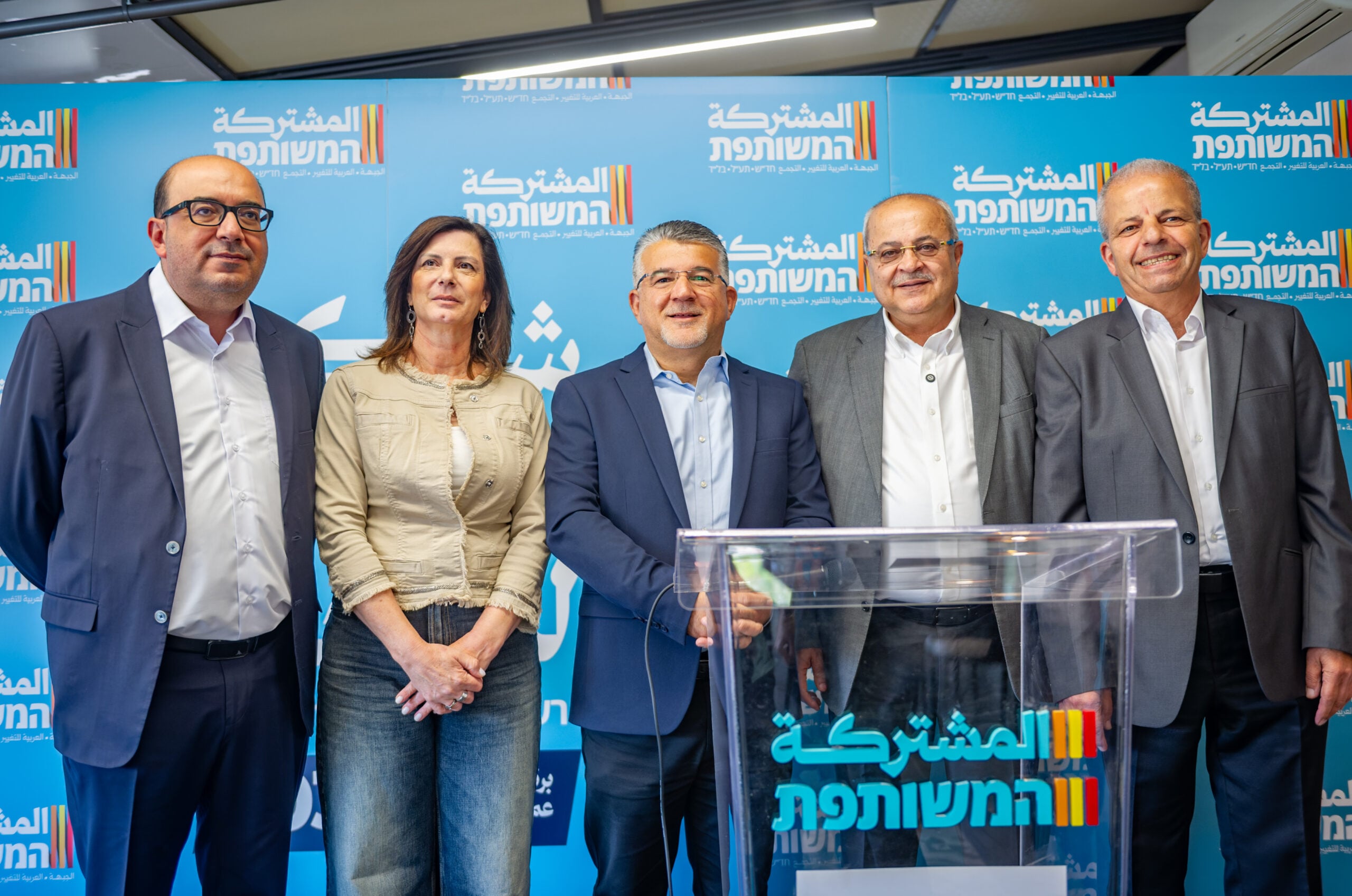
According to sources, Golan has already raised the idea with Joint List chairman Youssef Jabareen and faction head Ahmad Tibi. The initial talks were described as businesslike, and another meeting is expected soon in an attempt to finalize the details of the understanding.
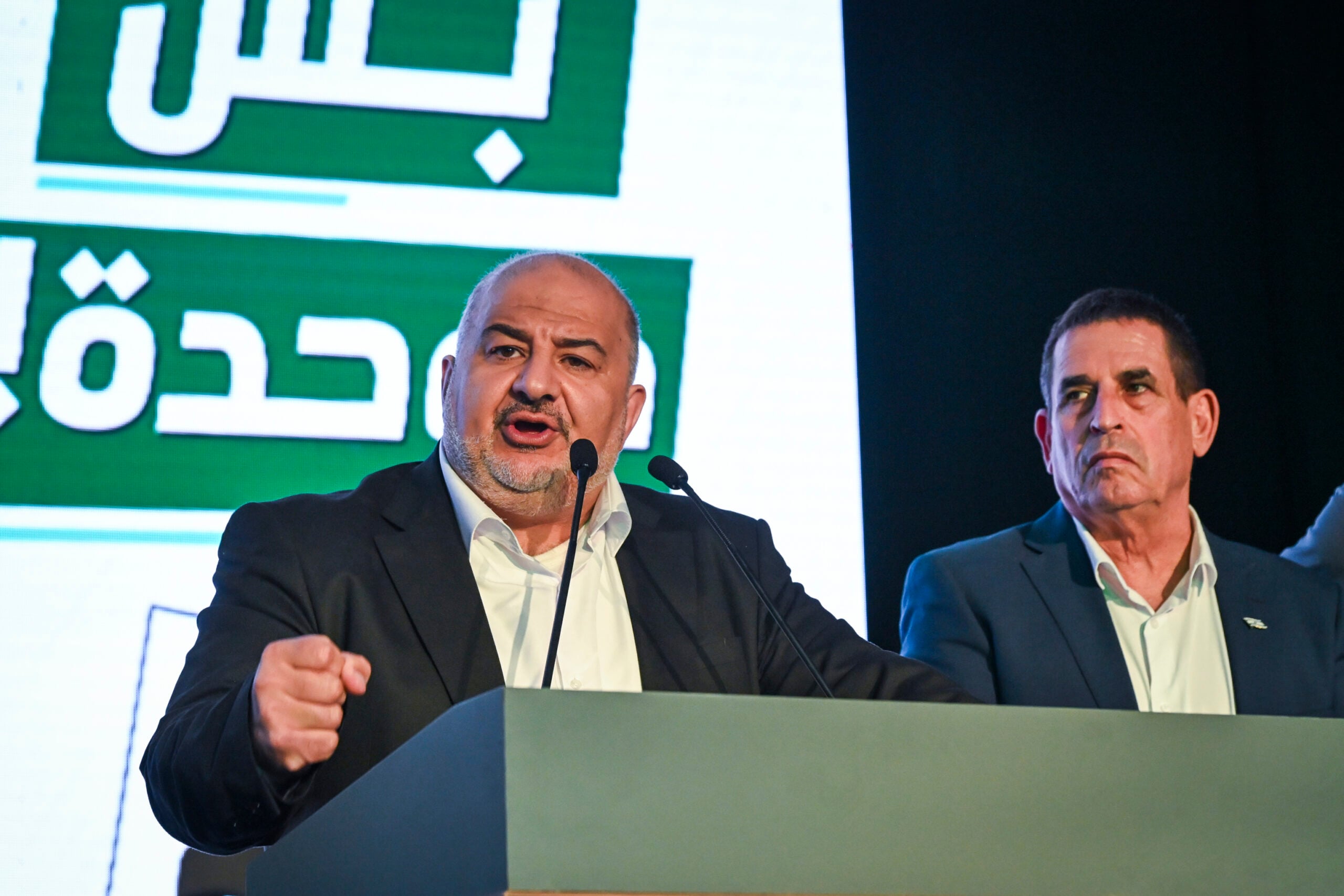 4+
The move comes after Golan publicly called for forming a government in partnership with the Arab parties. After the elections he declared that “a vote in Tira equals a vote in Givat Shmuel,” and called on opposition leaders to stop being afraid and form a change government.
A 27-Seat Bloc
If the axis takes shape, it would become one of the largest forces in the Knesset. The 27 seats of the Democrats and the two Arab lists would give Golan, Mansour Abbas, Youssef Jabareen, and Ahmad Tibi significant power in any negotiations over forming a government.
 4+
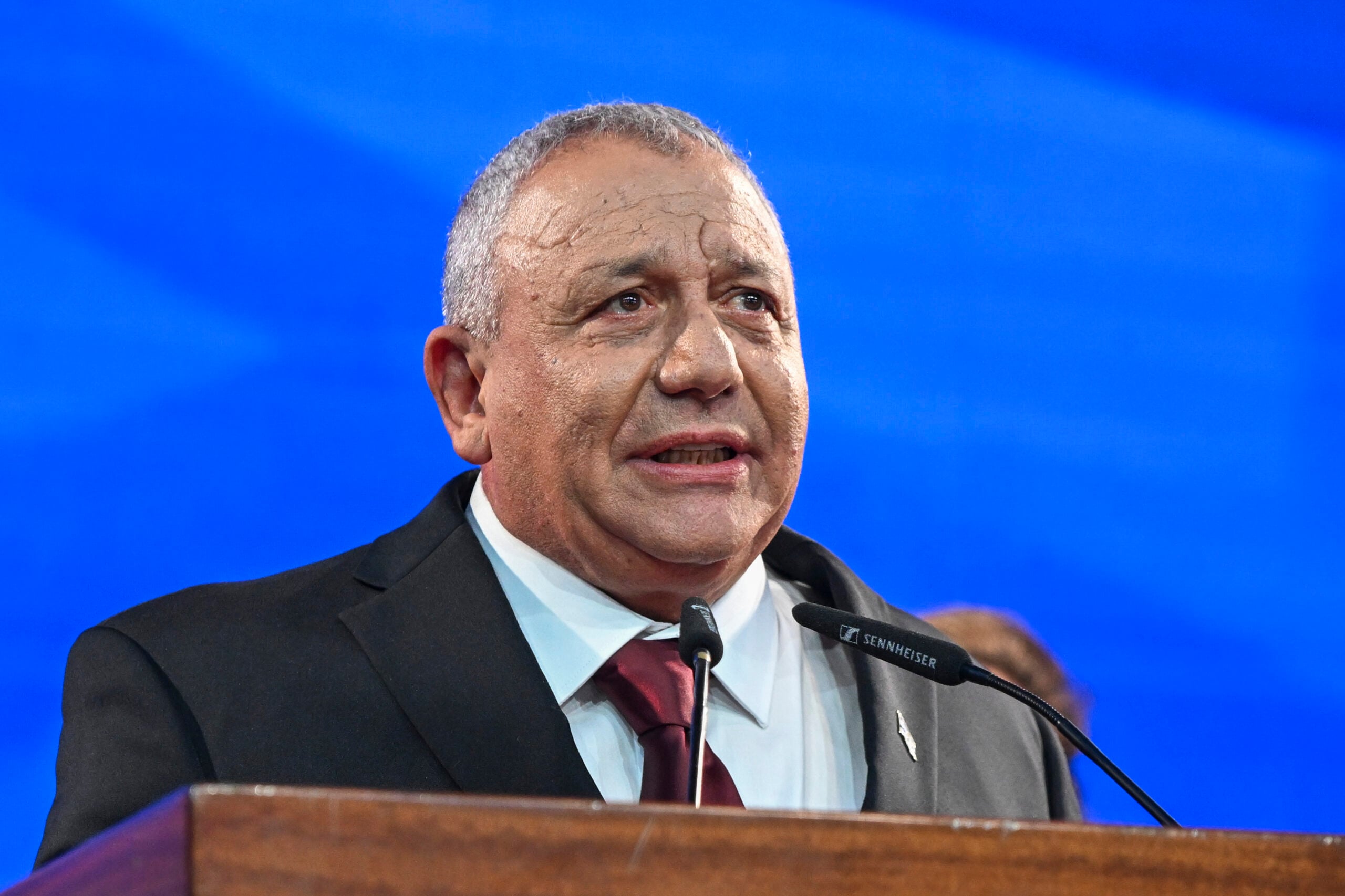
Sources in the bloc estimate that such an alliance would make it harder for Gadi Eisenkot, Naftali Bennett, and Avigdor Lieberman to form a government that relies on only some of the factions. Instead of negotiating with each party separately, they would be required to reach agreements with the entire axis.
However, for now no binding agreement has been reached among the three factions. The question of whether all of them will be willing to commit not to join a government separately is still at the center of the talks.
If the move matures, it could significantly change the balance of power in the opposition bloc: no longer three factions that can be approached separately, but a coordinated bloc of 27 Knesset members demanding to enter the government or support it as one unit.