




The Saudi newspaper Al-Sharq Al-Awsat reported overnight Saturday that the Ali al-Taher ridge has become the focal point of developments in southern Lebanon in recent days. The report emphasized Prime Minister Benjamin Netanyahu’s firm position, insisting on Israeli control of the ridge unless Hezbollah agrees to evacuate it and hand it over to the Lebanese army.


 1+
1+According to the report, American General Joseph Clearfield is working urgently between Beirut and Tel Aviv to establish a monitoring mechanism for the deployment of the Lebanese army in pilot areas, while setting agreed-upon maps and ensuring the dismantling of Hezbollah’s infrastructure. Meanwhile, Lebanese Parliament Speaker Nabih Berri accuses Israel of attempting to destabilize the region and impose a new security zone. Alongside the diplomatic contacts, the report offers a rare window into Lebanon’s internal dilemmas and Hezbollah’s operational distress on the ground: According to the newspaper, Hezbollah refuses to transfer the hills to the Lebanese army due to fear and historical paranoia that withdrawing its fighters would make it easier for the IDF to seize the ridge—as it claims happened in the past with the Beaufort fortress.
 1+
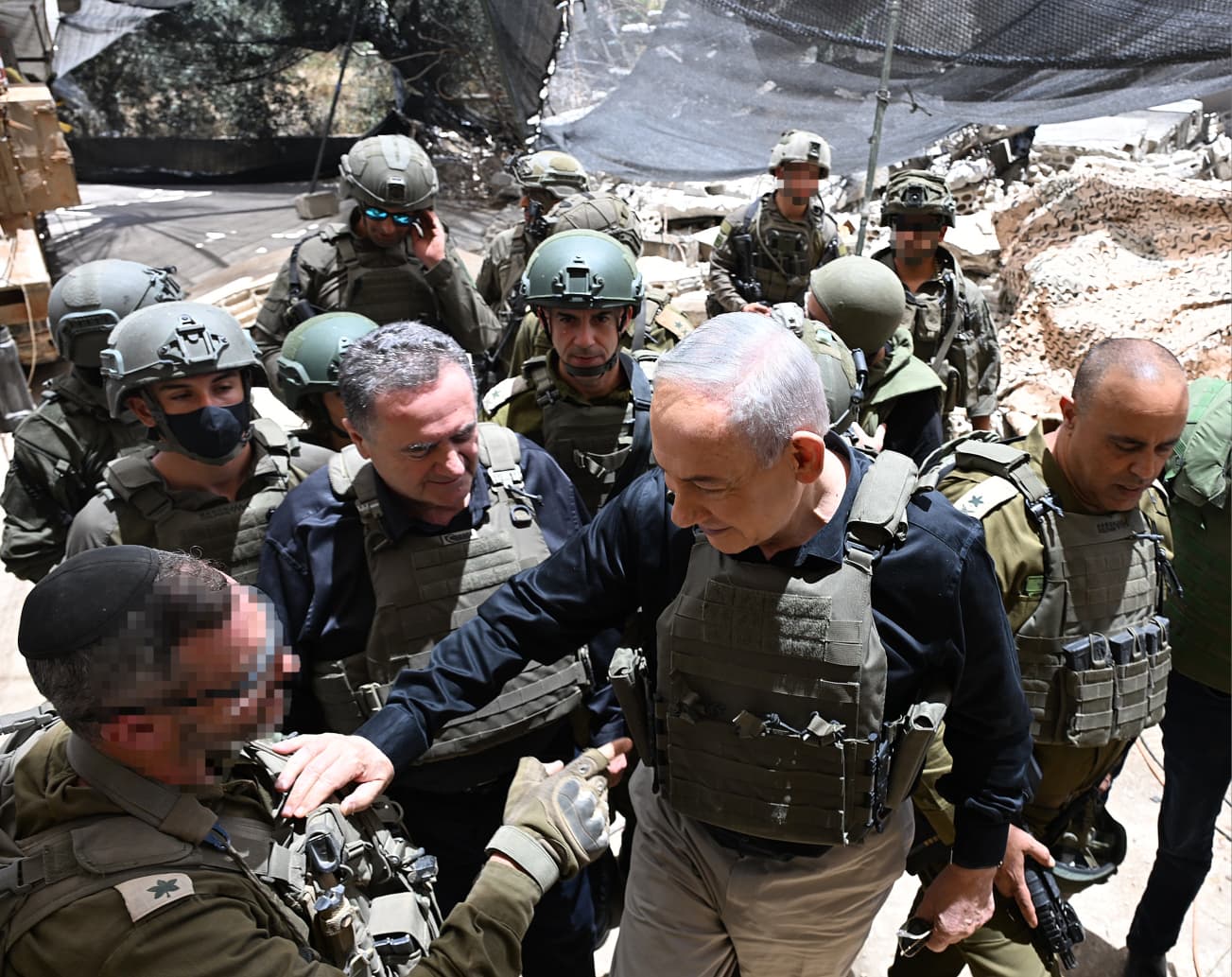
1+As a reminder, this past June, the IDF operated on the strategic Ali al-Taher ridge overlooking the Nabatieh area. During the operation, dozens of Hezbollah terrorists were trapped inside an “underground city” that served as the central headquarters of the “Badr Unit” in the sector, which was apparently revealed in a propaganda video the organization released in 2024.