


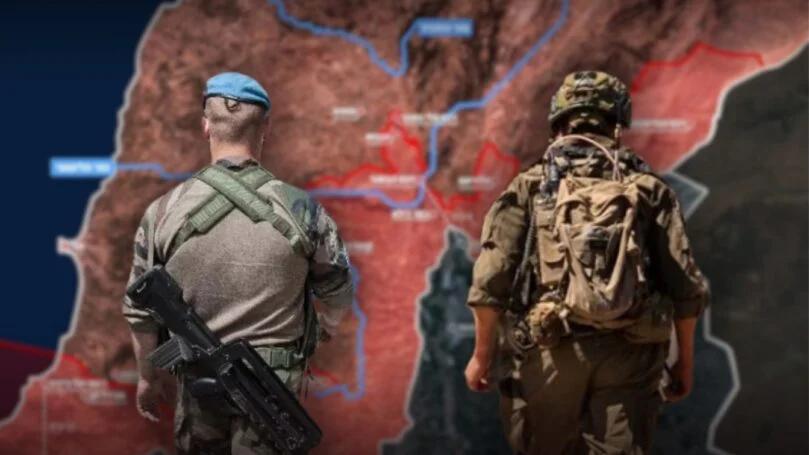

Quiet diplomatic contacts held in Rome between Israeli and Lebanese delegations with American mediation have hit a wall. A Lebanese diplomatic source said no new round of talks is planned for the coming month, and that resuming meetings will be postponed until late summer at the earliest. Despite optimistic statements from the U.S. State Department about productive professional-level discussions, the gaps between Jerusalem and Beirut have deepened on the ground and led to a freeze in the process, the Arab network Al Mayadeen reported overnight Sunday.

 2+
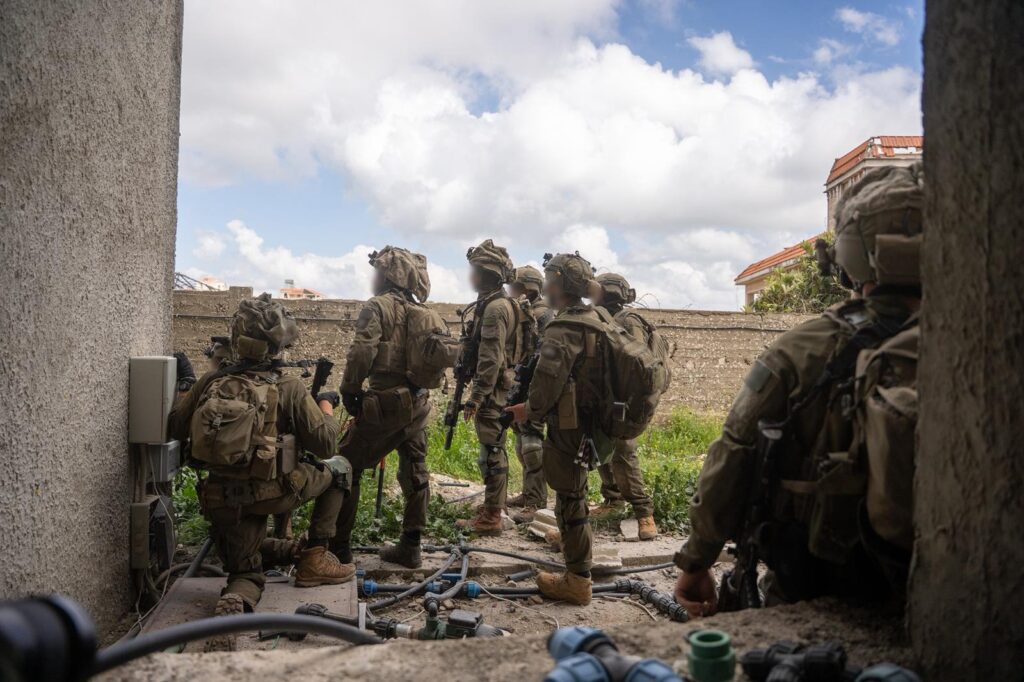
2+One of the central points of contention in the Rome talks involved a firm Israeli-American demand from Hezbollah: to immediately dismantle the military compound that the terror organization built on the Ali al-Taher ridge in the Nabatieh area.
The commanding ridge, rising to a height of about 600 meters, provides broad observation and control over the entire area. Israel made clear to mediators that it is giving the Lebanese army an opportunity to act and convince Hezbollah to evacuate the site, but emphasized that if the move fails—the IDF will take full military action to gain control of the ridge.
 2+
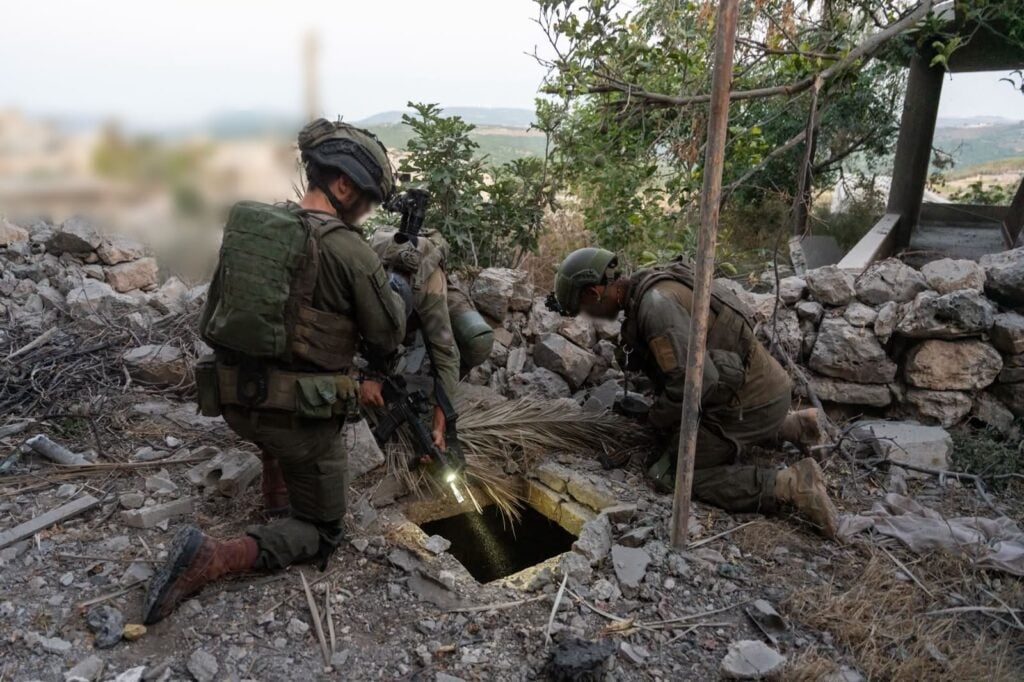
2+At the same time, sharp disputes erupted over implementation of the framework agreement signed in June 2026. The agreement stipulates that the IDF will gradually withdraw from certain areas in southern Lebanon and transfer security responsibility to the Lebanese army, as part of a pilot zone plan.
The Lebanese delegation demanded to apply this model now to the towns of Bint Jbeil and al-Khiam to allow thousands of displaced residents to return to their homes. Israel and the U.S. rejected this demand outright, making clear there will be no expansion of the pilot zones before full implementation and complete dismantling of terror infrastructure in areas where the Lebanese army has already taken responsibility is proven.
 2+
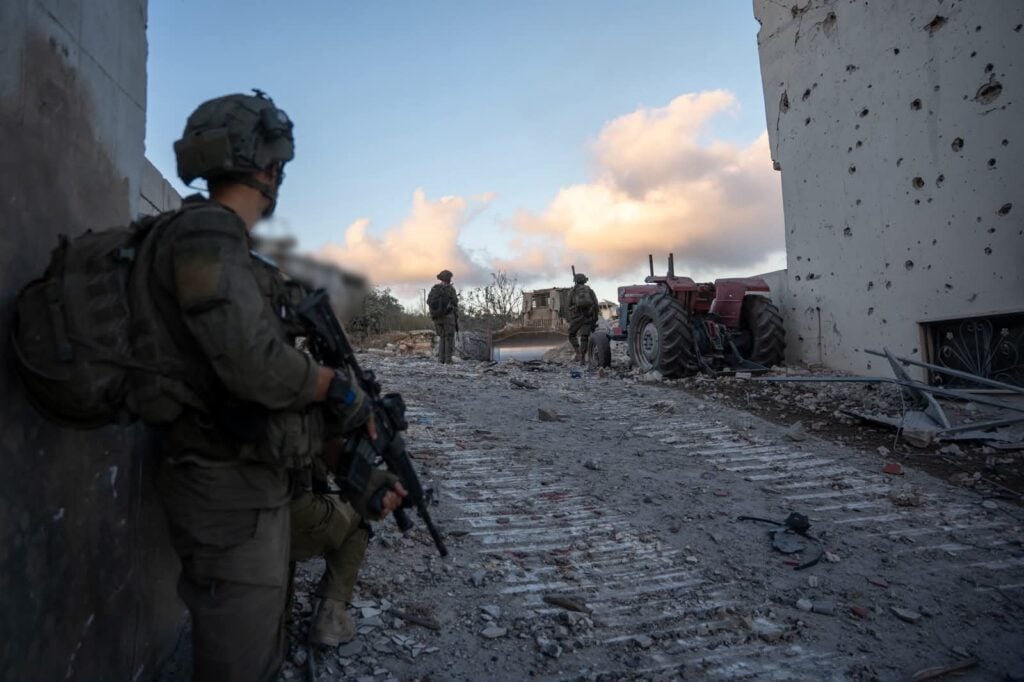
2+Another major obstacle in the talks concerns the issue of missing persons and fighting on the ground. The Lebanese raised a demand to receive information about civilians and operatives who disappeared during months of fighting. In turn, the Lebanese delegation refused to accept Israel’s claims that all the explosions and engineering operations the IDF is carrying out in southern Lebanon are solely aimed at destroying Hezbollah tunnels and weapons depots.
Israel insisted that no guarantees for a full ceasefire will be given as long as Hezbollah continues to arm itself and refuses to evacuate from the border line. This complexity led the Lebanese government to admit that the negotiations have entered their most difficult phase, and the chance of a breakthrough before September is slimmer than ever.