


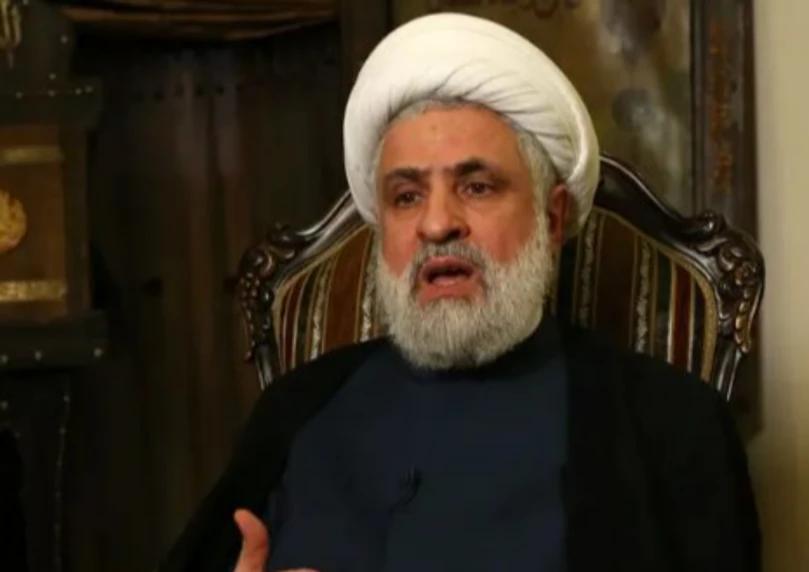

Hezbollah Secretary-General Naim Qassem announced in his latest appearance that the Lebanese terrorist organization is prepared to hold a public meeting with Syria’s new leadership at a time suitable for both sides. The announcement follows remarks by U.S. President Trump suggesting that the Syrian regime could, if necessary, confront Hezbollah militarily instead of Israel.
Qassem’s announcement came after Syrian leader Abu Mohammed al-Julani said he would not oppose sitting down with the terrorist organization if doing so served the interests of Syria and Lebanon. Qassem responded: “A stable Syria is a source of support for Lebanon, just as a stable Lebanon is a source of support for Syria.”
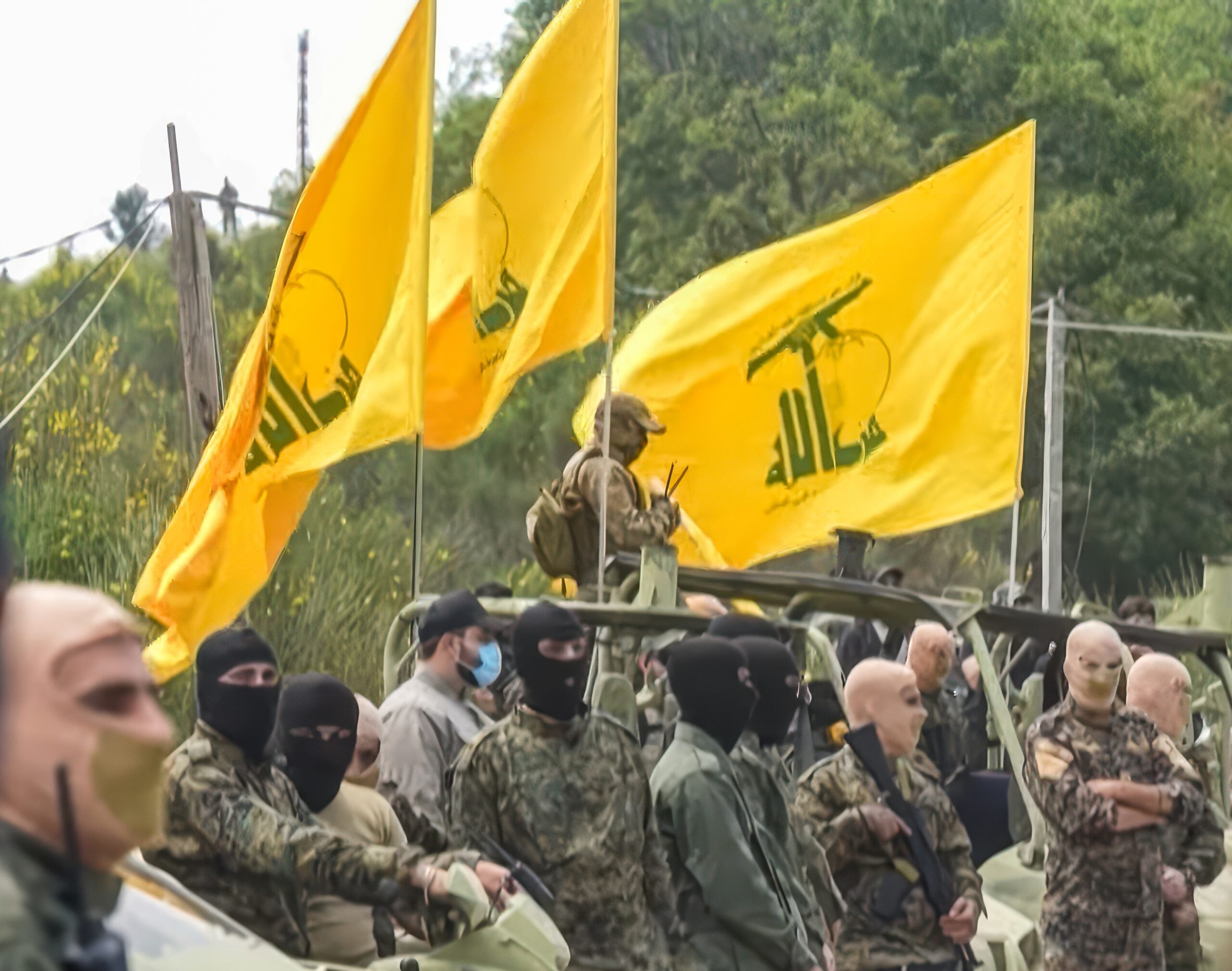
The development is particularly unusual given that the two sides have been fighting one another since 2012. That year, Hezbollah entered the Syrian civil war at Iran’s request to help Bashar al-Assad, becoming one of the forces that helped prevent the dictator’s regime from collapsing earlier.
Hezbollah and al-Julani’s forces nevertheless remain enemies. Cells affiliated with the terrorist organization have recently attempted to carry out attacks in the Damascus area, according to Saudi media.
The current positions of both sides may help explain their willingness to consider putting more than a decade of bloodshed behind them. Hezbollah is struggling politically and militarily to reassert its control over southern Lebanon as Israel and the Lebanese government increasingly push back against the organization.
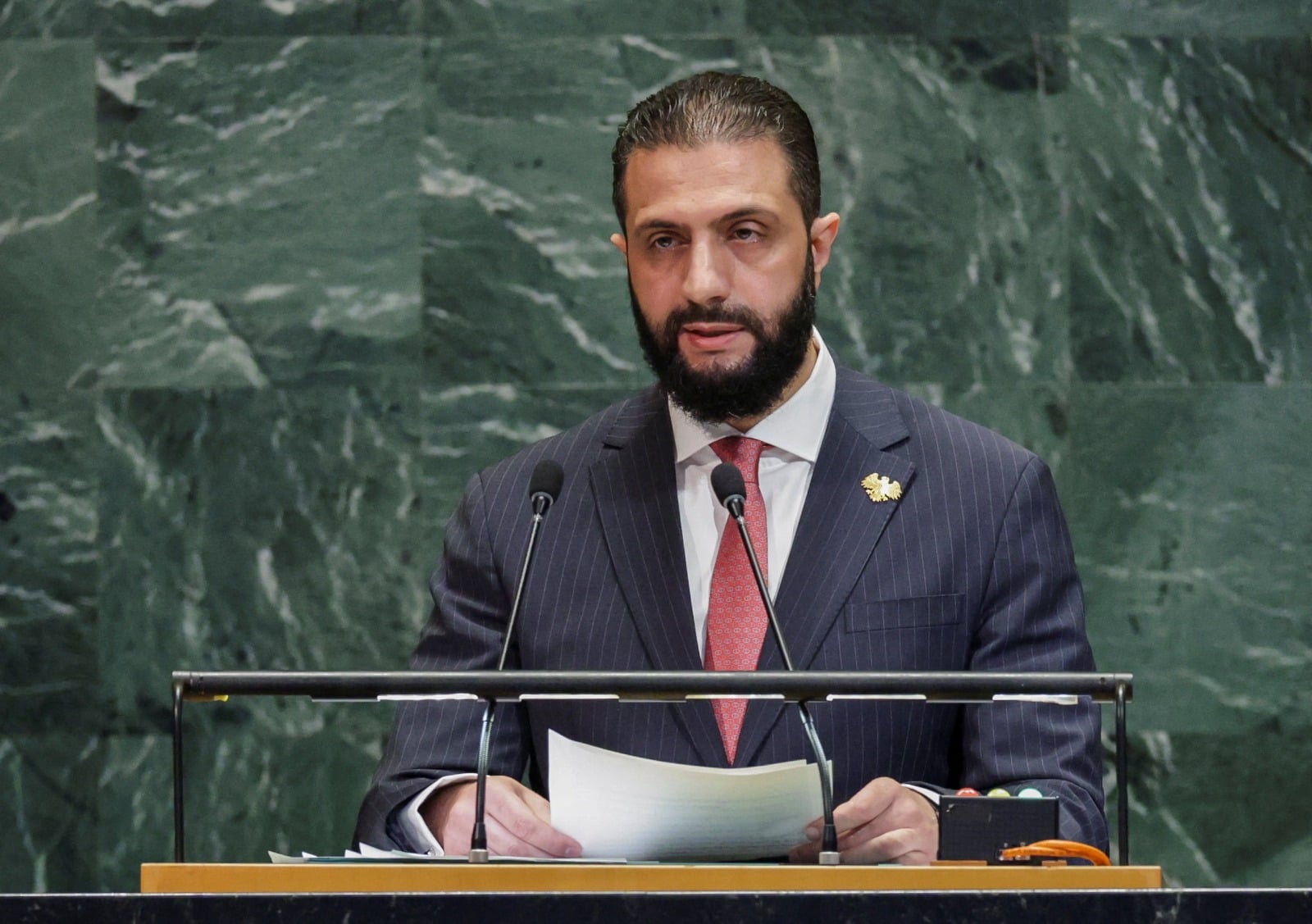
Al-Julani, meanwhile, is seeking to stabilize and rebuild the new Syria under his leadership—and another military front along the Lebanese border is a complication he would likely prefer to avoid.
The larger question is how supporters on either side would respond to any eventual agreement. Arab media have questioned how al-Julani could explain cooperation with an organization that, for many of his supporters, remains synonymous with Assad’s brutal war against them—and how Qassem’s supporters would accept an agreement with a former al-Qaeda figure who was involved in fighting and killing Shiite Muslims in Iraq.
After more than a decade as bitter enemies, a Hezbollah-al-Julani rapprochement would represent a remarkable reversal. Whether it reflects pragmatic recognition of a changing Middle East or simply two weakened adversaries deciding they can no longer afford another enemy remains to be seen.