


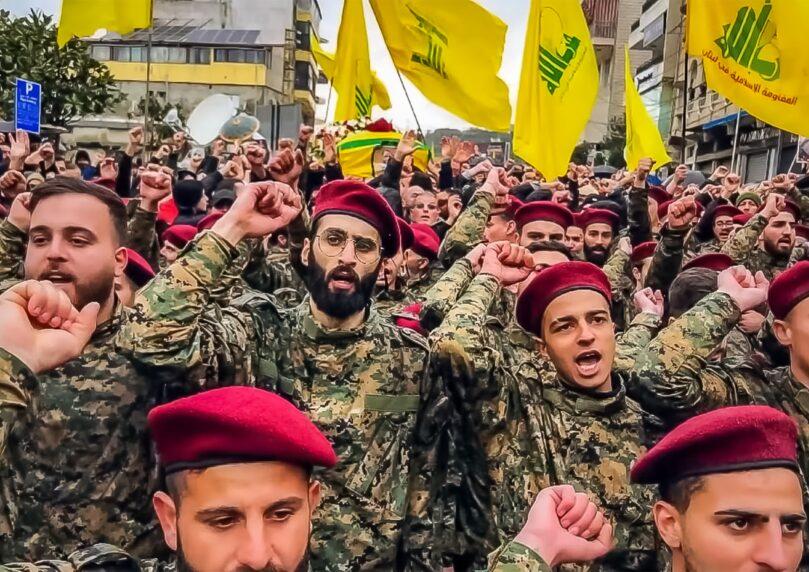

In light of ongoing negotiations between Israel and Lebanon, in reality we may have reached an understanding with the Lebanese government, but Hezbollah on the ground is not stopping for a moment. The terrorist organization continues its efforts to arm itself and its consistent attempts to reestablish itself in southern Lebanon. The Lebanese army, which is supposed to be the balancing factor, faces many difficulties in enforcing its actions against the terrorists, both in its attempt to prevent it from returning south and in its limited ability to disarm it.
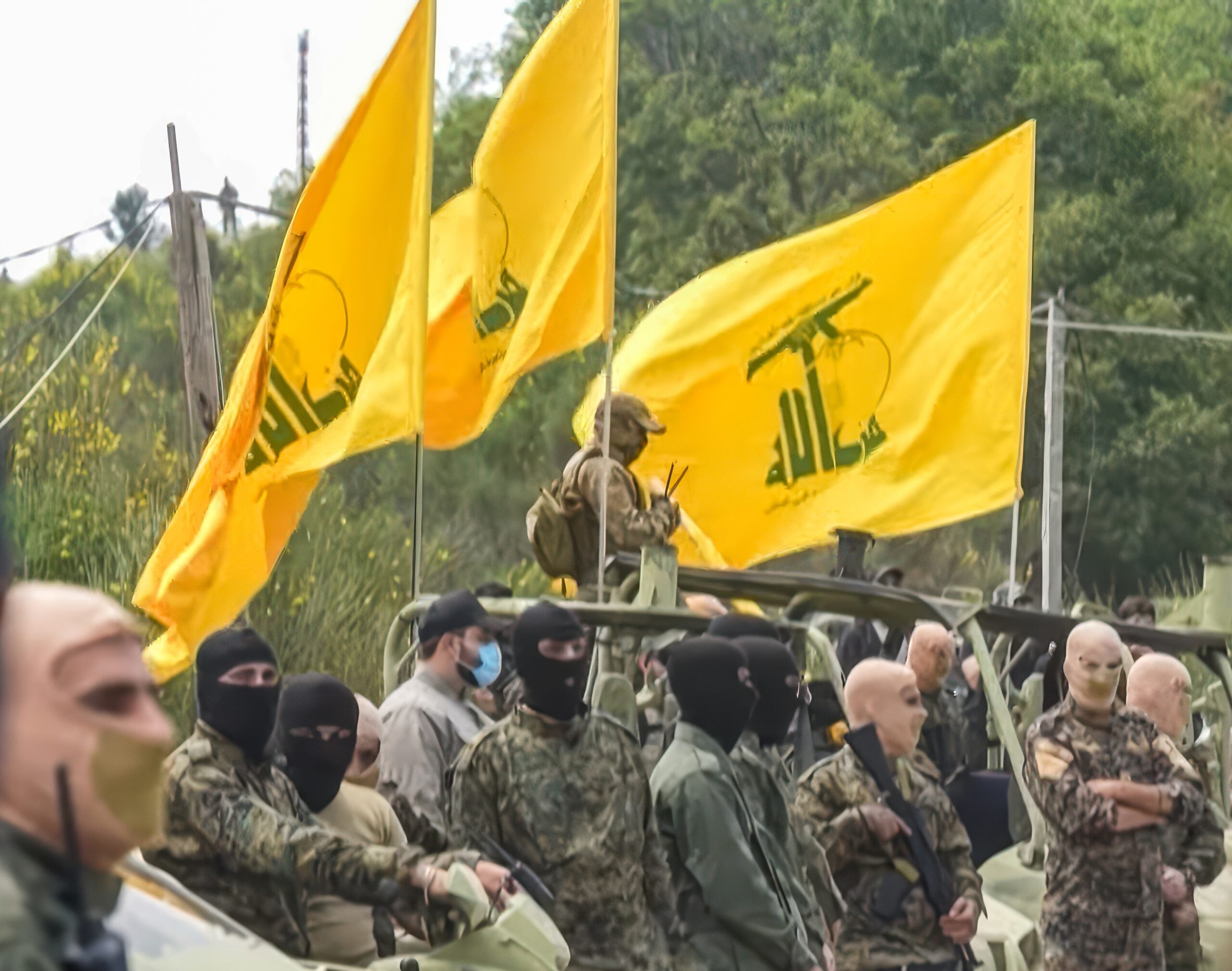
The reality on the ground is particularly complex: Hezbollah still controls large parts of the Lebanese army and controls the traffic routes, while the Lebanese army has already recorded two significant incidents against it. In addition, Lebanese army officers and soldiers are unwilling to search the organization’s buildings, mainly due to the grave fear that those buildings have been boobytrapped in advance and the explosives are waiting for their forces. This situation leaves Hezbollah’s scope of operations almost completely unimpeded.
Documentation provided by the Alma Center for the Study of the Northern Arena illustrates how Hezbollah has resumed operations through one of its long-standing civilian mechanisms – the Islamic Health Organization. The use of humanitarian and civilian cover allows the organization to continue its activities under the radar. This data proves that Hezbollah continues to receive weapons through the various crossings, with all the weapons being sent directly from Iran to strengthen the organization’s capabilities.
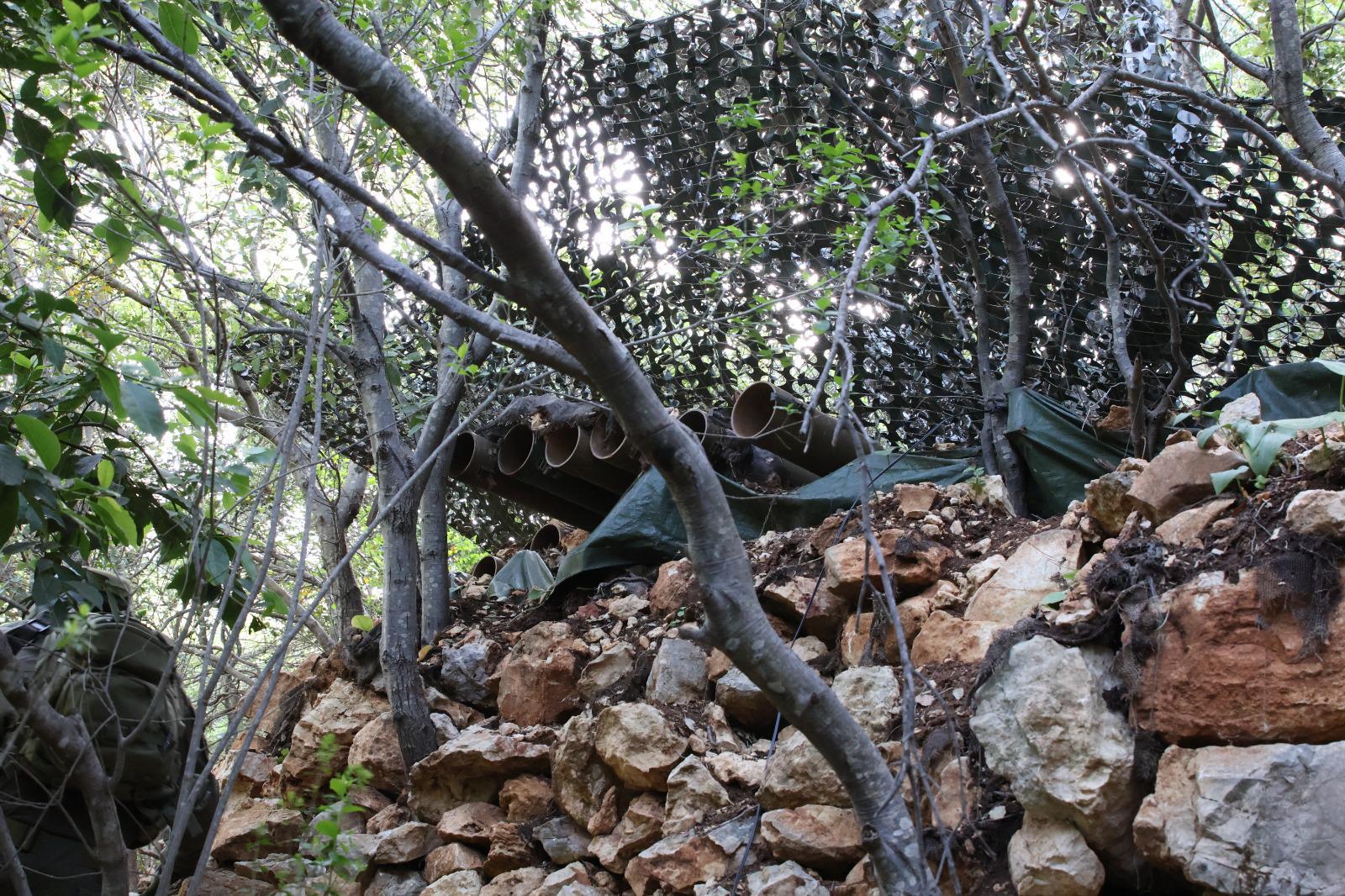
One of the most strategic and prominent crossings is the Al-Tanf crossing, located on the Iraq-Syria border. This is a smuggling route routinely used to transport fuel from Iraq, and Hezbollah exploits this civilian route and the cover story of the fuel trucks to smuggle weapons. The weapons are unloaded from the truck in one of the smuggling zones along the land border with Lebanon, and from there they are smuggled into Lebanese territory to their final destination.
It is important to emphasize several strategic points: This is the shortest and fastest route from Iran to Lebanon. This route became a central and critical route for the organization after the withdrawal of American forces from the region, and it has remained completely open since the rise of the al-Julani regime. Drones, fiber optic infrastructure, and RPG warheads are regularly transported through this route, which Hezbollah uses for renewed military buildup against Israel.
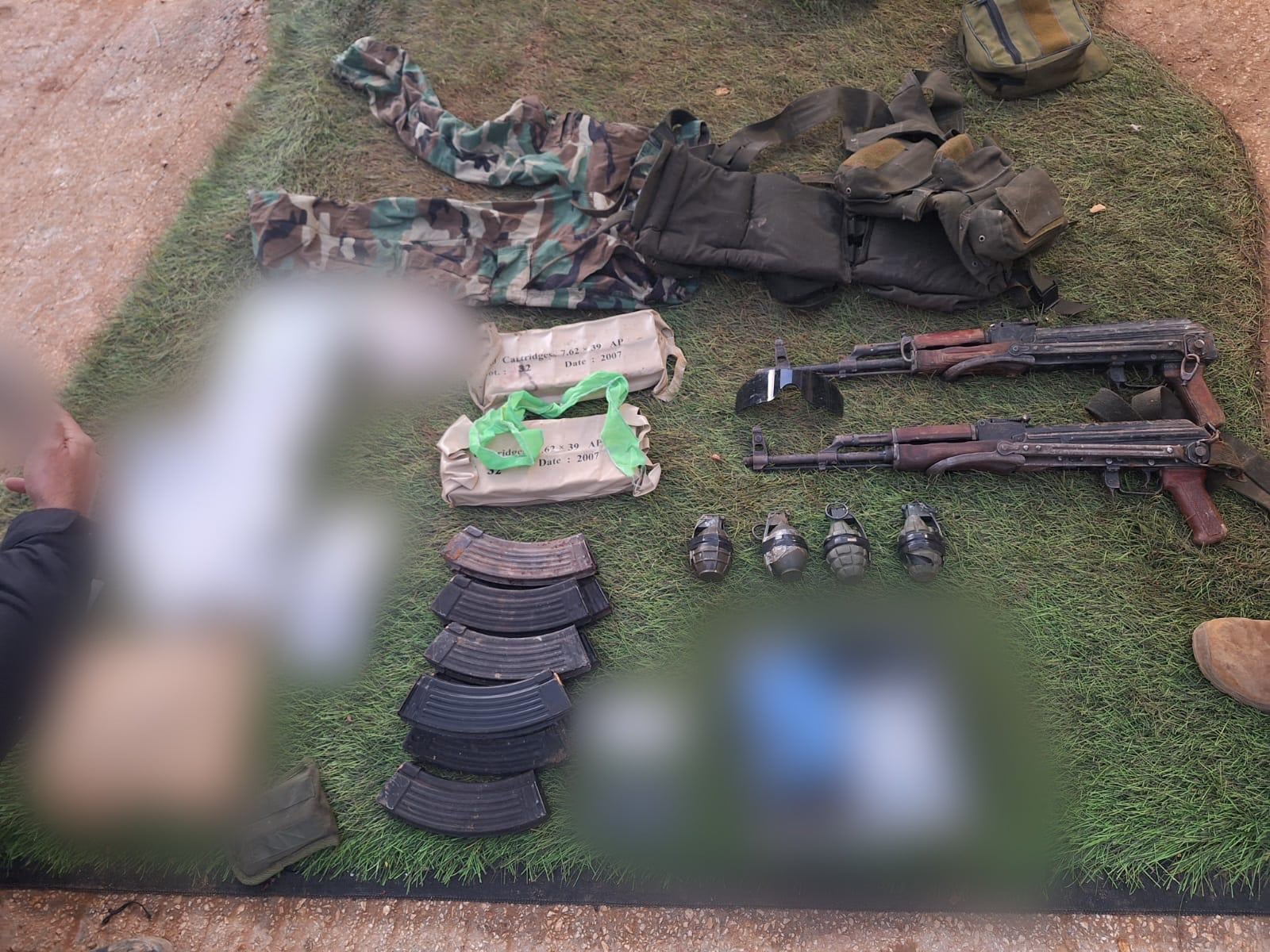
In conclusion, as can be seen from the data on the ground, the difficulty of enforcing the prevention of Hezbollah’s return to southern Lebanon continues, and at the same time, smuggling efforts continue in full force. Despite the talk of political understandings and rounds of talks, the intelligence and operational situation shows a completely different reality. The conclusion is unequivocal: the mission in Lebanon has not yet been completed.