


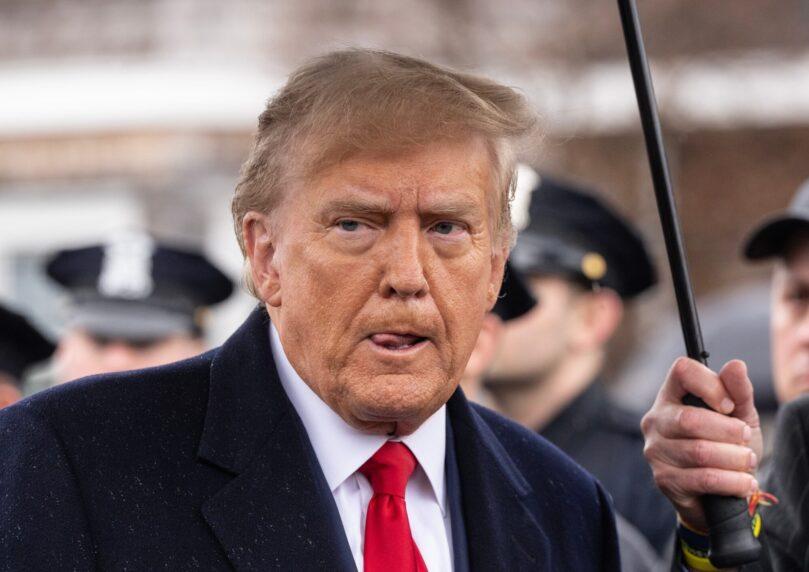

President Donald Trump is ramping up pressure on Iran. Against the backdrop of escalating tensions in the Middle East over the past two weeks, Trump said he is considering a large-scale strike on Iran—one that would be “the biggest ever” if Tehran continues its current course and refuses to meet American demands. Trump added that “Israel will join” if he asks.

 1+
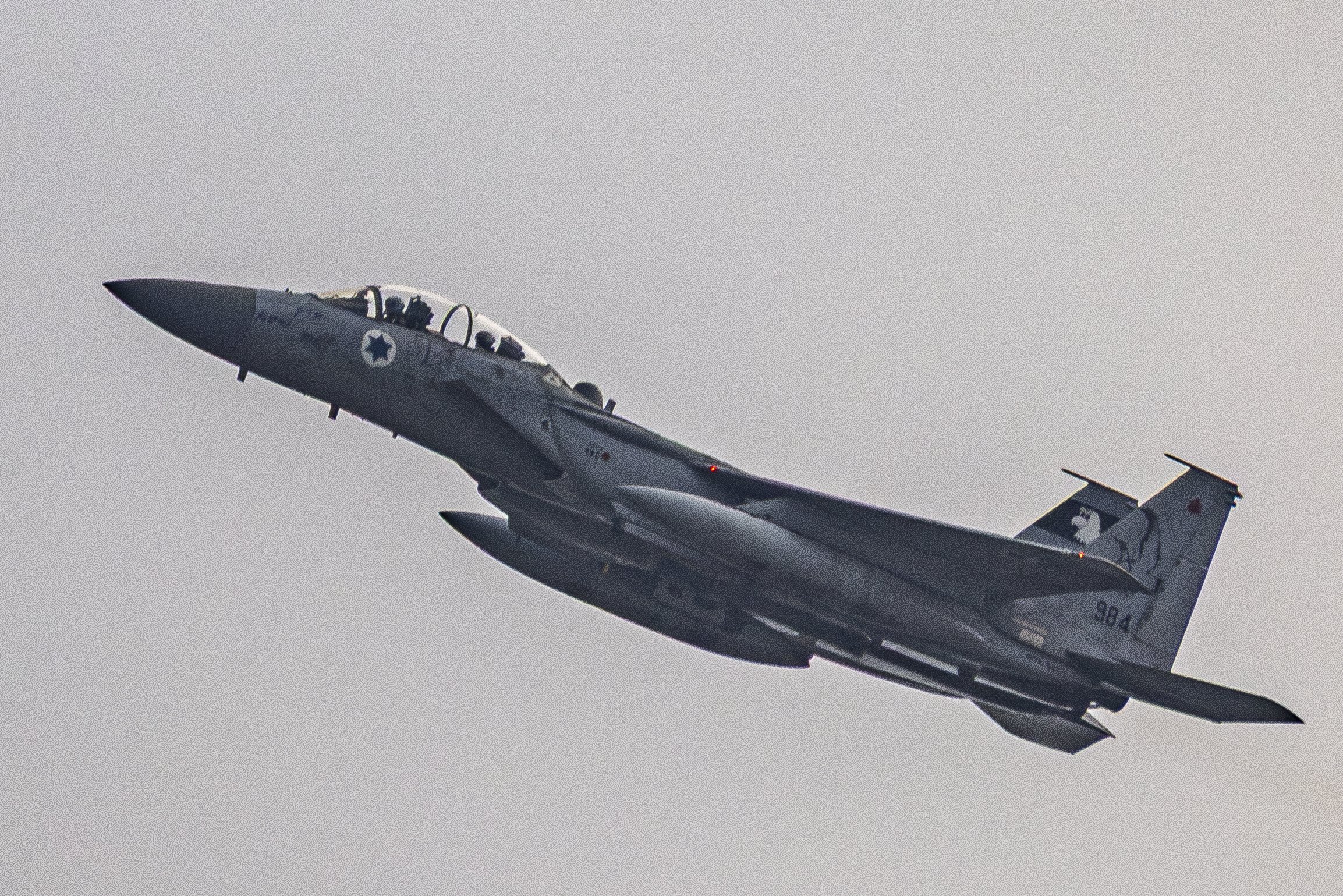
1+The statement follows a series of remarks in recent weeks in which Trump made clear the military option remains on the table and that the United States won’t hesitate to act if it believes the Iranian threat is growing. In recent months, the president has warned that if a “truly good” deal isn’t reached, the United States will return to military action “bigger and stronger than ever.”
Senior Likud Lawmaker: ‘Iran Strike—Maybe This Weekend’
In Israel, Trump’s comments gained added significance after Likud MK Moshe Saada said earlier Thursday in an interview with Noam Amir that “we’re heading toward a strike on Iran—possibly as soon as this coming weekend.”
Alongside his warnings to Iran, Trump sought to calm concerns over the emerging civilian nuclear agreement with Saudi Arabia. In a post on Truth Social, he clarified that approval of the deal would be conditional on Saudi Arabia joining the Abraham Accords and normalizing relations with Israel.
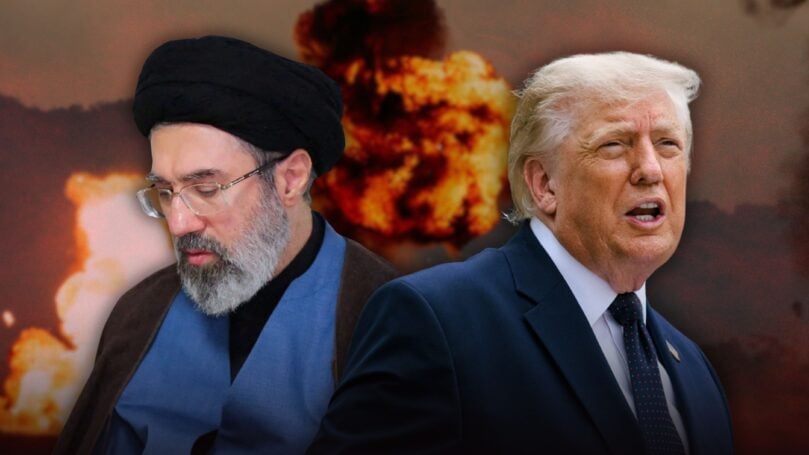
According to Trump, the agreement is strictly for civilian use, will not permit uranium enrichment on Saudi soil, and will focus exclusively on peaceful nuclear energy. He stressed that the deal would not fuel a regional nuclear arms race. His decision to link the agreement to the Abraham Accords is widely viewed as an effort to pressure Riyadh to move toward normalization with Israel despite conditions the kingdom has previously set.
Cities Open Shelters: ‘Ready for Any Scenario’
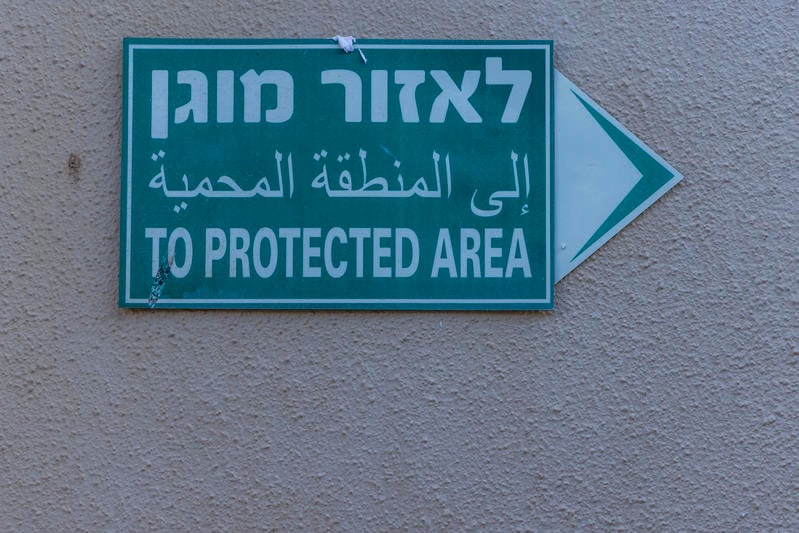
Amid the rising tensions, several local authorities across Israel have begun preliminary preparedness measures, although Home Front Command has not issued any changes to its official guidelines. Herzliya, Eilat, Ramat Gan, and Karmiel have all announced the opening of public shelters while reinforcing emergency and maintenance teams.
 1+
1+In Herzliya, Mayor Yariv Fisher held a situation assessment with Home Front Command representatives, security and rescue officials, and municipal leaders before announcing that all public shelters were open and ready for use. He said the city remains in constant contact with security officials and is prepared for any scenario. In Eilat, the city’s Emergency and Security Division also ordered shelters opened, increased patrols, and instructed operators of dual-purpose shelters to prepare for immediate activation if needed.
Officials stressed that these are precautionary measures intended to improve preparedness, not a response to any change in the official threat assessment. Residents were urged to familiarize themselves with the nearest protected spaces and continue following Home Front Command instructions.