


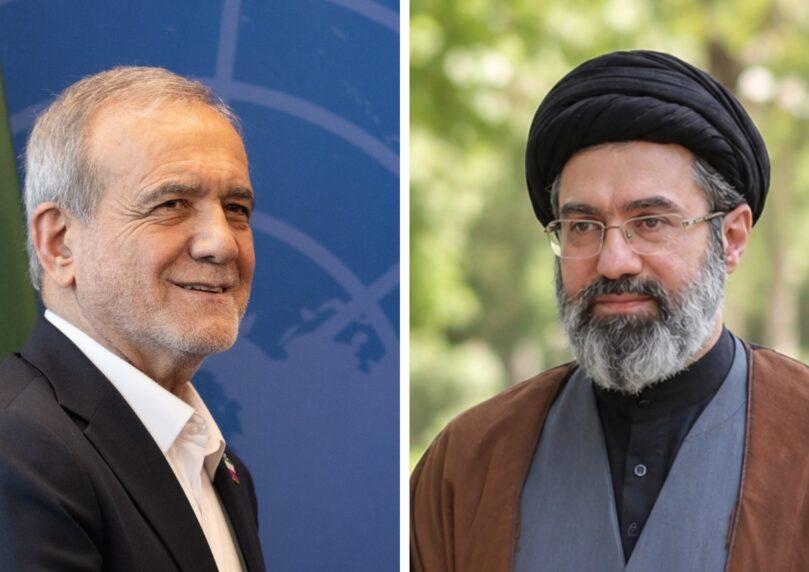

Iran is refusing to discuss its nuclear program before the United States meets its demands to end the war. An Iranian official told Reuters on Monday that the issue won’t come up at a meeting of senior officials from Iran, Saudi Arabia, Turkey, and Pakistan taking place in Tehran.


 3+
According to the official, Tehran won’t agree to address the nuclear program until the U.S. lifts its naval blockade on Iranian ports and cancels sanctions restricting its oil exports. The demands are part of broader conditions Iran is setting for ending the fighting.
The Iranian position clashes directly with the American administration’s demands. U.S. Vice President J.D. Vance said earlier this month that Iran must significantly reduce its uranium enrichment capacity. Promises alone won’t be enough for a deal that ends the war, he said.
 3+
Vance also addressed enrichment to 60% purity. “If you don’t want nuclear weapons, why do you need fuel enriched to 60%?” he asked. He stressed that Washington demands concrete action from Tehran, not future commitments that aren’t binding.
Mecca Alliance Arrives in Tehran
The Tehran meeting includes an unusually senior delegation from the “Mecca Alliance” countries. Saudi Arabia is represented by Defense Minister Khalid bin Salman, brother of Crown Prince Mohammed bin Salman. Pakistan’s army chief, Field Marshal Asim Munir, and Turkey’s intelligence chief, Ibrahim Kalin, also arrived for the talks.
 3+
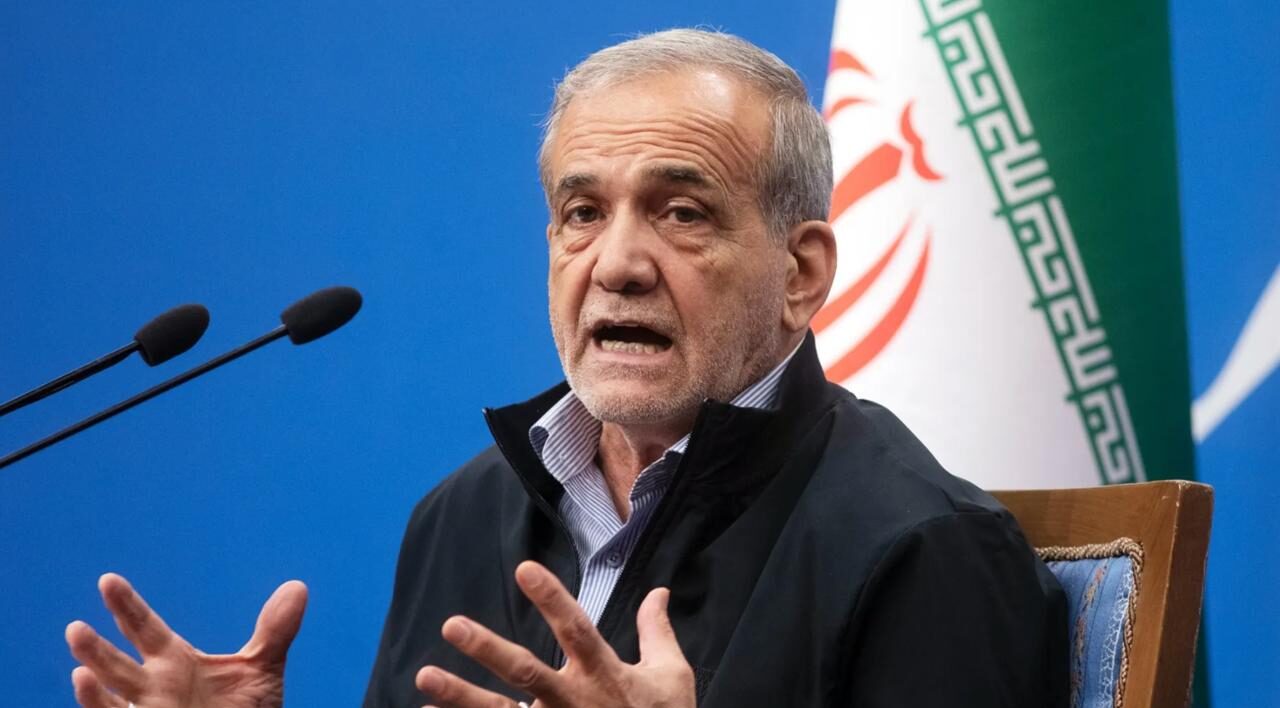
On the Iranian side, President Masoud Pezeshkian, Foreign Minister Abbas Araghchi, and Supreme National Security Council Secretary Mohsen Rezaei participated. This is the first high-level meeting between Iran and the three countries since they signed the mutual defense agreement in Mecca in August.
The purpose of the visit, according to the Saudi Foreign Ministry, is to open negotiating channels to “prevent the return of military escalation.” The agenda includes the confrontation between Iran and the United States, Houthi attacks against Saudi Arabia, the blockade of the Strait of Hormuz, and the American blockade on Iranian ports.
 3+
The “Mecca Alliance” was established in August by Saudi Arabia, Turkey, and Pakistan. The agreement states that the countries will use “all necessary means” against threats to their territorial integrity, sovereignty, and borders. The members have already agreed to act on the rapid deployment of forces and military capabilities in Saudi Arabia.
Relief First—Then Nuclear Talks
In the background is an Iranian proposal conveyed to the United States through Qatar. According to the proposal, Tehran would reopen the Strait of Hormuz within about a week, while maintaining Iranian control of the waterway. In return, it demands lifting the naval blockade, easing restrictions on oil exports, releasing frozen assets, and stopping the fighting on all fronts.
The central dispute concerns the sequence of actions. Washington demands discussing the nuclear program from the start of negotiations. Tehran insists its economic and security conditions be met first, and only then will discussion of the nuclear program open.
Iran is also setting another red line: recognition of its right to enrich uranium. An Iranian official involved in the contacts said this month that Tehran isn’t willing to give up the right itself, but could discuss the scope and details of enrichment later.
Pakistan and Qatar are leading mediation efforts. Qatari representatives arrived in Tehran on Sunday, in coordination with the United States. Despite the contacts, no breakthrough has been reported at this stage. The Tehran meeting may open a new regional channel, but the gap between the American demand for nuclear concessions and the preconditions Iran is setting remains deep.