


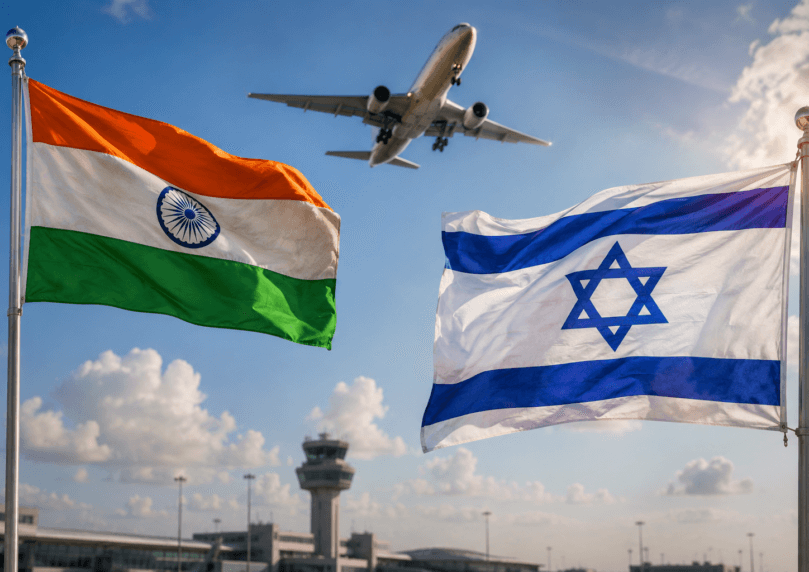

For thousands of Israelis dreaming of trekking through the Himalayas, unwinding on Goa’s beaches, or setting off on the traditional post-army backpacking trip, the journey just became even more complicated. Air India has once again postponed its return to Israel, extending the suspension of its Tel Aviv route until at least September 30.
This leaves the route without direct flights between Tel Aviv and New Delhi—neither from Israeli carriers nor foreign airlines. The route is equally important for business travelers and for Israel’s expanding economic and diplomatic relationship with India, making the continued suspension especially significant.


 1+
1+In recent years, Israel and India have steadily expanded cooperation in areas including defense, technology, cybersecurity, agriculture, water management, and innovation, with both governments expressing a desire to deepen trade and investment.
Direct air links have played an increasingly important role in strengthening those ties, making the prolonged suspension a setback for businesses and travelers alike.
Air India’s latest decision also reflects the caution still gripping the global aviation industry. Although Ben Gurion Airport has remained open, many international carriers continue to reassess service to Israel following months of regional instability, missile and drone attacks, fluctuating insurance costs, and operational uncertainty tied to the ongoing conflict with Iran-backed terrorist groups.
 1+
1+The return of direct service was expected to make travel significantly easier and provide an alternative to flights with layovers. Instead, the coming months will require flying through connecting cities in Europe, the Gulf, or Asia, which could extend flight times and drive up costs.
For now, the skies between Israel and India remain quiet. Until regional tensions ease and international airlines regain the confidence to return, one of Israel’s busiest long-haul travel corridors will remain grounded—delaying not only vacations, but also business opportunities and the continued growth of one of Asia’s most important strategic partnerships.