




These days, in the heart of Cairo, inside the headquarters of Egypt’s national radio and television authority, the words “Voice of Cairo” still echo daily—in Hebrew. This was never just another radio station, but a strategic weapon and an unconventional instrument of soft power, created by Egypt to reach Israeli society in its own language. Its mission was never entertainment, but psychological warfare: to bypass Israeli military censorship and wage a battle for Israeli hearts and minds.

 2+
2+The staff consists of Egyptian broadcasters, translators, and political analysts—graduates of Hebrew-language departments at Egyptian universities. They possess an exceptional command of Hebrew and a deep understanding of Israeli society, while adhering strictly to Egypt’s national security guidelines and maintaining precise knowledge of what can—and cannot—be said on air.
The Founding
On May 3, 1953, the Egyptian radio station Voice of Cairo began broadcasting Hebrew-language programs aimed specifically at the residents of Israel. It was the third foreign broadcaster to transmit in Hebrew following Israel’s establishment, after the BBC’s Hebrew service (1949) and Syria’s Voice of Damascus (1952).
The station was established by the Egyptian government under President Gamal Abdel Nasser as an integral part of Cairo’s pan-Arab propaganda campaign and psychological warfare against Israel. Its broadcasts were characterized by an aggressive tone, military music, and dramatic reports. Its primary objectives were clear:
1. To wage psychological warfare against Israel, its residents and leaders.
2. To lower the morale of the civilian population and the Israeli military.
3. To bypass military censorship.
4. To spread false and misleading information, especially during wartime, to create a sense of Arab victory and distort the situation in Israel.
5. To promote the Egyptian-Arab narrative in the conflict, using sharp slogans, direct threats and repeated accusations against Israel and Zionism.
Changes and Historical Development
In 1958, following the establishment of the United Arab Republic—the union between Egypt and Syria—the station was renamed Voice of Thunder from Cairo. The name remained even after the union dissolved in 1961, as Egypt continued using the title “United Arab Republic” until 1971.
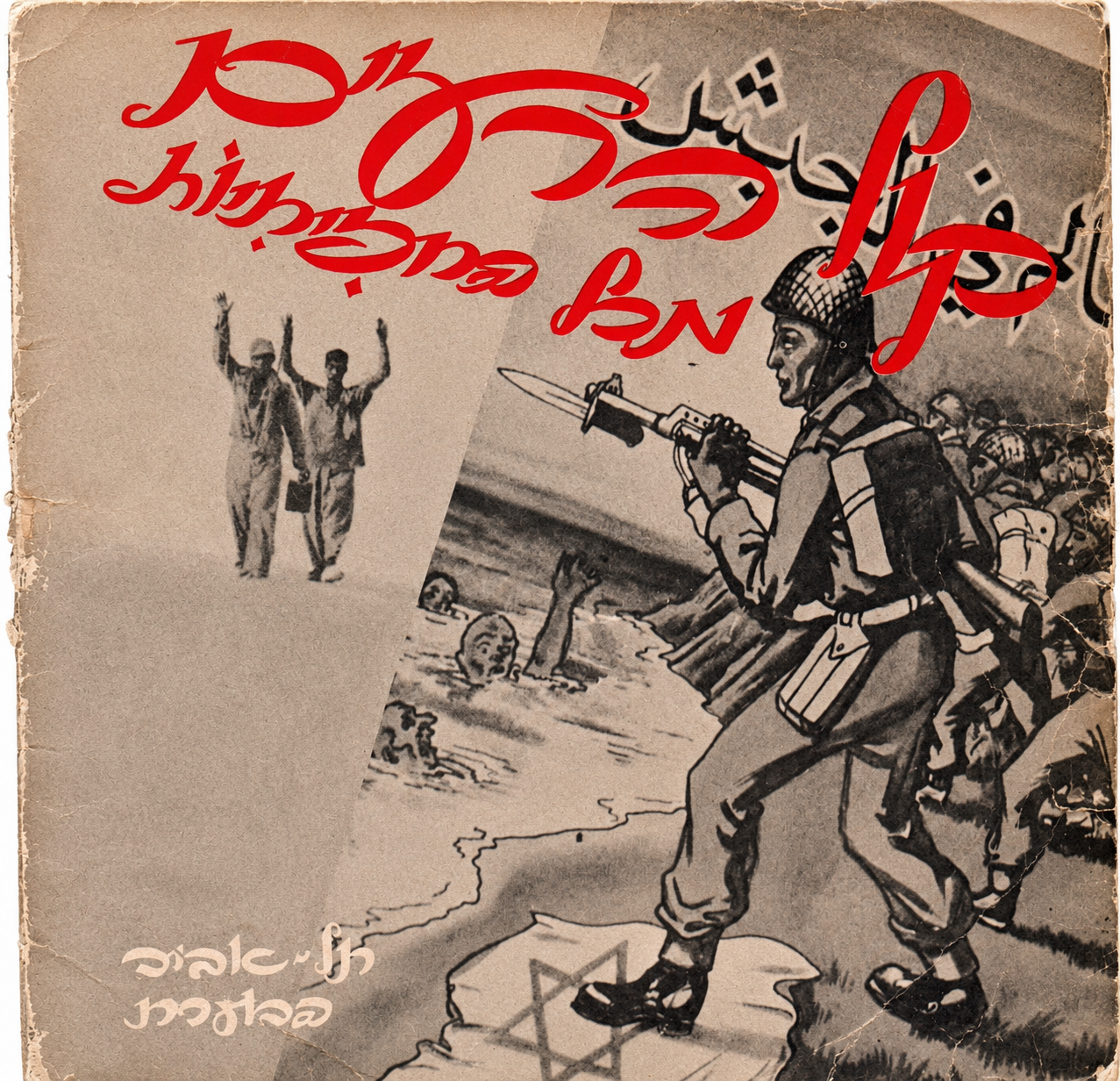
The station reached one of its most active periods during the Six-Day War in June 1967. It broadcast false reports claiming that Arab forces had captured Ashdod, were fighting in Tel Aviv, and were advancing “on all fronts,” while in reality the IDF was securing a decisive victory. Following Egypt’s crushing defeat, the broadcasts became a source of ridicule in Israel because of the stark contrast between the station’s claims and the battlefield reality.
 2+
2+Peak Influence During the Yom Kippur War
During both the War of Attrition and the Yom Kippur War, the station continued broadcasting, including interviews with captured Israeli soldiers.
Its greatest impact came during the Yom Kippur War in October 1973. At a time when Israeli media initially withheld information about battlefield losses, the station’s Hebrew-language broadcasts aired interviews with Israeli prisoners of war, most notably Col. Assaf Yaguri. Those broadcasts prompted thousands of Israeli families to tune in to Voice of Cairo in hopes of learning the fate of their loved ones, contributing to a deep crisis of confidence between the Israeli public and its government.
In the Peace Era
After President Anwar Sadat’s visit to Jerusalem (November 1977), the station’s name changed to “Voice of Peace from Cairo,” and the content became more moderate with calls for peace and normalization. In later years it returned to the name “Voice of Cairo.”
Today: Propaganda Continues Despite Peace Agreement
Voice of Cairo, under its various names, remained one of Egypt’s principal tools in its long-running information war against Israel. In 2019, reports indicated that the station’s Hebrew-language broadcasts returned in an experimental format, featuring content that differed significantly from its earlier programming—less overt propaganda and greater emphasis on Israel and the Palestinian issue from an Egyptian perspective.
 2+
2+Although its direct influence on Israeli public opinion has long been limited, the station reflected Egypt’s strategy of confronting Israel not only on the battlefield, but also in the arenas of information, public consciousness, and psychological warfare. To this day, it remains a defining symbol of classic Arab radio propaganda from the 1950s and 1960s and an important chapter in the history of the Arab-Israeli conflict.
Today, with virtually no audience in Israel—had this article not been written, few Israelis would likely even know it still exists—the station continues broadcasting in Hebrew. Its programming praises Egypt’s role in the Palestinian issue, attacks Israel and its leaders, and continues to wage psychological warfare against the Israeli public.
One message can be sent back to Cairo: “You’re wasting your time.”