


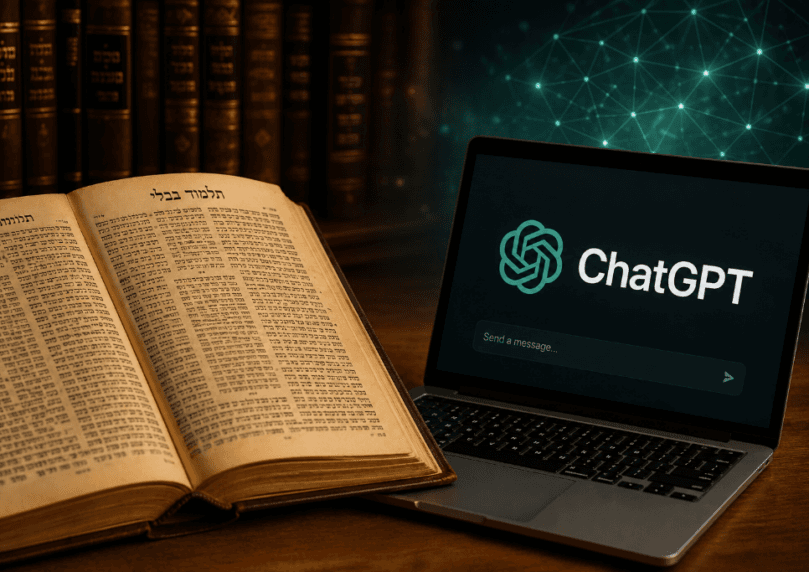
Is the next breakthrough in artificial intelligence hidden in Jewish texts? Two recent posts by OpenAI executives—from the company that developed ChatGPT—are sparking intense online debate about the connection between Jewish sources and AI development.
Dean W. Ball, OpenAI’s head of strategic futures, wrote on his X account: “There comes a time in every AI policy professional’s life when they realize they have to read the Talmud to make further progress, and for me that time was this week.”
The post quickly went viral, approaching a million views, likes, comments and shares, and sparked heated debate. Some users praised the statement and encouraged Ball to study the Talmud, while others criticized his remarks. Despite the pushback, Ball didn’t back down and continued defending his position in replies.
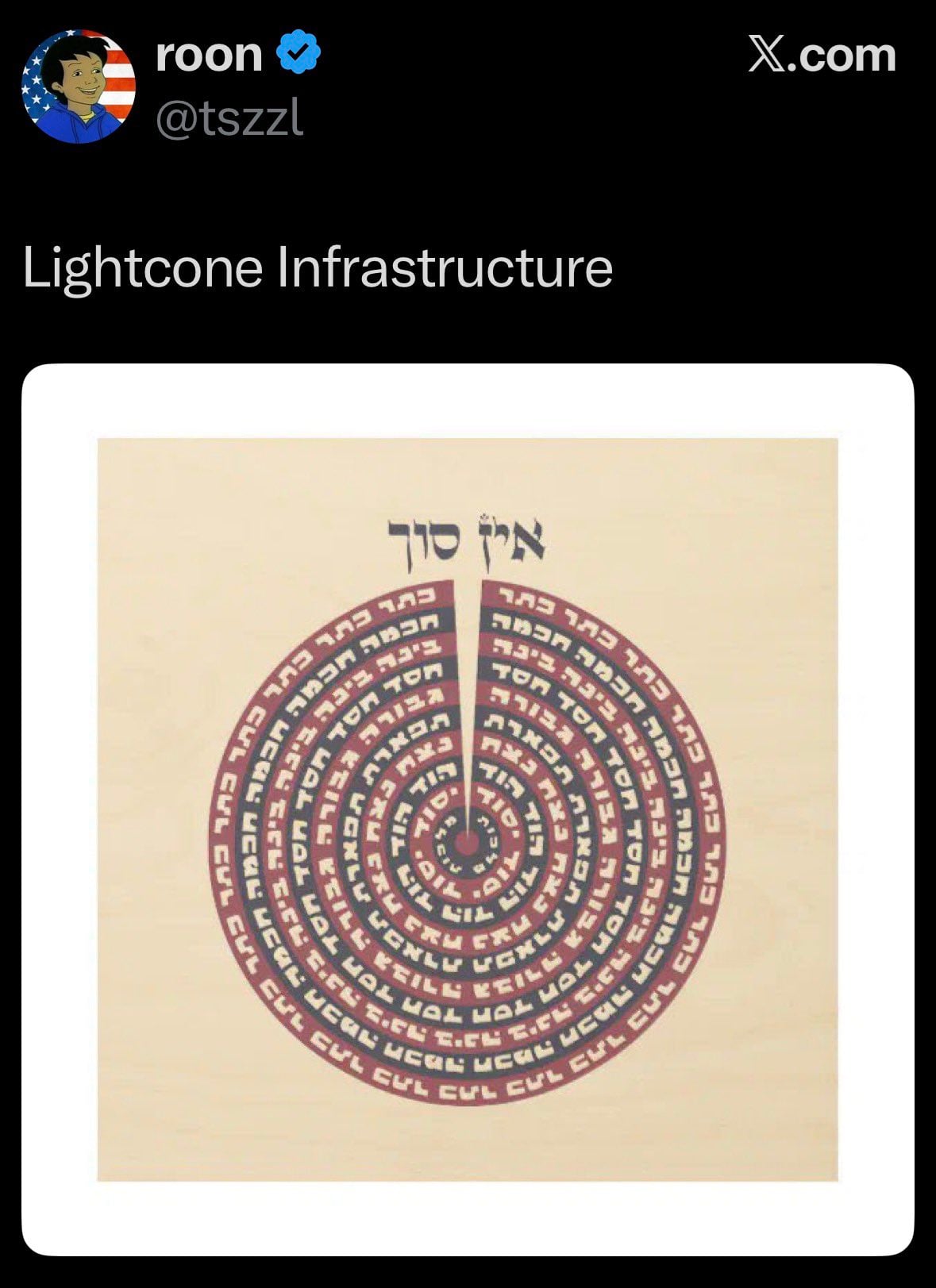

Meanwhile, another AI researcher at OpenAI shared a Kabbalistic diagram referencing the Hebrew words “Ein Sof”—a central concept in Kabbalah describing the infinite nature of the Creator. That post also drew significant attention and reinforced the impression that some at the company have growing interest in philosophical and spiritual ideas from Jewish tradition.
The two posts don’t signal any official shift in OpenAI’s approach, but they reflect an intriguing trend among some company executives who are seeking inspiration beyond the worlds of technology and science—including from ancient Jewish sources.