


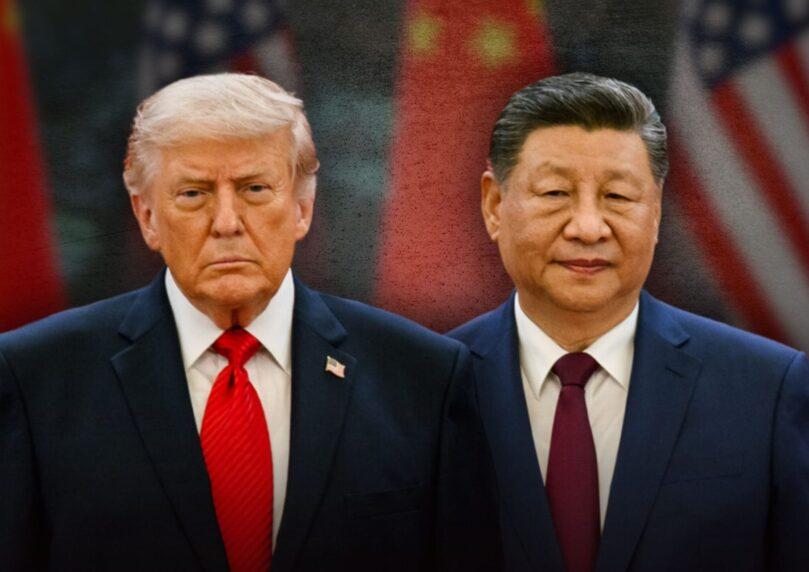

The United States is preparing to escalate its technology battle with China and present dozens of countries with a stark choice: pick a side in the artificial intelligence race. According to a Reuters report published Monday, the State Department has drafted a letter stating that countries cooperating with Washington’s AI framework cannot simultaneously join the competing initiative led by Beijing. If the move goes forward, the competition between the two superpowers over technology’s future could harden into a clearer division of the world into two camps.

 5+
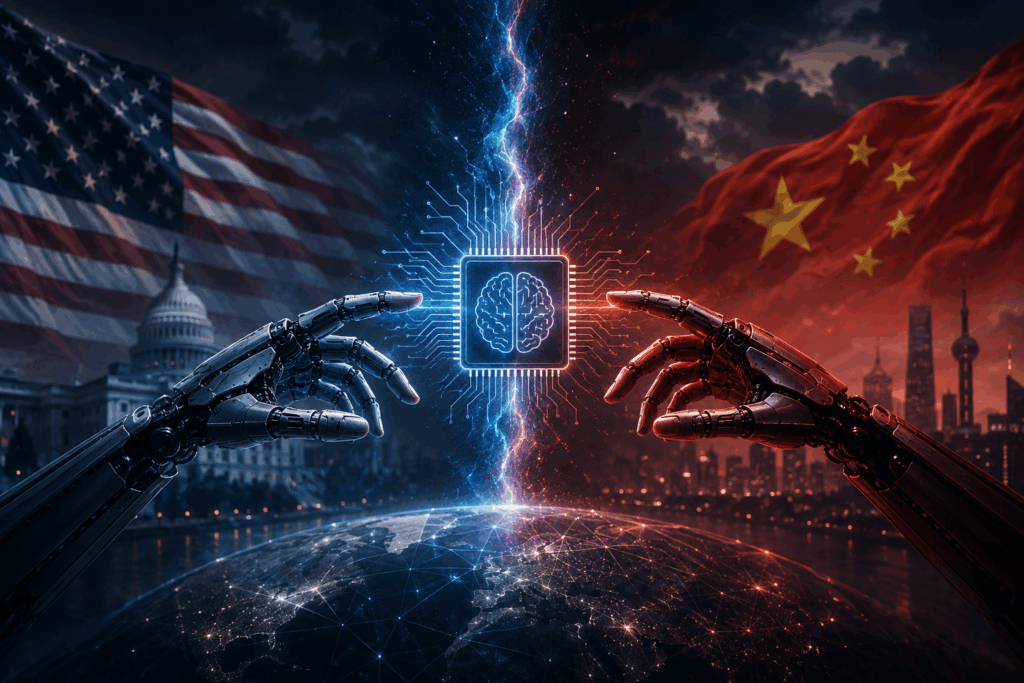
5+The battle between the United States and China is no longer just about tariffs, trade, or chips. Now, artificial intelligence is becoming an arena in which Washington is asking its allies and partners to decide which superpower they intend to go with. According to Reuters, the State Department has prepared a draft letter aimed at 35 countries that signed an American declaration on AI cooperation last June. The message emerging from the document is blunt: you can’t belong simultaneously to both American and Chinese frameworks if their requirements clash.
The draft states: “Being part of everything means being part of nothing. Signing the Pax Silica declaration is not just registering for membership, but a commitment.” It goes on to call on countries “to deliberately choose” their path in artificial intelligence. The draft also states that membership in the American framework “cannot coexist alongside membership in duplicate initiatives whose expectations conflict with our expectations.” China isn’t explicitly mentioned in that sentence, but according to the report, it’s clear the message is directed at the competing framework led by Beijing.
 5+
5+Last year, the United States launched the Pax Silica initiative, designed to create a network of countries cooperating in areas critical to AI development. This isn’t just about AI software. Developing and operating advanced systems requires powerful chips, computing centers, and large quantities of raw materials and critical minerals. So the Americans are seeking to connect member countries through joint projects and investments, while simultaneously reducing dependence on rival nations in areas like chips and minerals.
About two dozen countries have already joined the framework, including key U.S. allies like Japan, Australia, and South Korea. But one country raised particular concern in Washington: Kazakhstan. Kazakhstan holds significant reserves of minerals critical to advanced technologies and was the first Central Asian nation to join Pax Silica. But it later also joined the AI initiative promoted by China. According to the report, this is exactly the scenario the United States now seeks to prevent.
 5+
5+In July, Chinese President Xi Jinping launched the “World Artificial Intelligence Cooperation Organization”—an international framework designed to advance the Chinese vision for AI cooperation. China is promoting, among other things, models more open for use and adaptation, as part of an effort to expand its influence in the global market and present an alternative to American dominance.
This development comes at a time when Chinese models are rapidly closing some of the gaps with systems developed by American companies. From Washington’s perspective, this isn’t just business competition. Advanced AI systems could provide significant economic and security advantages, so the United States is trying to prevent China from accessing resources and technologies that could help it in the race.
 5+
5+An American official involved in the discussions explained to Reuters that the letter’s purpose is to clarify to countries that “you can’t have it both ways.” According to the official: “It’s hard to see how a country can credibly present itself as a trusted partner in one technology system, while simultaneously joining an initiative designed by China to advance a competing vision for artificial intelligence.”
Still, the move isn’t final yet. Reuters couldn’t determine when the United States intends to send the letter, and the wording may still change. The leaked draft doesn’t bear a date. The State Department said in response that it doesn’t comment on “allegedly leaked internal documents.”
 5+
5+Beijing, for its part, opposes the attempt to turn the technology battle into a division between camps. China’s embassy in Washington said China opposes turning trade and technology issues into political issues. “Such actions will only stifle global AI progress and serve no one’s interests,” an embassy spokesperson said.
Behind the confrontation lies a much bigger question than which chatbot will be better. Artificial intelligence is gradually becoming infrastructure of economic and security importance. Advanced systems can be used in research, industry, intelligence, cyber, and military domains. That’s why the chips that power them and the minerals needed to produce the technology have become strategic assets.
 5+
5+The United States and China have been competing for years over control of this chain. China holds a particularly strong position in some critical minerals and their processing, while the United States is trying to increase domestic production and build supply chains with its allies. Meanwhile, competition in AI itself is intensifying. Chinese models have made rapid progress against American systems, while Beijing itself is considering restricting access outside China to some of its advanced models.
The new American move, if implemented, marks an escalation: instead of settling for direct competition with China, Washington is now asking other countries to decide which technology system they belong to. So the implications could extend far beyond artificial intelligence. If the two superpowers continue building separate systems of chips, minerals, investments, and models, many countries may be forced to choose who they cooperate with—turning the AI race into another central arena in the global struggle between the United States and China.