


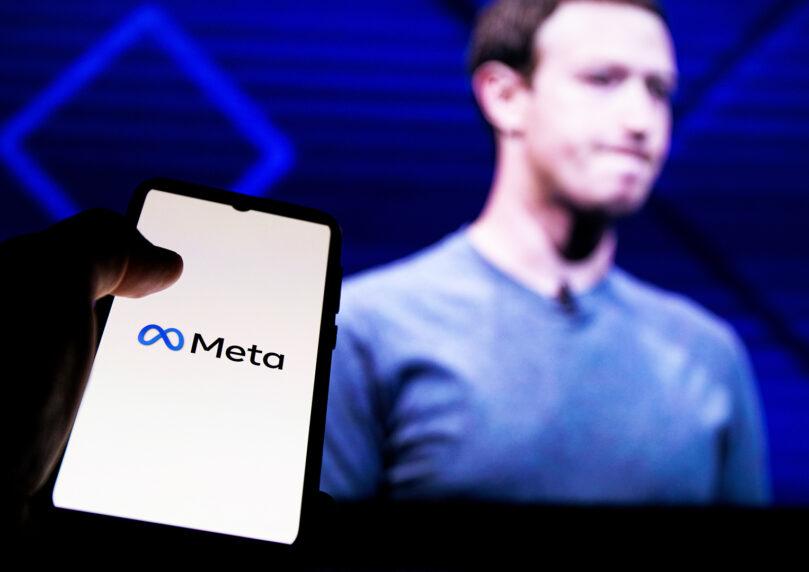

Meta CEO Mark Zuckerberg is sounding the alarm over America’s position in the global artificial intelligence race, warning that restrictions imposed on U.S. developers risk handing a growing advantage to China just as Chinese AI models gain traction inside the American market.
The warning comes as Meta announced Monday that it is releasing a new artificial intelligence model, Muse Glimmer AI, allowing developers to download and run it on their own hardware. In the coming weeks, the company also plans to open access to Muse Spark 1.2, considered one of the world’s leading foundation models. The releases mark Meta’s return to open-weight AI models after Zuckerberg announced that the company would soon resume making such technology available to developers. But Zuckerberg’s ambitions extend far beyond Meta.
In a lengthy essay outlining his vision for the future of artificial intelligence, the CEO argued that distributing powerful AI technology as widely as possible may ultimately be safer than concentrating control in the hands of a small number of corporations and governments.
“Meta’s mission since our founding has focused on putting power in people’s hands,” Zuckerberg wrote.
At the same time, he issued a broader warning to Washington: American developers face restrictions that their foreign competitors do not, potentially putting the United States at a disadvantage in one of the most consequential technological races of the coming decades.
Zuckerberg called on the U.S. government to remove barriers facing American open-source developers and work with technology companies on testing new models. He argued that U.S. policy should aim to ensure that American open-source AI remains the best in the world.
“It is important that the U.S. and our allies lead the open-source AI ecosystem, which will represent a large percentage of global AI usage,” Zuckerberg wrote.

According to Zuckerberg, foreign laboratories already enjoy advantages because American AI companies must comply with significantly more restrictions surrounding training data.
That disparity is becoming increasingly significant as Chinese open-source models—including those developed by DeepSeek, Alibaba and Z.ai—gain traction among American businesses due to competitive performance and lower costs.
The trend presents Washington with an increasingly complicated dilemma. Policymakers are considering additional restrictions on Chinese AI technology over national security concerns, even as Zuckerberg argues that restrictions facing America’s own developers could make it harder for them to compete with the very Chinese companies Washington is trying to contain.
Meta, meanwhile, is putting enormous sums behind its effort to remain competitive. The company plans to invest as much as $145 billion this year, primarily in data centers and other AI infrastructure, with investment potentially reaching $600 billion by 2028.
The scale of that spending is also creating pressure on Zuckerberg to deliver results. Investors increasingly want evidence that Meta’s massive AI investments will generate meaningful returns, while the company continues competing with leading American AI developers including OpenAI and Anthropic.
Zuckerberg has even explored the possibility of creating a cloud-computing business that could generate direct revenue from Meta’s enormous infrastructure investments, although uncertainty surrounding those plans has already contributed to investor concerns.
For Zuckerberg, however, the stakes extend beyond Meta’s balance sheet. His argument presents the AI race as a question of who will ultimately set the technological standards used around the world: the United States and its allies—or increasingly competitive Chinese developers.
As Washington debates how tightly to regulate the technology, Zuckerberg’s warning is difficult to miss: America may be trying to protect itself from the risks of AI while inadvertently making it easier for China to win the race.