


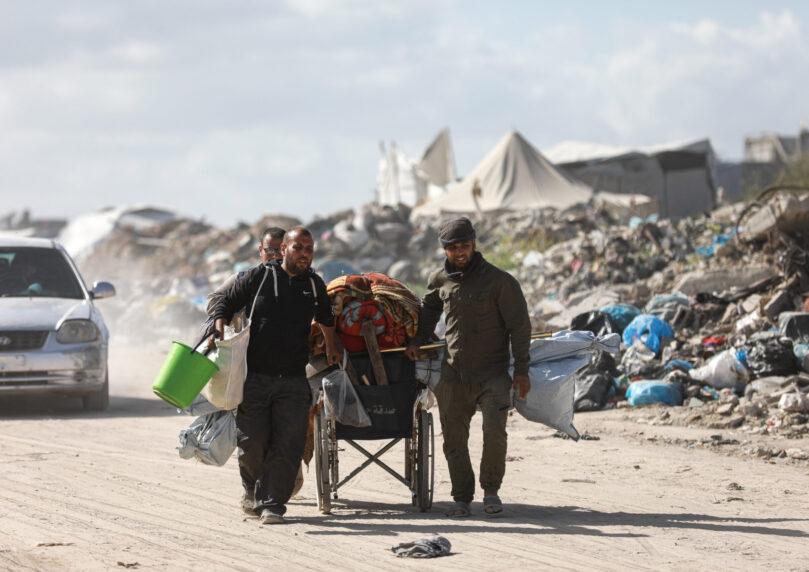

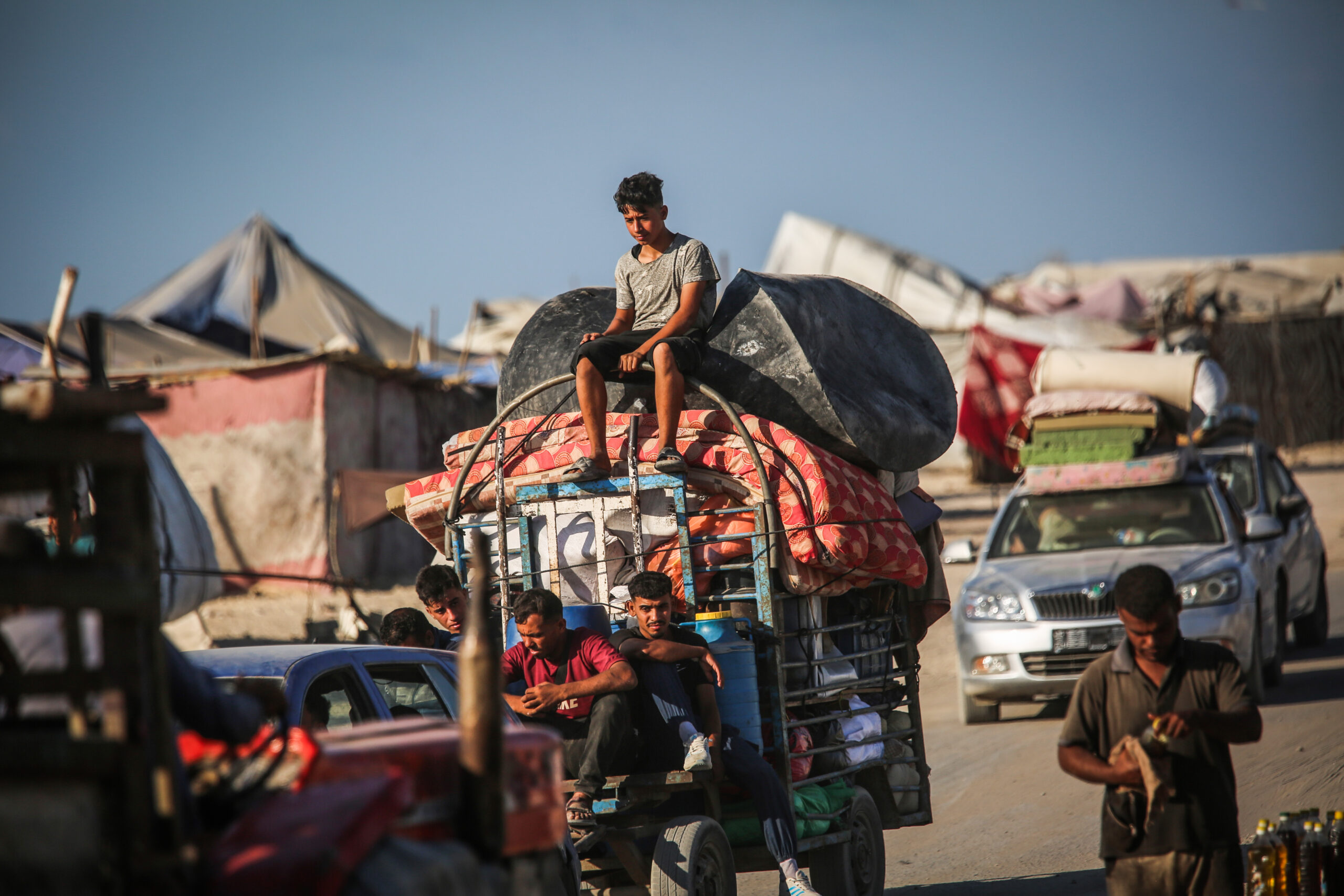
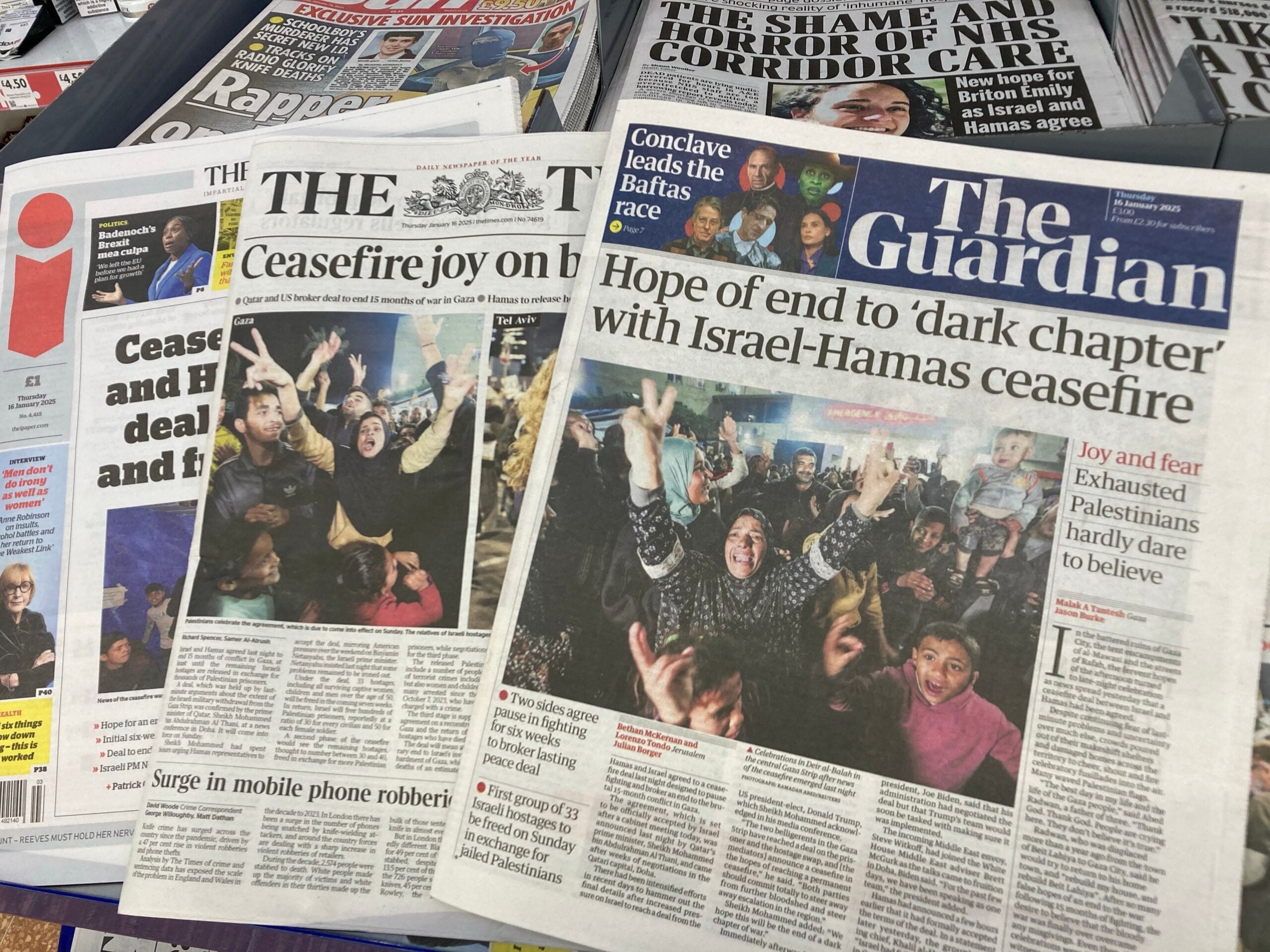
A study published earlier this year in the prestigious medical journal The Lancet Global Health has sparked controversy among demographic experts. Conducted by a team that included researchers from Royal Holloway, University of London, the study estimated that 75,200 violent deaths occurred in Gaza between October 2023 and January 2025—a figure more than 50 percent higher than estimates from Gaza’s own Health Ministry.

 1+
1+Demographers who examined the study pointed to fundamental flaws in its methodology. According to them, field teams produced unrealistic data from areas with unusual household compositions. They also identified overlapping survey areas and unrepresentative samples—such as questioning neighbors on a single street rather than conducting a cross-section of the broader population.
Concerns Over Duplicates and Professional Bias
In a response letter published in the journal, the team of experts warned that some deaths may have been counted more than once. Prof. Sergio Della-Pergola, an expert in demography and statistics at the Hebrew University, emphasized that despite the human tragedy of lives lost, public discourse absolutely cannot rely on “half-truths or fabricated facts.”
 1+
1+Prof. Della-Pergola added that the fact that a significant portion of the data came from just two investigation teams raises reasonable suspicion. According to him, the teams appear to have sampled specific areas with particularly high concentrations of casualties, prompting concerns about bias. He also warned of the influence of “anti-Israel” bias within the academic community and called for professional standards to be upheld in a debate saturated with emotion and politics.
The controversy raises a disturbing question: how much anti-Israel bias has allowed deeply flawed figures to be weaponized as “evidence” for sweeping accusations of genocide? The implications are extremely difficult to ignore.