Category: Israel

  • Europe Boycott No Longer Just Judea, Samaria, Reaches Tel Aviv

    Europe Boycott No Longer Just Judea, Samaria, Reaches Tel Aviv

    Europe insists its targets are “settlements,” not other parts of Israel. But in recent months there’s been a significant escalation in anti-Israel policies advanced by a string of European governments: from product labeling and targeted sanctions, through import bans—to searching travelers’ luggage and attempts to reach companies, services and funding sources for activity in Judea and Samaria.
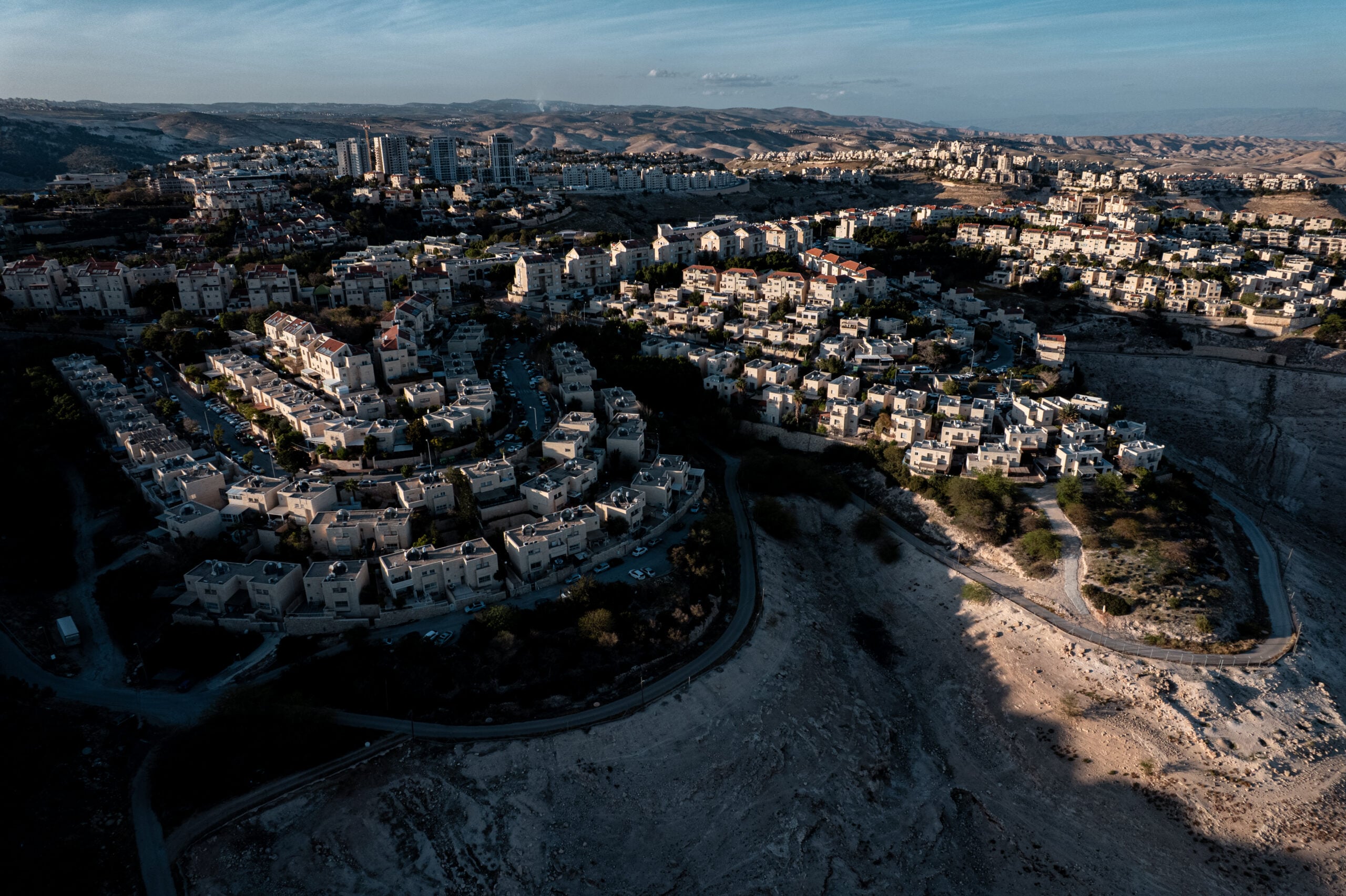
    Ma’ale Adumim | Photo: Yaniv Nadav, Flash 90

    The official line still runs, supposedly, through Judea and Samaria. In practice, as restrictions expand, they’re also getting closer to Israel within the “Green Line”: a bank in Tel Aviv, a company operating throughout the country, or an Israeli landing in Europe could be affected because of an economic connection to activity in Judea and Samaria.

    This month, Britain, France, Canada, Denmark, Finland, Iceland, Ireland, Norway, Poland, Portugal, Spain and Sweden already lined up behind a joint declaration to advance or examine restrictions on trade with Israeli communities. In the declaration, the countries accused the Israeli government of actions in Judea and Samaria that “undermine the possibility of a two-state solution.”

    Not all have implemented bans yet, but the direction is clear: what began with products and individuals is gradually expanding to trade, services, and financing.

    Netherlands: The Boycott Is in Your Suitcase

    In the Netherlands, they’re no longer satisfied with the product on the shelf. Since September 22, it’s been forbidden to import, purchase, or sell products originating from communities The Hague defines as illegal.
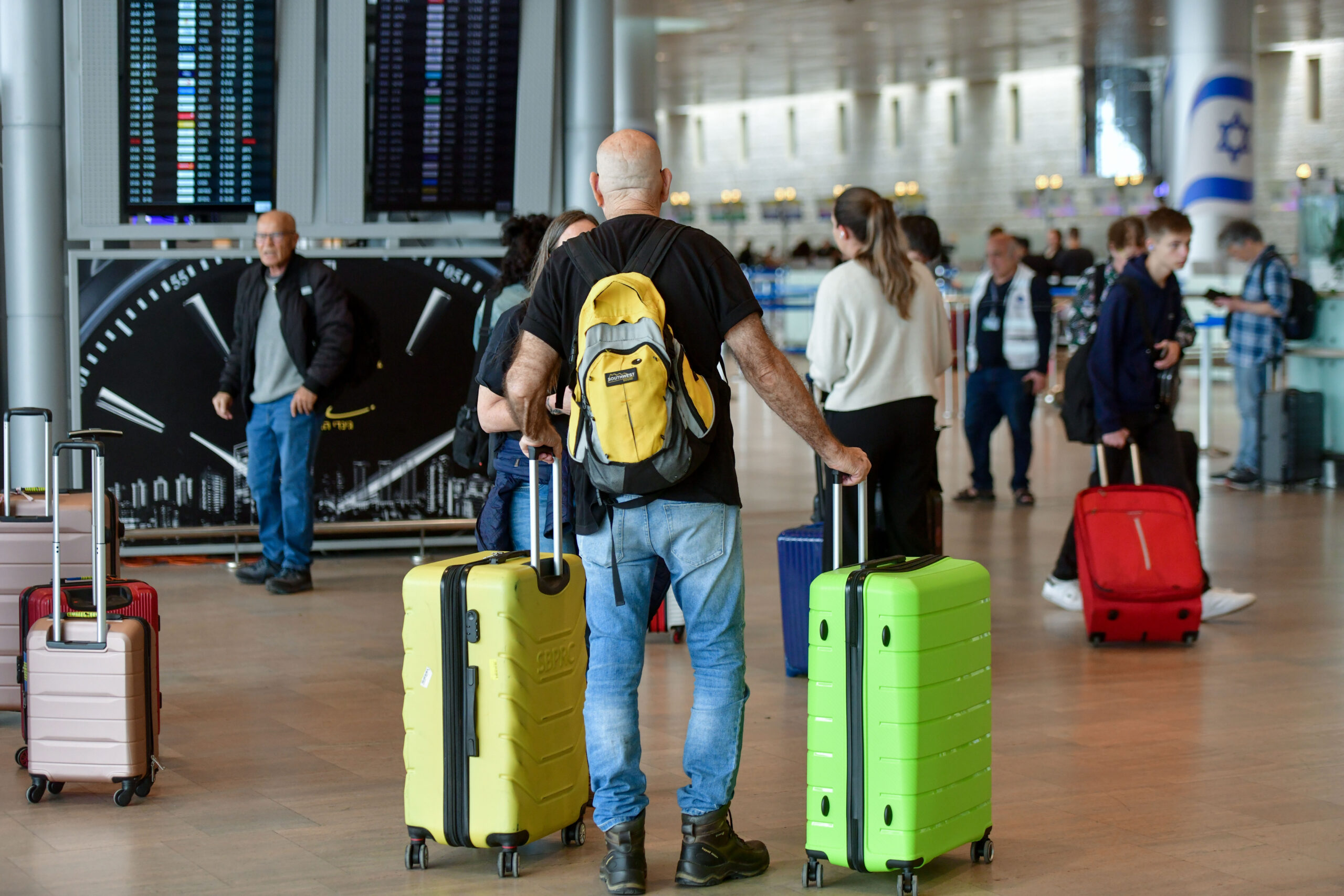
    Flying to the Netherlands? You could be stopped | Photo: Avshalom Sassoni, Flash 90

    The ban extends to personal dignity too: Dutch customs makes clear that even a souvenir, gift, or product for private use could be prohibited. An Israeli who doesn’t live in Judea and Samaria could find himself required to explain to customs where a product found in his luggage came from.

    The Hague insists there’s no change in trade relations with Israel itself. Jerusalem sees a different picture, and has already taken diplomatic steps against Dutch representatives in Ramallah.

    Britain: Now Banks Are in the Crosshairs Too

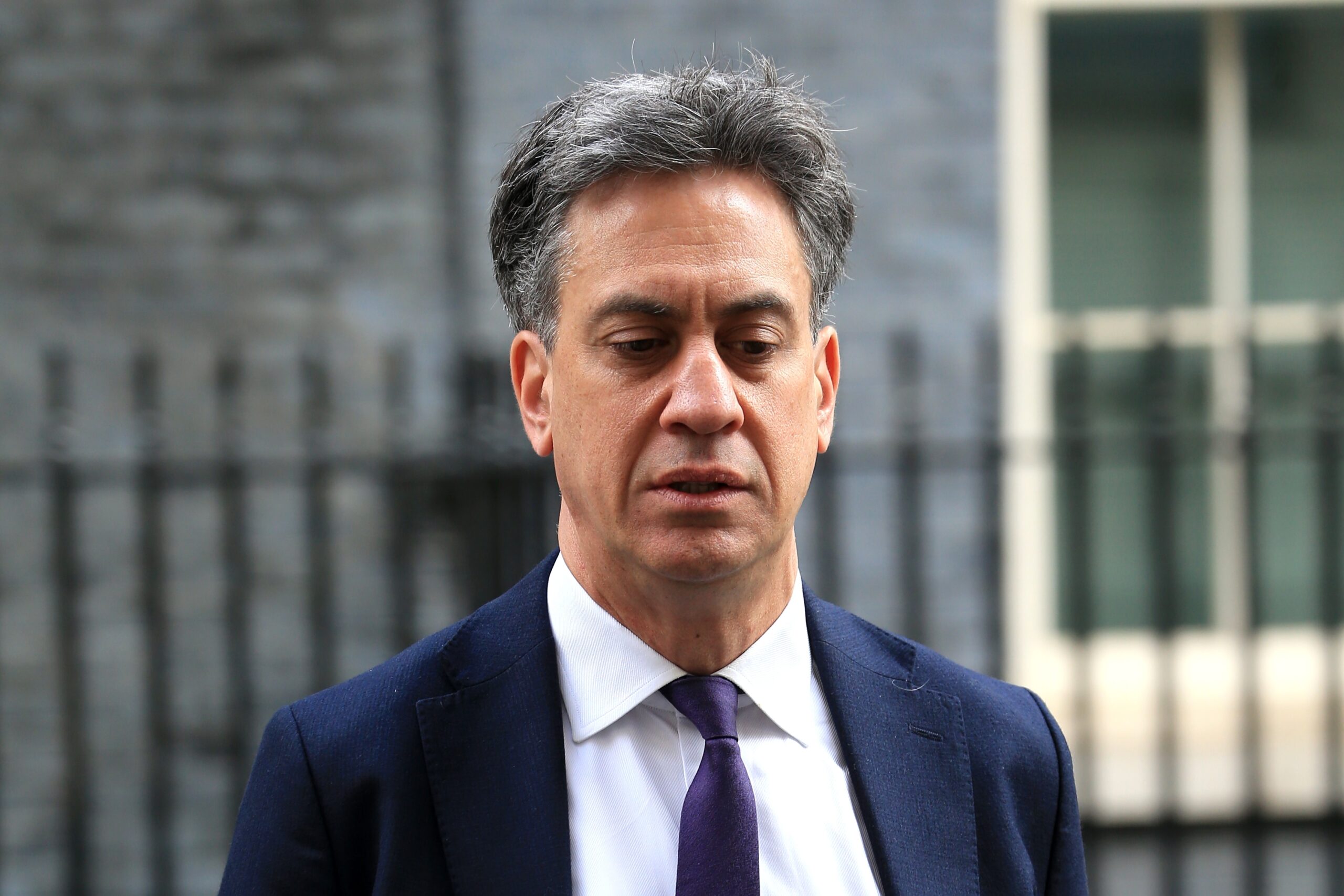
    In London they’re going a step further. Foreign Secretary Ed Miliband announced a planned ban on importing products and a change to the sanctions regime so it can also hit entities that finance, build or provide services to activity there.
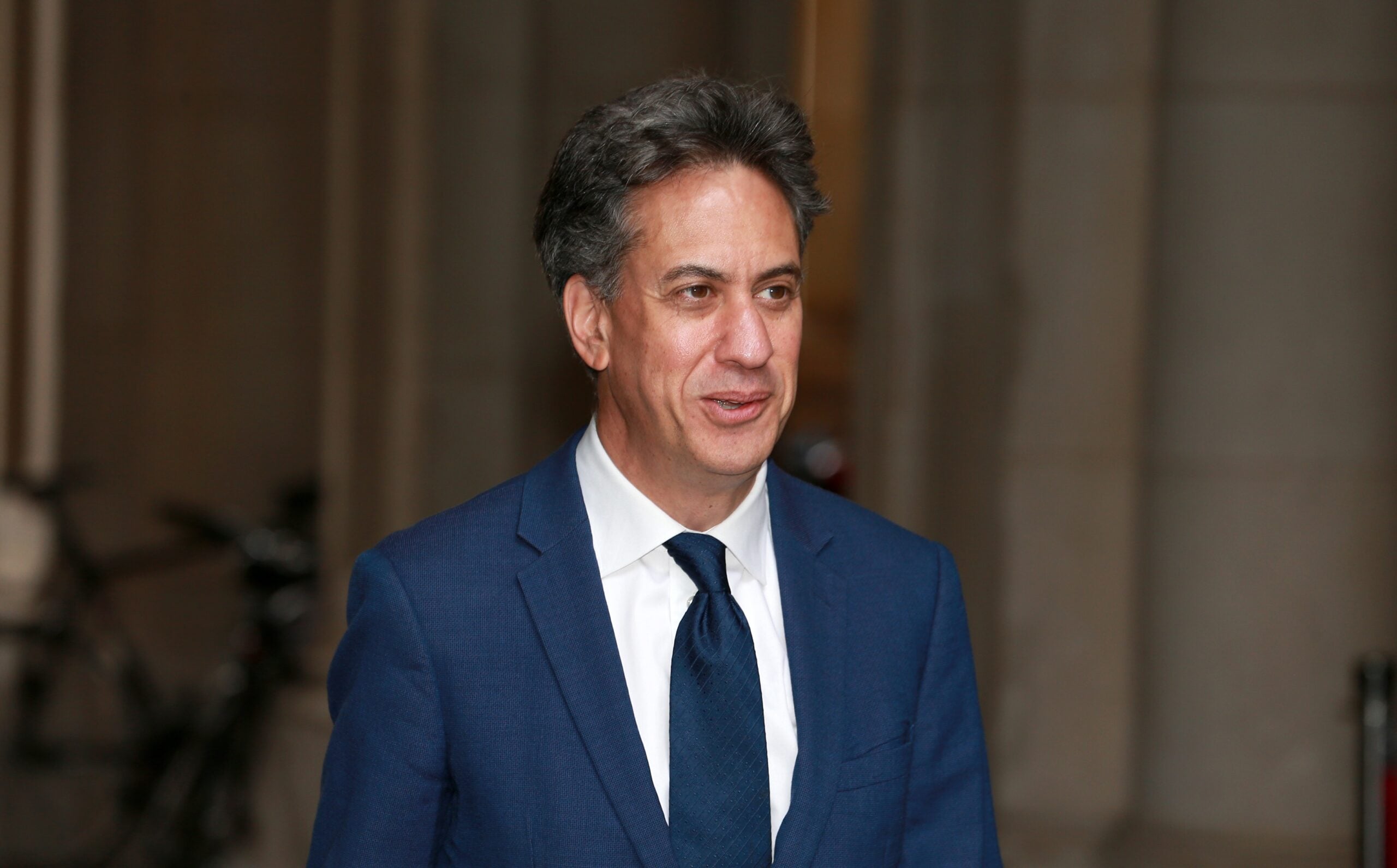
    British Foreign Secretary Ed Miliband | Photo: Shutterstock

    Miliband declared in Parliament that “settlements are illegal. They must not be promoted in our country,” and announced Britain will also refuse requests for export licenses for weapons and other products it claims contribute to “occupation.” According to him, the ban will remain in effect “as long as the occupation continues.”

    Here it’s much harder to keep the story beyond the “Green Line.” An Israeli bank headquartered in Tel Aviv can finance an apartment in Ma’ale Adumim, an insurance company from the center can insure activity in Judea and Samaria, and an Israeli company can operate on both sides of the line.

    Foreign Minister Gideon Sa’ar defined the British package as “anti-Israel” and Miliband’s words as “outrageous lies.” Israel also responded with actions, including the decision to close the British consulate in Jerusalem and take additional steps against the British presence.

    From France to Ireland: The Bloc Expands

    The Netherlands and Britain are the prominent examples, but they’re no longer alone: Spain is advancing a series of economic and political measures against Israel and pushing for restrictions at the European Union level too.
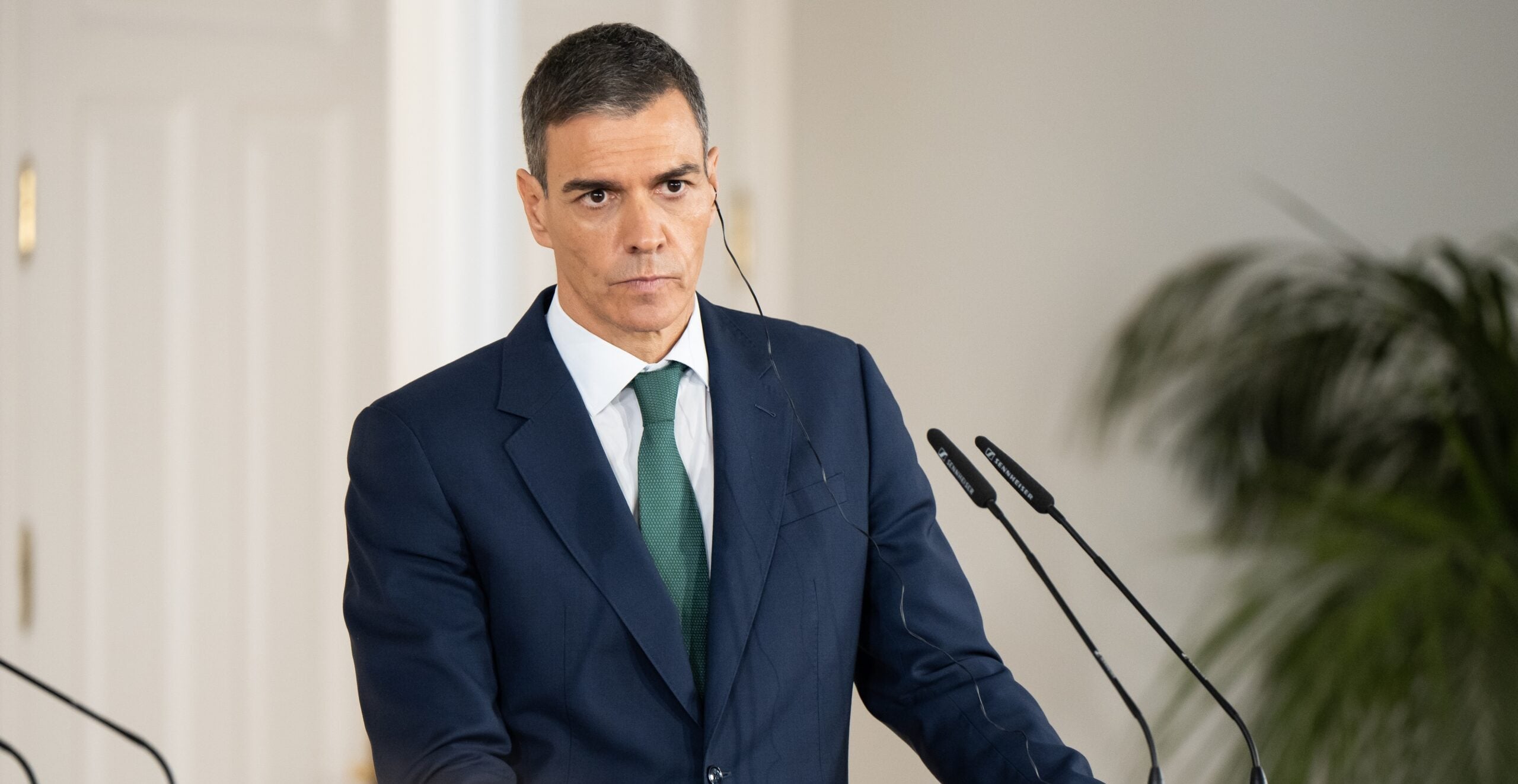
    Spanish Prime Minister Pedro Sánchez | Photo: Shutterstock

    Spanish Prime Minister Pedro Sánchez called in June for the European Union to suspend part of the Association Agreement with Israel, impose sanctions and ban trade in settlement products. “These abuses must stop once and for all,” he said.

    Spanish Foreign Minister José Manuel Albares also demanded Brussels adopt a full ban, and made clear: “Spain banned imports long ago at the national level—and the European Union must do the same.”

    Ireland advanced legislation to ban imports of products from Judea and Samaria. Foreign Minister Helen McEntee called for the move to be European policy and declared the step is meant “to send a strong message to Israel.” According to her, “Europe cannot continue to defend a rules-based international order while simultaneously allowing trade with illegal settlements.”
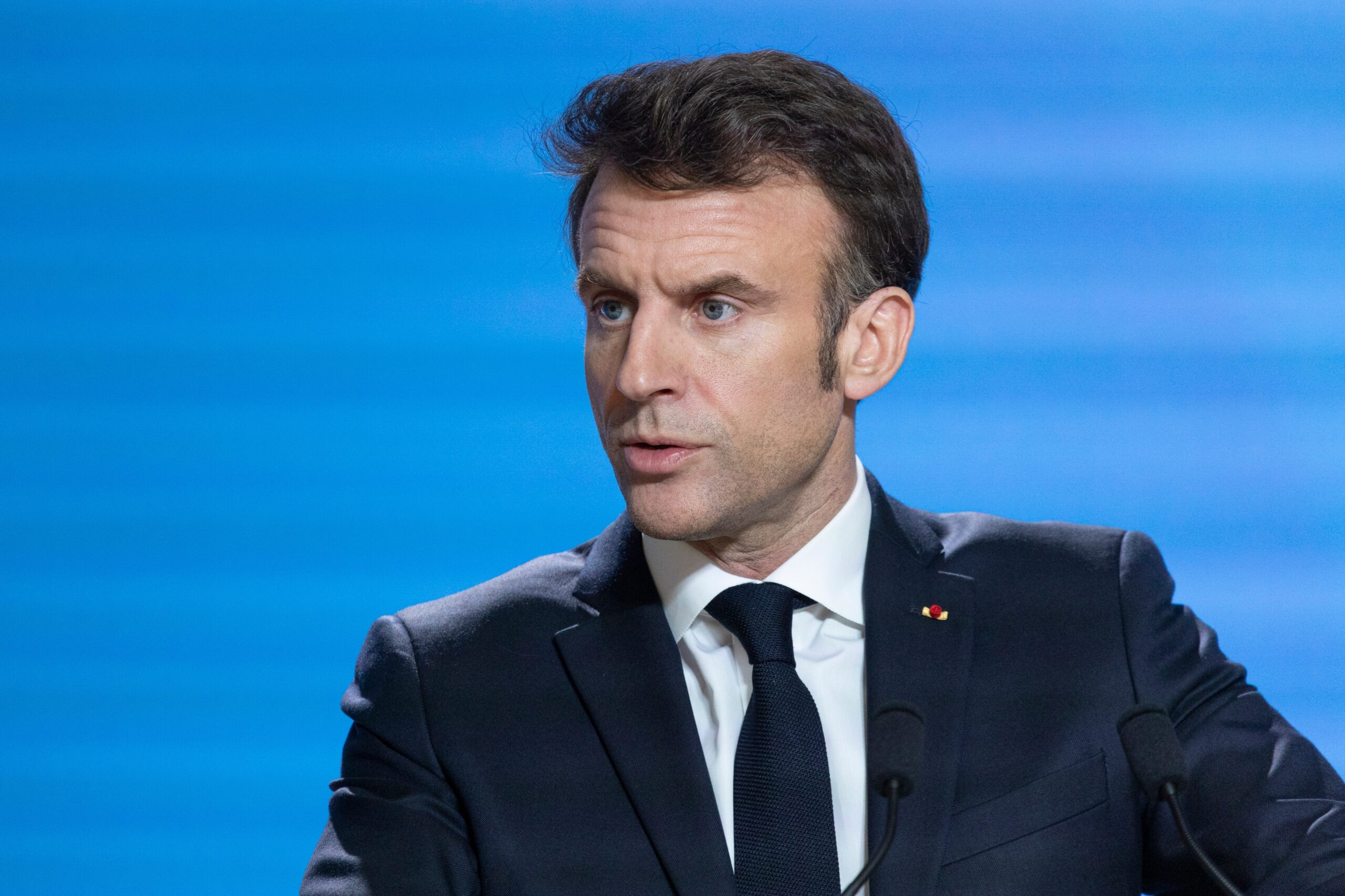
    Emmanuel Macron, President of France | Photo: Shutterstock

    France announced its intention to advance trade restrictions. Paris argues forcefully this isn’t a boycott of Israel, but in its official statement determined there should be no economic and commercial ties that strengthen what it calls Israel’s “illegal presence” in the territory.

    Norway is examining broader measures that will also reach services and business ties. Belgium already advanced its own measures, while Sweden, Denmark, Finland, Poland, Portugal and Iceland joined the joint declaration calling to advance or examine additional restrictions.

    The measures aren’t identical, and not all have entered into force yet. But the cumulative picture is significant: instead of one European boycott, a network of national measures is being built layer by layer—and each country is adding another tool.

    Not Everyone’s Falling in Line

    Despite the escalation, Europe is far from consensus. The attempt to turn the restrictions into pan-European policy still faces opposition, so there’s currently no EU-wide boycott of Israeli products.
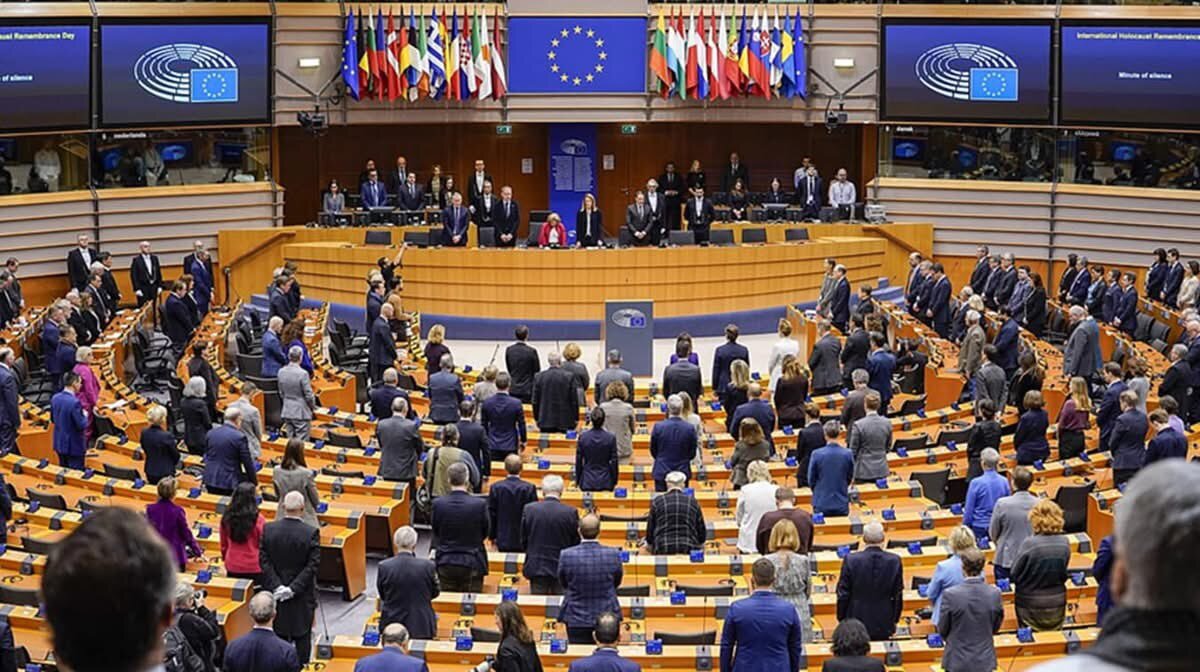
    The European Parliament | Photo: Nati Langerman

    That’s also why the camp leading the move is operating for now through national governments. The recent declaration includes only 12 countries, and one of them—Canada—isn’t European. This split is currently one of the main barriers to turning the wave of measures into binding policy across the continent.

    Starts in the West Bank—But Where Does It End?

    This is the heart of the story. In Europe they say the target is the “settlements.” But the Israeli economy isn’t divided according to the line they’re drawing there: a company from Tel Aviv can also operate in Judea and Samaria. A bank in the center of the country can finance an apartment in Ma’ale Adumim. An Israeli from Petah Tikva can buy a bottle of wine in Judea and Samaria and run into it at customs in Amsterdam.

    And as the measures move from products to financing, from companies to services and even to personal dignity, this distinction becomes harder to implement. In Europe they say it starts and ends in Judea and Samaria. But when the Israeli’s suitcase, the company from Tel Aviv, and the bank financing activity beyond the line are already in the picture—the boycott no longer stays there.
  • Netanyahu Secretly Met with Libyan Military Chief in UAE

    Netanyahu Secretly Met with Libyan Military Chief in UAE

    A mysterious development has emerged regarding Prime Minister Benjamin Netanyahu’s visit to the United Arab Emirates: the Italian newspaper Il Foglio reports that Saddam Haftar—deputy commander-in-chief of forces in eastern Libya and son of General Khalifa Haftar—also arrived in Abu Dhabi and held a secret meeting with Netanyahu. The report is based on the tracking of unusual aircraft movements at Al Bateen Airport and claims made by a former political advisor to the family, who linked the meeting to the younger Haftar’s ambition to secure international support for his bid for the Libyan presidency. However, as of now, neither side has officially confirmed that the meeting took place.

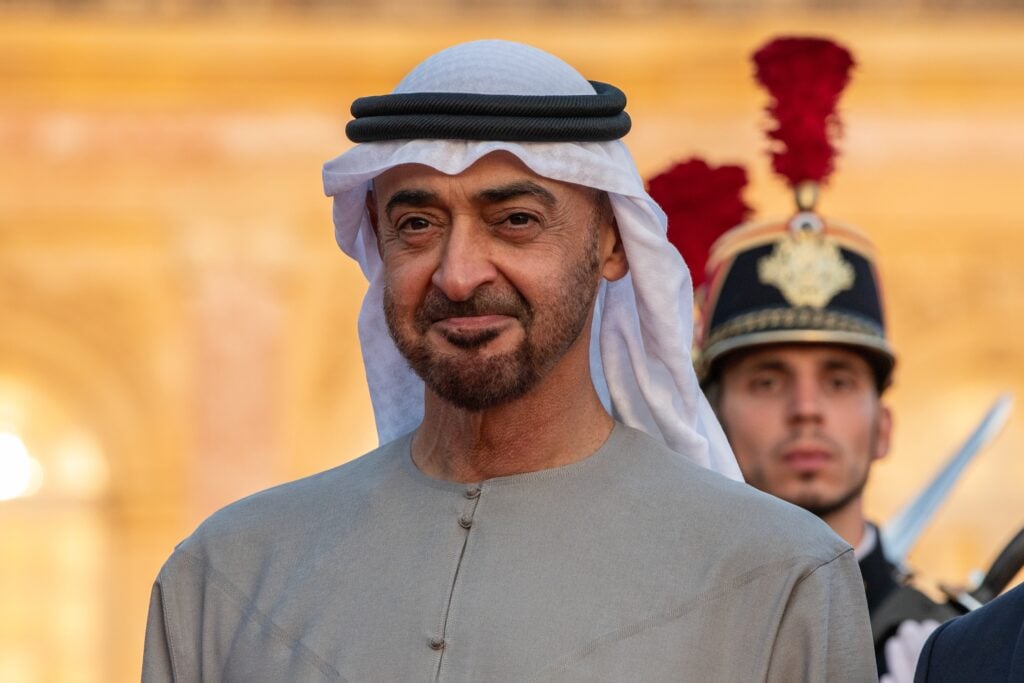
    Mohammed bin Zayed | Photo: Shutterstock

    According to the Il Foglio report, the timing of the arrivals at Abu Dhabi’s Al Bateen Airport was remarkably precise: an Airbus A319 aircraft, which took off from Benghazi and is used by Saddam Haftar, landed at 12:40 PM—just twenty minutes after Netanyahu’s plane had landed. Mohamed Buisier, a former political advisor to Khalifa Haftar, claimed on X that this was no mere coincidence: “Saddam met with Netanyahu to secure political support for his run for the Libyan presidency.” The Haftar family’s ties to Israel have made headlines in the past. As early as 2021, Haaretz reported on a plane linked to Saddam Haftar landing at Ben Gurion Airport for diplomatic talks; at the same time, Israel Hayom revealed that the family had engaged an Israeli consulting and communications firm through Emirati mediation. According to the Italian newspaper’s analysis, this latest move marks another step in Haftar’s plan to establish global legitimacy and build a network of connections with power centers in Jerusalem and Washington, amidst the country’s internal power struggles.

    נתניהו | צילום: חיים גולדברג, פלאש 90
    Netanyahu | Photo: Haim Goldberg, Flash 90

    The report’s central and intriguing focus concerns the American arena: the newspaper claims Haftar is expected to meet in Washington with Vice President-elect J.D. Vance. This follows a meeting last June in the U.S. with Secretary of State-designate Marco Rubio, aimed at “establishing himself as an indispensable leader.” Concurrently, it is reported that Haftar is attempting to forge ties with Kimberly Guilfoyle—a close associate of the Trump camp—through his aide Rifat al-Abar, seeking American backing in the struggle for control over the Libyan oil and gas company Waha. Saddam Haftar’s alleged arrival coincided with the landing of several other military and government aircraft in Abu Dhabi around the same time, including planes linked to Morocco. While the meeting with Haftar remains unconfirmed beyond media reports, the meeting between Netanyahu and UAE President Mohamed bin Zayed was officially confirmed; the Prime Minister’s Office stated that the discussion focused on strengthening ties and addressing regional challenges, while Reuters reported—citing senior Israeli officials—that the talks lasted approximately six hours and centered primarily on the Iranian threat.

    Mohammed bin Zayed, President of the United Arab Emirates | Photo: Reuters

    Saddam Haftar is the eldest son of Khalifa Haftar, commander of the Libyan National Army, which exercises de facto control over the country’s east and its key oil facilities. In recent months, the younger Haftar has stepped up diplomatic efforts to expand his reach beyond the local arena; last March, he even hired the American lobbying firm Ballard Partners to open doors within Washington’s government corridors.

    If the reports regarding his meetings with Netanyahu, Vance, and figures in Trump’s inner circle are officially confirmed, they would signal a calculated effort on his part to forge a tripartite axis of influence—comprising Israel, the Gulf states, and the upper echelons of the U.S. Republican administration—as he seeks to ascend to power in Libya.

  • How the Netherlands Became Increasingly Hostile to Israel

    How the Netherlands Became Increasingly Hostile to Israel

    After World War II, when the few Dutch Holocaust survivors returned home, they faced a particularly harsh reality. Some were required to pay gas bills and taxes that went unpaid while they were in detention, concentration, and extermination camps. Even when the debts were incurred after local Dutch residents moved into their homes during their absence, authorities insisted on payment.

    Pro-Palestinian demonstration in the Netherlands | Photo: Shutterstock

    This story is just part of the backdrop to the complex attitude toward Jews and Israel in the Netherlands. Alongside a local public that supports Israel and the Jewish community, recent weeks have seen a series of moves and statements against Israel from the government and establishment. One of the most prominent moves is a ban on trade with Judea and Samaria. Dr. Eliahu Sapir from Maastricht University explained that for the Dutch, this is also a message to Israel, but according to him, “Dutch bureaucracy will make it very difficult to enforce this law.”

    Settlement in Judea and Samaria | Photo: Haim Goldberg, Flash 90

    According to multiple reports from Schiphol Airport in Amsterdam, certain flights saw inspections of bags and luggage belonging to passengers arriving from Israel, aimed at checking whether products originating in Judea and Samaria were brought into the country. Violating the law could lead to a lengthy prison sentence.

    While products from Judea and Samaria face restrictions, a storm erupted in the Netherlands over a student of Gazan origin named Hussein Issa, who received a scholarship to study at a local university. In footage circulated on social media, Issa is seen responding to videos of Hamas operatives and saying: “October 7… I was there.” He has since been suspended, but his very admission to studies sparked criticism.

    Pro-‘Palestinian’ Protests in Amsterdam | Photo: Shutterstock

    Dr. Sapir connects these cases to a broader struggle facing the Jewish community in the Netherlands in recent years. According to him, “This wave started immediately after October 7. We saw hate demonstrations, and academic institutions that moved to sever ties with Israel.” He added that “this process reached a point where Hamas supporters found their way into academic institutions in the Netherlands.” The minority government in the Netherlands led by Jetten relies in part on cooperation between forces seeking to prevent the Dutch right led by Geert Wilders from returning to power.

    Pro-‘Palestinian’ Protests in Amsterdam | Photo: Shutterstock

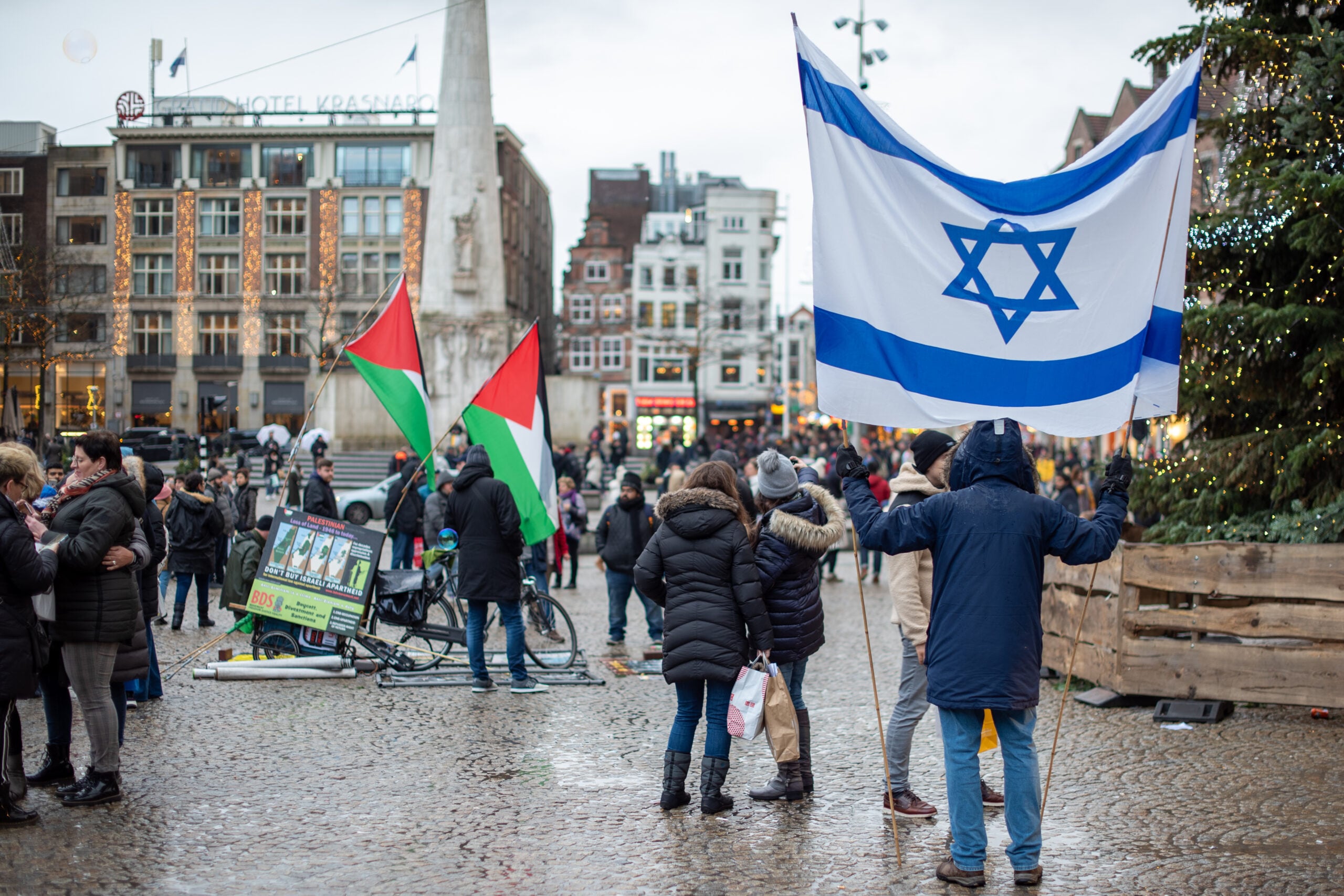
    The Dutch right has criticized the series of incidents, and in parallel, a large pro-Israel demonstration was also held in recent weeks at Dam Square in Amsterdam. This creates a complex picture in the Netherlands: on one hand, government measures against the settlements and harsh statements toward Israel, and on the other hand, a local public that continues to express support for Israel and the Jewish community.

  • Poll: 53% Believe Netanyahu Over Media on Oct. 7 Warnings

    Poll: 53% Believe Netanyahu Over Media on Oct. 7 Warnings

    A Channel 14 poll released Monday night examined public opinion following a wave of reports about warnings Prime Minister Benjamin Netanyahu allegedly received before Hamas’s October 7 attack, as well as views on his meeting with the ruler of the United Arab Emirates.

    Following the wave of reports about warnings Netanyahu allegedly received before the Hamas attack, poll participants were asked whom they believe. 53% said they believe the prime minister, compared to 46% who said they believe the journalists who published the investigations. Just 1% said they had no position on the matter.

    In another question, respondents were asked to assess the motive behind the reports about the warnings Netanyahu allegedly received before the Hamas attack. 54% said they believe the reports stem from election considerations, compared to 44% who think their purpose is exposing the truth. 2% said they had no position.

    The poll also examined public opinion on Netanyahu’s meeting with the ruler of the United Arab Emirates. Respondents were asked whether the meeting indicates trust in the prime minister by moderate Arab leaders. 51% said the meeting does indicate trust, compared to 34% who thought it does not. Another 15% said they had no position on the matter.

    The poll was conducted by NEXT DATA with 573 adults from the general population and was carried out today, September 28, 2026. Data analysis: Shlomo Filber.

  • UAE Breaks Silence on Netanyahu’s Secret Abu Dhabi Visit

    UAE Breaks Silence on Netanyahu’s Secret Abu Dhabi Visit

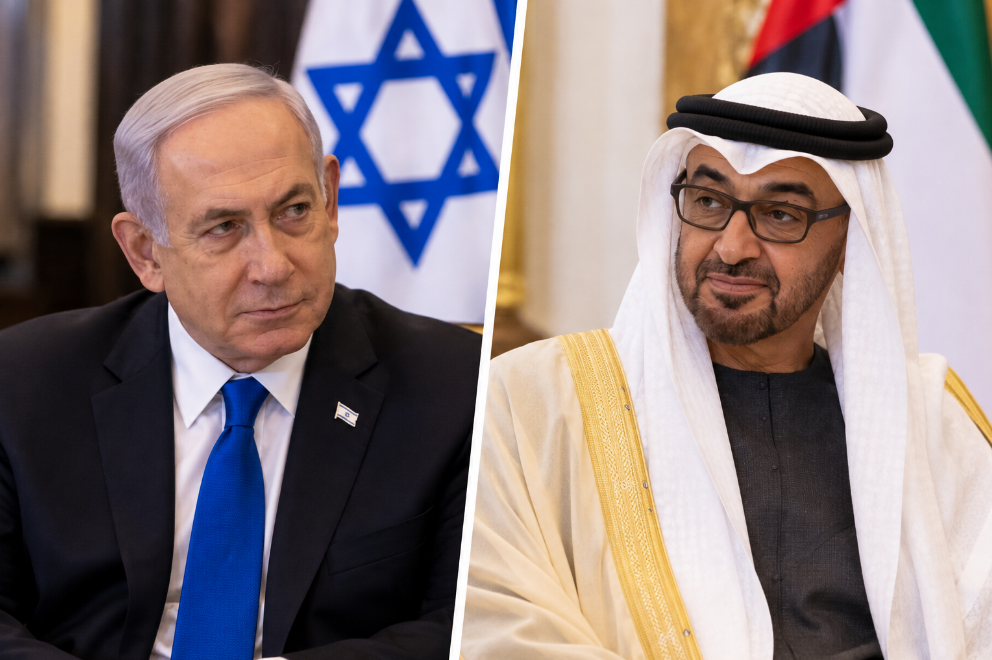
    The United Arab Emirates issued its first official statement Monday regarding Prime Minister Benjamin Netanyahu’s previously unannounced visit to the Gulf state and his meeting with UAE President Sheikh Mohamed bin Zayed Al Nahyan on Sunday. The official Emirates News Agency (WAM) stated: “UAE President Sheikh Mohamed bin Zayed Al Nahyan received Israeli Prime Minister Benjamin Netanyahu, who visited the UAE yesterday, Sunday. During the meeting, the two sides discussed bilateral relations between the UAE and Israel and ways to strengthen and further develop them.”

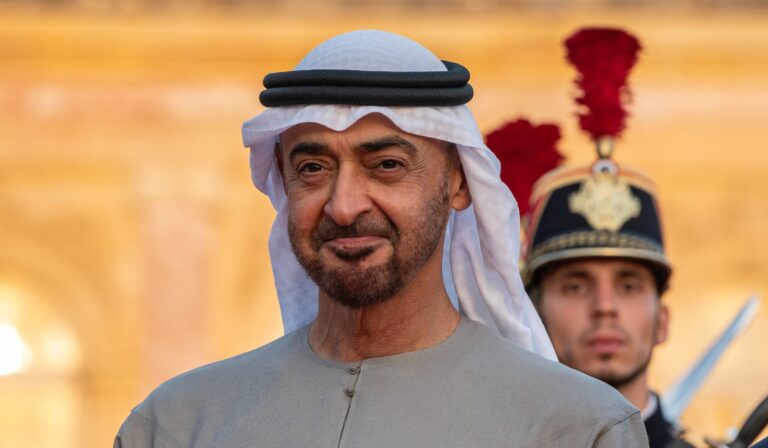
    Sheikh Mohamed bin Zayed Al Nahyan, president of the UAE | Photo credit: Shutterstock

    The statement marks the UAE’s first public acknowledgment of the visit, which was initially revealed by Israeli media while Netanyahu was still in the country. A senior Israeli official subsequently confirmed the meeting to Reuters, while neither the Prime Minister’s Office nor Emirati officials initially provided details about the talks. In a potentially significant development, Saudi representatives were reportedly also present during Prime Minister Benjamin Netanyahu’s previously undisclosed visit

    According to Israeli reporting, Netanyahu traveled to Abu Dhabi aboard a private aircraft and was accompanied by senior Israeli security officials, including Mossad Director Roman Gofman and National Security Adviser Shmuel Ben Ezra. The visit lasted approximately six hours and had reportedly been coordinated in advance, with the two countries initially planning to announce it only after the Israeli delegation returned home.

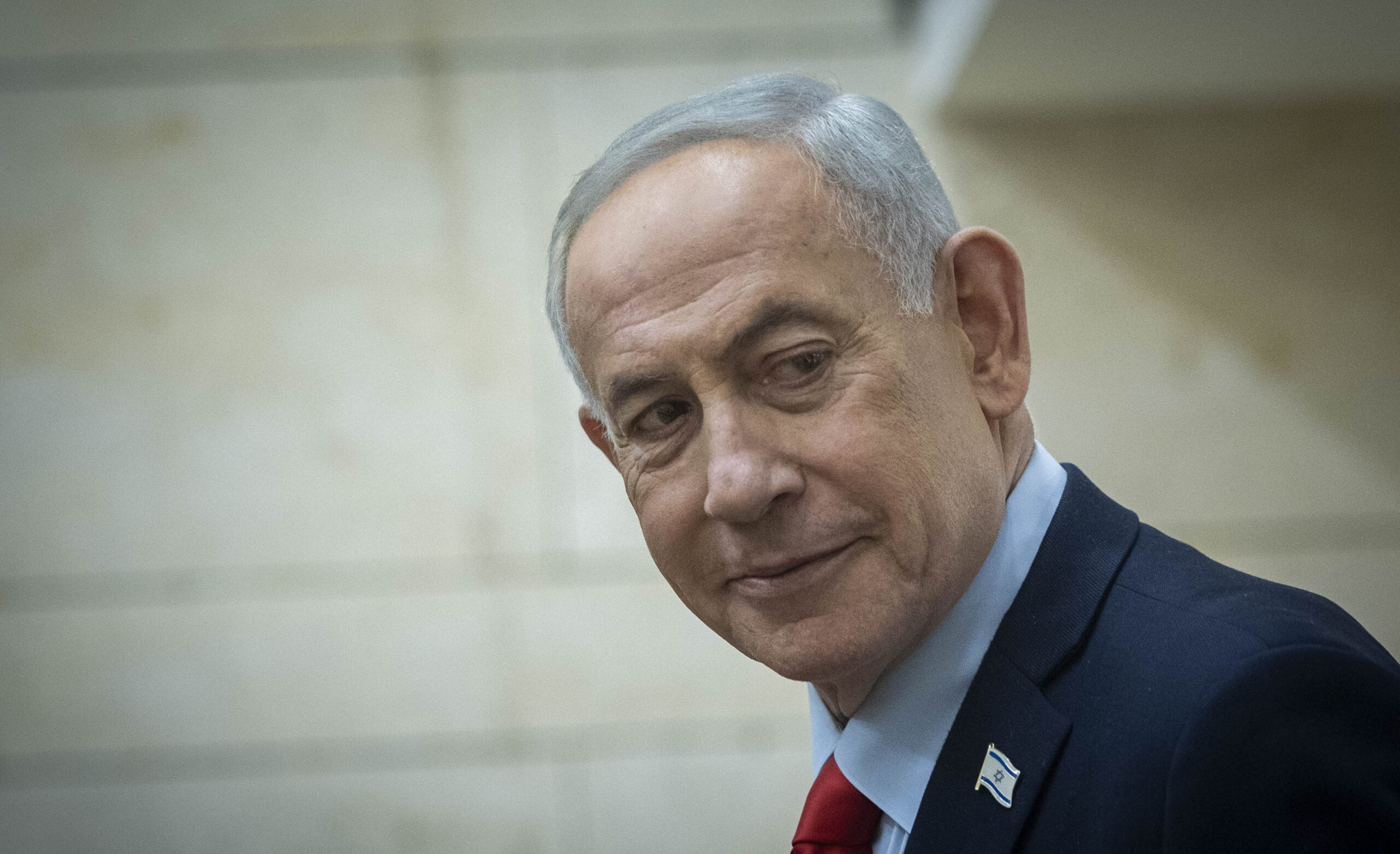
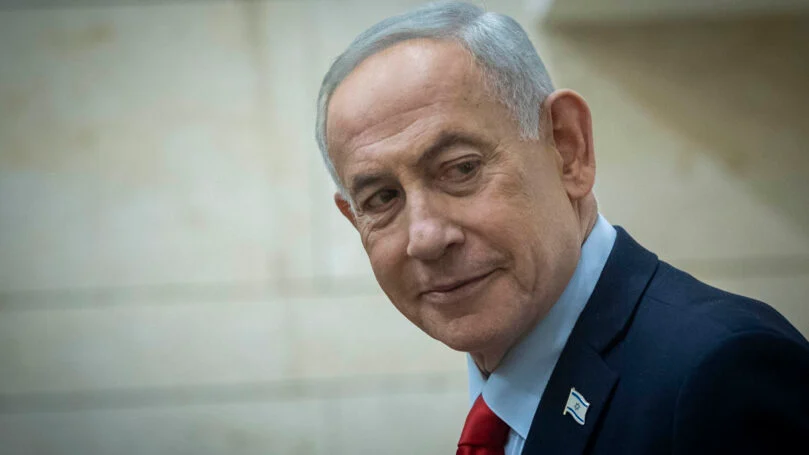
    Prime Minister Benjamin Netanyahu Photo: Jonathan Zindel, Flash 90

    The meeting comes as ties between Jerusalem and Abu Dhabi continue to carry significant strategic weight amid heightened regional tensions. Israel and the UAE established diplomatic relations under the 2020 Abraham Accords and have since expanded cooperation in areas including trade, tourism, technology and security.

    The timing of Netanyahu’s visit also drew attention following recent reports concerning alleged communications between the Emirati leadership and Netanyahu ahead of the October 7 massacre. Netanyahu has strongly denied reports that Sheikh Mohamed warned him before the attack. The UAE has not publicly confirmed such a warning, previously stating that the two countries have maintained open and direct channels of communication since establishing diplomatic relations.

    The Emirati statement on Monday made no mention of the controversy and did not disclose any additional subjects discussed during the Netanyahu–bin Zayed meeting beyond bilateral relations and efforts to further strengthen ties.

  • Did Iran Secretly Spy on Israel’s New Cutting-Edge Submarine?

    Did Iran Secretly Spy on Israel’s New Cutting-Edge Submarine?

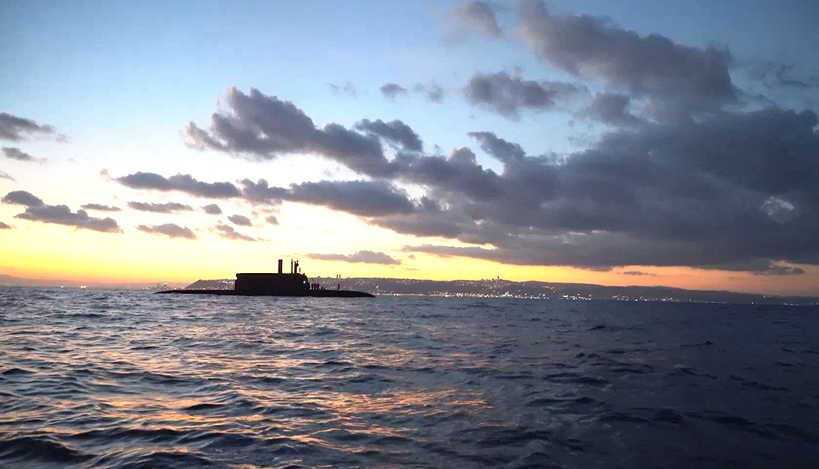
    Israel’s INS Drakon submarine, which arrived in Israel late last week, is a major strategic asset of the Israeli Navy built at a shipyard in Kiel, Germany — but the story behind its arrival may be far more dramatic. Although the deal to purchase the submarine was signed with the German government some 14 years ago and was publicly known, questions are now emerging over who else may have been closely watching its construction.

    INS Drakon | Photo: IDF Spokesperson

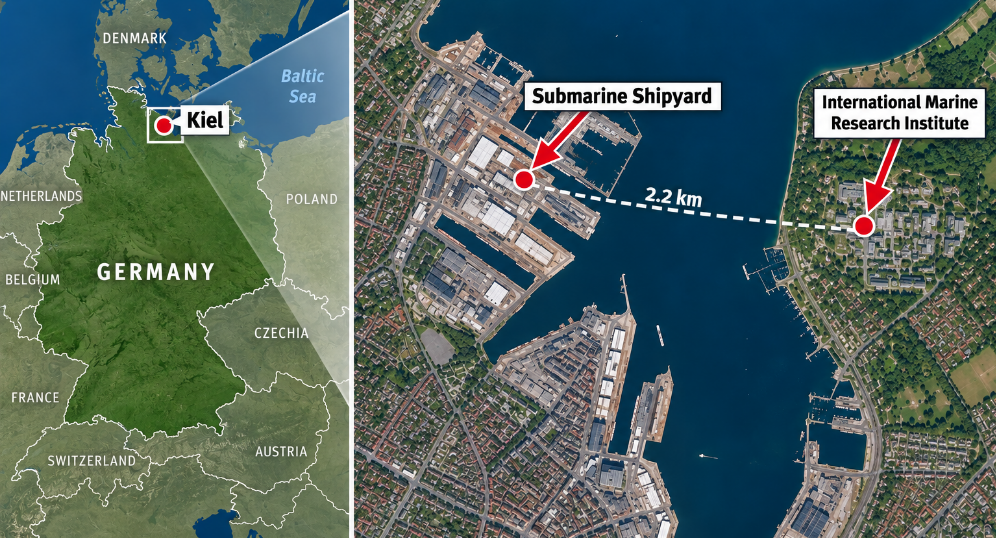
    INS Drakon was built in Kiel, on Germany’s Baltic coast, an area filled with docks, shipyards and research laboratories. On one side are the submarine shipyards, including the facility where the Israeli vessel was constructed. Yet just 2.2 kilometers away as the crow flies sits GEOMAR, an international marine research institute. Although the institute conducts entirely civilian research focused on oceanography and mapping the seafloor, its proximity to a highly sensitive defense shipyard had reportedly been identified in advance in Israeli risk assessments.

    The dangerous gap sharpens in light of findings that among the researchers working at GEOMAR were about ten Iranians who studied at universities in Iran. More troubling still: at least five of them came directly from Shahid Beheshti University and Amirkabir University—institutions whose names have been linked over the years to sensitive areas of Iran’s nuclear program, and which have been sanctioned by the United States, Britain, and the European Union for their involvement in developing small reactors, including in maritime contexts and the possibility of submarine propulsion.

    INS Drakon | Photo: IDF Spokesperson

    In fact, this concern wasn’t unfounded: German intelligence itself has previously warned of the possibility that researchers and academics arriving from countries like Iran, China, and Russia operate with dual identities—on one hand as innocent researchers, on the other as spies gathering security intelligence. Following these warnings, the arrival of researchers was restricted, and special checks on the matter were conducted in Israel by the Defense Ministry and the Mossad, which designated GEOMAR as a sensitive and dangerous entity.

    INS Drakon | Photo: IDF Spokesperson

    The central question that now remains open, beyond the submarine’s actual arrival in Israel, is whether Iran indeed tried to exploit this research presence in Kiel to monitor the construction of INS Drakon. As of now, there’s no definitive proof that a surveillance attempt was made or that classified information leaked from the shipyard, but the very presence of Iranian researchers within touching distance of Israel’s most sensitive strategic asset leaves the intelligence question threatening and unresolved.

    The Defense Ministry said in response: “The claims about information leakage are not known to us and we have no indication of this. The Defense Ministry maintains close and ongoing cooperation with German security authorities, and as a rule, we do not detail the protective envelope and security systems implemented in the field.”

  • Drone Carrying Nine AK-47s Crosses Into Israel, IDF Intercepts

    Drone Carrying Nine AK-47s Crosses Into Israel, IDF Intercepts

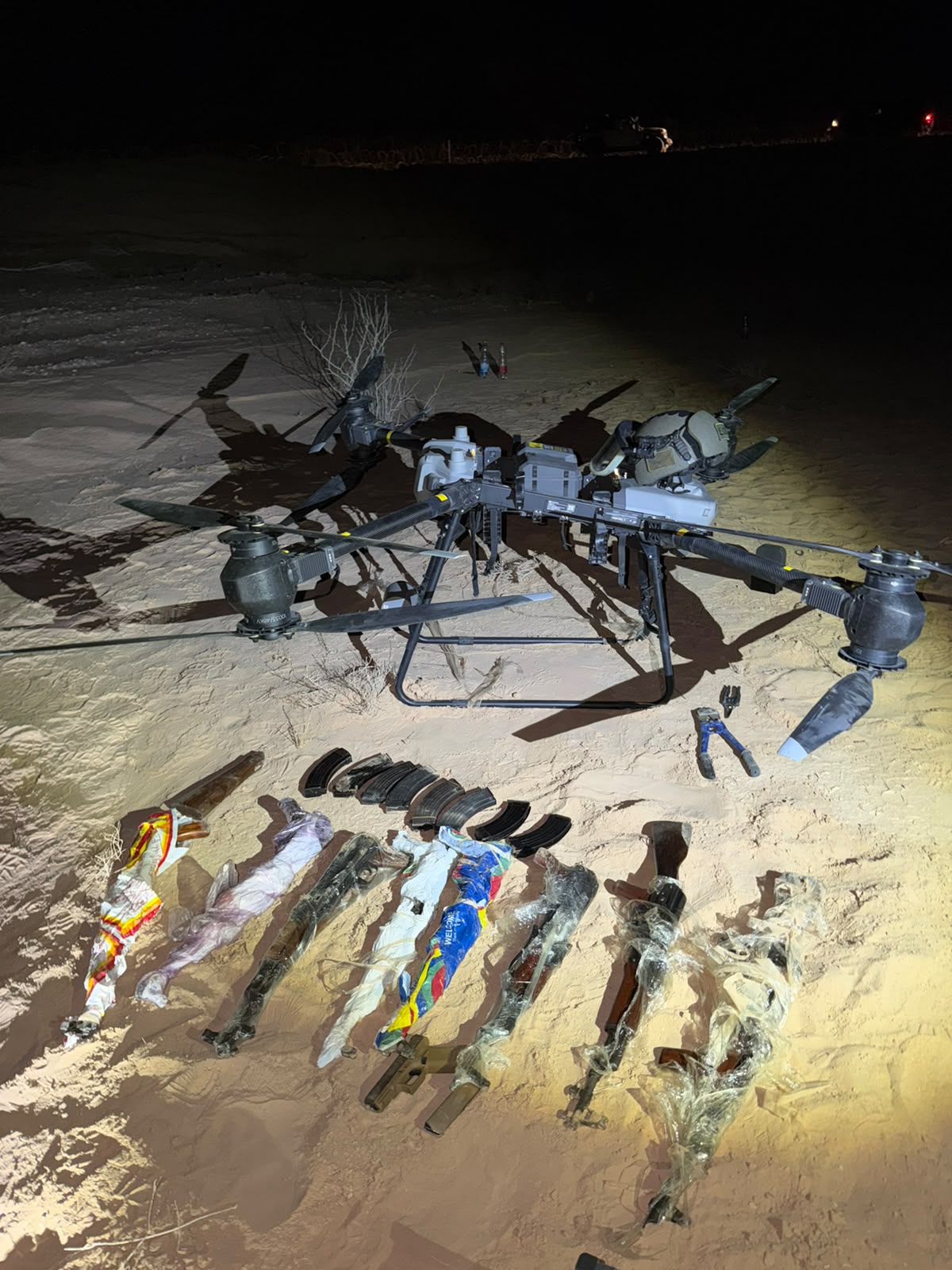
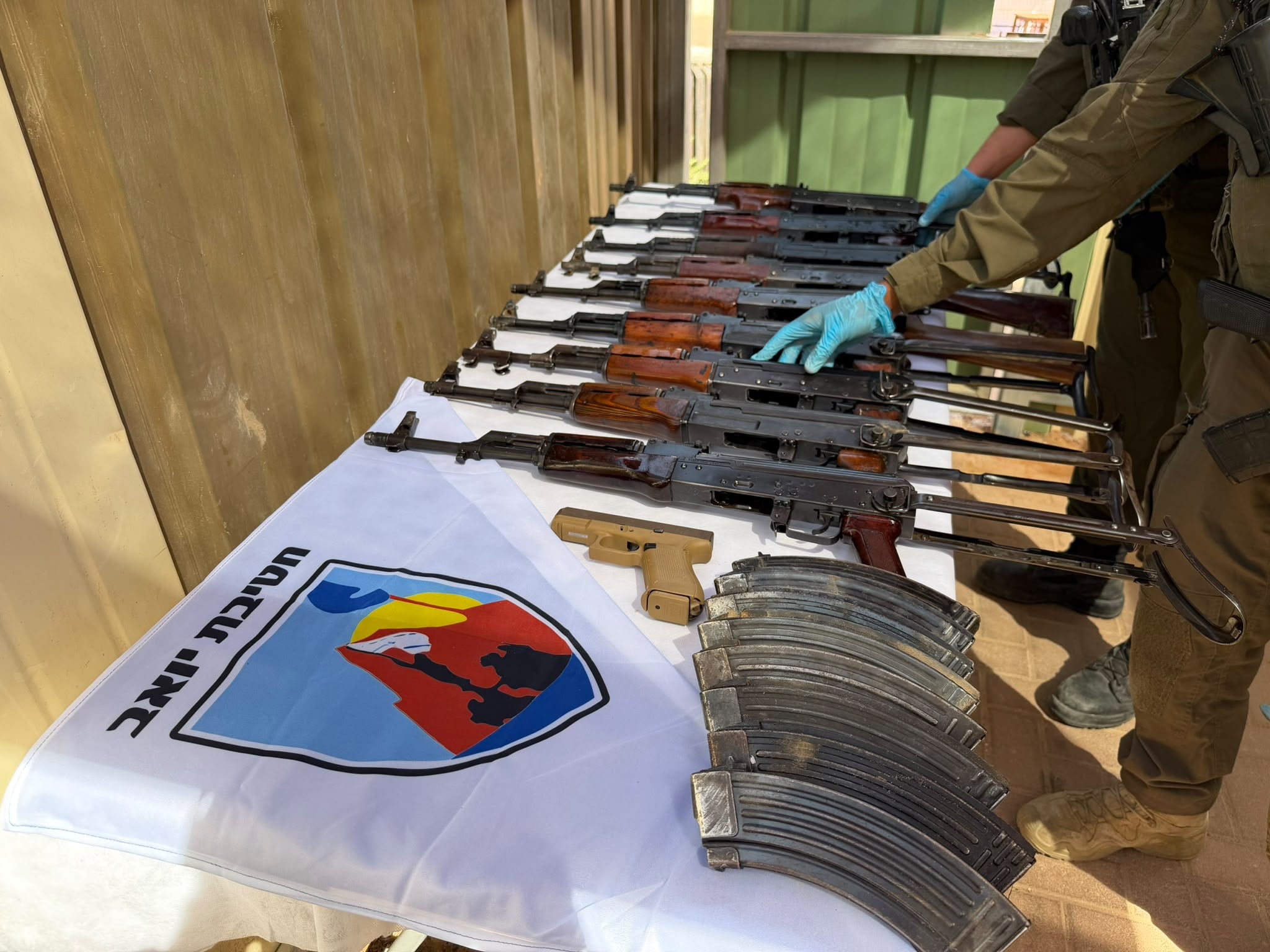
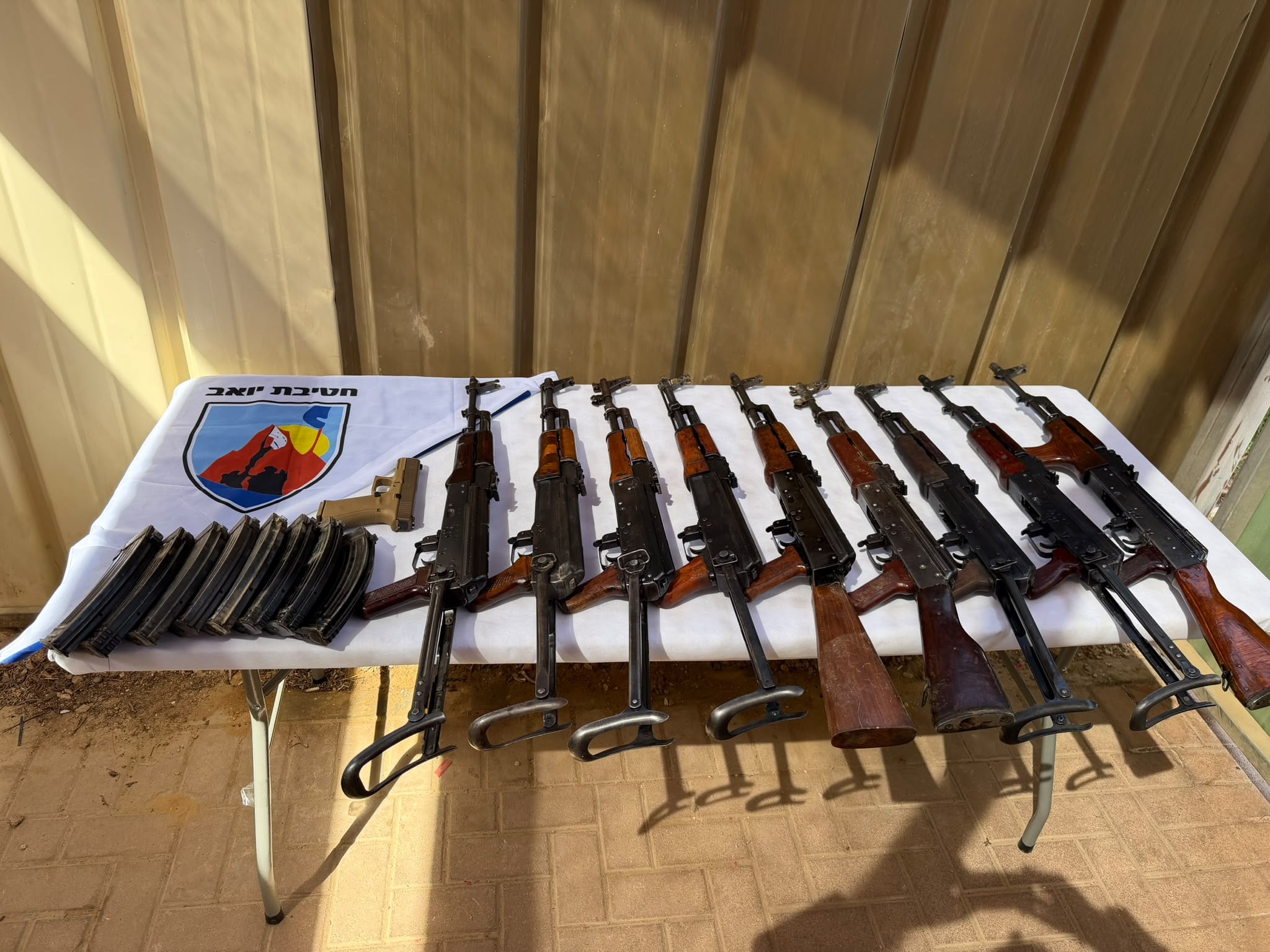
    A drone that crossed overnight Monday from the east into Israeli territory was carrying nine AK-47 rifles, magazines, and a pistol in an attempt to smuggle weapons across the eastern border.

    The seized weaponry | Photo: IDF Spokesperson’s Unit

    IDF observation posts and air control systems detected the drone as it crossed into Israeli territory. Following the detection, forces from the Yoav Brigade were dispatched to the area and located the drone and the weapons it was carrying.

    Nine AK-47 rifles, magazines, and a pistol were found on the drone. The weapons were transferred to security forces for further handling.

    The seized weaponry | Photo: IDF Spokesperson’s Unit

    The IDF said its forces will continue operating to thwart smuggling attempts along the eastern border.

  • IDF Eliminates Hamas Financier Who Funneled Millions to Terror

    IDF Eliminates Hamas Financier Who Funneled Millions to Terror

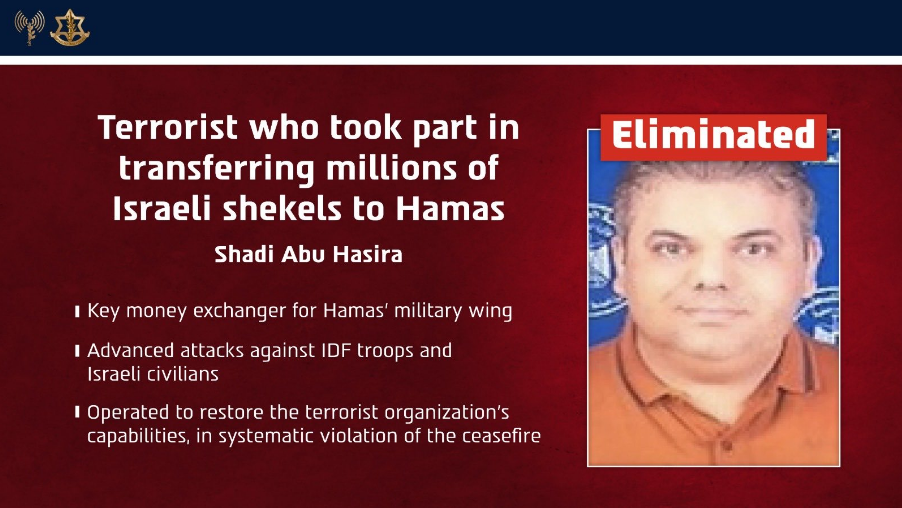
    Israeli forces killed Shadi Abu Hatzeira in an airstrike in Gaza on Sunday. Abu Hatzeira was a key money changer for Hamas’s military wing who ran a currency exchange network that funneled tens of millions of shekels in foreign currency to the terror group. The strike was carried out from the air with precision targeting to eliminate the threat he posed, the IDF said.

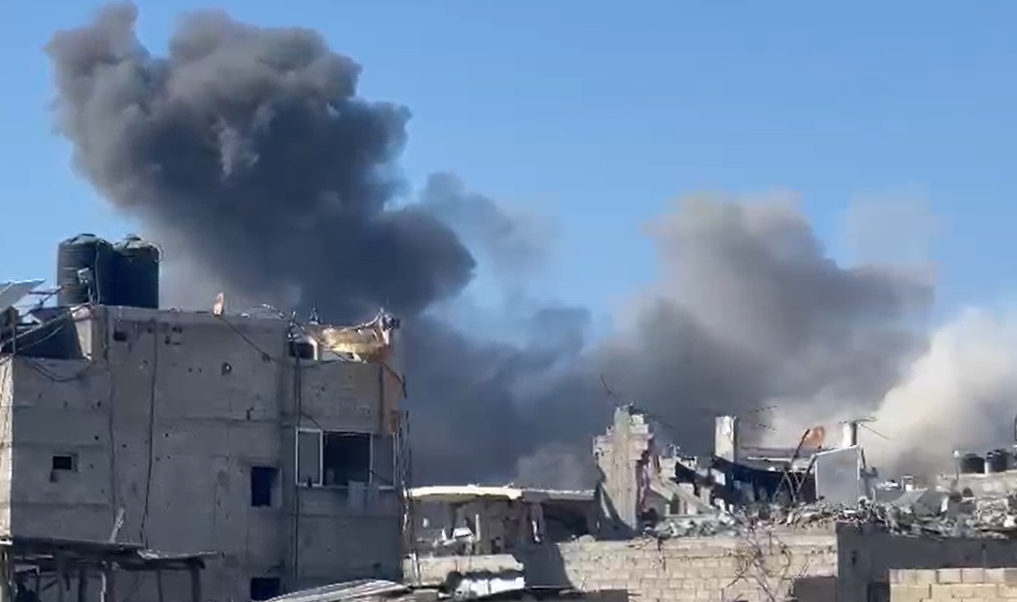
    Strike in Gaza, Archive | Photo: Arab Social Networks

    Abu Hatzeira ran the “Geneva” currency exchange network, which transferred tens of millions of shekels in foreign currency to Hamas’s military wing. The funds were used to finance terrorists, rebuild military infrastructure, and advance terror operations against Israeli forces. He also worked as a merchant in Gaza and managed “Gardena Professional,” a company that helped facilitate his money transfer operations.

    In recent months, Abu Hatzeira advanced terror operations against IDF forces and Israeli civilians and worked to rebuild Hamas’s capabilities, systematically violating the ceasefire.

  • UK Foreign Secretary Targets Israel with Even More Sanctions

    UK Foreign Secretary Targets Israel with Even More Sanctions

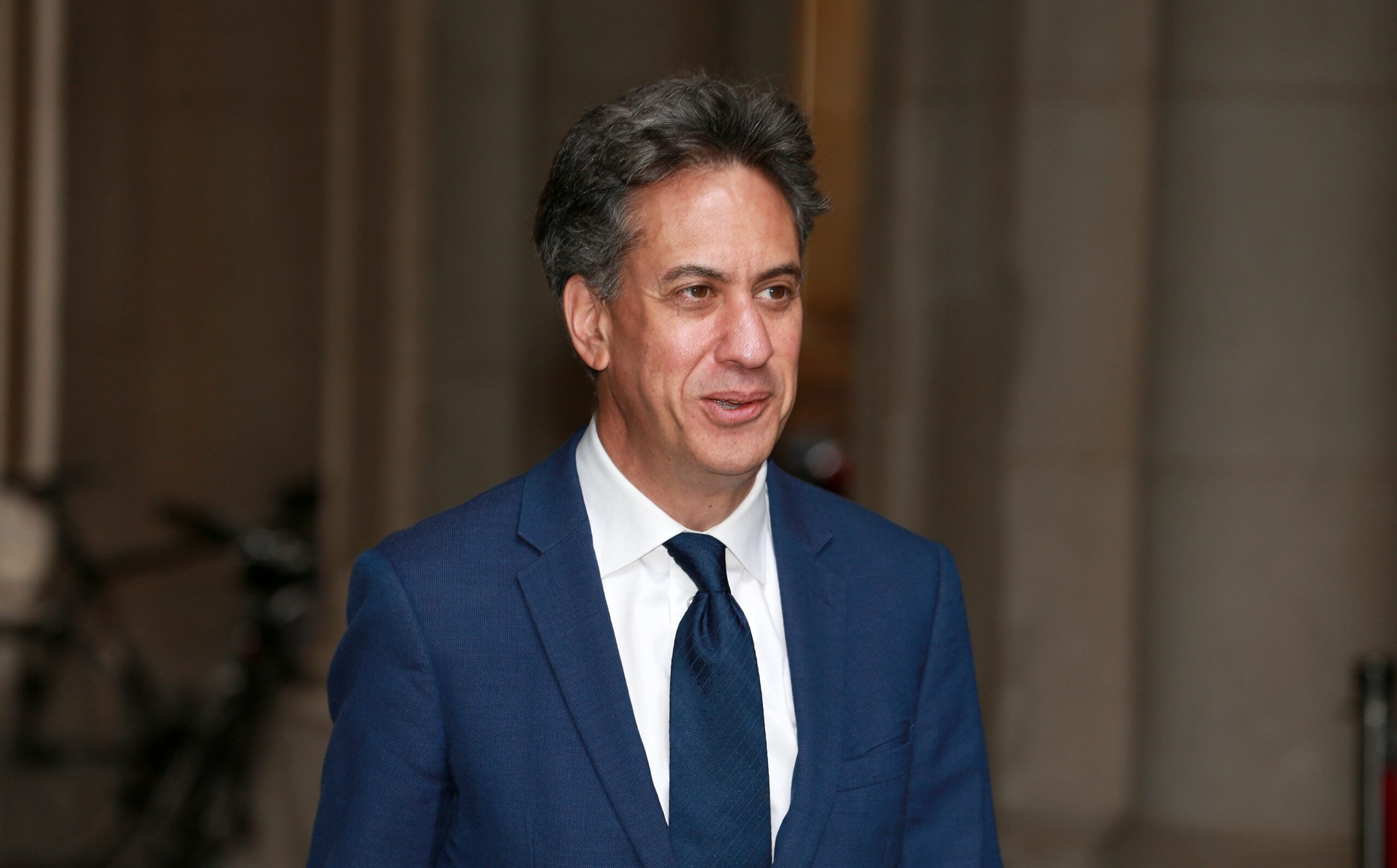
    To loud applause at the Labour Party’s annual conference, British Foreign Secretary Ed Miliband unveiled a series of economic measures Monday aimed at cutting ties between Britain and Israeli communities in Judea and Samaria. He announced his government will move to halt imports of products and block British money, construction materials, and services from reaching the communities.

    British Foreign Secretary | Photo: Shutterstock

    “We will stop all imports of products from illegal settlements,” Miliband said, adding that Britain will also act against what he called the “supply lines” of British financing, construction, and services to the communities.

    Miliband didn’t stop at economic measures. He made clear his government intends to act against what it sees as attempts to derail a two-state solution. “This party, this movement, this government says: we will not let you succeed,” he declared.

    Jews in Judea and Samaria | Photo: Haim Goldberg, Flash90

    Miliband framed the measures as part of a shift in Labour’s approach to Israel and the ‘Palestinians’, saying the party’s previous policy “wasn’t enough” and that it now intends to “match words with actions.”

    That line has already played out in recent months with British opposition to the E1 project in Judea and Samaria. In August, Miliband condemned the tender for the project and summoned the official in charge of Israel’s embassy in London for a clarification meeting.

  • Netanyahu Flew to UAE, Asked MBZ to Deny Hamas Warning Report

    Netanyahu Flew to UAE, Asked MBZ to Deny Hamas Warning Report

    Prime Minister Benjamin Netanyahu paid a secret visit to the United Arab Emirates over the weekend and met on Sunday with the country’s president, Sheikh Mohamed bin Zayed Al Nahyan. The purpose of the unusual trip was to ask the UAE leader to publicly deny reports claiming he had warned the Prime Minister of an impending threat from Hamas shortly before the October 7, 2023, terror attack in southern Israel that ignited the war, the Associated Press (AP) reported on Monday.The meeting between Netanyahu and Bin Zayed, which lasted about an hour, took place on Sunday and was confirmed on Monday by two officials briefed on the Israeli leader’s trip. A source familiar with the details—claiming to have first-hand information about the conversation—said the discussions focused on a report published earlier this month in the Haaretz newspaper. According to that report, the UAE leader had personally conveyed an early warning to Netanyahu regarding an imminent Hamas attack just before the October 7 assault.

    Mohammed bin Zayed, President of the United Arab Emirates | Photo: Reuters

    During the meeting, Netanyahu asked Sheikh Mohammed to officially deny the report. The Prime Minister’s Office had previously denied the Haaretz story, and it has now emerged that an attempt was made to secure a denial from the Emirati side as well. That official, along with another regional official briefed on the meeting, spoke on condition of anonymity due to the high sensitivity surrounding the secret trip.

    The UAE Foreign Ministry declined to comment directly on reports regarding the actual meeting, but stated in an official announcement that the country maintains “open and direct channels of communication” with Israel and shares “all relevant intelligence” with it. There was no immediate response from Prime Minister Netanyahu’s office.