Category: Israel

  • Netanyahu: Trump’s Economic Pressure Will Break Iran?

    Netanyahu: Trump’s Economic Pressure Will Break Iran?

    In a closed-door meeting with the IDF’s senior command forum, Prime Minister Benjamin Netanyahu revealed that President Donald Trump believes massive economic pressure alone can force Iran to hand over its enriched nuclear material. The prime minister said the IDF is now in a very good position to complete the job in Gaza, and that the government will choose the optimal timing to finish the job.

    During the meeting with top IDF officials, Netanyahu made clear that by the end of the current campaign, Iran will be weaker than ever while Israel will be significantly stronger. He addressed claims about a quick collapse of the regime, clarifying that while no one ever promised the Tehran government would fall at the beginning of the operation, the heavy economic pressure is creating the necessary conditions for it.

    According to Netanyahu, Iran’s leadership is deeply worried that the economic collapse could pose a direct threat to the regime’s stability—as seen in protests that erupted following previous operations. On the nuclear issue, Netanyahu revealed that Trump is highly confident that massive economic pressure can be used to “extract” from Iran the enriched material buried deep underground.

    On the Gaza front, the prime minister emphasized to senior officers that Israel has no intention of backing down from the main goal of dismantling Hamas’s military and governing capabilities. He noted that the IDF currently holds security corridors, covering more than 50% of the Strip’s territory—a position that gives Israel the operational ability to enter any point and begin dismantling terror infrastructure.

    Netanyahu added that he conveyed a message to President Trump and his team: if the U.S. cannot bring in an external party to take responsibility for disarming and demilitarizing the Strip, the mission will fall on Israel’s shoulders. He concluded that the IDF is now in a very successful position to complete the work, and that the government will choose the most appropriate timing to carry out the final operation.
  • Sharon Sharabi Joins Yisrael Beiteinu

    Sharon Sharabi Joins Yisrael Beiteinu

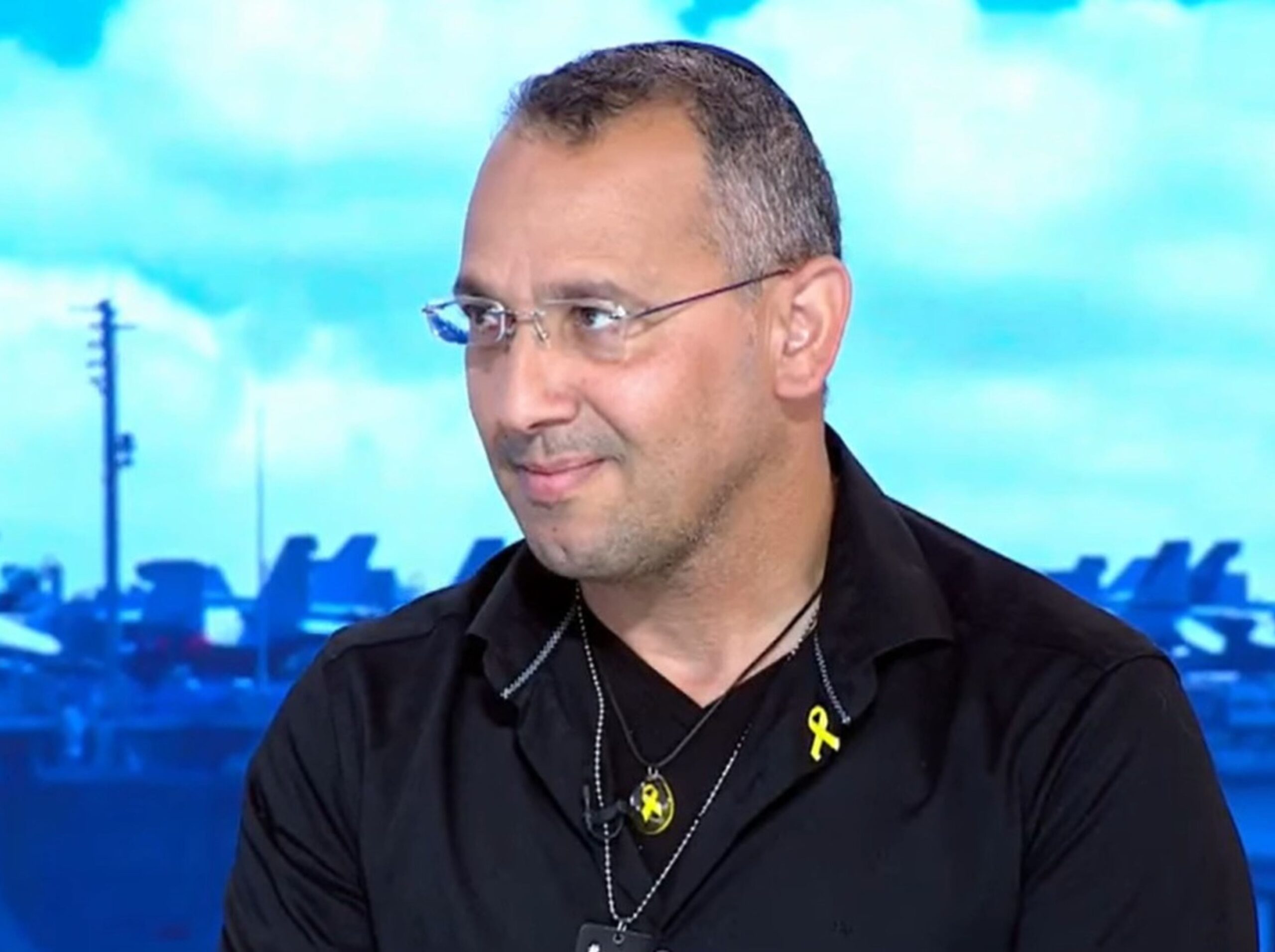
    Sharon Sharabi, one of the most prominent leaders in the public campaign to bring home hostages from Gaza, announced Monday he’s joining Yisrael Beiteinu, the right-wing party led by Avigdor Liberman.

    Sharabi is the brother of Yossi Sharabi Z”L, who was murdered while held captive by Hamas. Another brother, Eli Sharabi, survived Hamas captivity but lost his wife, Lian Z”L, and two daughters, Noya Z”L and Yahel Z”L, in the October 7 massacre.

    Since the war began, Sharabi has become one of the most visible voices in the fight to free the hostages. Yisrael Beiteinu said he worked “with sensitivity and determination” on behalf of the families and hostages, reaching broad segments of Israeli society. The party also emphasized that as a resident of Alfei Menashe, a community in Samaria, he brings a commitment to strengthening Jewish civilian presence and security.

    “I’m joining Yisrael Beiteinu out of a sense of mission and deep responsibility toward Israeli society as a whole,” Sharabi said in a statement. “I grew up on Likud values—the Likud of the past: nationalist, statesmanlike, and security-focused. Today, ‘the Likud of the past’ is Yisrael Beiteinu.”

    He added that party chairman Liberman is “a true right-wing leader” who for years warned of security threats and called for eliminating Hamas. Sharabi said that as a member of the religious Zionist community and a resident of Alfei Menashe, he will work to strengthen Jewish civilian presence, security, and mutual responsibility in Israeli society.

    Liberman welcomed the move. “I’m happy to announce that Sharon Sharabi is joining Yisrael Beiteinu,” he said. “Sharon brings civic leadership with a unifying approach, and he represents values of responsibility, mutual responsibility, and strengthening the resilience of Israeli society.”

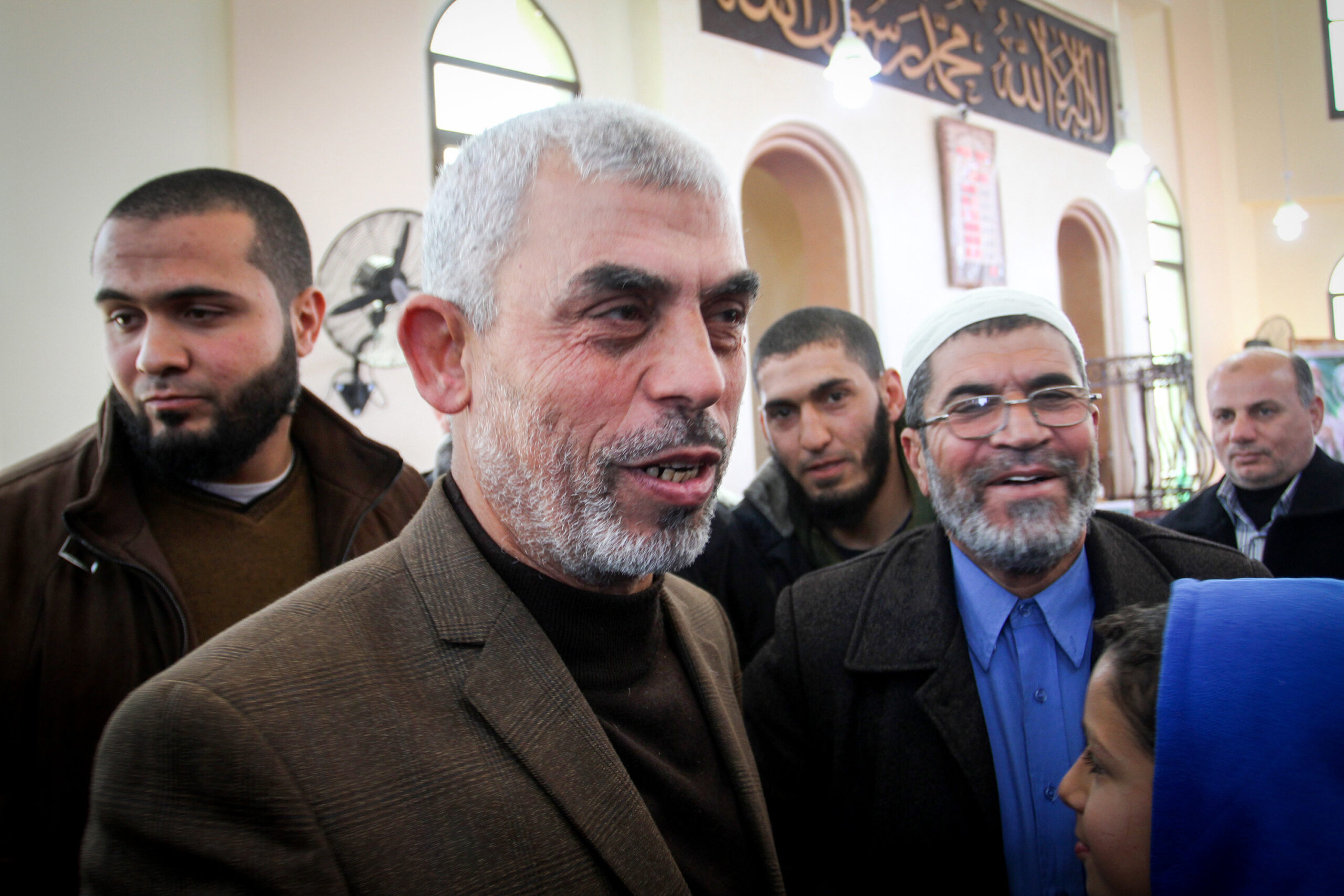
  • Hamas Holds Secret ‘Elections’ to Replace Sinwar

    Hamas Holds Secret ‘Elections’ to Replace Sinwar

    Hamas completed the main stages of ‘internal elections’ for the terror organization’s leadership, Arab media outlets reported Monday morning. According to the reports, no significant change occurred at the top: Khalil al-Hayya will continue leading the movement in the Gaza Strip, Zaher Jabarin remains Hamas leader for terror operations in Judea and Samaria, and Khaled Mashal continues heading the murderous organization abroad.

    The ‘elections’, held under the shadow of war, set the stage for the most dramatic choice: the identity of the next chief, replacing Ismail Haniyeh and Yahya Sinwar, who were killed. The race now centers on two main candidates: Khalil al-Hayya, close to the Iranian axis, and Khaled Mashal, who previously held the position. Sources in the organization estimate that the chosen leader will serve for a “transition period” of only about a year.

    The decision to hold ‘elections’ now, many months after the elimination of the organization’s top brass, including the deputy head of the bureau, Saleh al-Arouri, stems, among other things, from the ceasefire that allowed the end of the “state of emergency” in the organization. At the same time, there are sharp internal disputes within Hamas regarding the future strategy, the future of governance in Gaza, and the organization’s regional alliances.

    Reports also indicate that if al-Hayya is elected head of the political bureau, a replacement for him to lead the Gaza Strip has already been chosen. The official announcement of the identity of the new leader is expected to be made public within the coming week, and it will determine whether Hamas will continue to entrench its positions or change its political direction under pressure from the mediating countries.

  • $300M+ for Roads to 100+ Judea and Samaria Communities

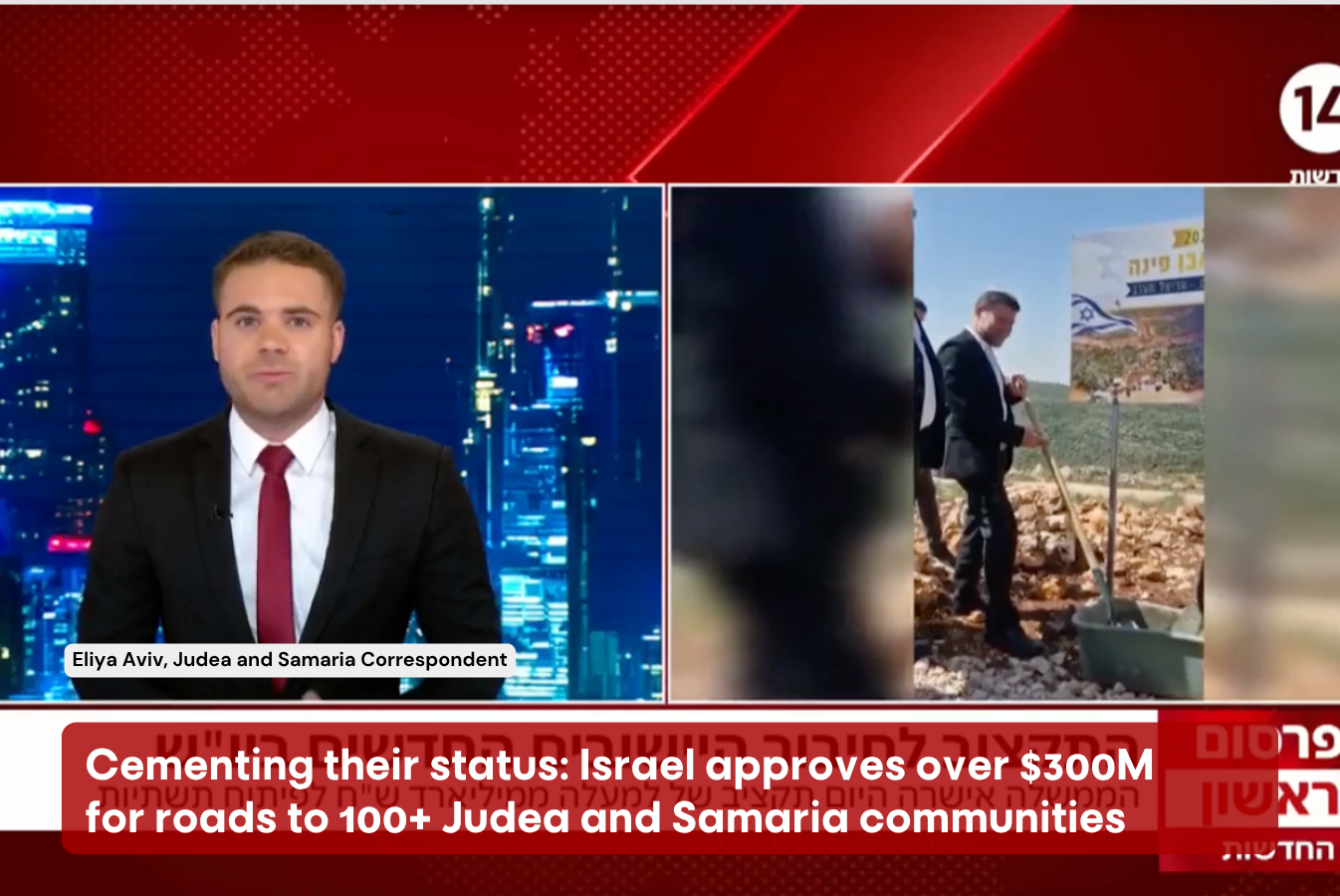
    $300M+ for Roads to 100+ Judea and Samaria Communities

    Adapted from Hebrew reporting by Eliya Aviv, Judea and Samaria Desk

    The Israeli government approved a dramatic decision Sunday to allocate over 1 billion shekels (over $300 million) specifically for developing infrastructure and access roads to dozens of new communities and outposts in Judea and Samaria. The move, led by Finance Minister and Defense Ministry Minister Bezalel Smotrich, aims to cement the status of communities established over the past year and ensure their accessibility.

    Over the past year, the government approved the establishment of more than 100 new towns in Judea and Samaria. Many of these are located in open, remote areas, and without proper transportation infrastructure they remain relatively isolated. The new budget is designed to create a systemic solution that will ensure security and accessibility for residents, and turn the communities into an integral part of the state’s road and infrastructure map in the region.

    The plan includes a total budget of more than 1 billion shekels, which will be transferred as a dedicated addition from the Finance Ministry for implementation over the next two years. As part of the immediate planning, an initial investment of about 3 million shekels will be allocated for formulating plans and completing the initial planning stage. According to the timelines set, the government determined that the detailed plan for paving the roads will be brought for approval within just 45 days.

    The decision is considered a significant strategic step, as it provides broad-scale infrastructure backing for the accelerated heartland development recorded over the past year. Sources involved in the plan note that this is a scale of development not seen in many years in Judea and Samaria.

    Beyond the budgetary aspect, the move signals the government’s intention to cement the existence of the new outposts permanently and to equalize the level of infrastructure in them with all residential areas in the country. Work on the ground is expected to begin after approval of the detailed plan and completion of early planning stages.

  • ISIS-Inspired Terror Cell Planned Jerusalem Attacks

    ISIS-Inspired Terror Cell Planned Jerusalem Attacks

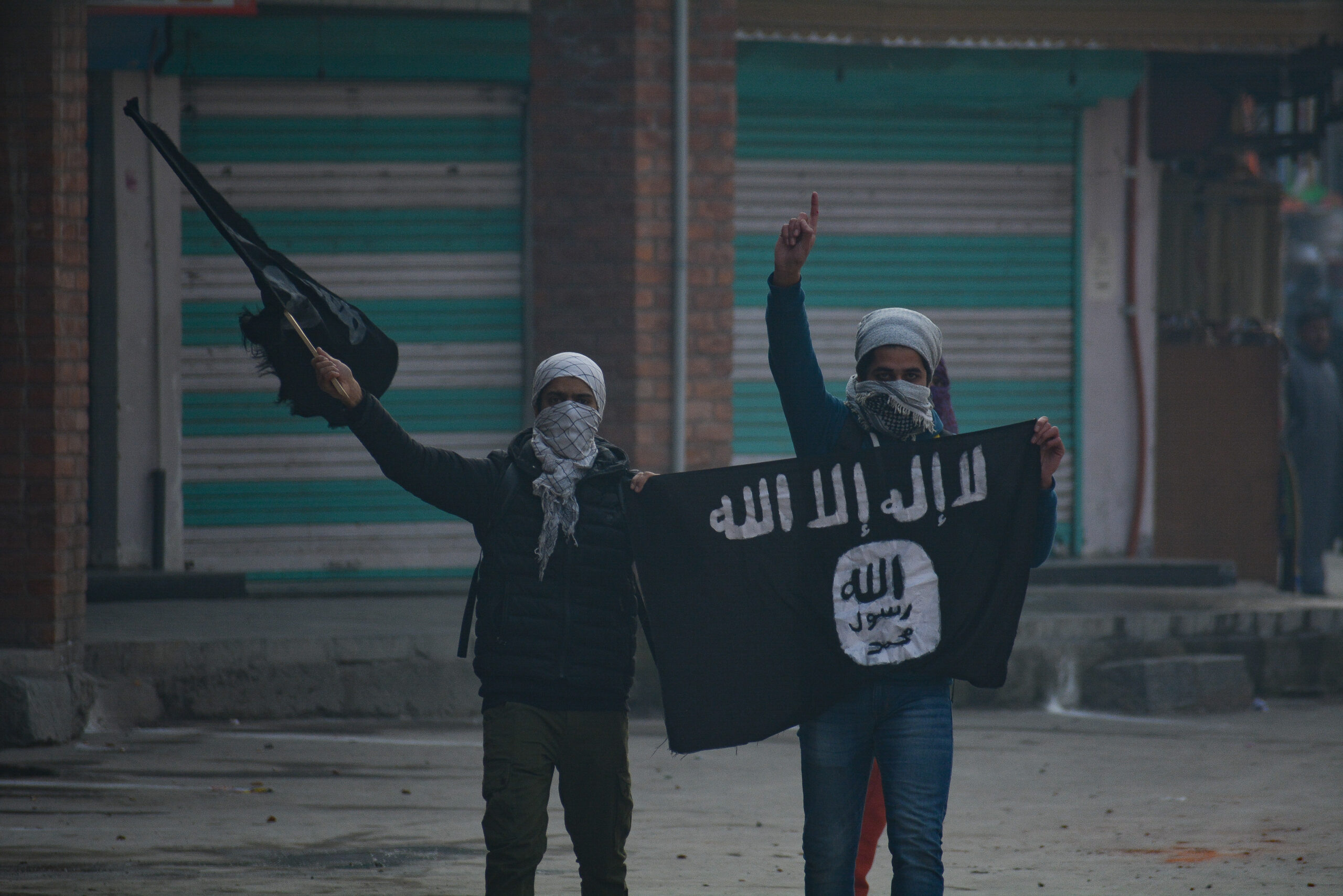
    The Jerusalem District Attorney’s Office filed serious indictments Sunday against Majed Halaileh (31), Mohammed Sabah (22), Omar Abu Al-Amal (26), and a 16-year-old minor for operating a terror cell inspired by ISIS. The suspects were arrested after planning a series of deadly attacks on civilian and security targets using explosives, firearms, and vehicle rammings. Prosecutors requested the suspects be held in custody until the end of legal proceedings.

    According to the indictments, cell members were exposed to ISIS’s extremist content, including graphic violence videos and detailed bomb-making tutorials. Following exposure to this material, the suspects developed deep identification with the organization—some formally joining and working to recruit additional members. The cell held regular meetings where they studied attack methods, watched ISIS content, and planned various attack scenarios in Jerusalem and in Judea and Samaria.

    The investigation revealed the suspects marked specific targets for attacks, including the Damascus Gate area in Jerusalem and the settlement of Kiryat Arba. As part of their preparations, some suspects received hands-on training in bomb-making, gathered intelligence on potential targets, and even surveyed security infrastructure on the ground to identify vulnerabilities. Cell members also planned to conduct military-style training and studied the use of combat weapons to ensure the success of their murderous plan.

    The suspects face serious security charges including membership in a terrorist organization, recruiting members to a terrorist organization, preparation and conspiracy to commit an act of terror, and conspiracy to commit murder under aggravating circumstances. The cell’s exposure highlights the danger posed by local cells adopting ISIS ideology and operating independently to advance deadly attacks in the heart of Israel.

  • Police Crime Data: Judea & Samaria Region 2.5x Safer

    Police Crime Data: Judea & Samaria Region 2.5x Safer

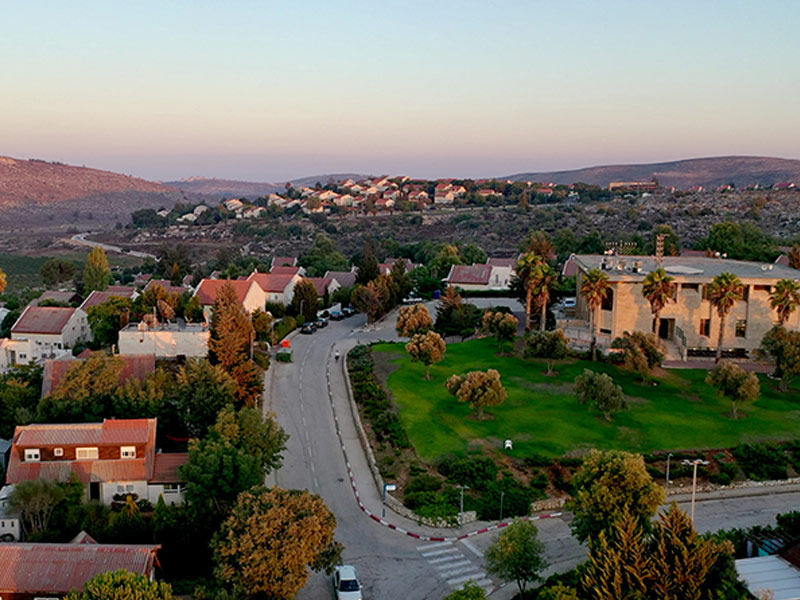
    At the heart of Judea and Samaria sits the Binyamin region, given as inheritance to Benjamin, youngest of Jacob’s twelve sons. Ancient Shiloh lies within its borders – Israel’s spiritual home for centuries before that role passed to Jerusalem, making Shiloh effectively the nation’s first capital.

    Today, the Binyamin Regional Council covers a substantial swath of the mountainous terrain north of Jerusalem, including dozens of communities in the heart of Judea and Samaria. Its population engages in daily life against the backdrop of ongoing security operations, and the council has invested significantly in civilian-military coordination in recent years.

    Updated national crime data published by the Israel Police places the Binyamin Regional Council well below the country’s average crime rate, ranking it as one of the most secure civilian areas in Israel. The figures arrive as international media and human rights organizations continue to characterize Judea and Samaria as a region defined by widespread ‘settler’ violence — a portrayal the data directly challenges.

    According to the statistics, the Binyamin Council recorded approximately 10 crime filings per 1,000 residents. The national average stands at roughly 25, meaning the council’s rate is less than half that of the broader country. With a total of 867 crime files logged across the jurisdiction, both the volume and the composition of offenses point to a community operating with a high degree of personal security.

    The offense profile is as significant as the headline rate. Public order and property offenses together account for more than half the total, while violent crime makes up around 16 percent and more serious categories appear at marginal levels. These figures reflect the daily reality of a community dealing with routine security challenges, not the pattern of endemic violence that critics have sought to attach to the region.

    The gap between an engineered perception and official record is not a minor statistical footnote. When international audiences encounter coverage of Judea and Samaria that strips out attacks on Israeli civilians and soldiers, they receive a distorted picture of who is perpetrating violence and against whom. The Binyamin figures, sourced from Israel’s own national law enforcement database, offer a corrective grounded in verifiable government data.

    The narrative and the record

    A recent incident near Ofra that circulated internationally under the label ‘settler violence’ illustrates the pattern. What took place was an attack by dozens of Arabs who threw stones at a Jewish shepherd before turning on an IDF force called to the scene. Soldiers facing an immediate threat to their lives opened fire on one of the attackers, who later died of his wounds. The incident was widely mischaracterized in foreign coverage before the full sequence of events was established by Israeli security officials.

    Binyamin Council head responds

    Yisrael Ganz, head of the Binyamin Regional Council, commented on the updated crime statistics: “We are very proud of these figures. They are not just numbers — they are the outcome of a deliberate approach. In recent years, we built a clear model in Binyamin: a strong community, sustained ground presence, and close coordination with security forces. While the public debate sometimes presents a different picture of what is happening in this region, the official data tells a clear story. We are proud of the result, and committed to continuing to strengthen it.”

    For policymakers, journalists, and international observers who rely on data rather than narrative, the Israel Police statistics represent the primary source of record. They tell a story that much of the coverage has so far declined to report.


    Crime rate figures are drawn from the Israel Police national crime statistics database. Incident details reflect official IDF and Israel Police accounts. C14 Global is the international division of Channel 14, Israel’s leading licensed broadcast media organization.

  • Geert Wilders Hails Sa-Nur Return: “Historic and Just”

    Geert Wilders Hails Sa-Nur Return: “Historic and Just”

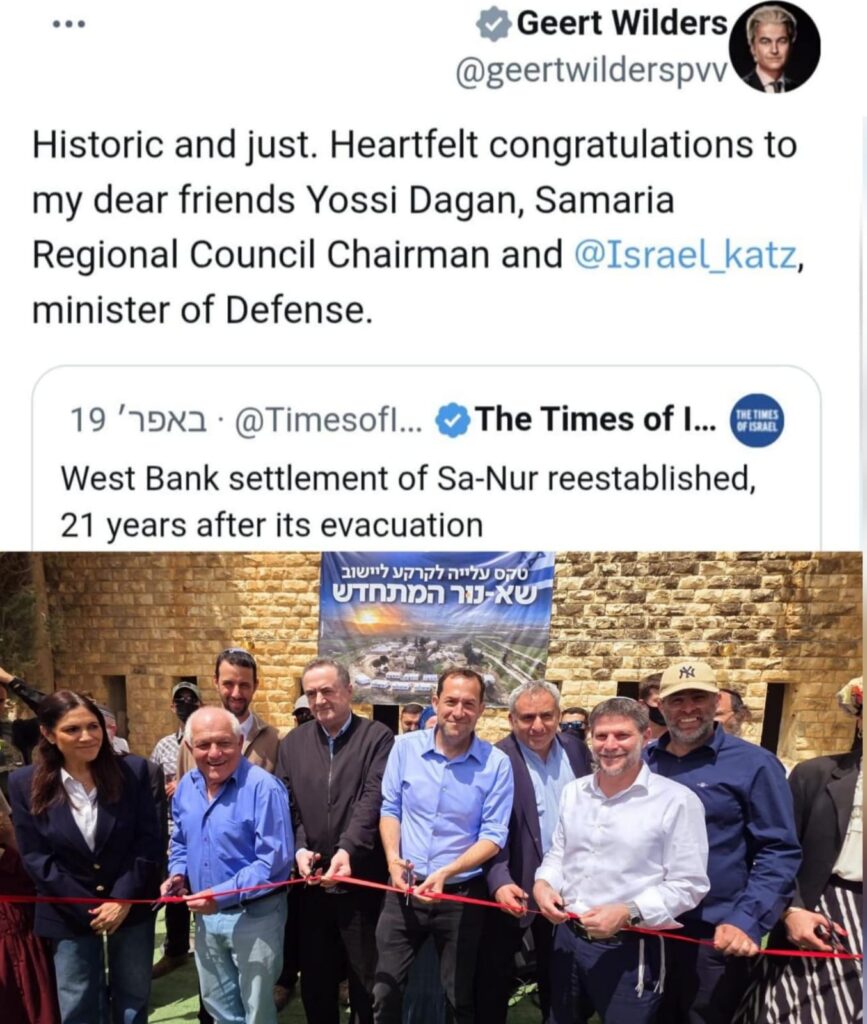
    The international response to Israel’s return to Sa-Nur in northern Samaria continues at an unprecedented scale, with leaders across the U.S. and Europe praising the move. Among the most prominent is Geert Wilders, leader of the Dutch Party for Freedom (PVV) and candidate for prime minister, who issued an enthusiastic statement of support and sent personal congratulations to Samaria Regional Council head Yossi Dagan and Defense Minister Israel Katz.

    In a post on his X account, Wilders shared a report from the Israeli press about the reestablishment of Sa-Nur 21 years after its evacuation, writing: “Historic and just. Warm congratulations to my dear friends, Samaria Regional Council head Yossi Dagan and Defense Minister Israel Katz.”

    Screenshot from Geert Wilders’ X account

    Dagan thanked Wilders and said: “The reestablishment of Sa-Nur is a historic moment of correcting the crime of expulsion. As we promised, we are returning home to the heart of the land. The support of a true friend like Geert Wilders warms the heart and proves that more and more people in the free world understand and support our right to our homeland.”

    Wilders and Dagan have maintained a close and warm relationship over the years. This is part of the extensive foreign relations activity led by the Samaria Regional Council with leaders and parliamentarians around the world, aimed at explaining the importance of the heart of the land and emphasizing that Judea and Samaria are the dam protecting Europe and the entire free world.

    The reestablishment of Sa-Nur comes after long years of stubborn public and political struggle led by Samaria Regional Council head Yossi Dagan—himself an evacuee from Sa-Nur—along with the people of Homesh, the Homesh Yeshiva, and evacuees from Homesh and Sa-Nur. A struggle that began immediately after the evacuation and now bears fruit with the historic return to the land.

  • IL Universities Face Budget Cuts for Pro-Terror Claims

    IL Universities Face Budget Cuts for Pro-Terror Claims

    Despite university leaders’ claims that there is no incitement to terror on campuses, C14 has obtained an official Council for Higher Education document showing that cases of incitement and terror support have been reported at multiple institutions across the country.

    The document surfaced following an inquiry by Education Committee Chairman MK Tzvi Sukkot to the Council for Higher Education, after the committee held hearings on the issue in recent months. During those hearings, university presidents claimed “there is no incitement to terror in academia,” and later announced they would boycott further Education Committee sessions on the grounds that the premise was false.

    The document reveals data on several institutions where complaints were filed regarding incidents involving incitement, expressions of support for terrorism, problematic publications, and suspicions investigated by the relevant authorities. The document further shows that in some cases disciplinary measures were taken, in other cases institutional investigations and treatment were conducted, and in some instances incidents were reported involving support for terrorism or expressions of identification with hostile entities—in complete contradiction to the sweeping claim that the phenomenon doesn’t exist at all.

    Education Committee Chairman MK Tzvi Sukkot, who was briefed on the report, responded: “The enemy within is operating in academic institutions. The incitement continues and university leaders prefer to bury their heads in the sand and deny documented reality.”

    Sukkot clarified that he plans to advance, together with Finance Minister Bezalel Smotrich, an examination of withholding budgets from academic institutions where incitement to terror has occurred, alongside a demand that enforcement bodies provide a briefing on how incitement incidents at higher education institutions are being handled and what is needed to prevent their recurrence.

    According to Sukkot, “While the State of Israel is in a multi-front existential war from Iran to Lebanon, the enemy within is operating. The incitement continues and university leaders prefer to bury their heads in the sand and deny documented reality. The official documents of the Council for Higher Education explicitly contradict their claim.”

    He added: “The truth is coming to light. After they claimed there is no incitement to terrorism in academia, the official documents tell a different story. There are incidents, there are complaints, there are cases that were handled, and therefore there is full justification for cutting budgets from academic institutions based on existing law.”

  • The State of Tennessee Recognizes Judea and Samaria

    The State of Tennessee Recognizes Judea and Samaria

    Adapted from the Hebrew article by Judea and Samaria Correspondent Eliya Aviv

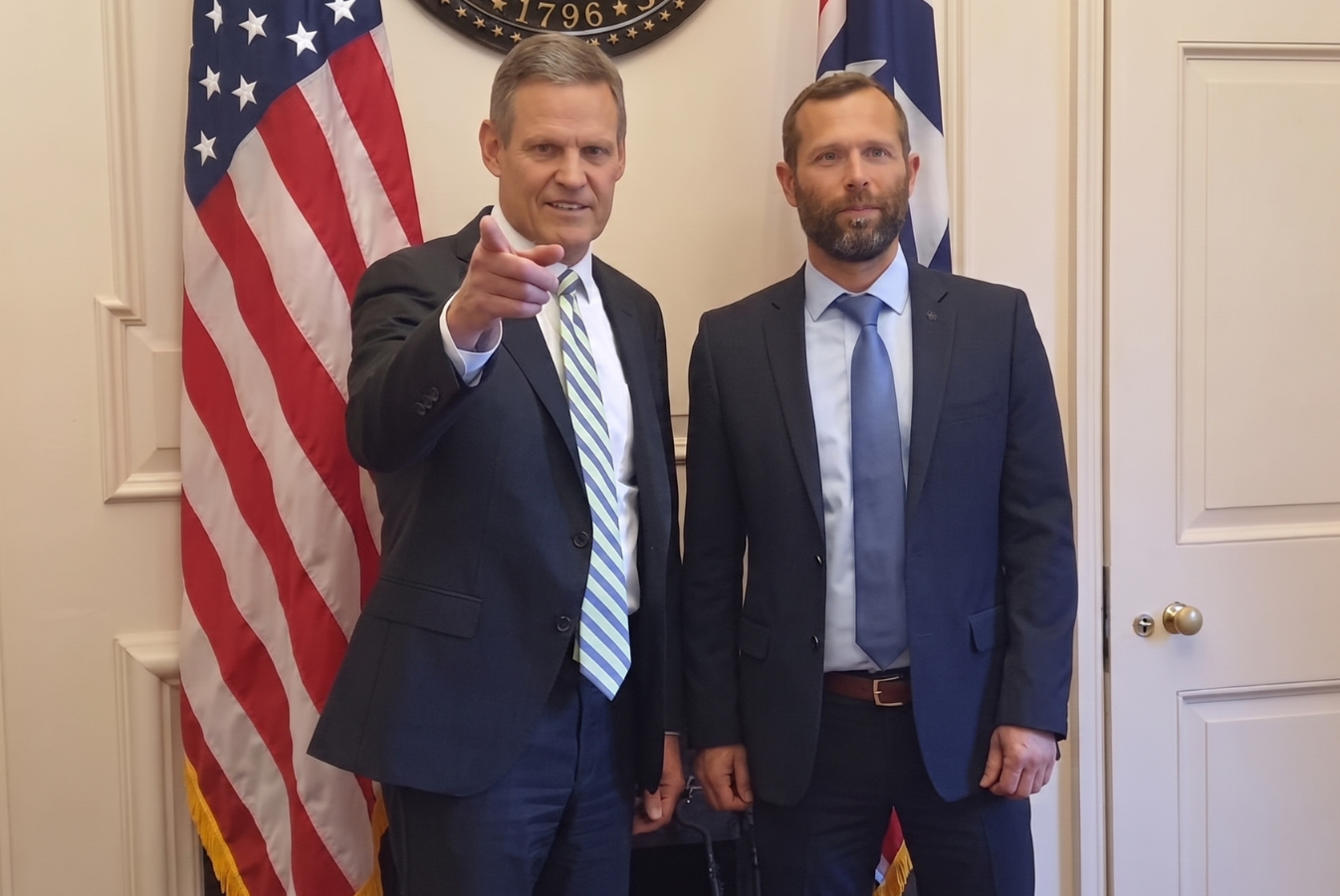
    Tennessee Governor Bill Lee signed historic legislation recognizing Judea and Samaria, making the state the third in the United States to drop the 1950-era contrived Jordanian term “West Bank” from official documents.

    The term “West Bank” refers to the area west of the Jordan river, and prior to Jordanian annexation, the area was known as Judea and Samaria for thousands of years, including in the Bible.

    The bill, which passed both chambers of the state legislature by overwhelming margins, mandates that Tennessee use only the biblical names Judea and Samaria in all official state documents. The move follows similar legislation in Arkansas and Arizona, deepening American recognition of Israel’s historical claims to the heartland.

    Arkansas Governor Sarah Huckabee Sanders (R) became the first governor to sign such legislation. Arizona Governor Katie Hobbs (D) has yet to sign the bill passed by her state’s House of Representatives.

    Tennessee State Representative Chris Todd, who toured the territory and championed the bill, issued a forceful declaration of support: “I am ready and able to do everything in my power to support the people of Israel. This land was given to you by God by right and must be defended, and it should all be under the control of the people of Israel.”

    The law’s key provisions include:

    Eliminating ‘West Bank’: Mandatory replacement of the term in all official state documents with “Judea and Samaria.”

    Recognizing Jewish rights: A formal declaration of Israel’s historical and biblical connection to the territory.

    Bipartisan support: The measure was advanced by Representative Todd and won broad backing in both legislative chambers.

    Yesha Council diplomacy: The law is the fruit of diplomatic efforts by Yesha Council Chairman Yisrael Ganz, who held working meetings with the governor and state legislators.

    The Tennessee victory comes alongside a similar resolution in Arizona, where State Representative David Livingston led the effort. “It’s clear this is Israel—the people, the culture, and the history. It’s biblical,” Livingston said during the Senate debate.

    The Tennessee move is just the first in a much broader wave: 17 additional U.S. states are at various stages of advancing similar legislation and resolutions, fortifying the status of settlement in Judea and Samaria against international pressure.

    “We’re seeing a strategic shift in the United States,” the Yesha Council stated optimistically. “The historical truth and moral justice of the people of Israel in Judea and Samaria are defeating the false narratives.”

  • Three Killed in Arab Sector Violence Within 24 Hours

    Three Killed in Arab Sector Violence Within 24 Hours

    The wave of violence and crime in Israel’s Arab sector continued over the weekend, with three men in their 20s murdered in two separate shooting incidents in Ramla and Rahat on Saturday. Large police forces opened investigations into both cases and launched manhunts for suspects.

    The first incident occurred Friday night, when officers from the Shephelah District began investigating a shooting in Ramle. According to the initial investigation, the motive was an ongoing blood feud. Two men in their 20s were shot dead while sitting in their car on Route 431, near the Ramla South interchange.

    Magen David Adom, Israel’s emergency medical service, paramedics and EMTs who were called to the scene pronounced both men dead. Dr. Shai Barnes, a volunteer MDA physician, said: “We saw two men around 25 years old in their car, unconscious, without a pulse and not breathing, with severe penetrating injuries to their bodies. We performed medical examinations but unfortunately their injuries were significant and we had no choice but to pronounce them dead.”

    In a separate incident Saturday evening, police opened an investigation following a shooting in the city of Rahat. A 27-year-old local resident was critically wounded in the shooting and pronounced dead shortly afterward by an MDA team. According to police’s initial assessment, the motive was criminal.

    Rahat police station officers who were called to the scene began collecting evidence and launched searches to locate suspects. Guy Wigder, a senior MDA paramedic, said: “The victim was lying in a yard, unconscious and suffering from penetrating injuries to his body. We provided medical treatment and performed advanced resuscitation efforts, but his injury was critical and we ultimately had to pronounce him dead.”