


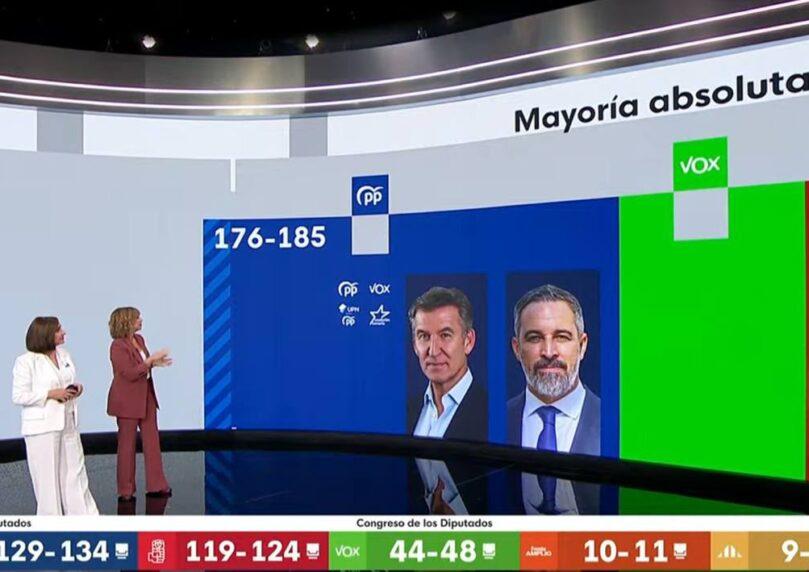

Spain’s television election projections point to a possible victory for the right-wing bloc, comprising the People’s Party (PP) and Vox, but the results fall short of the decisive victory predicted by pre-election polls. According to projections published by Spanish broadcaster RTVE, the two parties are expected to secure a combined 175–184 parliamentary seats, with 176 of the 350 seats required for an absolute majority. With the projected range straddling the majority threshold, it remains unclear whether the right will be able to form a government.
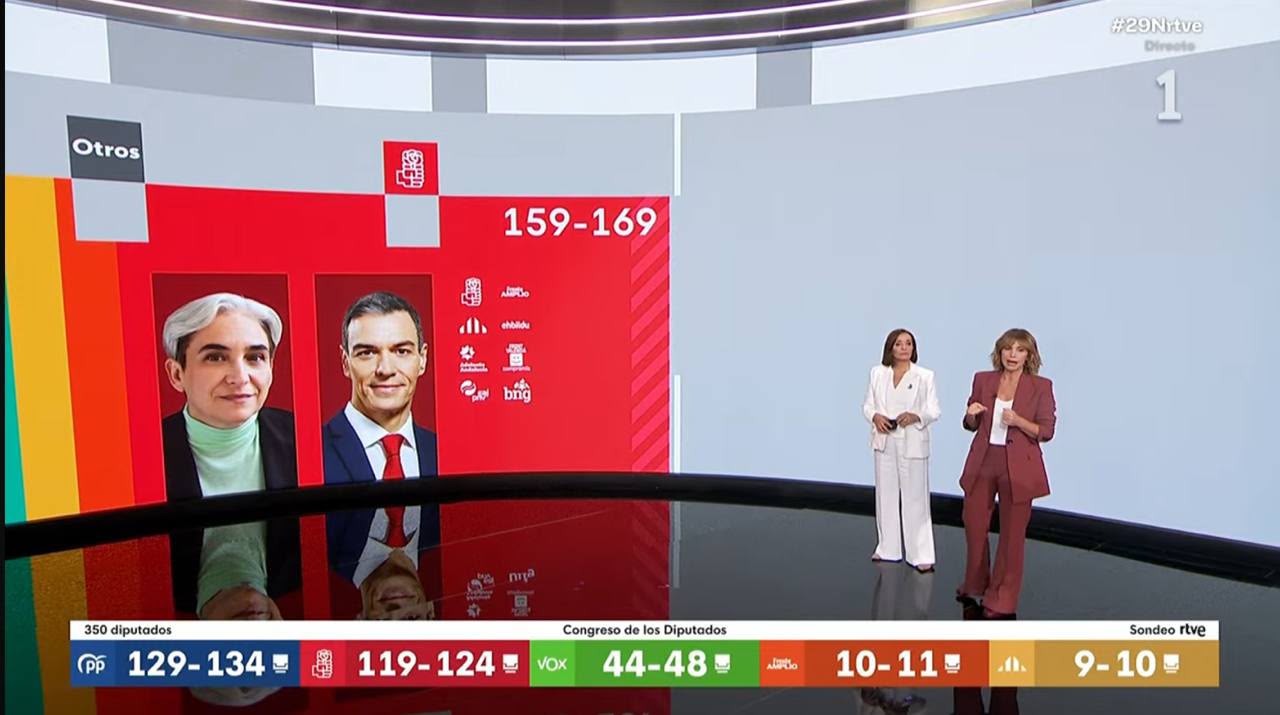
Meanwhile, the ruling Socialist Party (PSOE), led by Prime Minister Pedro Sánchez, is projected to secure 119–124 seats, alongside other left-wing parties. Even if Sánchez struggles to remain in office, the figures indicate that Spain’s left retains considerable political influence and could shape the composition and policies of the next government.
Relations With Israel in the Spotlight: Could a Change in Government Shift Policy?
For Israel, the outcome of Spain’s elections could have significant diplomatic implications. In recent years, Sánchez’s government has adopted a hardline stance against Israel, becoming one of Europe’s most vocal critics of Israeli government policy.
In May 2024, Spain formally recognized a ‘Palestinian’ state alongside Ireland and Norway. Sánchez’s government subsequently introduced additional measures against Israel, including an arms embargo, restrictions on vessels carrying fuel intended for Israeli security forces, a ban on aircraft transporting military equipment to Israel from entering Spanish airspace, and a ban on imports from Jewish communities in Judea and Samaria.
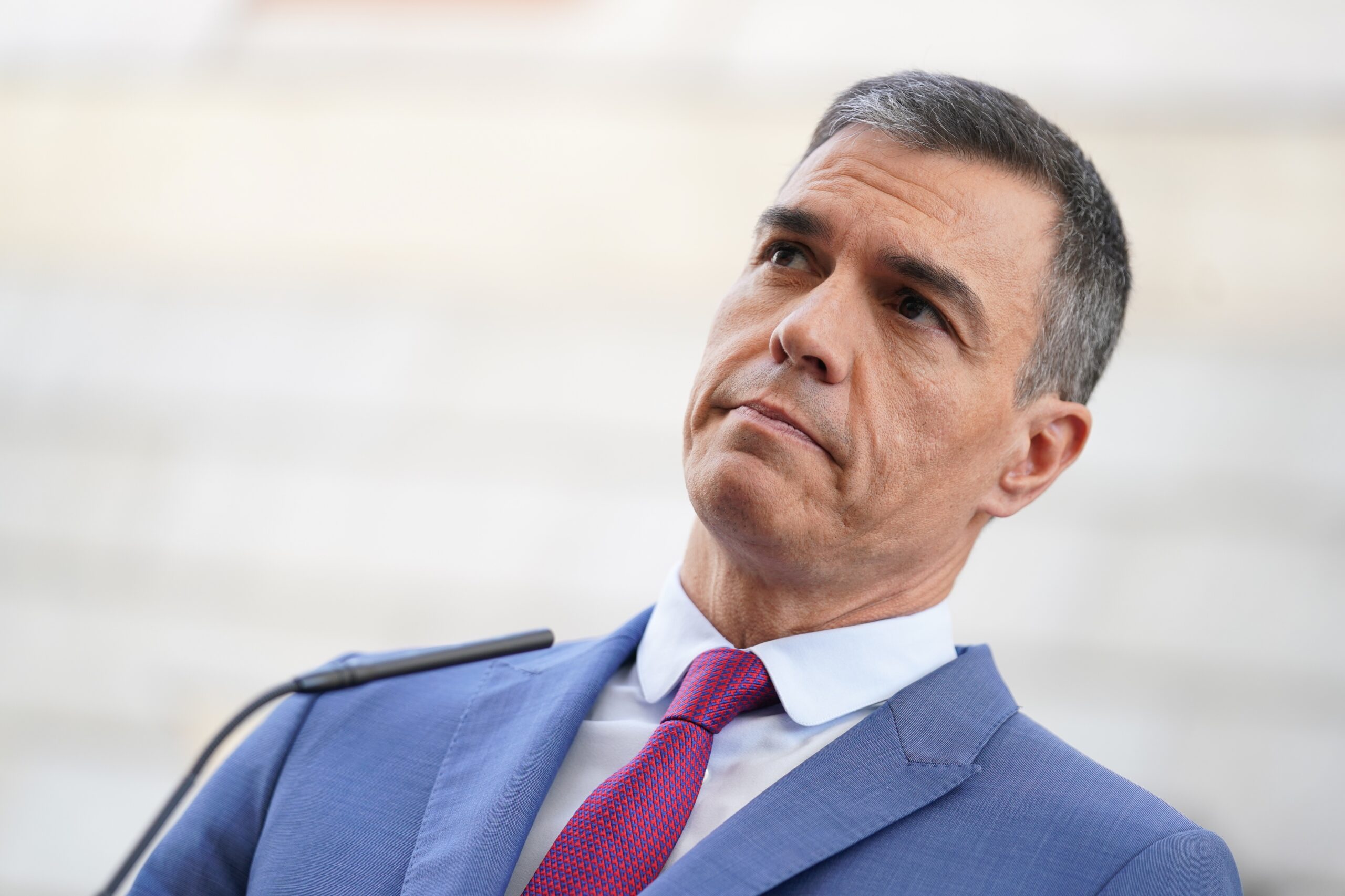
In September 2025, Sánchez announced another package of measures, including legally enshrining the arms embargo, imposing entry restrictions on individuals his government accused of harming the ‘Palestinian’ population, and increasing aid to the ‘Palestinian’ Authority and Gaza. An official Spanish government document outlined nine measures that it said were intended to end the war in Gaza and assist the ‘Palestinian’ population. Sánchez also pushed for the suspension of the EU-Israel Association Agreement. In June 2026, he renewed his calls for a partial suspension of the agreement and sanctions against individuals he accused of violating international law.
What Could Change if the Right Forms a Government?
A victory for the People’s Party and Vox could signal a shift in Spain’s relations with Israel. However, an important distinction must be made between the positions of the two parties: Vox has adopted a decidedly pro-Israel stance, while the People’s Party has criticized some of the measures introduced by Sánchez’s government without necessarily committing to reversing them all.
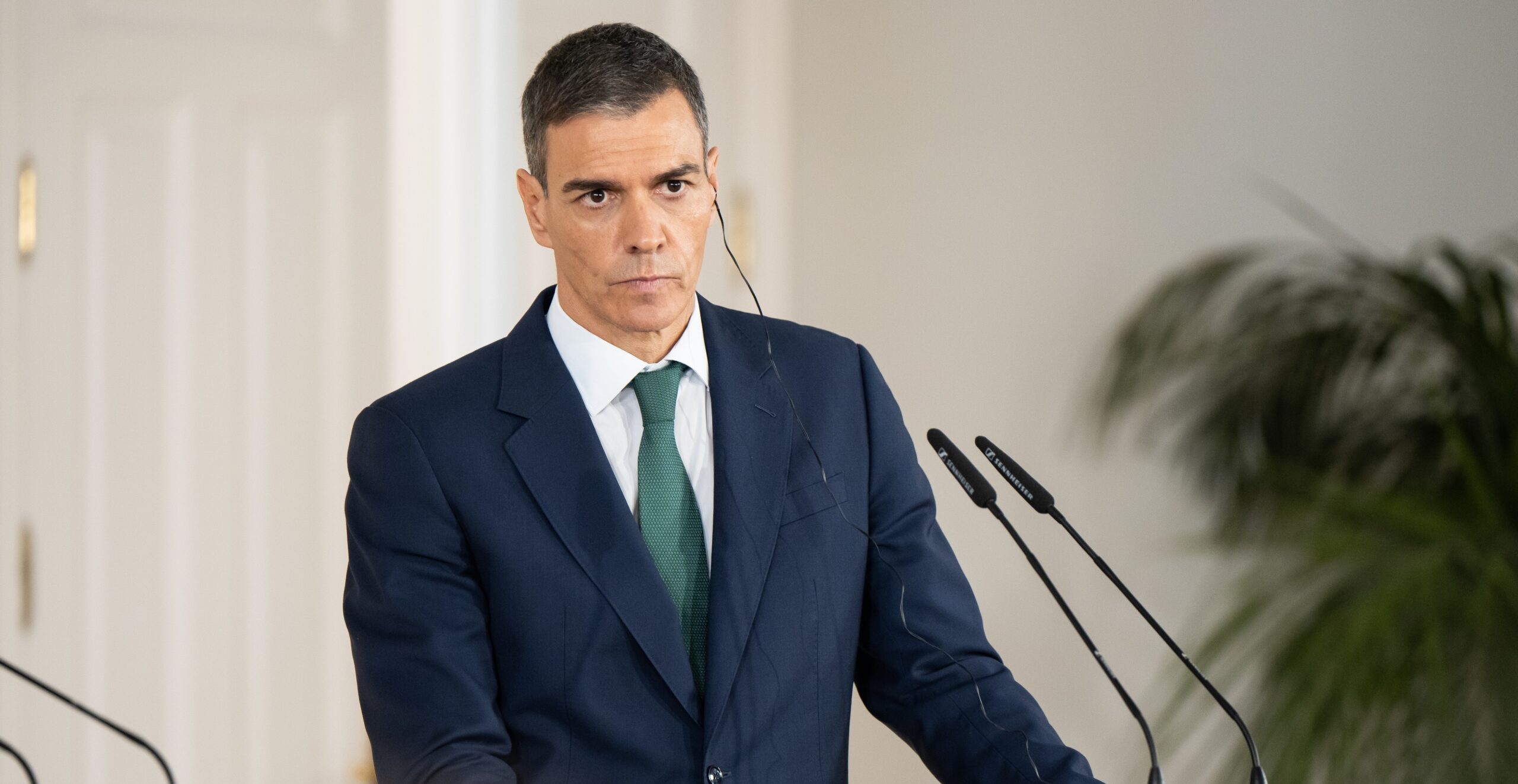

Should the two parties succeed in forming a government, Spain could adopt a more favorable diplomatic tone toward Israel, reconsider existing trade and defense restrictions, and more firmly oppose anti-Israel initiatives within the European Union. However, no formal commitment has been made to reverse the existing measures, and any policy changes would depend on coalition agreements and the agenda established by the next government.
Even if Sánchez struggles to remain in power, the left’s stronger-than-expected performance and the possibility that the right-wing bloc may fall short of an absolute majority demonstrate that a political shift in Spain is far from guaranteed. For Israel, the elections could open the door to improved bilateral relations, but any substantive policy change will depend on the composition of Spain’s next governing coalition.