




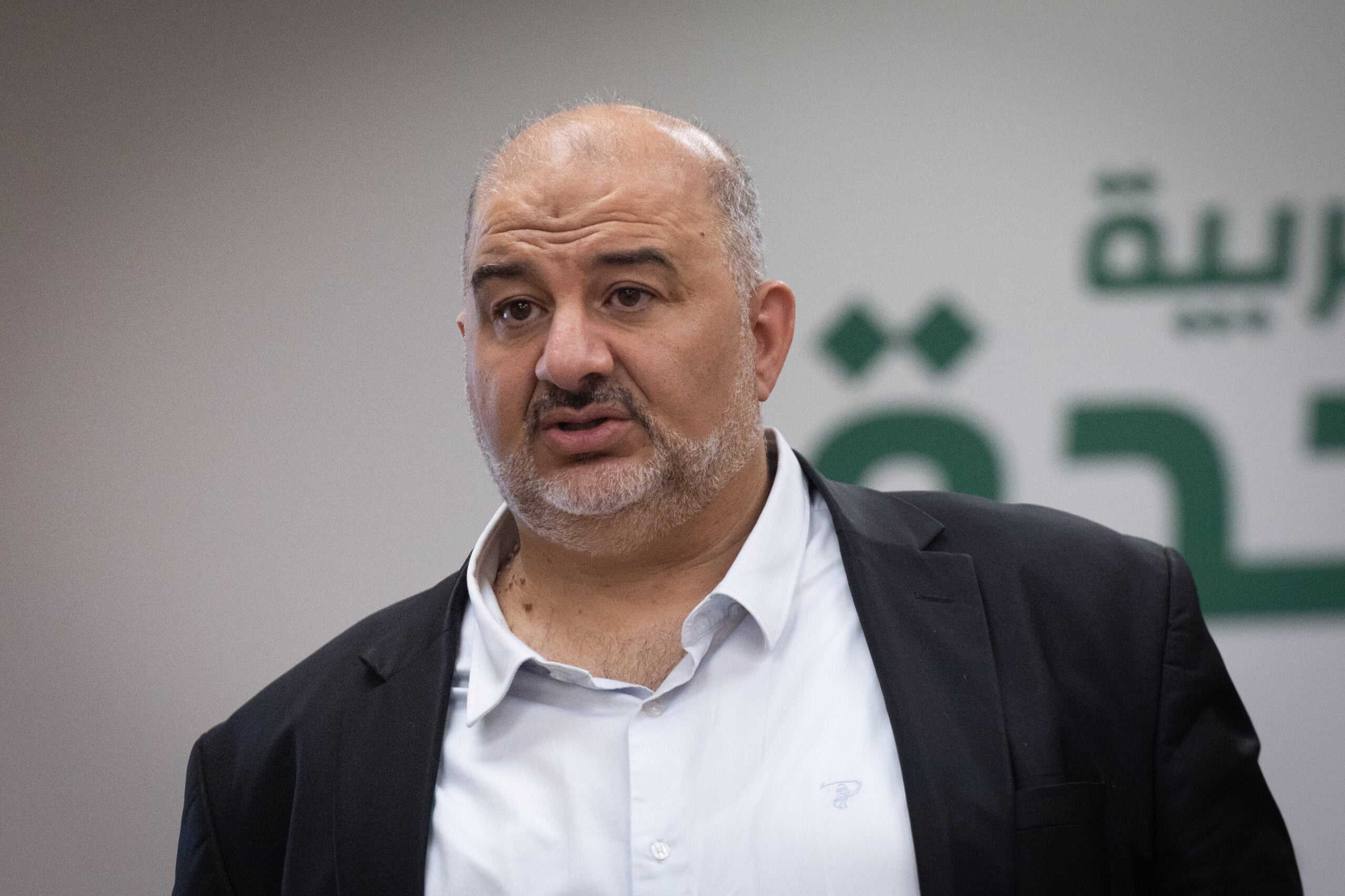
Last night, minutes after Mansour Abbas‘s interview on Channel 12 News, nearly every Israeli news site declared a historic moment: “Mansour Abbas defined Hamas as a terror organization.” Just one small thing spoiled the celebration—he simply didn’t say it.


 7+
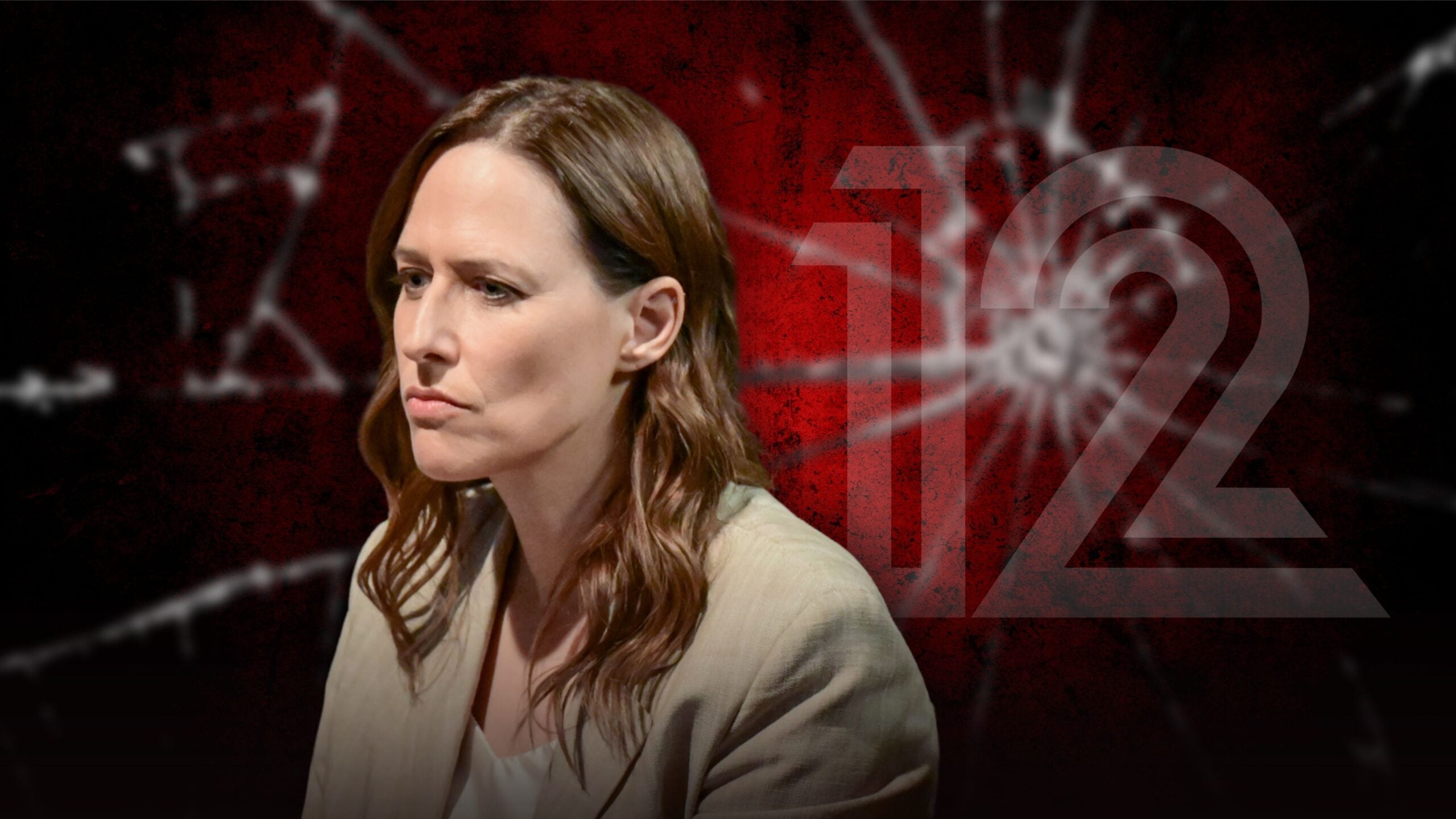
Throughout the interview, Dana Weiss tried again and again to extract the longed-for statement from Abbas. “So the matter is closed?” Weiss asked him. “It’s been closed for a long time,” Abbas replied, continuing to talk about political difficulties, referring to acts of terror and pointing to the text of the bill to establish a state commission of inquiry, which includes the definition of Hamas as a terror organization.
Weiss returned to the subject and tried to get an explicit answer, but Abbas kept referring to what was written in the document. The reference to the bill’s text became, in the headlines, an independent declaration by the Ra’am chairman. The context disappeared, and the public got the headline that fit the story Channel 12 wanted to present.
That’s what happens when you write what you want the public to hear, counting on them not to listen to what was actually said.
 7+
You can debate at length about the meaning of Abbas’s words, his intentions, and the interview’s implications for the political system. But any such discussion must start with understanding what was actually said, not what Channel 12 wanted us to hear. This gap—between reality and how they choose to present it to the public—is the heart of the matter.
This isn’t the first time Channel 12 has done this, as if viewers don’t have their own eyes and ears. In another case, incomparably more serious, the price our soldiers and the entire State of Israel paid was unimaginable.
 7+
In August 2024, Guy Peleg broadcast on Channel 12 News the video from the Sde Teiman facility, centered on Force 100 soldiers. The video, which underwent tendentious and criminal editing, was presented to the public as documentation of a horrific act of abuse. Except that in the video itself, even after editing, no act of abuse is visible, no offense of the kind attributed to the soldiers. The horror the public supposedly “saw” in the video was supplied by the interpretation that accompanied it.
Presenting the video as evidence of an act not visible in it was an abominable injustice to the soldiers, under the auspices of Channel 12 News. Their names were tarnished, their honor trampled, and they were forced to deal with the most serious accusations imaginable. All this while the State of Israel was fighting for its existence and forced to contend with a delegitimization campaign in the international arena.
 7+
The injustice done to the Force 100 soldiers didn’t stop at Israel’s borders. The video Guy Peleg published quickly rolled into media outlets around the world and provided propaganda ammunition to our enemies. This time, they didn’t even have to try: an Israeli media outlet supplied them with the materials, the interpretation, and the “stamp of credibility.”
More than a year after the broadcast, the outgoing Chief Military Prosecutor, Yifat Tomer-Yerushalmi, admitted she approved transferring the video to the media. Last March, the indictment against the soldiers was dropped, partly due to evidentiary difficulties, the conduct of senior officials in the military law enforcement system, and the violation of the soldiers’ right to a fair process.
 7+
But the damage can’t be undone by the Chief Military Prosecutor’s decision. You can’t give the soldiers back the time stolen from them, erase the publications around the world, or retroactively cancel the damage done to Israel’s reputation. The false representation already circled the globe.
And in this entire horrific story, there’s one fact that’s especially hard to ignore: the video was available to the public. Anyone could watch it and distinguish between what appears in the documentation and what they’re told about it. No legal expertise was required, no access to investigation materials, and no exceptional military understanding.
People were told what they were seeing, and people gave up the most basic ability—to use their own eyes. They preferred, even if without being aware of it, to believe what they were told over what was revealed to their eyes.
 7+
Yesterday, in Dana Weiss’s interview with Mansour Abbas, the same public awareness engineering mechanism operated again. This time the public also had the sense of hearing at its disposal. The words were said on air, the interview was available for viewing, and yet the headlines determined for the public what it heard.
And that’s exactly the danger. When a media outlet gets used to its viewers accepting the interpretation it provides even when the original documentation is laid before their eyes, it no longer needs to hide reality from them. It’s enough to tell them how to see it.
 7+
In the Force 100 case, Channel 12 supplied the public with a description of an act not visible in the video they themselves broadcast. In the interview with Abbas, they supplied the public with an interpretation that within minutes became a quote. In both cases, the distinction between the documentation and the journalistic interpretation accompanying it was blurred, until the latter gained the status of fact.
This is exactly engineering public perception: not hiding the facts from the public, but dictating to it what it should see and hear even when they’re laid before it. Channel 12 broadcasts the raw materials themselves, and yet manages to give them meaning that goes beyond what can be seen and heard in them.
 7+
The public has never had such broad access to journalistic raw materials. Interviews, speeches, documents, videos, and Knesset votes—everything is a touch away. Absurdly, precisely in an era when it’s so easy to examine the credibility of journalistic reporting, people are willing to give up, even without understanding what they’re doing, the information right in front of them in favor of whoever tells them what it contains.
The greatest achievement of engineering public perception isn’t getting people to believe something they didn’t see. It’s getting them to believe they saw for themselves what someone else told them.