


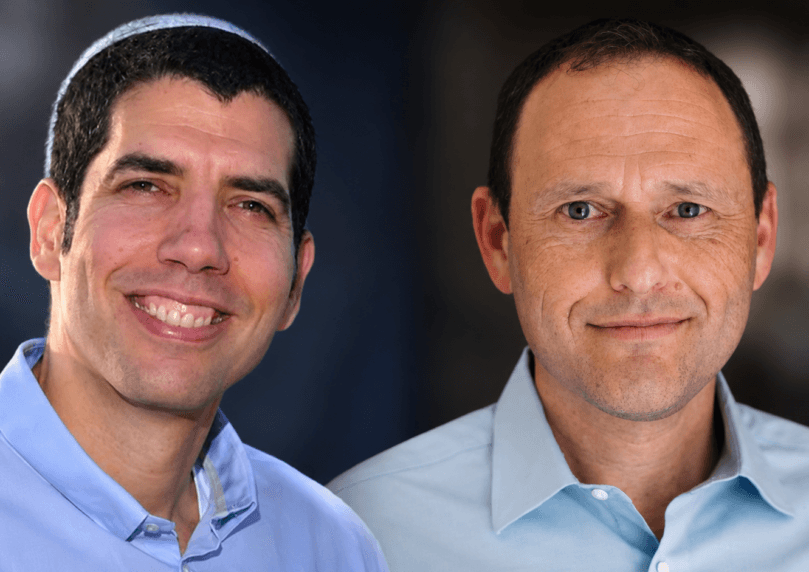

In a historic decision, Chief Military Prosecutor Major General Itai Ofir has ruled that the military prosecution will seek the death penalty for Hamas terrorist Qadri Samara, who murdered Netanel Soukron in an attack in the Binyamin region on the eve of Yom Kippur. An indictment will be filed against him tomorrow (Monday), and the military prosecution will demand his execution. This marks the first test of implementing the death penalty law for terrorists since it took effect, and represents a dramatic shift in the military prosecution’s sentencing policy toward terrorists who carry out deadly attacks.
As C14’s military correspondent Hillel Biton Rosen first revealed in May, Defense Minister Israel Katz directed Central Command chief Major General Avi Bluth to sign an amendment to the military order enabling the death penalty law to be applied to terrorists in Judea and Samaria.
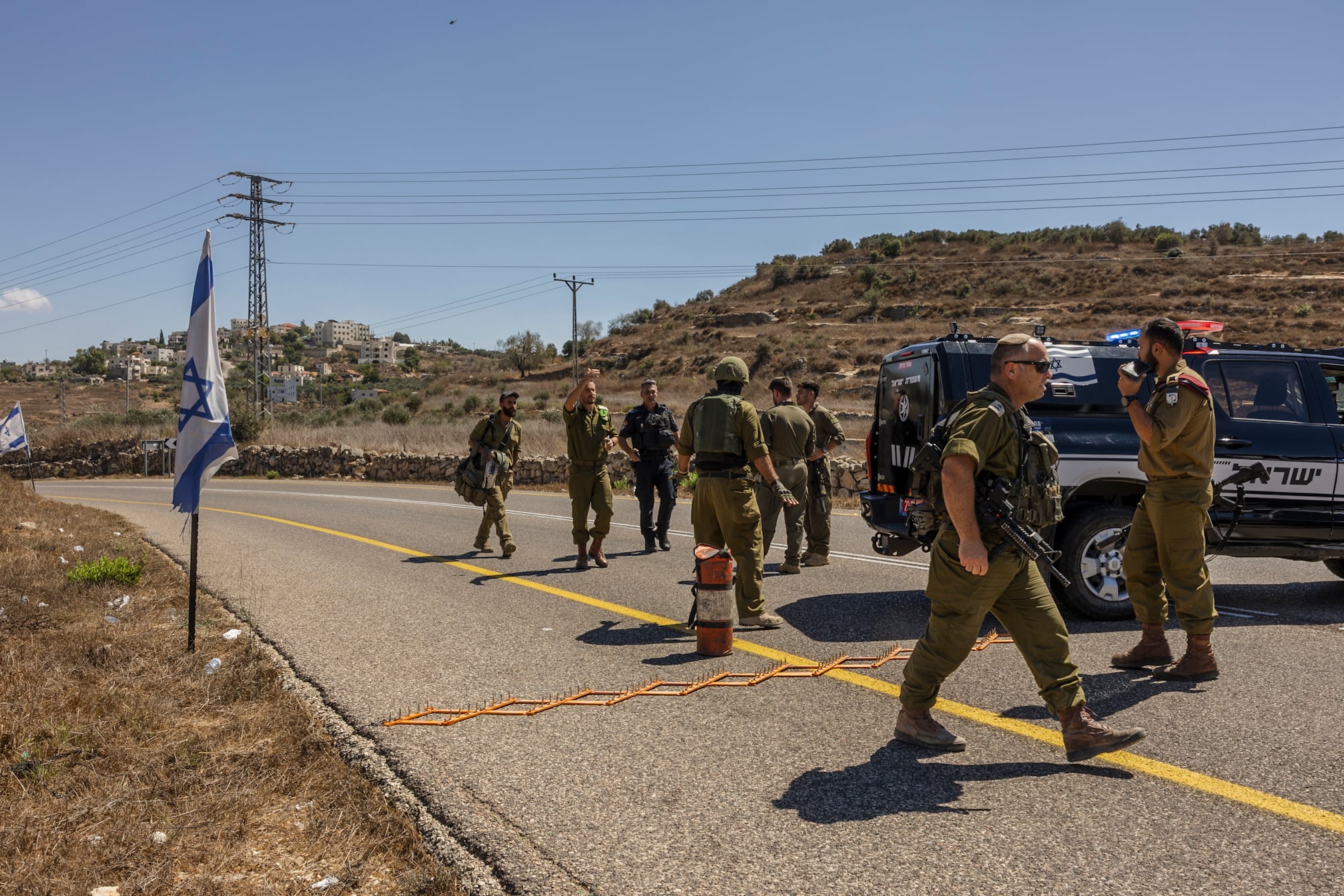
Under the order, the death penalty became the default sentence in cases of murder under circumstances defined by law, with military courts authorized to impose a different sentence only in exceptional circumstances. Additionally, judges’ authority to impose the death penalty is not conditional on an explicit demand from the military prosecution.
Soukron was murdered in an attack at Ein Reiya spring near Neve Tzuf, in front of his 16-year-old son. He left behind a wife and six children. After the attack, the terrorist—a Hamas operative—was captured by Israeli forces.
Days after the murder, during a condolence call with the family, Prime Minister Benjamin Netanyahu made clear he supports imposing the death penalty on the terrorist and called on the justice system to implement the law. Just this morning, Soukron’s widow sent a scathing letter to the chief military prosecutor demanding the death penalty for her husband’s killer and assurances that he cannot be released in a future prisoner exchange deal.
Capital punishment is hardly unique to Israel. As of the end of 2025, it remained on the statute books in 84 countries and territories worldwide. It is also legal in 27 US states and under American federal and military law. Against the backdrop of negotiations to form a government with the participation of left-wing and Arab parties, the question arises whether even if the terrorist is sentenced to death, a change in government could affect whether the sentence is actually carried out.