


After about two hours, the meeting between Prime Minister Benjamin Netanyahu and Yashar chairman Gadi Eisenkot ended on Sunday at the Kirya base in Tel Aviv. The two met to break the deadlock in negotiations to form a unity government. The meeting followed the significant concession Netanyahu offered last night on the rotation issue, just a week before Eisenkot’s mandate to form the government expires. No details on the outcome of the meeting have been released yet.
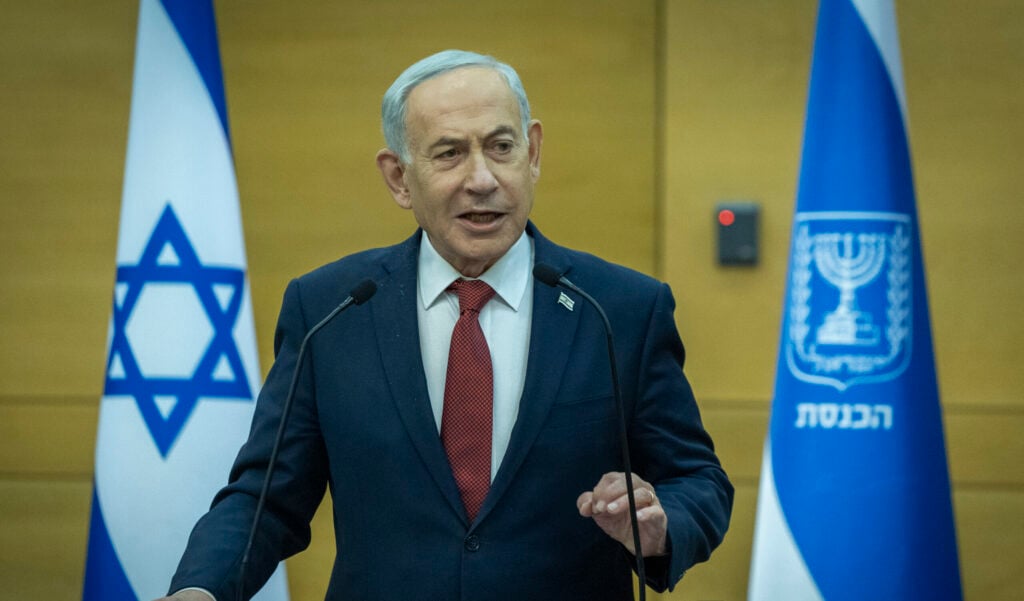
The meeting, set for 10:00 a.m., was supposed to take place at the Dan Accadia Hotel in Herzliya. This morning, however, Yashar announced that it had been moved to the Kirya and would open with a security briefing. Former minister Ron Dermer, who conducted the contacts with Naftali Bennett, also arrived at the Kirya and was expected to join the talks after the briefing. The Beyachad chairman did not take part in the meeting.
Last night, the Prime Minister announced that although Likud is the largest party in the Knesset and won about a quarter of a million more votes than Eisenkot’s party, he is willing to give up the first slot under a rotation agreement. Netanyahu explained his decision by citing the security challenges facing Israel and his desire to prevent the formation of a government dependent on the Arab parties.
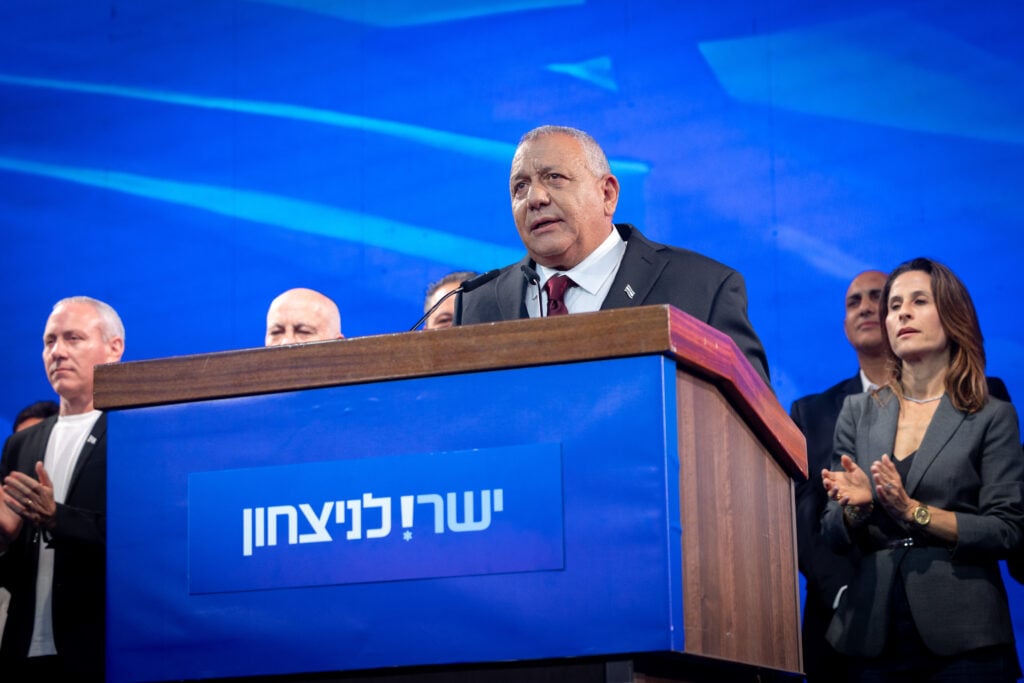
In response, Eisenkot invited Netanyahu to a personal meeting and gave 24 hours for an attempt to reach agreements. However, the Yashar chairman made clear that the question of who serves first as prime minister in the rotation is not the only dispute between the sides. He said agreements are also needed on the coalition’s makeup and its basic guidelines.
In recent weeks, Yashar has demanded forming a government without Minister Itamar Ben Gvir and advancing a draft framework that meets the army’s needs. Likud, on the other hand, opposed boycotting its political partners and insisted on including the Haredi parties.
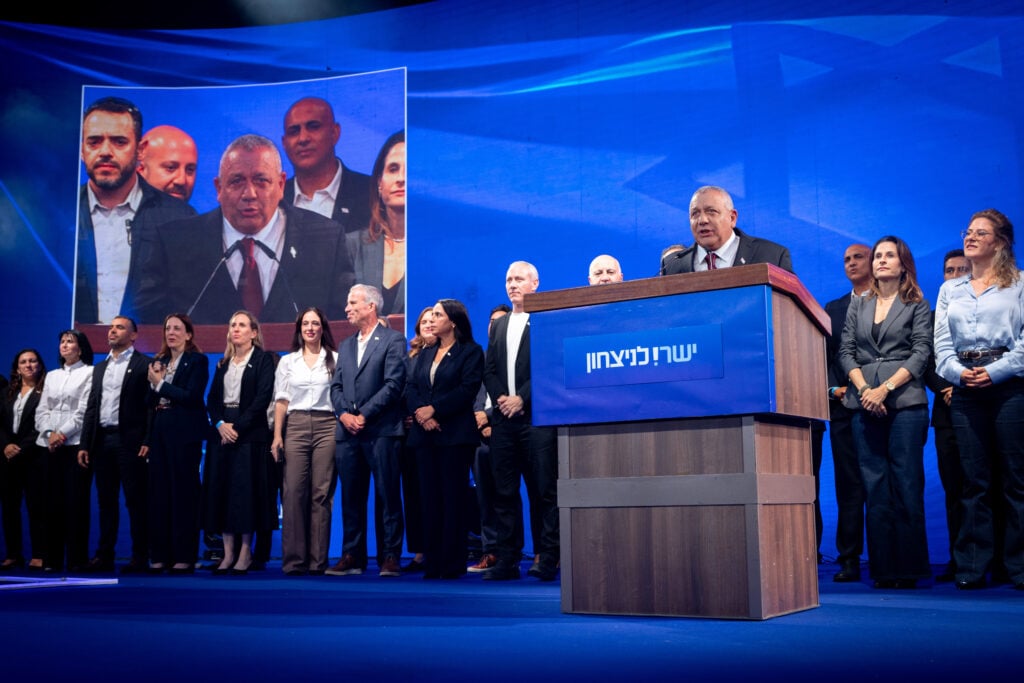
Other issues at the center of the negotiations include establishing a state commission of inquiry into the events of October 7, the changes to the judicial system and regulating the status of yeshiva students.
The Netanyahu-Eisenkot meeting took place after Yashar had already signed coalition agreements with Yisrael Beytenu and the Democrats, alongside contacts to broaden support for a government led by the Yashar chairman.
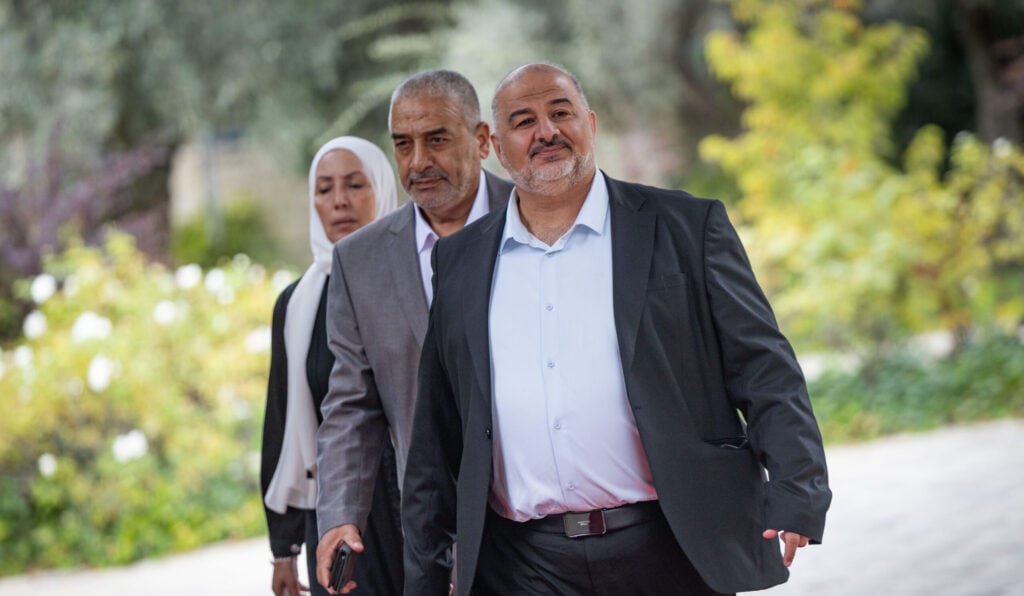
In recent days, a statement by Ra’am chairman Mansour Abbas regarding Hamas has also been at the center of political discourse, against the backdrop of the conditions Eisenkot set and the possibility of including his party in the future coalition. Likud opposes forming a government that relies on the Arab parties. At the same time, Yisrael Beytenu chairman Avigdor Lieberman has previously made clear that he will not support a minority government dependent on them.
The mandate President Isaac Herzog gave Eisenkot to form the government expires next Sunday, December 6. The Yashar chairman can request an extension of up to 14 more days, subject to the President’s decision. According to the plan set this morning, after the meeting at the Kirya ends, the negotiating teams are expected to continue talks at the Dan Accadia Hotel in Herzliya. The aim is to bridge the remaining disputes and reach agreements on forming a unity government.