


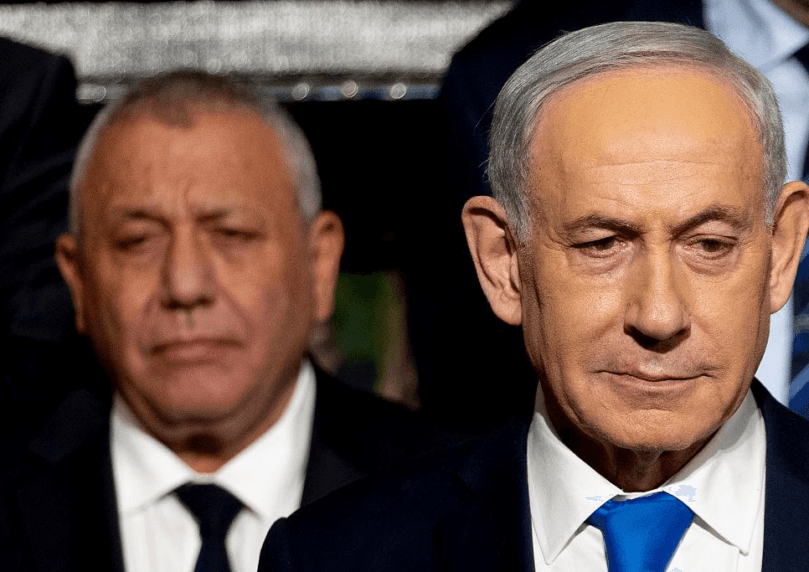

Prime Minister Benjamin Netanyahu’s associates sharply criticized Yashar Party Chairman Gadi Eisenkot on Sunday following his decision to cancel further negotiations with Likud over the establishment of a national unity government. The decision comes after Netanyahu announced Saturday evening that he was willing to relinquish the first spot in a prime ministerial rotation, in an effort to bridge one of the central disagreements between the parties and prevent the formation of a government reliant on the Arab parties.
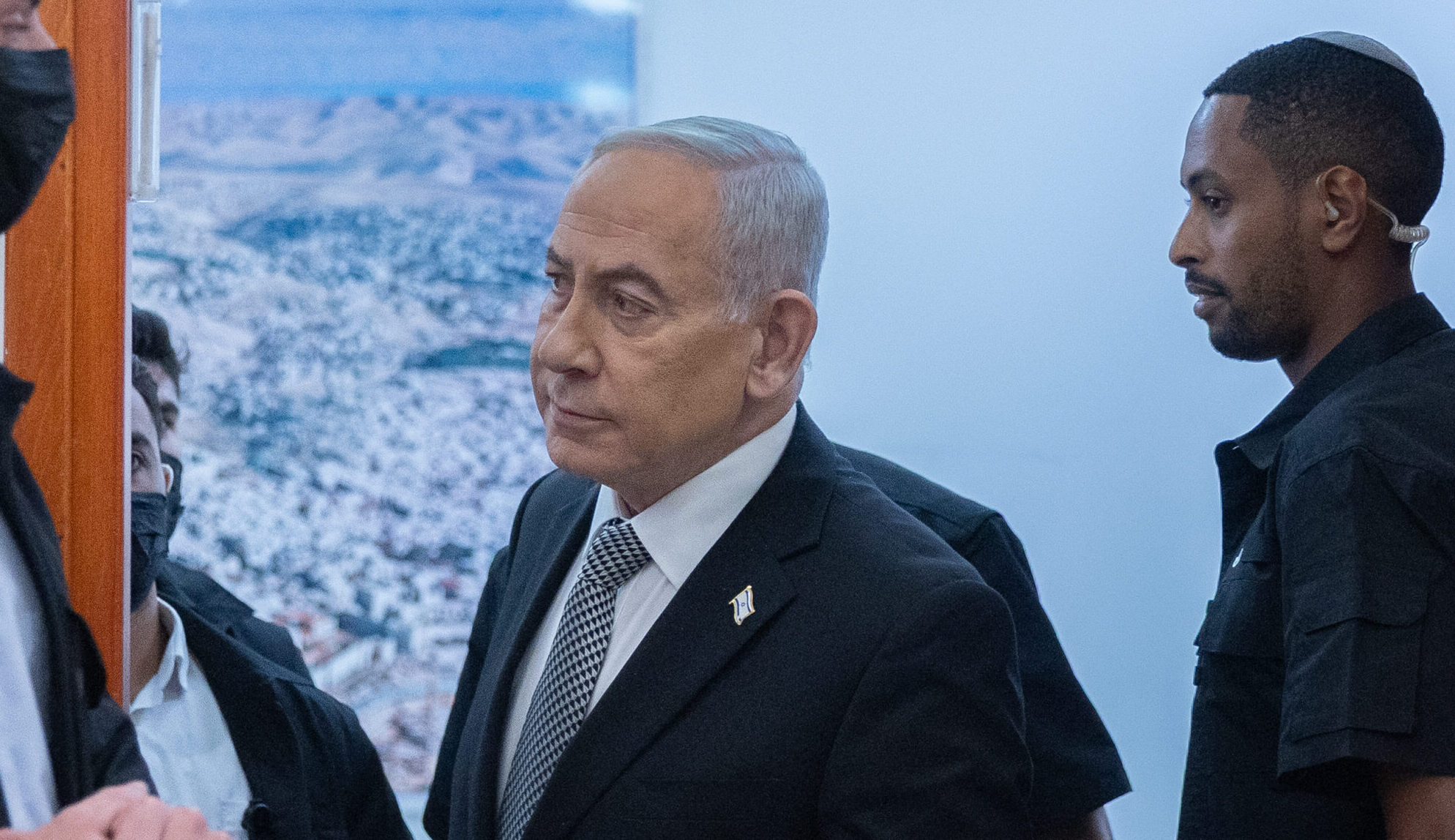

“For weeks, the left-wing bloc blamed the failure to form a unity government on Prime Minister Netanyahu’s refusal to be second in a rotation. Now that this obstacle has been removed, instead of conducting real negotiations to establish a unity government, Eisenkot is entrenching himself in an extreme position, canceled the negotiation meeting, and is only working to establish a government controlled by terror supporters.”
The statement demanded immediate action from Eisenkot’s side. “Likud stands by its position that what’s needed to ensure Israel’s security is the establishment of a national unity government without delay.”
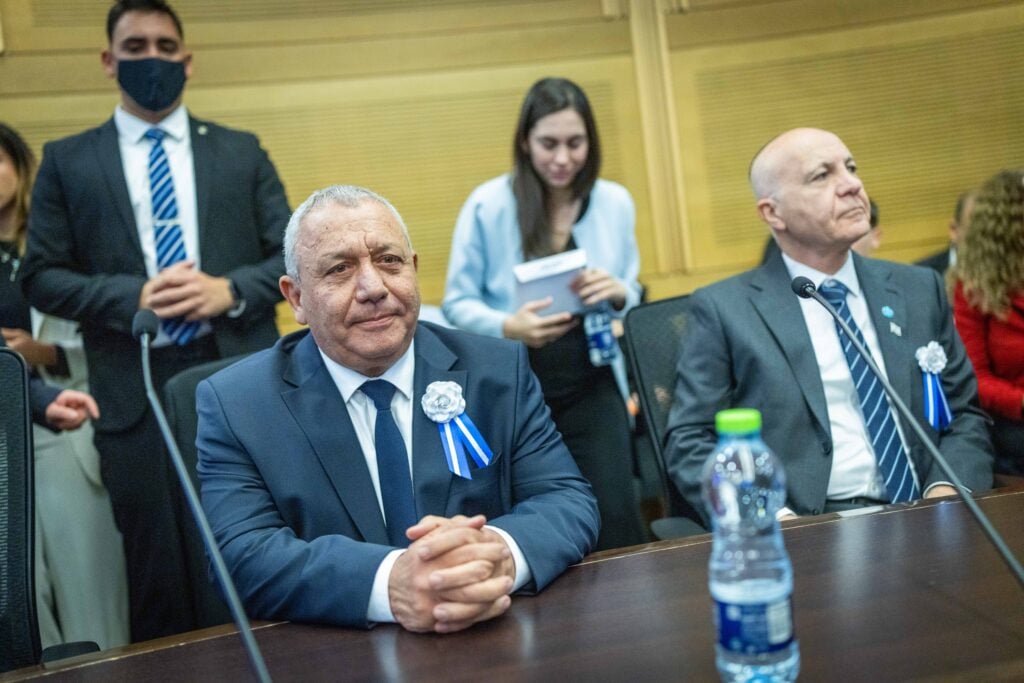
“Today it has become clear that Eisenkot is not interested in a national unity government,” Netanyahu’s associates said. “For weeks, the left-wing bloc used Prime Minister Netanyahu’s refusal to serve second in the rotation as an excuse for the failure to establish a unity government.”
“Now that this obstacle has been removed, instead of conducting genuine negotiations to establish a national unity government, Eisenkot is entrenching himself in an extreme position, has canceled the negotiating session and is focused solely on establishing a government controlled by terror supporters,” they added. Netanyahu’s associates called on Eisenkot to reconsider his position: “Eisenkot’s side must immediately come to its senses. Likud stands by its position that what is needed to ensure Israel’s security is the establishment of a national unity government without delay.”
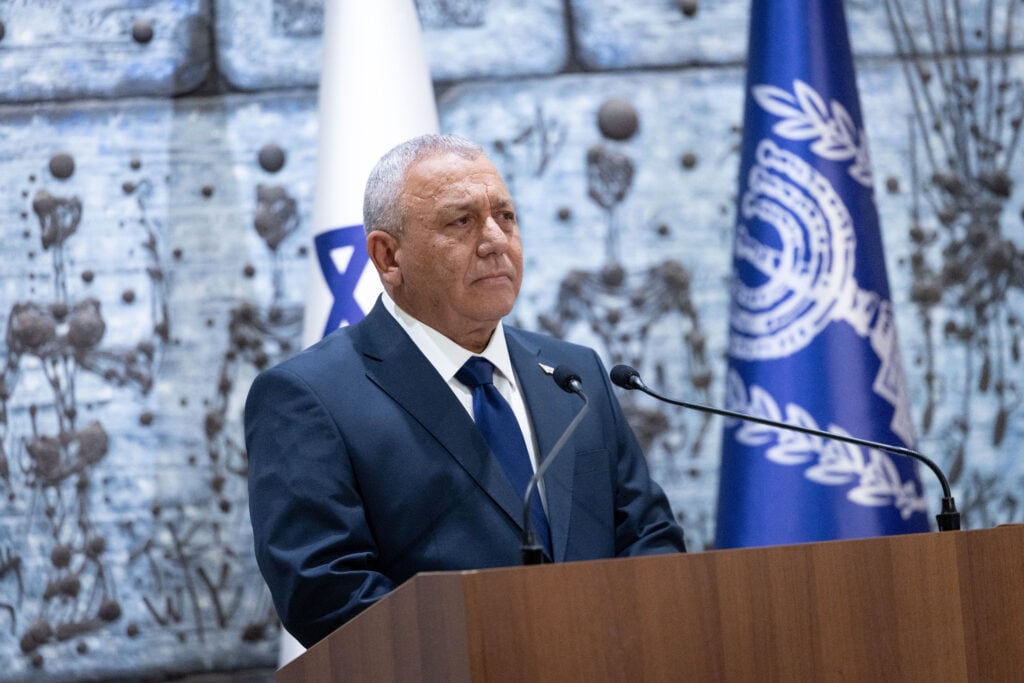
As C14’s Knesset correspondent Avraham Hasson reported, Eisenkot announced that no further meeting would take place between him and the prime minister. Following his decision, a scheduled meeting between the two parties’ negotiating teams at the Dan Accadia Hotel in Herzliya was also canceled.
The development stands in contrast to the tone of a joint statement issued earlier by Likud and Yashar, in which the parties described the meeting between their leaders as having taken place “in a businesslike atmosphere,” amid efforts to bridge the significant differences between them. Netanyahu and Eisenkot met for approximately two hours at the Kirya military headquarters in Tel Aviv. The meeting, originally scheduled to take place in Herzliya, began with a security briefing before the two turned to political issues surrounding the formation of a government.
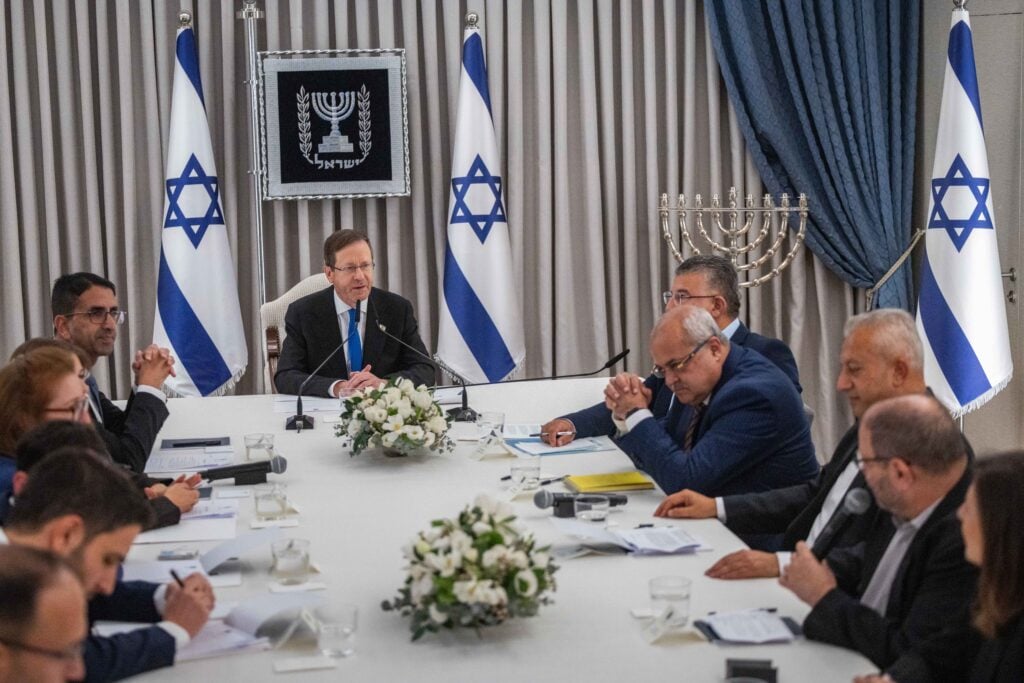
On Saturday evening, Netanyahu announced that he was willing to serve second in a rotation, despite Likud being the largest party in the Knesset. Netanyahu cited the security challenges facing Israel and the need to prevent the formation of a coalition reliant on the Arab parties.
In response, Eisenkot invited Netanyahu and Likud’s negotiating team to a meeting, announcing that he intended to assess the party’s seriousness within 24 hours. However, he made clear that the governing principles already formulated during negotiations with his partners would serve as the foundation for any future government under his leadership.
Beyachad Party Chairman Naftali Bennett also welcomed Netanyahu’s willingness to relinquish the first spot in the rotation but presented a series of demands, including the establishment of a state commission of inquiry, a halt to judicial reform, an eight-year limit on the prime minister’s tenure and the exclusion of the ultra-Orthodox parties from the coalition.
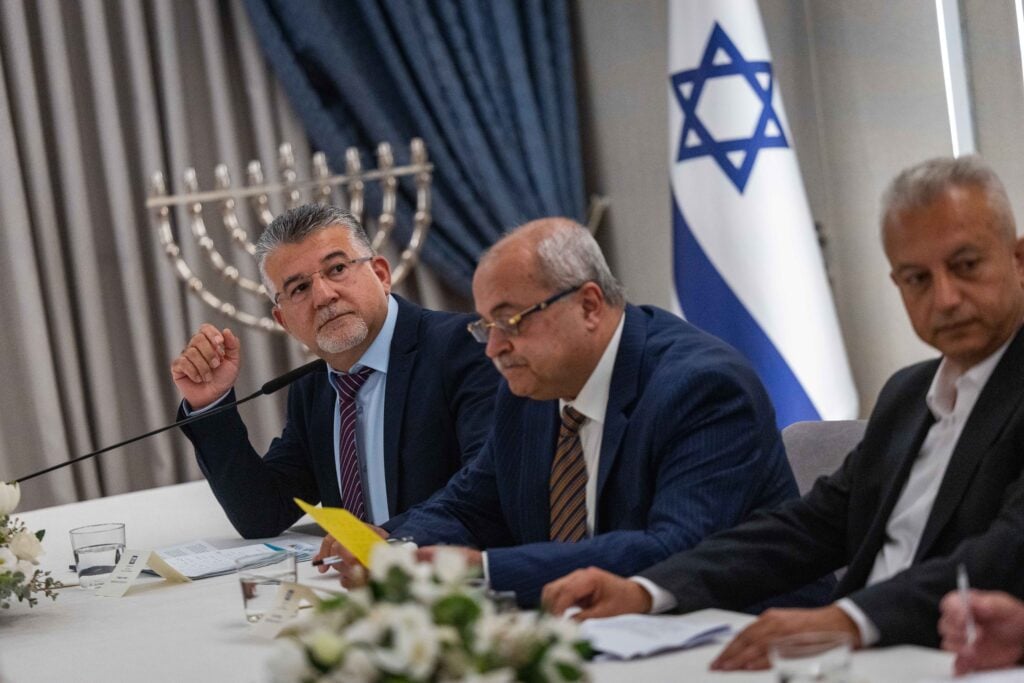
Before the start of Shabbat, Eisenkot had already announced his intention to establish a government within the coming week. His declaration preceded Netanyahu’s announcement that he was willing to relinquish the first spot in the rotation. In his statement on Friday, Eisenkot explicitly wrote: “There are eight days left. I intend to establish a government within that time.” He also pledged to work toward expanding the coalition after its formation, without ruling out the possibility of relying on support from the Arab parties.
Several meetings between Likud and Yashar representatives have taken place in recent weeks, but disagreements over the composition of the coalition, the military conscription law and the judicial system have persisted. Netanyahu’s agreement to serve second in the rotation removed one of the central obstacles to negotiations but did not resolve the remaining differences between the parties.
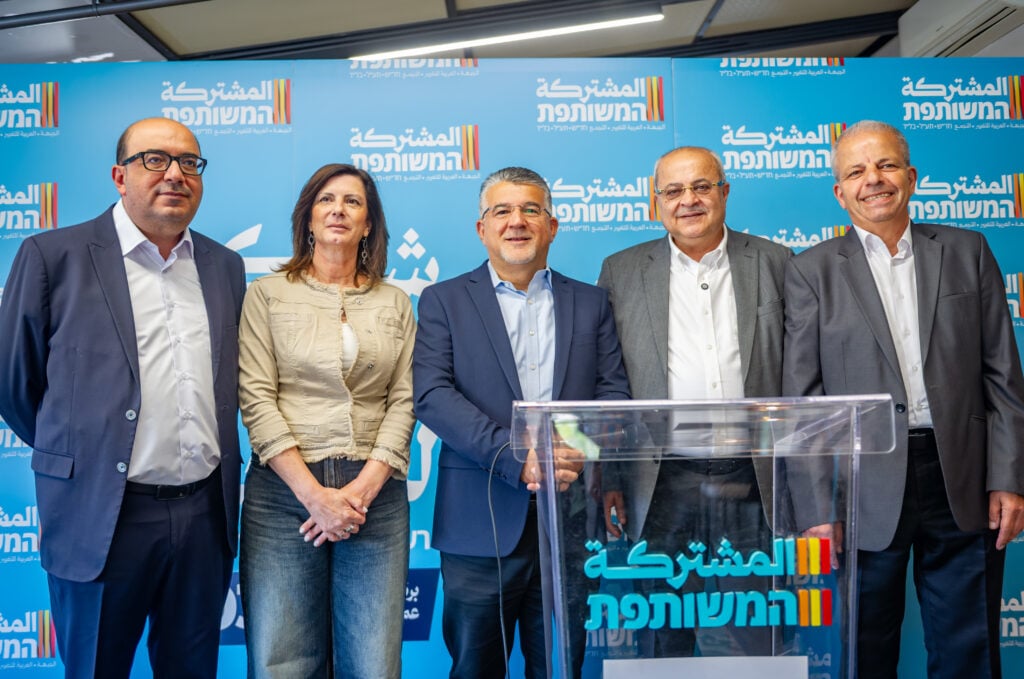
The cancellation of further talks comes just one week before the December 6 expiration of the mandate granted to Eisenkot by President Isaac Herzog to form a government. Alongside its negotiations with Likud, Yashar has already signed coalition agreements with Yisrael Beiteinu and the Democrats.