


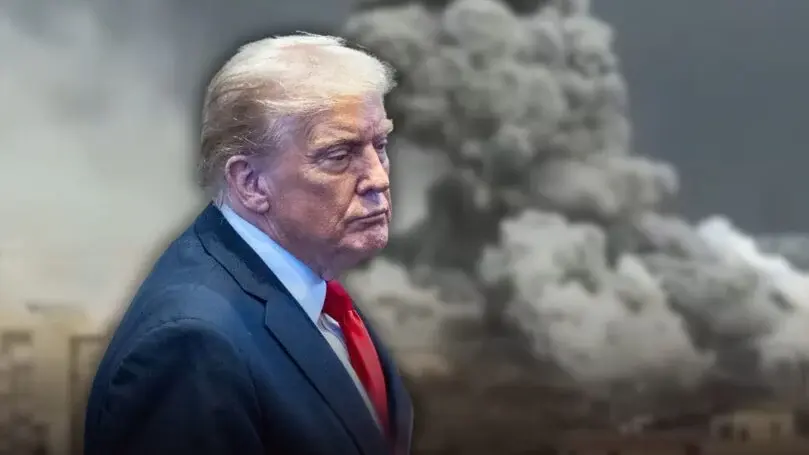

A dramatic escalation in security discussions in Washington: Officials within the Trump administration are discussing the possibility of conducting targeted military strikes against senior Iranian officials and leaders, NBC News reported today (Tuesday), citing sources familiar with the deliberations.
According to the report, the objective of the proposed move is to remove figures associated with the hardline faction from the upper echelons of the regime in Tehran. The sources emphasized that no final decision has yet been reached by the White House or the Pentagon; however, the very consideration of directly targeting Iran’s top leadership represents a significant shift in approach. Defense and foreign policy circles assess that executing such an operation against senior regime officials could lead to a sharp escalation in tensions between the United States and Iran, and potentially trigger a widespread Iranian response across the Middle East.
A Surge in Launches and Provocations in Hormuz: The Backdrop to the Tensions
The discussions in Washington follow a revelation by President Trump on Truth Social yesterday that Iran has significantly intensified its attacks. According to him, Tehran launched a record number of missiles and UAVs over the past week—a volume not seen in over a year. Trump noted that all the projectiles were intercepted and caused no damage, but argued that the outcome of the U.S. midterm elections is what emboldened Iran to escalate its activities.

Meanwhile, as reported by our Iran Analyst Dror Blazada, a growing sense of confidence is evident among the top leadership in Tehran. Senior regime officials, who had gone underground for fear of strikes, are now emerging from hiding and appearing openly before cameras—this, alongside provocative actions by Tehran regarding the naval blockade in the Strait of Hormuz.
Amid Threats, Contacts Continue—With Vance in the Picture
These military threats are unfolding alongside mixed signals and frantic diplomatic efforts in Washington. Earlier this month, Trump publicly instructed his Vice President, JD Vance, to step back from leading negotiations with Iran and instead focus on domestic issues, declaring that the U.S. “does not need a deal.”
In an interview with Fox News this past Sunday, Trump took an even tougher stance, issuing a clear ultimatum: he lashed out at the Iranian negotiating team—labeling them “professional tap dancers” who are merely stalling for time—and declared that if no agreement is reached by the beginning of 2027, he is inclined to resume large-scale military strikes against Iran.
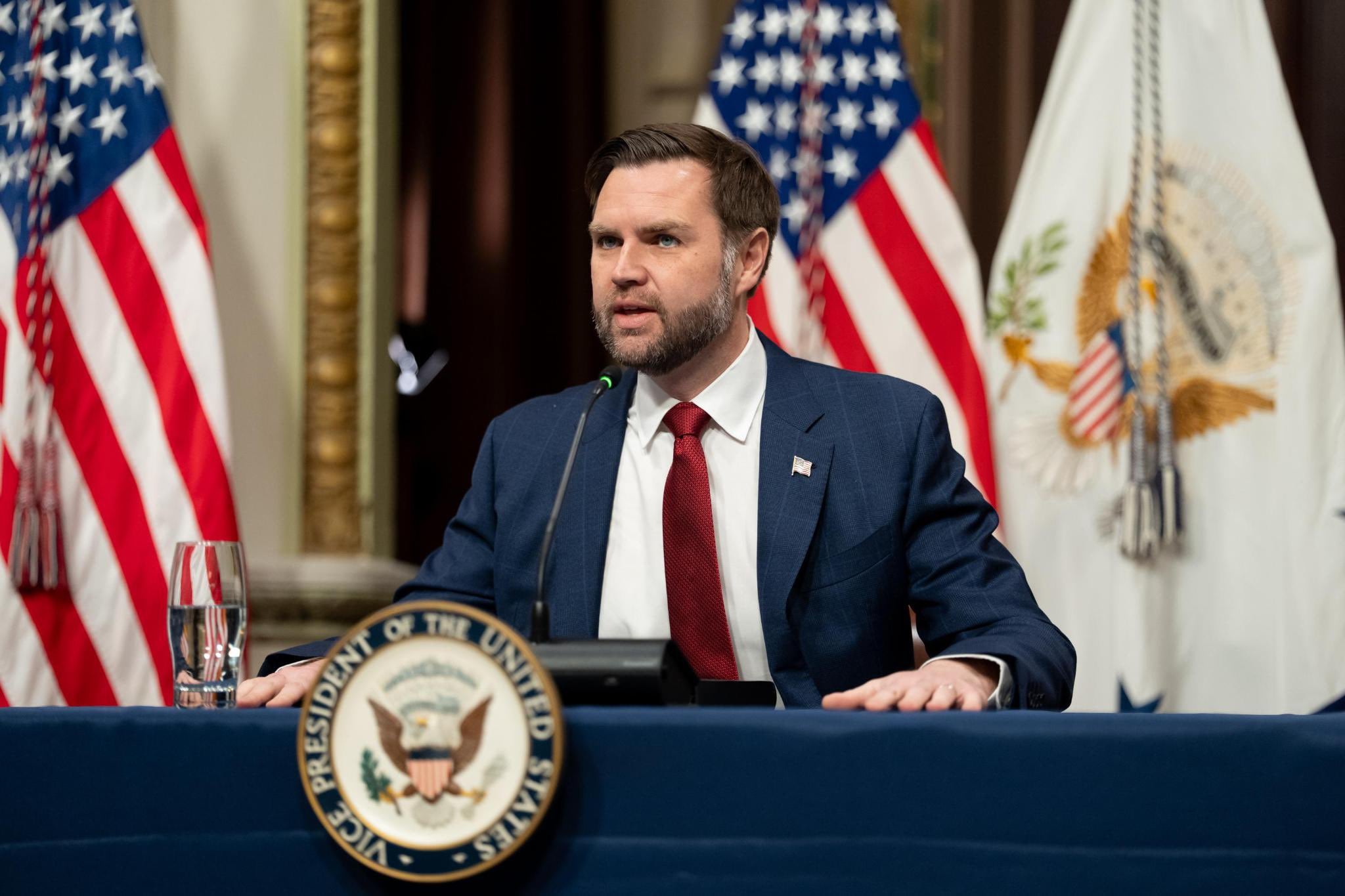
Nevertheless, despite the public directive to remove Vance from the Iran portfolio, behind-the-scenes contacts continue. According to official State Department records obtained by the Associated Press, the Prime Minister and Foreign Minister of Qatar, Mohammed bin Abdulrahman Al Thani, held separate meetings in Washington yesterday with Secretary of State Marco Rubio and Vice President Vance. The discussions centered on Qatari mediation efforts with Tehran—coming just days after Vance reiterated that the administration’s primary objective remains preventing Iran from acquiring nuclear weapons, and emphasized that Trump will not allow the conflict to devolve into an “endless war.”